

England is a rewarding place to plan a walking holiday. The country has an extensive network of footpaths and National Trails, making it possible to link together multi-day routes through countryside, coastline, and historic landscapes.
Many of these trails pass through villages, market towns, and national parks, meaning you can walk point-to-point while staying in comfortable inns or family-run bed and breakfasts along the way. Alternatively, choose one welcoming base and explore a different walk each day.
Whether you’re tackling sections of a famous long-distance trail or stitching together shorter countryside walks, the experience is less about rushing from place to place and more about enjoying the rhythm of travel on foot.
This guide will help you choose a region, compare holiday styles, and work out the practical details before booking.
- Quick Overview: Walking Holidays in England
- Choosing the Right Walking Holiday in England
- Guided, Self-Guided, or Plan Your Own?
- Why Should You Choose England for a Walking Holiday?
- Best Regions for a Walking Holiday in England
- Best Long-Distance Walking Routes in England
- Example Walking Holiday Itineraries in England
- Getting Around England without a Car
- Where to Stay on a Walking Holiday in England
- Typical Costs of a Walking Holiday in England
- Best Time of Year for a Walking Holiday in England
- What to Bring and How to Prepare
- What Can You Expect on a Walking Holiday in England?
- Common Walking Holiday Mistakes to Avoid
- Frequently Asked Questions
- Conclusion
- Where to Next?
Quick Overview: Walking Holidays in England
- Best time to visit: Spring to early autumn for most trips, with the ideal dates depending on your route, daylight and transport.
- Suggested trip length: Three to four nights for a short break, or five to ten nights for a longer holiday in one region or along a trail.
- Difficulty: Easy countryside outings through to demanding coastal stages, moorland walks and mountain routes.
- Holiday styles: Guided groups, self-guided packages and independently planned trips.
- Famous routes: Cotswold Way, Hadrian’s Wall Path, South West Coast Path, Coast to Coast and Pennine Way.
- Accommodation: Inns, B&Bs, country hotels, guesthouses, cottages and hostels.
For many walkers, that blend of scenery, history, and hospitality is what makes England such a rewarding destination. You don’t need to complete an entire trail to enjoy it.

Choosing the Right Walking Holiday in England
Walking holidays in England can vary hugely depending on where you go—from shorter countryside trails to rugged coastal paths and mountain routes.
If you’re not sure where to start, match the kind of days you want to the region, rather than simply picking the most famous walk.
The suggested lengths below are for a holiday exploring the area or selected trail sections, rather than completing every long-distance route.
| Region or route | Best for | Suggested stay | Possible bases | What affects your choice |
|---|---|---|---|---|
| The Cotswolds | Village walks, countryside and a first holiday with flexible distances | 3–7 nights | Chipping Campden, Broadway or Winchcombe | The Cotswold Way has repeated climbs; shorter circular walks offer more flexibility. |
| Cornwall and Devon | Dramatic cliffs, coves and seaside villages | 4–7 nights | St Ives, Padstow or a town beside your chosen section | Coastal ascent and return transport matter as much as mileage. |
| Hadrian’s Wall | Roman history and a clear point-to-point journey | 4–8 nights, depending on the section | Overnight stops along the trail; Haltwhistle for some central excursions | The central section is hilly; visits to forts need time and sometimes a detour. |
| Lake District | Mountain landscapes with a mix of fell and valley walks | 4–7 nights | Keswick, Ambleside or a base close to your routes | Choose walks around fitness, experience and conditions; avoid long daily transfers. |
| Yorkshire Dales | Limestone scenery, waterfalls and village-based walking | 3–7 nights | Malham, Settle, Hawes or Grassington | Some walks are demanding; transport coverage varies between valleys. |
| North York Moors | Moorland, woodland, heritage and coastal walking | 3–7 nights | Helmsley, Osmotherley or Whitby | One base won’t provide convenient access to every part of the park. |
| Peak District | Short breaks, varied day walks and rail access to the Hope Valley | 3–5 nights | Edale, Hope or Castleton | Lowland walks and exposed moorland routes require different preparation. |
| Northumberland coast | Beaches, castles and less mountainous walking | 3–7 nights | Alnmouth, Seahouses or Bamburgh | Sand, wind, linear-route transport and tidal access can complicate an otherwise gentler trip. |
If you’re new to walking holidays, staying in one place gives you room to adjust. You can take a shorter walk, enjoy a rest day, or change your plans without needing to reach another town that evening.
For walkers who love a sense of progress, an inn-to-inn route may be a better fit. Just make sure your overnight stops create days you actually want to walk.
Things to consider: Choose your walking days before choosing your accommodation. A beautiful cottage can become less appealing if every trailhead is an hour away, and a famous route can be the wrong fit if the available overnight stops force you into long stages.

Guided, Self-Guided, or Plan Your Own?
There are three main ways to organise a walking holiday in England. The right choice depends on how much support you want and how much planning you enjoy.
| Holiday style | How it works | Best for | Main trade-off |
|---|---|---|---|
| Guided holiday | A leader accompanies the walks, usually with a group. Accommodation and some meals or transport may be included. | Company, local knowledge and help with route decisions. | A set programme and group pace, although some trips offer different walking grades. |
| Self-guided package | An organiser books the accommodation and provides route information. Luggage transfers are often available. You walk without an accompanying guide. | Independence with less booking and logistics work. | You still navigate and manage your walking day; package inclusions vary. |
| Independently planned trip | You arrange the accommodation, routes, meals and transport yourself. | Control over budget, pace and rest days. | You handle the bookings and any changes along the way. |
A self-guided holiday doesn’t necessarily mean carrying all your belongings.
Many operators move your main bag between overnight stops, leaving you to walk with a daypack. Before booking, check the weight limit, collection times and whether every accommodation is served.
For a holiday based in one town, organising your own trip can be straightforward.
A point-to-point holiday requires more coordination: accommodation availability, walking distances, luggage transfers and transport all need to work together.
Our guide to guided versus self-guided walking holidays explores the differences in more detail.
What to Check before Booking a Package
Compare the number of nights with the number of walking days, then check daily distance and ascent, room arrangements, meals, luggage transfers, transport and support. Ask what happens if you need to miss a stage or arrive late.
For a guided trip, ask about group size and whether there are different walk options. For a self-guided trip, check whether you receive offline mapping, route notes and a contact number for problems along the way.
Things to consider: A self-guided package removes much of the booking work, but it doesn’t remove the need to judge conditions or follow a route. Choose support that suits your confidence, rather than assuming every organised holiday includes a guide on the trail.
Why Should You Choose England for a Walking Holiday?
If you’re looking for a getaway that’s equal parts adventure, relaxation, and discovery, a walking holiday in England might just be what you’re after.
For those of you who prefer scenic seaside paths, the country’s rugged cliffs and sandy shores will blow you away. Love a challenge? England’s mountain and moorland trails are ready to test your stamina while rewarding you with jaw-dropping views.
Or maybe you’re more about immersing yourself in history. Imagine yourself walking ancient routes or passing medieval castles and charming villages that seem frozen in time.
The best part? On many well-chosen routes, the day ends with a cosy pub, a welcoming B&B, or a village café. Planning those stops is part of the fun, and it gives your holiday a rhythm beyond simply counting the miles.
If you’d like a broader overview of the landscapes, our Ultimate Guide to Hiking in England explores the national parks, regions and trail networks in more detail.

Best Regions for a Walking Holiday in England
The Cotswolds: Villages, Countryside and Comfortable Stops
The Cotswolds is quintessential England, with honey-coloured stone cottages, historic churches, and lush, rolling hills.
Along the way, you’ll discover market towns like Chipping Campden, centuries-old buildings, and cosy tearooms.
For those of you who love a romantic vibe, this area will make you feel like you are living in a postcard.
The Cotswold Way links Chipping Campden to Bath, but you don’t have to walk it all.
A northern section makes a rewarding inn-to-inn holiday, while circular walks in the Cotswolds suit anyone who prefers returning to the same base.
Chipping Campden, Broadway and Winchcombe are possible bases for the northern hills. Choose the town around your intended walks, evening meals and transport rather than assuming all the villages are easy to reach on foot.
For a gentler holiday, start with our short Cotswolds walks.
If accessibility is part of your planning, our stroller and wheelchair walks give you specific routes to investigate; check the individual access details against your needs.
Things to consider: The Cotswolds can suit a first walking holiday, but the Cotswold Way isn’t a flat village stroll. Escarpment climbs, muddy fields and repeated walking days add up. Choose shorter stages or circular walks if you want a slower pace.

Cornwall and Devon: Coastal Scenery and Seaside Villages
If the sound of waves crashing against cliffs and the sight of endless sea views is your idea of a perfect escape, England’s coastal walks are an absolute dream.
The South West Coast Path runs for 630 miles from Minehead to Poole Harbour. Picture yourself walking above golden beaches in Cornwall, admiring the rugged cliffs of Devon, or discovering fishing villages like Port Isaac or Clovelly.
Most holidaymakers choose a manageable section or stay in one coastal town and explore nearby walks.
here are plenty of opportunities to pause for a cream tea—just remember, Cornwall says jam first, cream second!
For Cornwall, our regional hiking guide will help you choose an area, while the best hikes in Cornwall offers individual walks to build into your trip.
Things to consider: Coastal walking can be surprisingly tiring. Repeated climbs out of coves may make a short stage harder than a longer inland walk. Check ascent, seasonal ferries, diversions and return transport before fixing the day’s distance.
The Jurassic Coast: Cliffs, Geology and Coastal Walks
For those of you who love a bit of geology with their walk, the Jurassic Coast is a UNESCO World Heritage Site and a stunning stretch of coastline known for its fossils and natural wonders.
You can build walks around Durdle Door, Old Harry Rocks or Lyme Regis, mixing coastal scenery with village stops and time off the trail. Choose one part of the coast for a shorter holiday rather than trying to visit every landmark in a few days.
Things to consider: Some Jurassic Coast walks have steep climbs and exposed cliff sections. Follow current diversions and stay away from unstable cliff edges and bases. Check tides before beach routes, and use local guidance if fossil hunting is part of your plans.
“Avoid rookie mistakes. Our free ebook Hiking for Beginners shows you how.”
Northumberland: Beaches, Castles and Roman History
History buffs and castle lovers, this one’s for you. The Northumberland coast combines broad beaches with iconic landmarks like Bamburgh Castle, while Hadrian’s Wall offers a very different walking holiday inland.
The Northumberland Coast Path runs from Cresswell to Berwick-upon-Tweed, with some inland sections. Seahouses, Bamburgh and Alnmouth are possible coastal bases, depending on the walks you want to take.
If you’re fascinated by Roman history, Hadrian’s Wall Path is a must. You can follow the full trail between Wallsend and Bowness-on-Solway, choose a shorter section, or explore central stretches from a suitable base.
Vindolanda is worth considering as a separate visit near the trail rather than assuming the path passes through the site.
Things to consider: The Northumberland coast and Hadrian’s Wall aren’t the same walking area. Choose a base for the holiday you want. Holy Island needs a separately planned tidal visit, and the central wall section includes short, steep climbs rather than continuous easy walking.
Lake District: Mountains, Lakes and Valley Walks
If you’ve ever dreamed of walking in a postcard-worthy landscape, the Lake District is your spot. Home to England’s highest peaks, like Scafell Pike, this UNESCO World Heritage Site combines rugged mountains with serene lakes.
Whether you’re up for a challenging climb or prefer gentler routes, you can build a holiday with plenty of variety. Keswick and Ambleside are useful places to investigate for accommodation, food and access to nearby walks.
Catbells is a popular outing for panoramic views, although it includes steep and rocky sections. Helvellyn via Striding Edge is a much more serious undertaking: the exposed scrambling demands suitable experience, confidence and conditions.
And let’s not forget the cosy pubs to reward yourself afterward. Include a lakeside or valley day so your holiday has room for more than summits.
Things to consider: Choose mountain routes around your experience, not their popularity. Keep lower-level alternatives available, check a mountain forecast, and give yourself permission to turn back. A valley walk can be a great holiday day in its own right.

Yorkshire Dales: Limestone, Waterfalls and Village Walking
The Yorkshire Dales is a paradise of green hills, dry stone walls, and charming villages. For an iconic experience, choose a published circular route around Malham’s limestone landscapes, or build a holiday around a village such as Grassington, Hawes or Settle.
Our guide to hiking in the Yorkshire Dales will help you explore the area, while the best Yorkshire Dales walks gives you routes to compare.
The Ingleton Waterfalls Trail can add a waterfall outing; check current entry arrangements and terrain before visiting.
Another option is the Yorkshire Three Peaks Challenge, linking Pen-y-ghent, Whernside and Ingleborough.
It’s a demanding challenge, so there’s no need to make it compulsory on a relaxed walking holiday. Shorter walks or individual peaks may suit you better.
Things to consider: Choose your valley before booking your base. The Dales covers a large area, and local buses won’t necessarily connect all your chosen walks. Limestone can be slippery when wet, while higher ground needs more preparation than a village circuit.
North York Moors: Moorland, Woodland and the Coast
The North York Moors offers another side of Yorkshire, combining open moorland, wooded valleys and coastal scenery. You can organise a holiday around Helmsley, explore the western hills from Osmotherley, or use Whitby for a coastal focus.
Our North York Moors hiking guide explains the region, while these Osmotherley walks are useful if you’re considering a village-based trip.
A shorter holiday can focus on one of those landscapes instead of trying to cover the whole park
Things to consider: Moorland and coastal days have different demands. Open ground can feel exposed even without a high summit, and coast-path stages may have repeated climbs. Pick accommodation close to the walks you actually plan to do.
The Cleveland Way offers the possibility of a longer point-to-point holiday with both moorland and coastal sections.
Peak District: Short Breaks and Varied Day Walks
As the first designated national park in the UK, the Peak District has long been a favourite for walkers.
Whether you’re exploring the windswept moorlands of Kinder Scout, hiking Mam Tor for ridge views, or wandering the valleys of Dovedale, the region offers plenty of choice for a shorter holiday.
Edale and Hope have railway stations on the Manchester–Sheffield line, making the Hope Valley worth investigating for a trip without a car. Castleton offers another village base, with onward transport to check.
Things to consider: Being close to cities doesn’t make every walk straightforward. Kinder Scout is exposed upland terrain, while easier valley outings may suit a first holiday better. Don’t assume a railway station is close to every trailhead.
Dartmoor: Tors, Ponies and Open Landscapes
If you’re into wide-open spaces and a touch of mystery, Dartmoor is the place for you. This rugged moorland is famous for its granite tors, ponies, and dramatic weather, so it’s no wonder it inspired Arthur Conan Doyle’s The Hound of the Baskervilles.
Walkers can explore around Haytor or choose sections of longer routes such as the Two Moors Way. A village-based holiday lets you mix open moorland outings with shorter walks and relaxed evenings.
Things to consider: The open moor can be difficult to navigate in poor visibility. Choose mapped routes, carry reliable navigation and check transport before booking a remote stay. Keep your distance from ponies and other livestock rather than approaching or feeding them.
Explore More Walking Routes in England
If you’re planning more hikes across the country, these guides explore England’s trails and walking destinations in more detail:
Best Long-Distance Walking Routes in England
If you like the idea of arriving somewhere new each evening, these routes give you different ways to travel on foot. Full-route lengths are shown below; the suggested walking times are planning ranges, excluding arrival, departure and rest days.
| Route | Full distance | Approximate walking time | Why choose it? | Main consideration |
|---|---|---|---|---|
| Cotswold Way | 164 km / 102 miles | Around 7–10 days, or longer at a slower pace | Countryside, market towns and comfortable overnight stops | Repeated climbs; accommodation may be off the trail. |
| Hadrian’s Wall Path | 135 km / 84 miles | Around 6–8 days | Roman history and a coast-to-coast journey | Central hills and time for archaeological visits. |
| South West Coast Path | Approximately 1,014 km / 630 miles | Choose a section for a week-long holiday | Cliffs, coves and seaside villages | Ascent, ferries and seasonal transport vary by section. |
| The Ridgeway | Approximately 139 km / 87 miles | Around 6–8 days | Ancient sites and open southern landscapes | Exposed sections and accommodation away from the route. |
| Pennine Way | Approximately 431 km / 268 miles | Around 2–3 weeks or longer | A substantial upland adventure | Remote ground, navigation, weather and repeated long days. |
| Coast to Coast | Check current official mapping and your selected itinerary | Around 12–16 days or longer | Lake District, Dales and North York Moors in one continuous walk | A demanding journey; daily stages need careful planning. |
The Coast to Coast became a National Trail in March 2026. Use current official mapping rather than assuming an older itinerary reflects the updated route.
For less mountainous walking, look at selected sections of the Thames Path, especially where towns and transport connections help you divide the days.
Lower gradients don’t remove the need to check flood conditions, path surfaces and distances.
Literary lovers may also enjoy Shakespeare’s Way, linking Stratford-upon-Avon and London. Treat it as another route to research in stages, rather than assuming its cultural theme guarantees leisurely terrain throughout.
For detailed preparation, explore our Pennine Way guide and Pennine Way itinerary. The route finishes just over the Scottish border, so it isn’t entirely within England.
Example Walking Holiday Itineraries in England
To give you an idea of how a trip might come together, here are two suggested holidays focused on one area. They combine published route information rather than describing a personally tested trip.
Distances exclude extra walking to accommodation and trailheads. Walking times are estimates unless identified as published route timings. Check the route maps and current access information before setting off.
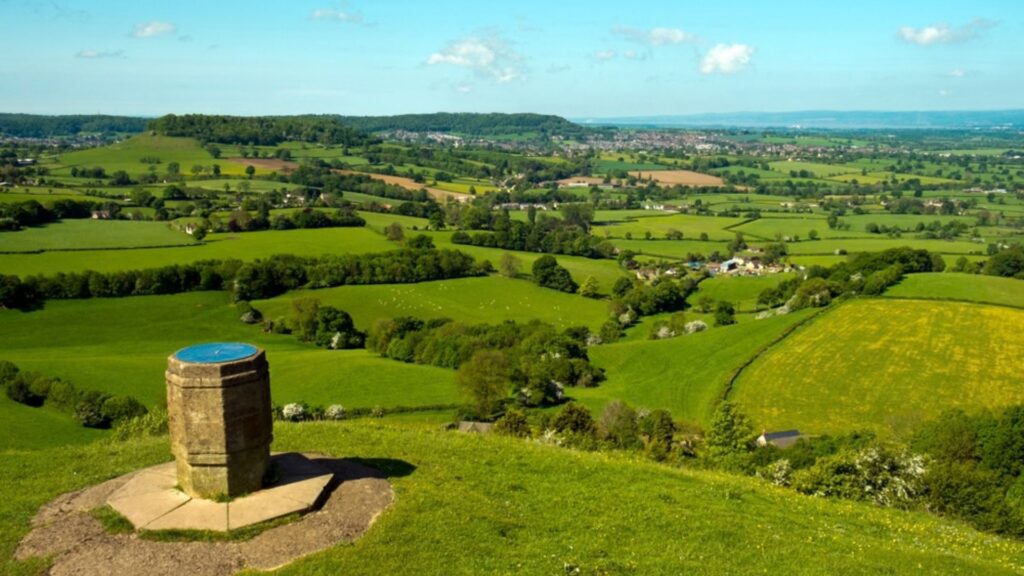
A Six-Day Inn-to-Inn Holiday on the Northern Cotswold Way
Style: Four walking days, with arrival and departure days.
Overnight plan: Chipping Campden, Broadway, accommodation serving Wood Stanway, then Winchcombe for the final two nights.
This is a shorter section of the Cotswold Way, designed to leave time for scenery and stops. Book the Wood Stanway night first: the walking-stage endpoint doesn’t guarantee accommodation at that exact spot.
| Day | Plan | Trail distance and estimated time | Practical details |
|---|---|---|---|
| 1 | Arrive in Chipping Campden. | Optional short town walk. | Settle in and prepare for the trail. |
| 2 | Chipping Campden to Broadway. | 9.6 km / 6 miles; allow 3–4 hours. | A climb towards Dover’s Hill and Broadway Tower before descending to Broadway. |
| 3 | Broadway to Wood Stanway. | 10.5 km / 6.5 miles; allow 3–4 hours. | Confirm the onward walk or transfer to your accommodation. |
| 4 | Wood Stanway to Winchcombe. | 8.8 km / 5.4 miles; allow 3–4 hours. | Leave extra time if visiting Hailes Abbey. |
| 5 | Winchcombe to Cleeve Hill, then return by arranged transport. | 9 km / 5.6 miles; allow 3–4 hours. | A hillier day; the official section has around 330 m of ascent. Arrange collection at a suitable accessible point. |
| 6 | Depart from Winchcombe. | No walking required. | Check onward bus, taxi and railway connections. |
The stage distances come from the official Cotswold Way information. Accommodation detours can increase the total, so confirm your actual daily route.
A Four-Day Walking Break in the Peak District
Style: Day walks from one base.
Base: Edale, Hope or Castleton for three nights.
Transport: Rail can work for arrival, but this example requires arranging access to Mam Nick car park separately.
| Day | Plan | Distance and time | Practical details |
|---|---|---|---|
| 1 | Arrive and explore your village. | Keep any walk short and flexible. | Check meals, supplies and the next day’s transport. |
| 2 | National Trust’s Mam Tor circular walk. | 4.8 km / 3 miles; published time around 2 hours. | Starts at Mam Nick car park, rather than Edale station; steep sections and steps. |
| 3 | National Trust’s low-level Edale circular walk. | Approximately 5.4 km / 3.4 miles; published time 1.5–2 hours. | A different outing from the much longer Kinder Scout routes. |
| 4 | Depart after a relaxed morning. | Optional short local walk. | Leave enough time for your onward journey. |
Follow the published Mam Tor route and Edale circular route. Longer approaches from your base add distance and climbing.
For a week-long holiday, add other researched walks nearby and a rest day. There’s no need to turn a short break into a challenge simply because you have more time.
“From Alps to coastlines, our free Walking Holiday guide helps you plan smarter.”
Getting Around England without a Car
Walking holidays without a car work best when you choose the route and transport together. Getting to a town by train is only the first step; you also need to reach your walks and return afterward.
| Walking area | Arrival options to investigate | What to check next |
|---|---|---|
| Northern Cotswolds | Rail to Moreton-in-Marsh, followed by bus or taxi | Connections to Chipping Campden, Broadway or Winchcombe; services on your travel dates. |
| Peak District Hope Valley | Rail to Edale or Hope | Access to trailheads beyond the villages and any extra approach walking. |
| Lake District | Rail to Windermere or Penrith, with onward buses | Which valley your accommodation serves and the last return service. |
| Hadrian’s Wall | Newcastle or Carlisle for the trail ends; rail connections along the Tyne Valley | Access to the central section, accommodation pickups and luggage arrangements. |
| Cornwall | Rail gateways such as St Ives via St Erth, or other stations near your section | Coastal buses, seasonal ferries and transport at both ends of a linear walk. |
| Yorkshire Dales | Rail gateways such as Settle or Skipton | Local bus coverage, operating days and access to your chosen valley. |
Use the Cotswolds train and bus guidance when planning the northern Cotswold itinerary. For other areas, check current railway and local operator timetables rather than relying on a route number in an older guide.
Things to consider: Check the last return service, Sunday and bank-holiday timetables, and whether a taxi needs booking ahead. A car offers more flexibility, but parking at the start of a linear route still leaves you needing a way back.

Where to Stay on a Walking Holiday in England
One of the best parts of a walking holiday in England is where you get to rest your head after a day on the trails. Accommodation can be part of the adventure.
If you love the idea of classic English charm, the country inns along many walking routes are hard to beat. Picture a centuries-old inn with low wooden beams, a roaring fire, and the smell of a home-cooked pie wafting through the air.
For those of you who prefer a more personal touch, England’s bed and breakfasts are brimming with charm. Often family-run, these B&Bs offer snug rooms and freshly made breakfasts that feel like a hug on a plate. Imagine staying in a Yorkshire cottage or a farmhouse near Dartmoor.
Staying in One Base
A cottage, guesthouse or inn works well for circular walks and flexible day trips. You unpack once, can take a rest day, and don’t need to reach another village each evening.
Check access to your routes, nearby meals, parking or bus stops, and somewhere to dry wet clothing. A rural location may be peaceful but inconvenient if everything requires a drive.
Walking between Overnight Stops
For an inn-to-inn holiday, plan stages around accommodation availability. Confirm the distance from the trail, breakfast times, evening meal options and luggage-transfer arrangements.
If you’re looking to treat yourself, a boutique hotel or comfortable country house can add a little indulgence. Just make sure the walking works around the stay, rather than assuming a beautiful room automatically makes a convenient trail base.
What to consider: Confirm the hardest-to-book overnight stop before paying for the rest. Ask about accommodation detours, minimum stays, drying facilities and meals. A late arrival is easier when you already know where dinner is coming from.
Typical Costs of a Walking Holiday in England
The overall cost varies with the region, season, accommodation and support you choose. A room price, a per-person package price and a cottage rental aren’t directly comparable.
Here’s an illustrative planning budget, rather than live quotes, for two adults sharing a B&B room on a seven-night independently organised holiday. It assumes breakfast is included and you already own your walking equipment.
| Item | Budget assumption | Per-person cost |
|---|---|---|
| Accommodation | £100–£170 per shared room per night | £350–£595 for seven nights |
| Lunch and dinner | £25–£40 per person across eight days | £200–£320 |
| Local transport | Allowance for buses and occasional shared taxis | £50–£150 |
| Illustrative total | Accommodation, food and local transport | £600–£1,065 |
This excludes travel to the region, car hire, fuel, parking, luggage transfers, paid attractions, extra drinks and equipment purchases. Solo travellers paying for a room alone may spend substantially more on accommodation.
For packages, request quotes for the same number of nights, walking days and room arrangements.
Check meals, luggage transfers, transport and support before deciding which offers better value. Guided holidays with more services included need a different comparison from a simple self-guided B&B package.
Planning your own holiday can reduce spending, especially with one base and shared accommodation, but it isn’t automatically cheaper once taxis and luggage transfers are added. Decide where you’d like to spend more and where you’re happy to keep things simple.
Best Time of Year for a Walking Holiday in England
England can be walked year-round, but the experience changes with the seasons, so choosing the right time can make a big difference to your trip.
Spring brings wildflowers and lengthening days. It can be a lovely time for countryside walks, although fields may be muddy and upland conditions still need checking.
Summer offers the longest daylight hours and more room for leisurely stops. Popular coastal towns, national parks and walking routes can be busy, so book accommodation ahead and carry enough water for warmer days.
Autumn brings quieter periods and beautiful colours. Early autumn can suit a longer holiday, but check shortening daylight and any changes to seasonal buses or ferries.
Winter is better suited to carefully chosen shorter outings for walkers prepared for the conditions. High fells can require winter skills and equipment, and exposed coasts or flooded riverside paths may rule out particular routes.
For a first trip, investigate late spring or early autumn, then choose dates around the region and transport you need. For conservation reasons, the official advice for Hadrian’s Wall Path recommends walking between Easter and October; wet weather can make its grass surfaces muddy.
What to Bring and How to Prepare
You don’t need a full expedition kit for every walking holiday, but the right equipment makes wet, windy or tiring days much more manageable.
A Basic Walking Holiday Packing List
- Walking footwear: Choose grip and fit for the surfaces you’ll encounter. Our footwear buyer’s guide explains the options.
- Waterproof jacket and trousers: Coastal wind and upland rain can change the feel of a day quickly. See our waterproof jacket guide.
- Adjustable layers: A warm layer and suitable walking clothing help you adapt without packing unnecessary weight. Our layering guide covers the basics.
- A comfortable pack: A daypack suits many base holidays and luggage-supported trips. If you carry your belongings between stays, compare the 35–50 litre backpacks against your actual load.
- Navigation, phone and backup power: Download route information before leaving and carry a suitable backup.
- Food, water and first-aid essentials: Pack enough for the route and include blister care and personal medication.
- A headtorch: Useful if a longer day runs late, especially outside the summer months.
- Trekking poles may help on repeated climbs and descents, although they aren’t essential for every walk.
🗒️ Free Checklist: Planning your next hiking trip?? Download our printable hiking checklist to make sure you don’t miss the essentials.
Preparing for Consecutive Walking Days
Try a few walks in the footwear and pack you intend to use, including consecutive days. Look at ascent, underfoot conditions and time on your feet as well as distance.
Start with manageable days and leave space for recovery. If you’re travelling with someone whose pace differs from yours, choose routes and accommodation that give you shorter alternatives.
Things to consider: A daypack on a luggage-supported holiday still needs your food, water, waterproofs, warm layers, navigation and essentials. Don’t send everything ahead in the transfer bag, and avoid testing brand-new footwear on the first morning of a multi-day trip.
What Can You Expect on a Walking Holiday in England?
A walking holiday in England isn’t just about the walking but also about everything that comes with it:
Adventures Beyond Walking
A walking holiday in England is so much more than just putting one foot in front of the other. For those of you who love mixing things up, you’ll find that the paths here often lead to unexpected adventures.
Take Hadrian’s Wall, for example. You’re literally following the footsteps of Roman soldiers who once patrolled the empire’s northern frontier.
And if you’re into castles, you’re in for a treat. Imagine rounding a bend and spotting Bamburgh Castle towering over the Northumberland coastline or climbing the ruins of Whitby Abbey, with the waves crashing below.
Wildlife lovers will also not be at a loss in England. On a coastal walk, you might spot seals lounging on the beach or even catch a puffin darting by if you’re in the right spot. Dartmoor and Exmoor, on the other hand, are famous for their wild ponies that will stop and stare at you as if you’re the intruder in their world.
In England, the trail often leads to unexpected discoveries — from ancient castles and Roman ruins to windswept abbeys and wildlife-filled coastlines.
Now, let’s talk about pop culture. Harry Potter fans, you’ll geek out when you find yourself walking near locations that inspired Hogwarts or featured in the films.
And if literature is more your thing, picture yourself on the same moors that inspired Wuthering Heights. It’s one thing to read about these places, but seeing them in person? That’s next-level magic.
If you time your trip right, you might also stumble into a local festival or market along the way. From Christmas markets with mulled wine and roasted chestnuts to summer fairs bursting with color and music, England has a knack for celebrating the seasons.
And, of course, no adventure is complete without pausing for tea and cake in a village café or a pint in a centuries-old pub.
The Food and Drink Experience
One of the absolute highlights of a walking holiday in England is the food and drink. After hours on the trail, there’s nothing more satisfying than sitting down to a hearty meal or treating yourself to something sweet. The best part? England’s culinary traditions are as varied as its landscapes.
Let’s start with the classics. If you’re walking along the coast, you simply have to indulge in fish and chips. Imagine sitting on a bench overlooking the sea, unwrapping a paper package of crispy, golden-battered fish and perfectly salted chips.
Whitby, on the Yorkshire coast, is famous for its fish and chips, and many say it’s the best in England.

If you’re exploring Cornwall, the iconic Cornish pasty is a must. These hand-held pastries, filled with beef, potatoes, and vegetables, have been fueling walkers for centuries. You can grab one from a bakery in St. Ives and enjoy it as you stroll along the South West Coast Path.
For those of you who love a slower-paced indulgence, afternoon tea is the quintessential English experience. Picture a cozy tea room in the Cotswolds or a riverside café in Cambridge, with a pot of perfectly brewed tea, a tiered stand of dainty sandwiches, and, of course, warm scones.
In Cornwall, they’ll tell you to put the jam on first, then the cream, while Devon insists it’s the other way around. Why not try both and decide for yourself?
If you’re hiking in England specifically in the Lake District, don’t miss Kendal Mint Cake. This sugary treat isn’t technically cake (technically it’s more like a solid slab of minty goodness), but it’s been a favorite energy booster for walkers and climbers since the 19th century.
Over in Yorkshire, a Sunday roast with a towering Yorkshire pudding is an absolute must, especially if you’ve spent the morning exploring the rolling hills of the Dales.
Last but certainly not least, there are the pubs. English pubs are more than just places to grab a drink; they’re an experience in themselves. Many walking trails are dotted with historic inns where you can relax with a pint of ale or a hearty meal by the fire.
Take the Old Dungeon Ghyll in the Lake District, for example—it’s a walker’s paradise with its rustic charm, local brews, and steaming plates of steak and ale pie. Alternatively, you can try the Blue Bell Inn in the Peak District, where the food is just as warm and welcoming as the atmosphere.
Few things feel better after a day on the trail than settling into a countryside pub for a hearty meal, a local ale, and the simple pleasure of well-earned comfort.
Fun Accommodations
One of the best parts of a walking holiday in England is where you get to rest your head after a day on the trails. Accommodations here are a part of the adventure.
If you love the idea of classic English charm, the country inns along many walking routes are hard to beat. Picture this: a 16th-century inn with low wooden beams, a roaring fire in the hearth, and the smell of a home-cooked pie wafting through the air.
Places like The Old Dungeon Ghyll in the Lake District or The Lygon Arms in the Cotswolds offer this kind of cozy, welcoming atmosphere that makes you feel like you’ve stepped back in time.
For those of you who prefer a more personal touch, England’s bed and breakfasts are brimming with charm. Often family-run, these B&Bs are dotted along many popular trails and offer everything from snug rooms to freshly made breakfasts that feel like a hug on a plate.
Imagine staying in a quaint cottage in Yorkshire or a farmhouse on the edge of Dartmoor.

If you’re looking to treat yourself, there are plenty of boutique and luxury options, too. After a long day on the trail, who wouldn’t want to relax in a king-size bed with a view of the hills or soak in a hot tub under the stars?
Places like Lime Wood in the New Forest or The Scarlet in Cornwall combine style and comfort with a touch of indulgence
And then there are the truly unique places to stay. Imagine spending the night in St. Anthony’s Lighthouse in Cornwall, which is perched right on the edge of the sea. You’ll fall asleep to the sound of waves crashing below.
Or how about a stay in the historic Old Thatched Cottage in Somerset? With its low ceilings, cozy fireplaces, and nice garden, it feels like stepping straight into a storybook, and is perfect for unwinding after a day on the trail.
One of the joys of walking in England is where you end up each evening — from centuries-old inns and cozy cottages to charming bed and breakfasts tucked into the countryside.
Common Walking Holiday Mistakes to Avoid
- Trying to see too much in one week: Focus on one region or a continuous trail rather than spending several days travelling between distant walking areas.
- Choosing stages by mileage alone: Compare ascent, surface and exposure too.
- Booking overnight stops before checking the route: Add accommodation detours and confirm luggage arrangements.
- Assuming a nearby village guarantees food: Check shops, pub kitchens and breakfast times.
- Leaving return transport until the end of a walk: Know the last service and book taxis where necessary.
- Making every day demanding: Include shorter alternatives, rest days and space for visits.
Frequently Asked Questions
Where Is Best for a First Walking Holiday in England?
The Cotswolds and Peak District are useful places to investigate because you can choose a base and compare walks of different lengths. The individual routes matter more than the region’s reputation: a short countryside circuit and a full National Trail itinerary are very different holidays.
Can You Plan a Walking Holiday in England Yourself?
Yes. A holiday based in one place is a manageable starting point: choose published walks, book nearby accommodation and arrange access. A point-to-point trip needs more coordination around overnight stops, luggage, meals and transport.
Can You Go without a Car?
Yes, if you choose the base and walks around verified connections. Rail access to a walking town is useful, but you still need to check trailhead access, operating days and return journeys. Some areas suit this much better than others.
Are Walking Holidays Suitable for Solo Travellers?
They can be. A guided group provides company, while a self-guided or independently planned trip offers more control over your pace. Check single-room costs, choose routes suited to your experience, and leave your plans with someone who knows when to expect you back.
Can You Take a Dog?
Some accommodation and packages welcome dogs, but confirm every overnight stay, transfer and planned attraction. Check livestock, seasonal beach restrictions and individual route rules. A dog-friendly hotel doesn’t guarantee that every part of the holiday is suitable.
How Long Should Your Holiday Be?
Three or four nights is enough for a couple of walks and a relaxed introduction. Five to ten nights gives you room for more variety or a longer trail section. For an entire long-distance route, work backwards from realistic daily stages and available accommodation.
Conclusion
There you have it! A walking holiday in England is all about exploring beautiful landscapes, uncovering bits of history, and enjoying the simple pleasures along the way.
Whether you’re hiking along the coast, climbing a mountain, or wandering through a quiet village, there really is something special about taking it all in at your own pace.
Where to Next?
There you have it! A walking holiday in England is all about exploring beautiful landscapes, uncovering bits of history, and enjoying the simple pleasures along the way.
Whether you’re hiking along the coast, climbing a hill, or wandering through a quiet village, there really is something special about taking it all in at your own pace.
More Walking Adventures in England
- Cotswold Way: Plan a longer journey through countryside and market towns.
- Hadrian’s Wall Path: Explore the Roman frontier on foot.
- Hiking in Cornwall: Compare coastal scenery and walking regions.
More Walking Adventures in the UK
- Best Hikes in Scotland: Discover routes through Highland, island and loch landscapes.
- Hiking the West Highland Way: Explore Scotland’s famous long-distance walk.
- Walking Holidays in Scotland: Plan another multi-day trip north of the border.
Wider European Inspiration
- Best Hikes in Switzerland: Explore Alpine trails and mountain scenery.
- Tour du Mont Blanc: Discover the multi-day route through France, Italy and Switzerland.
- Walking holiday destinations in Europe: Compare countries for your next adventure.


