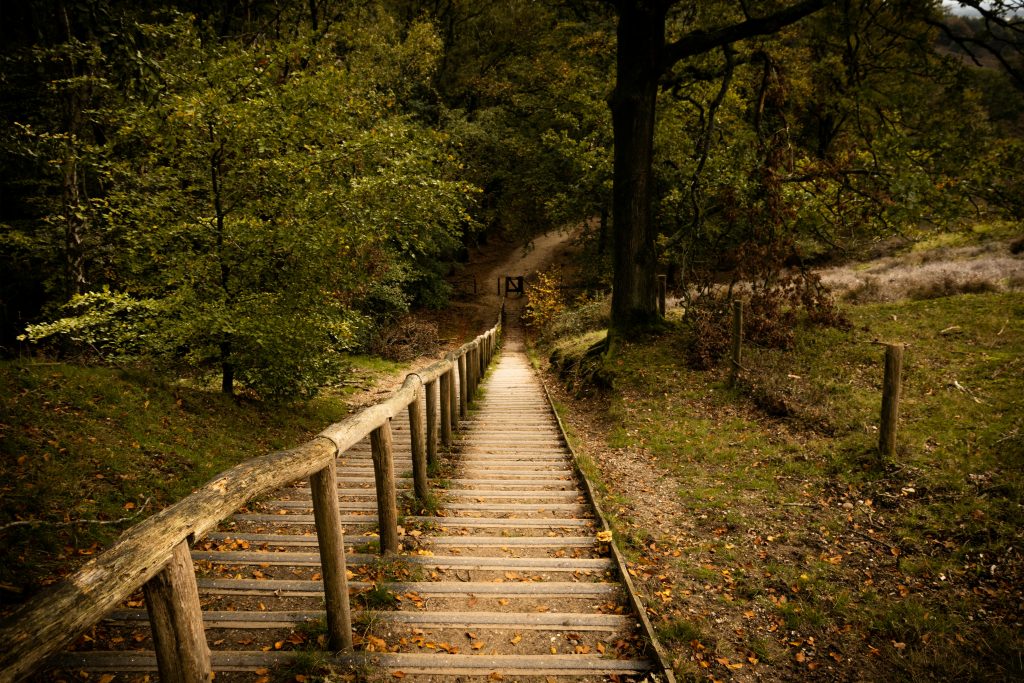
Scotland offers some of the most breathtaking and diverse trails not only in the United Kingdom but also in the world.
From the towering peaks of the Scottish Highlands to the rugged coastlines of the islands, the landscapes here are more varied than you may have expected.
Each trail is a unique experience and has opportunities to immerse yourself in the country’s rich history, culture, and natural beauty along the way.
Why Hike in Scotland?
Scotland is one of Europe’s most rewarding hiking destinations thanks to its raw landscapes, deep sense of history, and freedom to explore. From dramatic Highland peaks and vast moorlands to island coastlines and loch-lined valleys, the variety here is exceptional for a relatively compact country.
What truly sets Scotland apart is its long-established walking culture. Ancient drove roads, pilgrimage routes, and military paths now form the backbone of modern trails, allowing hikers to move through landscapes shaped by centuries of human and natural history.
Thanks to Scotland’s right-to-roam access laws, hikers enjoy far more freedom than in many other countries — making it possible to link routes, wander responsibly, and experience a real sense of wilderness.
Whether you’re climbing Britain’s highest mountain, walking beside sea cliffs on Skye, or enjoying a city hike with historic views, Scotland offers hikes that feel both untamed and deeply rooted in place.
Companion Article: Ultimate Guide to Hiking in Scotland
If you’re planning a hiking trip and want a deeper understanding of Scotland’s regions, seasons, weather patterns, and trail etiquette, our complete guide covers everything you need to know before setting off.
Read the Ultimate Guide to Hiking in Scotland for regional breakdowns, safety tips, and planning advice.
Best Hikes in Scotland
1. Ben Nevis via the Mountain Track
Ben Nevis stands tall at 4,413 feet/1,345 meters and is the highest peak in the UK. It’s definitely a must-do hike for many adventurers visiting Scotland. The Mountain Track, also known as the Tourist Path, is the most popular route to the summit.
Trail Snapshot
Difficulty: Challenging
Distance: 17 km (10.5 mi) round trip
Elevation Gain: 1,344 m (4,409 ft)
Start / End: Glen Nevis Visitor Centre → Ben Nevis Summit
Highlights: UK’s highest peak, vast Highland views, summit observatory ruins
Difficulty/Recommended Fitness Level
This hike is strenuous and suitable for hikers with a good level of fitness. The trail is well-maintained but involves a steady, steep climb, requiring endurance and strength.
Distance
The hike is approximately 10.5 miles/17 km round trip.
Elevation Gain
You’ll experience an elevation gain of about 4,409 feet/1,344 meters as you make your way to the summit.
Start and End Point
The hike begins and ends at the Glen Nevis Visitor Centre near Fort William. This is a well-known starting point that offers lots of parking spaces and facilities.
Highlights & Landmarks
Summit ruins of the old observatory, sweeping Highland panoramas, and dramatic weather shifts that define the Scottish mountains.
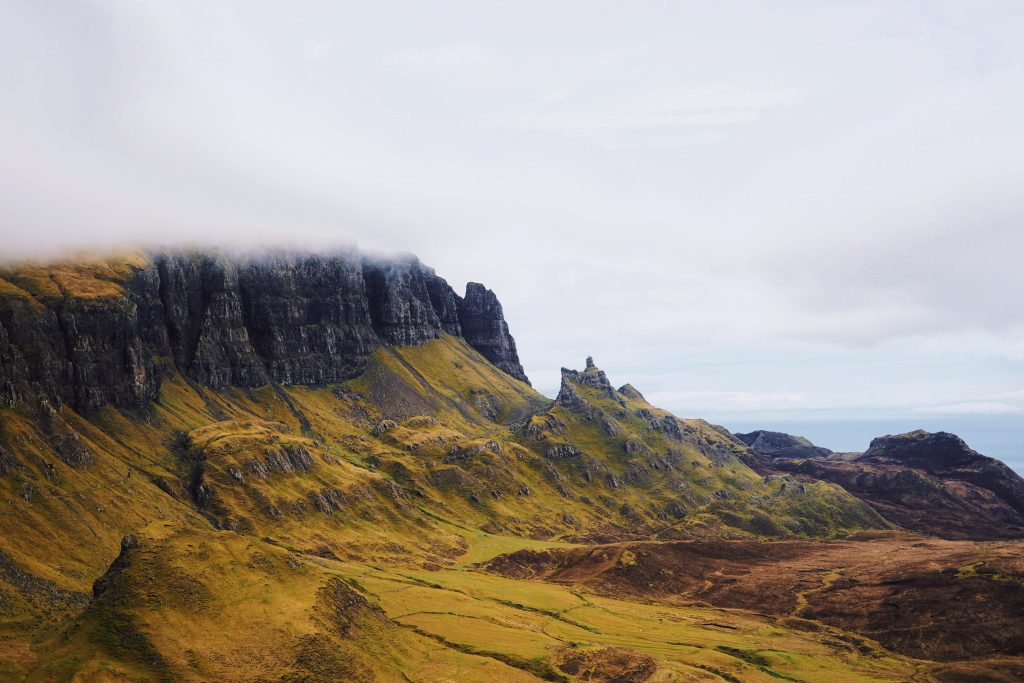
2. The Quiraing on the Isle of Skye
The Quiraing is one of the most iconic landscapes on the Isle of Skye. It’s renowned for its dramatic rock formations and sweeping views of the sea and the Trotternish Ridge.
This hike takes you through a surreal landscape of cliffs, pinnacles, and plateaus, and is a favorite hike for photographers and nature enthusiasts alike.
Trail Snapshot
Difficulty: Moderate
Distance: 7 km (4.5 mi) loop
Elevation Gain: 425 m (1,400 ft)
Start / End: Quiraing Car Park → Circular route
Highlights: Landslip formations, jagged cliffs, sweeping coastal views
Difficulty/Recommended Fitness Level
This hike is of moderate difficulty. It’s suitable for hikers with a reasonable level of fitness. The trail includes some steep ascents and uneven terrain but is generally accessible for most hikers.
Distance
The circular route is approximately 4.5 miles/7 km.
Elevation Gain
You’ll experience an elevation gain of around 1,400 feet/425 meters throughout the hike.
Start and End Point
The hike starts and ends at the Quiraing car park, which is located near the village of Staffin on the Isle of Skye. The car park is well-signposted and is a good base to explore the surrounding area.
Highlights & Landmarks
Summit ruins of the old observatory, sweeping Highland panoramas, and dramatic weather shifts that define the Scottish mountains.
3. The West Highland Way (Milngavie to Balmaha Section)
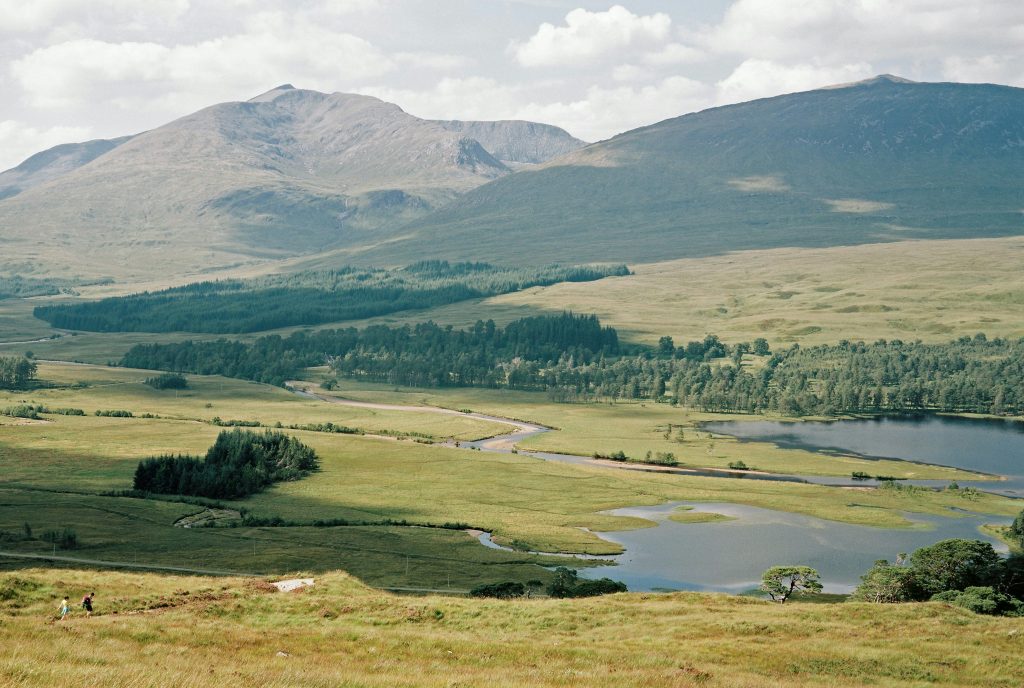
The West Highland Way is Scotland’s most famous long-distance trail. It stretches 96 miles/154 kilometers from Milngavie to Fort William.
The section from Milngavie to Balmaha is one of the most scenic and accessible parts of the trail and takes you along the shores of Loch Lomond.
Trail Snapshot
Difficulty: Moderate
Distance: 32 km (20 mi) one way
Elevation Gain: ~460 m (1,500 ft)
Start / End: Milngavie → Balmaha
Highlights: Loch Lomond shoreline, woodland paths, classic long-distance trail scenery
Difficulty/Recommended Fitness Level
This section of the West Highland Way is moderately difficult and a good choice for hikers who have a higher level of fitness.
The path is well-maintained but involves some steep ascents and descents, particularly once you start getting close to the Loch.
Distance
The hike from Milngavie to Balmaha is approximately 20 miles/32 km.
Elevation Gain
You’ll experience an elevation gain of around 1,500 feet/460 meters over the course of the hike.
Start and End Point
The hike starts in Milngavie, a suburb of Glasgow, and ends in the village of Balmaha, which is situated on the eastern shore of Loch Lomond.
Both Milngavie and Balmaha are accessible by public transport, so it’s easy to reach the trailhead and return at the end of the hike.
Highlights & Landmarks
Summit ruins of the old observatory, sweeping Highland panoramas, and dramatic weather shifts that define the Scottish mountains.
4. The Fairy Pools on the Isle of Skye
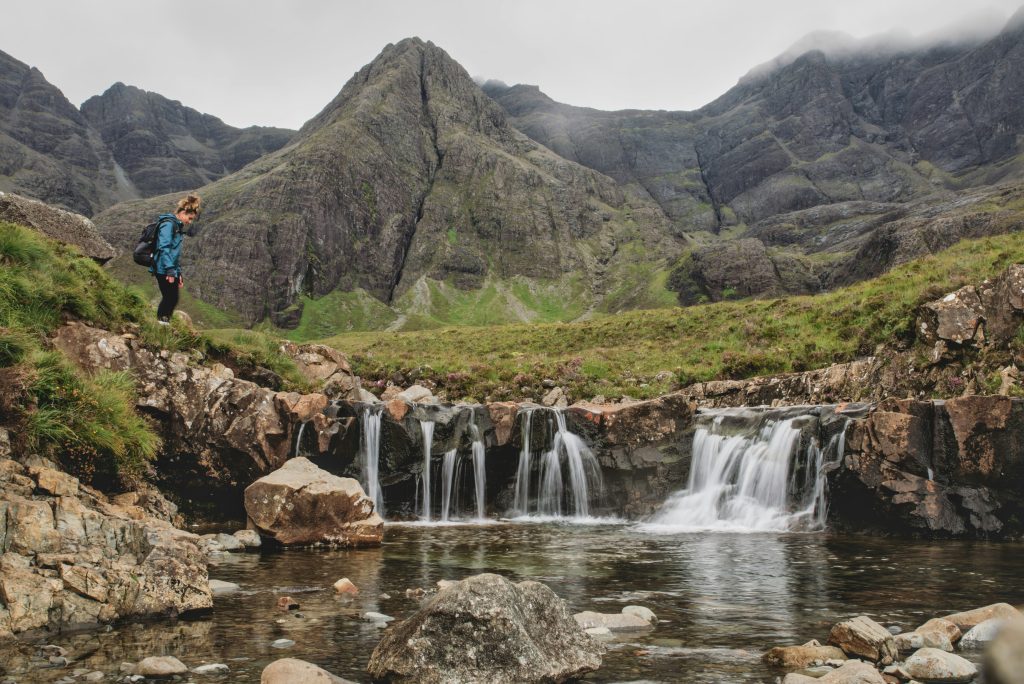
The Fairy Pools, which are located at the foot of the Black Cuillin mountains on the Isle of Skye, are a series of crystal-clear blue pools and waterfalls that have captured the imagination of hikers and photographers for years.
Trail Snapshot
Difficulty: Easy
Distance: 4 km (2.5 mi) round trip
Elevation Gain: ~60 m (200 ft)
Start / End: Fairy Pools Car Park (Glen Brittle) → Out & back
Highlights: Turquoise pools, waterfalls, Cuillin mountain backdrop
Difficulty/Recommended Fitness Level
This hike is easy and suitable for all fitness levels, including families with children. The trail is well-maintained and straightforward, with only a few gentle inclines along the way.
Distance
The out-and-back hike to the Fairy Pools is approximately 2.5 miles/4 km round trip.
Elevation Gain
You’ll experience a minimal elevation gain of about 200 feet/60 meters, with some small hills and descents along the way.
“First time on the trail? Hiking for Beginners has your back.”
Start and End Point
The hike starts and ends at the Fairy Pools car park near Glen Brittle. The car park is well-signposted and provides a great base to explore this part of Skye.
Highlights & Landmarks
Summit ruins of the old observatory, sweeping Highland panoramas, and dramatic weather shifts that define the Scottish mountains.
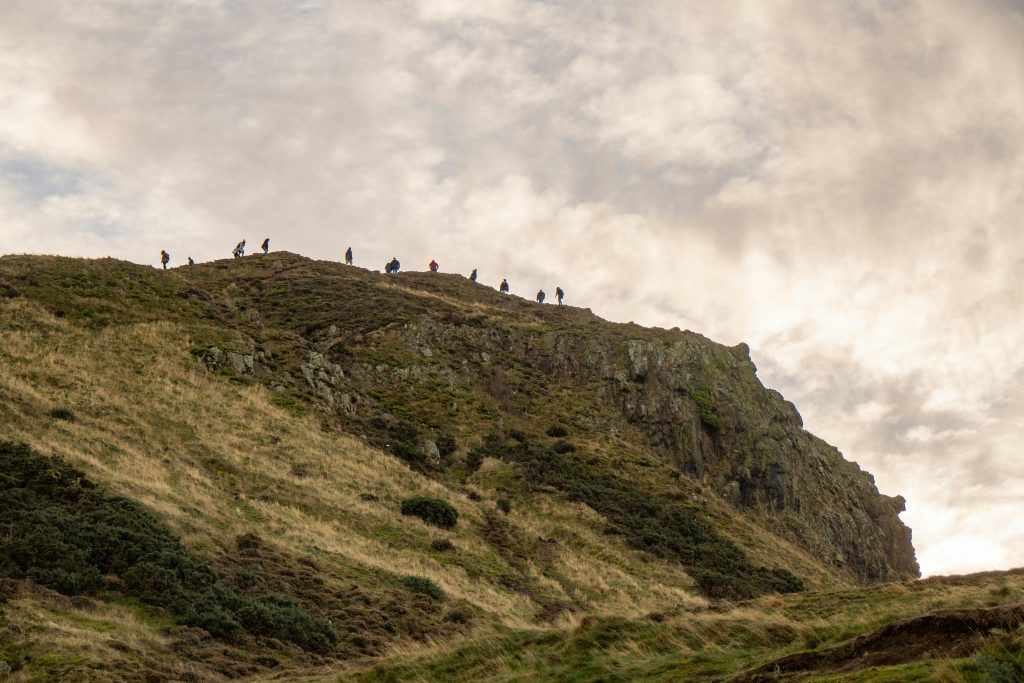
5. Arthur’s Seat in Edinburgh
Arthur’s Seat is a dormant volcano and the highest point in Holyrood Park. This popular hike provides a great way to experience nature without leaving the city.
Trail Snapshot
Difficulty: Easy to Moderate
Distance: 4 km (2.5 mi) loop
Elevation Gain: ~250 m (820 ft)
Start / End: Holyrood Park → Circular routes available
Highlights: Panoramic city views, volcanic landscape, historic setting
Difficulty/Recommended Fitness Level
This hike is easy to moderate and suitable for most fitness levels. The trail is well-marked and fairly short, but it does involve some steep sections once you start to get near the summit.
Distance
The hike is approximately 2.5 miles/4 km round trip, depending on the route you’ve chosen.
Elevation Gain
You’ll experience an elevation gain of around 820 feet/250 meters from the base to the summit.
Start and End Point
The hike can start from several points in Holyrood Park, with one of the most popular starting points being the car park near Holyrood Palace.
The hike ends back at your chosen starting point. You’ll therefore get to make a convenient loop.
Highlights & Landmarks
Summit ruins of the old observatory, sweeping Highland panoramas, and dramatic weather shifts that define the Scottish mountains.
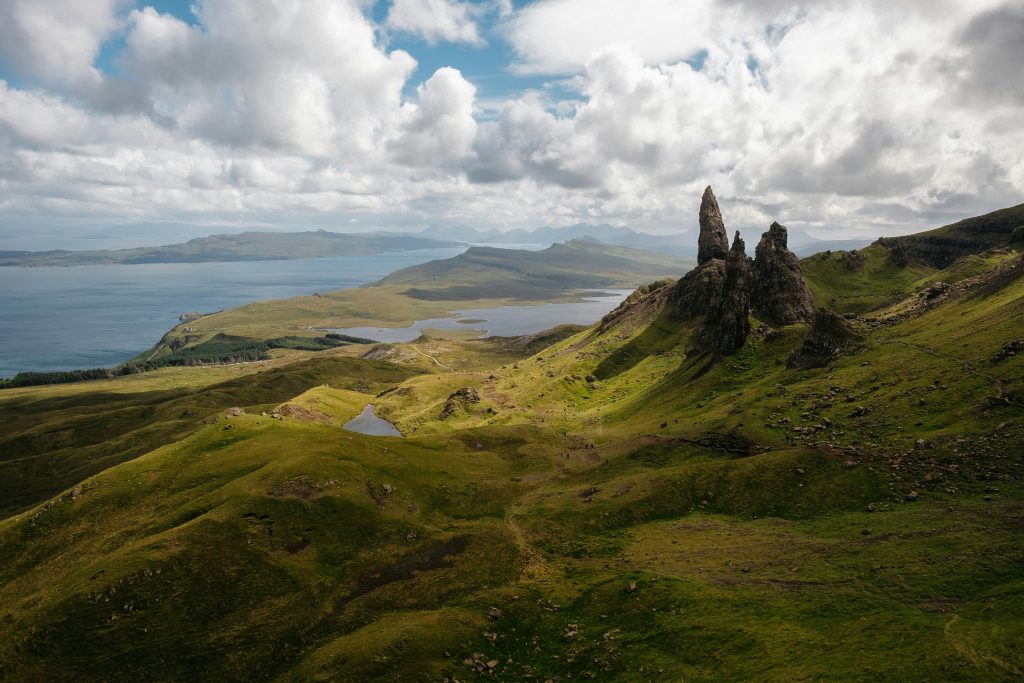
6. The Old Man of Storr on the Isle of Skye
The Old Man of Storr is one of the most iconic landmarks on the Isle of Skye. It is most notable for its dramatic rock formation that rises sharply against the backdrop of rolling hills and the sea.
This hike is a favorite among photographers and nature lovers, and offers stunning views and a surreal landscape that captures the essence of Skye’s rugged beauty.
Trail Snapshot
Difficulty: Moderate
Distance: 4.5 km (2.8 mi) round trip
Elevation Gain: ~350 m (1,150 ft)
Start / End: Old Man of Storr Car Park → Out & back
Highlights: Iconic rock pinnacles, Trotternish Ridge views, dramatic scenery
Difficulty/Recommended Fitness Level
Overall, this hike is of moderate difficulty and is suitable for most hikers who have a reasonable level of fitness. The trail itself is well-marked but includes a steep ascent, especially towards the base of the rock formation.
Distance
The round trip hike to the Old Man of Storr is approximately 2.8 miles/4.5 km.
Elevation Gain
You’ll experience an elevation gain of about 1,150 feet/350 meters as you climb from the car park to the viewpoint.
Start and End Point
The hike begins and ends at the Old Man of Storr car park, which is located just off the A855 road. It’s a short drive from Portree on the Isle of Skye.
Highlights & Landmarks
The Needle, The Table, The Prison, and sweeping views across the Trotternish Ridge.
What to Bring for Hiking in Scotland
Before setting off on any hike in Scotland, you’ll need to be prepared with the right gear and clothing. The weather in Scotland is notoriously unpredictable.
This means you might start your hike under clear blue skies and, literally within less than an hour, you could find yourself caught in a sudden downpour or chilly wind!
Here’s what you’ll want to bring at the bare minimum to ensure you’re ready for all conditions:
- Footwear
- Start with a sturdy pair of hiking boots with good ankle support and a solid grip. Scotland’s trails can range from rocky mountain paths to muddy moorlands and everything in between, so you’ll want to make sure the boots are waterproof a well!
- Clothing
- Begin with a moisture-wicking base layer to keep sweat away from your skin, followed up by an insulating mid-layer like a fleece to provide warmth.
- Finally, you can add a waterproof and windproof outer layer to protect against rain and wind. Even in the summer months, the weather can be unpredictable, so don’t bet on it being warm and sunny no matter what.
🗒️ Free Checklist: “Never forget the essentials — grab your free Ultimate Hiking Packing List.”
- Backpack
- You’ll need a good backpack to carry all your hiking essentials. Make sure it’s comfortable and has enough space for your extra layers, food, water, and any other items you might need on the trail.
- Other Essentials
- Speaking of essentials, always carry a map and compass (and know how to use them), as GPS devices can sometimes fail. Bring a reusable water bottle or hydration system to stay hydrated, and pack high-energy snacks to keep your energy levels up as you walk.
- It’s also wise to carry a first aid kit, a headlamp or flashlight, sunscreen, and a hat for sun protection.
Now without any further ado, let’s move into the best hikes that Scotland has to offer:
Walking Holidays in Scotland
Scotland is exceptionally well suited to walking holidays, offering long-distance trails, flexible access, and landscapes that feel wild yet welcoming.
Routes like the West Highland Way allow hikers to travel village-to-village, staying in inns or guesthouses while experiencing lochs, forests, and mountain passes along the way.
More remote walking holidays can be found in the Highlands and islands, where routes pass through glens, along coastlines, and across open moorland with minimal development.
“From Alps to coastlines, our free Walking Holiday guide helps you plan smarter.”
These journeys reward slower travel and careful planning, often delivering a stronger sense of solitude and connection to the land.
Walking holidays in Scotland work for both first-time and experienced hikers, with routes easily adapted into shorter sections or multi-day itineraries. Public transport links make logistics manageable, even without a car.
Conclusion
In Scotland you can find yourself scrambling up rocky ridges, wandering through ancient forests, or walking along windswept cliffs.
Each trail that we’ve covered here today not only highlights Scotland’s jaw-dropping scenery but also lets you dive into its rich history and vibrant culture.
Where to Next?
- Best Hikes in England
- Ultimate Guide to Hiking in Liechtenstein
- Best Hikes in Northern Ireland
- Best Hikes in Norway
- Best Hikes in Andorra
- Best Hikes in Switzerland