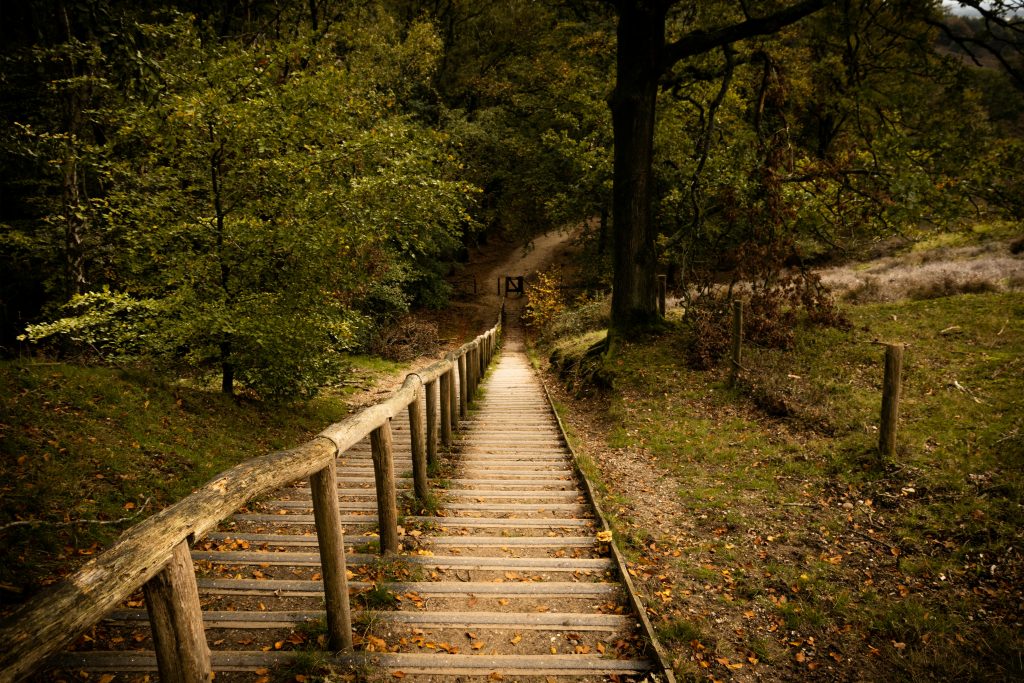
A windswept peninsula, centuries of history, and eight days of walking through one of Ireland’s most captivating landscapes — the Dingle Way is long-distance hiking at its most immersive.
On the southwestern shore of Ireland, you’ll find the Dingle Peninsula, a wildly remote chunk of land that is home to one of Europe’s most well-known long-distance hiking trails, the Dingle Way.
The Dingle Way runs for 111 miles (179 kilometers) in a massive loop around the peninsula, taking you along dramatic coastal cliffs, golden beaches, rich farmland, and a land with an extensive and fascinating cultural history.
Anyone who is trying to blend the beauty of wild nature with the classic charm of the Irish hospitality will find hiking the Dingle Way to be one of the best choices for their next holiday.
Rest stops at longstanding pubs and tours through ancient ruins await anyone ready to throw their boots on and get ready for a beautiful walk.
- A Brief Overview of The Dingle Way
- The Need-to-Know for Hiking The Dingle Way
- Fitness & Training for the Dingle Way
- Planning Your Dingle Way Itinerary
- The Dingle Way: An Eight-Day Hiking Itinerary
- Choosing a Guide for Hiking the Dingle Way
- What to Pack to Hike the Dingle Way
- When to Hike the Dingle Way
- Getting to The Dingle Way
- Recommended Trail Operators on the Dingle Way
- Where to Stay Along The Dingle Way
- FAQs About Hiking the Dingle Way
- Conclusion
- Where to Next?
A Brief Overview of The Dingle Way
Out on the Dingle Way, you’ll find a trail that takes you in a massive loop through lands where Gaelic is still spoken, tourists tend to breeze past, and true Irish culture is still alive and well.
The Dingle Way covers 111 miles (179 kilometers) of Irish countryside and coast, starting and ending in Tralee. While the trail can be completed in less than a week, most people will take around eight days to fully enjoy the immersive experience.

The trail passes through the Slieve Mish Mountains and Mount Brandon, along one of the most beautiful stretches of Ireland’s coast from Dingle to Slea Head, and through historic, charming towns like Dingle and Tralee.
On each day’s walk, ranging from 10 to 18 miles, you’ll find yourself out in the countryside with little access to services until you reach the next village.
Once you arrive, you have an array of different options for staying in rustic and charming B&Bs or some larger hotels in the larger towns of Tralee and Dingle.
This is a trail that you can make your own. It’s the perfect choice for both the experienced hiker looking to take on something new and exciting, or the first-time long-distance trekker who wants a challenge but the comfort of nearby civilization along the way.
Trail Snapshot
Location: Dingle Peninsula, County Kerry, Ireland
Distance: 111 miles (179 km) loop
Typical Duration: 8 days
Start/End Point: Tralee
Difficulty: Moderate
Highest Point: Mount Brandon shoulder crossing
Terrain: Coastal paths, farmland tracks, beaches, mountain passes, quiet country roads
Best Time to Hike: May–September
Accommodation Style: B&Bs, guesthouses, hotels, campsites
Navigation: Excellent waymarking (National Waymarked Trails system)
Luggage Transfer Available: Yes
The Need-to-Know for Hiking The Dingle Way
Before you lace up your boots and commit to the full loop, there are a few practical details that will shape your experience on the Dingle Way.
Knowing what to expect in terms of difficulty, terrain, and weather can make the difference between a challenging adventure and a miserable slog.
Overall Difficulty
Hiking over 100 miles in just over a week is no easy feat, regardless of your skill level. This hike might make parts of long-distance trekking a bit easier, like sleeping in a hotel on some nights, but the hike itself can still be challenging.
The general consensus is that the Dingle Way is considered to be a moderate route. There are a few longer days that coincide with days of trekking along the beach as well as a few climbs along the way.
Certain stretches of the trail, specifically from Feohanagh to Cloghane, add another challenge from the misty shores and potential for heavy clouds that can limit visibility and slow you down.
The weather in Ireland is unpredictable, and that can hinder your pace, as well as put a damper on your overall mood (making any amount of hiking much harder).
“Every hiker starts somewhere — grab your free Hiking for Beginners guide.”
Trail Markers on The Dingle Way
The Dingle Way is a thru-hiker’s dream come true. There are consistent and well-placed trail markers with frequent signposts so it’s quite easy to navigate for those unfamiliar with the area.
The most common trail marker that you’ll find along the way is a wooden signpost with a yellow walking person and an arrow pointing you in the right direction.
These trail symbols are part of the official National Waymarked Trails system, which has worked hard to make Ireland a hiker-friendly country, and their commitment to creating easily followed trails is evident along the Dingle Way, making it one of the best hiking routes in Europe.
You’ll also find additional arrows painted onto rocks or walls in the more remote and rugged sections of the trail. No matter how remote you get, you’ll likely be able to find your way.
Regardless of the trail markers, carrying a map and GPS is always a good idea. You never know when you’ll hit a less-traveled stretch that may have some markers covered up with overgrowth. The best idea is to have your backup, just in case the trail markers are missing or simply hidden.

Terrain of the Dingle Peninsula
Quiet country roads, old farm tracks, sandy beaches, boggy moors, hiking paths through mountain passes, and so much more define the terrain of the Dingle Way.
With such varying terrain, how you prepare for the hike can be incredibly important. For example, your footwear will need to accommodate for rocky paths, as well as soft sand beaches. Many people prefer a stiff and waterproof hiking boot, while others want a trail runner that dries quickly and is much lighter on the foot.
The different terrain can also provide a diverse experience along the way, and this terrain changes drastically with every day, so that the weather can also shift on you.

Weather on the Dingle Way
Overall, the weather on the Dingle Way is totally unpredictable. Ireland is known for its consistent bouts of rain and strong winds, but that’s also what makes the country so incredibly lush with dense green scattered all across the land.
While it will most likely rain while walking the Dingle Way, you might get a few days of sunshine here and there. This is hugely dependent on both luck and the time of year that you choose to go and hike.
Like most other places, hiking in the middle of summer makes it more likely that you’ll catch the sun, and if you’re hiking in the early spring or late fall, the storms may be all you get.

Fitness & Training for the Dingle Way
You don’t need to be an elite athlete to complete the Dingle Way, but you do need consistency in your legs. Walking 10–16 miles day after day is less about speed and more about durability.
The biggest challenge isn’t the mountains — its the pressure on your feet day after day
If you’re new to long-distance hiking, aim to build up to back-to-back long walks before arriving in Ireland. Weekend hikes of 10–12 miles on mixed terrain will prepare your body for the rhythm of the trail.
Adding hill repeats or incline treadmill sessions can mimic sections like Mount Brandon, while strength training focused on glutes, quads, and calves will protect your knees on the descents.
If you want a structured plan, see our articles on;
Planning Your Dingle Way Itinerary
There are a lot of ways to split up your itinerary along the Dingle Way, but it is traditionally split up into eight sections, making a perfect eight-day itinerary to make yours.
The only thing missing in this itinerary that we may recommend is a rest day in Dingle, where you can stop and enjoy all there is to see in town without having to worry about putting in more work to get further down the trail.
If you’re looking for a challenge, there are plenty of ways to split the trail up to make it into a six-day hike as well, but that will also require taking on a few larger days.
This eight-day itinerary is perfect for someone just starting out, looking for a few days with challenging hiking, but not wanting to make it too intense.
The Dingle Way: An Eight-Day Hiking Itinerary
| Section | Average Walking Time | Distance |
| Day One: Tralee to Camp | 4-5 hours | 11.2 miles (18 km) |
| Day Two: Camp to Annascaul | 4-5 hours | 10.6 miles (17 km) |
| Day Three: Annascaul to Dingle | 5-6 hours | 13.7 miles (22 km) |
| Day Four: Dingle to Dunquin | 5-6 hours | 12.4 miles (20 km) |
| Day Five: Dunquin to Feohanagh | 5-6 hours | 12.4 miles (20 km) |
| Day Six: Feohanagh to Cloghane | 6-7 hours | 16.2 miles (26 km) |
| Day Seven: Cloghane to Castlegregory | 5-6 hours | 13.7 miles (22 km) |
| Day Eight: Castlegregory to Tralee | 6-7 hours | 16.8 miles (27 km) |
Day One: Tralee to Camp
Section Snapshot
Distance: 11.2 miles (18 km)
Time: 4–5 hours
Elevation Gain/Loss: +320m / -310m
Difficulty: Moderate (steady opening ascent)
Highlights: Blennerville Windmill, Tralee Bay views, quiet farmland lanes
Your first day on the trail is a fantastic introduction to help get your legs up and moving while still getting some beautiful views of the surrounding countryside.
As soon as you leave Tralee, you’ll take on a gradual ascent that winds through the lush Irish country to get a taste of what hiking the Dingle Way is really about.
Along the way, you’ll pass by the Blennerville Windmill, Ireland’s largest working windmill that sits at 21.3 meters tall. This fully-restored 18th Century windmill is an incredible first stop to get a true feel of Irish culture on the path.
The rest of the hike today gives you beautiful views of Tralee Bay before taking to quiet country lanes surrounded by open farmland. Without much of a challenge today, it’s the perfect start to a nice and pleasant journey ahead.

Day Two: Camp to Annascaul
Section Snapshot
Distance: 10.6 miles (17 km)
Time: 4–5 hours
Elevation Gain/Loss: +340m / -360m
Difficulty: Moderate (first mountain traverse)
Highlights: Slieve Mish Mountains, Inch Strand detour, South Pole Inn
Day two on the trail gives you your first taste of the mountains. Following the small flowing streams and hillsides covered in heather, you climb slowly but steadily to traverse the shoulder of the Slieve Mish mountain range.
At the top, you have expansive views of the Dingle Peninsula, views of what’s ahead on your hike, and on a clear day you can catch a glimpse of the Atlantic.
After the climb, you descend down into the valley where you have the option to take a quick detour to Inch Strand, a wide open and beautiful beach. When you hit the village of Annascaul, you hop into the history of the famous Antarctic explorer Tom Crean.
Here, you can even stay in the South Pole Inn, a small lodging founded by the explorer himself!
While this day is your first challenge with a decent climb at the start, it’s highly rewarding and gives you a great number of views that you’ll have locked in your memory forever.

Day Three: Annascaul to Dingle
Section Snapshot
Distance: 13.7 miles (22 km)
Time: 5–6 hours
Elevation Gain/Loss: +450m / -430m
Difficulty: Moderate
Highlights: Minard Castle ruins, coastal farmland, lively Dingle town
The path toward Dingle is filled with beautiful and quiet country lanes surrounded by farmland, as well as a variety of seaside paths and cultural history.
The ruins of Minard Castle sit perched above a rocky beach with views across the Irish Sea. This is one of three mid 16th Century Fitzgerald castles built out on the Dingle Peninsula that still have some standing structure.
If you enjoy beautiful scenes with a rich story, then spending a morning around this castle is a great move.
From Minard, the path weaves in and out of small villages with gentle hills bringing you up and down.
These small villages give you a great insight into a life that’s lived alongside the land and the sea, before finding yourself in the larger town of Dingle.
Dingle is a vibrant village famous for its pubs, music performances, seafood, and energetic locals that are quick to welcome you to town.
This is a great spot to stop for a night filled with good food, good people, and a good bed to finally get some rest.

Day Four: Dingle to Dunquin
Section Snapshot
Distance: 12.4 miles (20 km)
Time: 5–6 hours
Elevation Gain/Loss: +510m / -520m
Difficulty: Moderate
Highlights: Ventry Beach, Slea Head cliffs, Blasket Islands views
After a nice rest and exploration of Dingle, it’s time to head back out onto the coastal trail where you’ll pass by Ventry Beach.
Here is a great spot to dip your feet in the water for a while or simply spend some time relaxing and getting ready to climb into some more challenging terrain.
This stretch has some of the most dramatic scenery you’ll see while hiking the Dingle Way. As you round Slea Head, you get a view of the Blasket Islands scattered all across the sea. On a clear day, you can take it all in and enjoy the views without anything in your way.
The quiet hamlet of Dunquin has deep ties to the Blasket heritage and you truly get a full taste of that as soon as you step foot inside the village’s borders.
This whole section feels like a walk through stunning scenery with dramatic cliffs and into history with the Blasket Centre being the perfect spot in Dunquin to learn all about it.

Day Five: Dunquin to Feohanagh
Section Snapshot
Distance: 12.4 miles (20 km)
Time: 5–6 hours
Elevation Gain/Loss: +370m / -390m
Difficulty: Moderate
Highlights: Coumeenole Beach, beehive huts, famine cottages, wild moorland
Today’s hike puts the raw beauty of Western Ireland on full display. The cliffs and oceans are right beside you as you walk narrow country roads and grassy paths through farm and open moorland.
Alongside today’s route you’ll stumble across Coumeenole Beach, a small but dramatic beach that is home to cultural markers like ancient beehive huts and famine cottages. It’s a very peaceful walk with natural splendor and Irish history all along the way.
When you get into Feohanagh, you’ll get a quick taste of what it’s like to live a rural life on the edge of the world in this small and spread out Irish settlement.
Day Six: Feohanagh to Cloghane
Section Snapshot
Distance: 16.2 miles (26 km)
Time: 6–7 hours
Elevation Gain/Loss: +600m / -650m
Difficulty: Challenging
Highlights: Mount Brandon shoulder crossing, pilgrimage paths, sweeping peninsula views
Section six of the Dingle Way is regarded to be the most challenging, yet the most rewarding section of the entire trail. This stretch leads you up and over the shoulder of Mount Brandon, the highest peak of the Dingle Peninsula. While the view at the top is breathtaking, it’s a steady climb to get there.
The Dingle Way follows ancient pilgrimage routes and high moorlands that you will often find to be entirely shrouded in mist. On a clear day, the views are absolutely stunning. The summit saddle sits at a perfect location for you to see across the peninsula and far beyond.
After you spend some time taking it all in, the trail descends toward Brandon Bay where you’ll find Cloghane, a quiet and peaceful village at the foot of the mountains with great options for you to take a night’s rest.
Day Seven: Cloghane to Castlegregory
Section Snapshot
Distance: 13.7 miles (22 km)
Time: 5–6 hours
Elevation Gain/Loss: +100m / -110m
Difficulty: Easy to Moderate
Highlights: Brandon Bay beaches, boardwalks, relaxed coastal walking
After a long and challenging day on the trail, day seven gives you the chance to get a bit of a break. This section of trail is relatively flat and follows roads and boardwalks along Brandon Bay. There are long stretches of sandy beaches for you to trek along and let your mind and body rest.
The beach will have its occasional kite surfer and plenty of seagulls, but for the most part you are alone with the rhythm of the waves.
The walk to Castlegregory is just as calm as the village itself. There’s great food to be had and plenty of interesting folk that come down to enjoy the small surf town vibe that it has.
Day Eight: Castlegregory to Tralee
Section Snapshot
Distance: 16.8 miles (27 km)
Time: 6–7 hours
Elevation Gain/Loss: +200m / -230m
Difficulty: Moderate (long but gentle)
Highlights: Tralee Bay views, farmland tracks, satisfying finish
The final day on the trail is a long one, but the hike itself is quite easygoing. There’s a lot of space for you to reflect on your last week of hiking and prepare yourself to get off the trail.
Along the trail you’ll have views of Tralee Bay up ahead of you and some more farmland and quiet tracks to walk your way back to where you started.
The sense of completion that comes along with stepping back into Tralee is one that you’ve worked hard to deserve and a night out in Tralee will be the perfect way to celebrate how far your own feet have just taken you!
Choosing a Guide for Hiking the Dingle Way
Regardless of if you choose to take the trail alone or with a guide, you can get a lot from walking the Dingle Way. Deciding what the best way of tackling the trek is depends on both your experience level and how challenging you want the hike to be.
If you’re comfortable with navigation and all of the logistics, hiking the Dingle Way is relatively easy, even for beginners.
If you’re not wanting to take on any of the “fluff” of a long distance hiking trail in Ireland, then you could definitely consider hiring a guide to take you along the way.
Guides will help out with giving you local insight, baggage transfers, and support along the route. This can give a lot of hikers a stress and worry-free journey.
If you’re choosing to take care of everything on your own, getting your itinerary and packing list set in stone will be the key to a successful trek.
“From Alps to coastlines, our free Walking Holiday guide helps you plan smarter.”
What to Pack to Hike the Dingle Way
Packing a light bag that still has all you may need in it is a tricky puzzle to crack. Weather along the Dingle Peninsula can shift without any notice at all, and you need to be ready for that.
We’ve put together a list of important things to be sure you pack, but there still may be more that can fit your own personal needs.
Layers
Ireland’s weather is famous for its unpredictability. One moment it may be sunny and calm, the next you’ll find yourself covered in mist or in a torrential rainstorm.
For that reason alone, packing additional layers is key to keeping yourself warm, dry, and happy while hiking the Dingle Way.
A good layering system includes a breathable base layer, an insulating mid-layer, and a waterproof outer shell. This helps you adjust the layers as you need them, and leaves space for adding or removing additional items.
No matter what, keep a dry set of clothes with you in a waterproof bag. Wet clothes have a way of quickly ruining what was once a happy and fun trek.

Hiking Shoes
The hiking shoes you choose for walking the Dingle Way will depend on your own personal preference. Some people like the sturdiness and waterproof materials that are used in hiking boots, while others prefer the lightweight and breathability of trail runners.
Both of these are great options, you just need to know what you’re going to benefit from the most.
For the Dingle Way in particular, waterproof shoes may be a good idea because of the amount of rain that Ireland tends to throw your way.
Wet feet can quickly become a danger to your health when you’re on day six of a long-distance trek.

Sleeping Gear
If you plan to camp, a lightweight tent, sleeping bag, and sleeping pad will be necessary. If you’re sleeping in villages along the way, then you may not need to pack anything additional, but you may prefer to bring along a pair of earplugs to ensure there’s no singing pub that keeps you awake into the wee hours of the morning.

Map and GPS
While the Dingle Way is incredibly well-marked, you still want to bring along a map or a GPS in order to ensure that you don’t get lost. The remote sections of the trail, combined with the potential for thick and heavy fog that can make getting lost off the trail possible for even the most experienced hiker.

First-Aid Kit
A simple first-aid kit that includes plasters, painkillers, antiseptics, and some blister pads will go a long way on the Dingle Way. Although you may be going through villages quite frequently, you’ll likely find yourself needing a bandage when you’re in the most remote section of the trail.

Snacks and Water
In the villages you can pack yourself full of rich Irish food, but along the trail, you’ll want to have a stockpile of snacks that can refuel you when you’re in the middle of a long climb.
Water sources are generally available frequently along the trail, but it’s a good idea to bring purification tablets for remote areas just in case you need them.
🗒️ Free Checklist: “Never forget the essentials — grab your free Ultimate Hiking Packing List.”
Cash
Larger towns like Dingle and Tralee will certainly accept cards, but some of the small villages may prefer cash. You won’t need to carry much, but enough Euros to cover daily expenses at a few villages will save you when you might not be able to charge it to a credit card.

When to Hike the Dingle Way
May through September are the best months to hike the Dingle Way. You get longer days and typically drier weather, which means less slogging through deep mud on the trails.
May and June are less crowded than later on in the summer, but the trail doesn’t get too busy anyways.
What you want to consider is that with more tourists out on the Dingle Peninsula in July and August, you may need to book your accommodations even earlier.
In months like May and September, you can likely find a room when you hike into town, but you risk getting a bit more rain while trekking.
Late May through early September offers the best balance of long daylight hours and manageable weather — but always pack for rain, no matter what the forecast says.
Getting to The Dingle Way
Most hikers will start in Tralee, where you can easily get to from Dublin, Cork, and Shannon with a train or a bus. Inside Tralee there are trail markers all around that will lead you out of town onto the Dingle Way. If you ever need to skip a section, you can utilize the public bus services to go from village to village.
Irish Rail (Iarnród Éireann)
Train services to Tralee
https://www.irishrail.ie
Bus Éireann
National and regional bus services
https://www.buseireann.ie
TFI Local Link Kerry
Rural bus connections between villages
https://www.locallinkkerry.ie
Recommended Trail Operators on the Dingle Way
Hilltoptreks
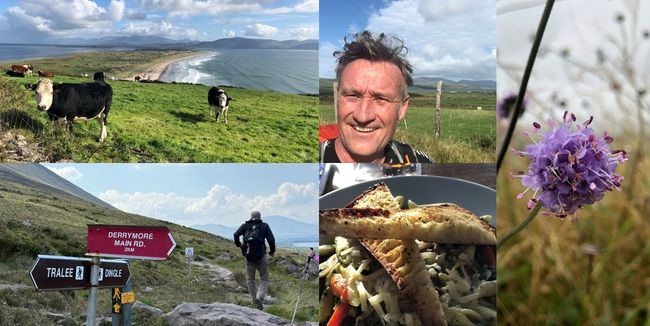
Hilltoptreks is an Irish adventure travel company specialising in guided and self-guided walking holidays, hiking tours, and sightseeing experiences throughout Ireland. Their self-guided walks allow travellers to explore renowned trails such as the Wicklow Way, Dingle Way, and Kerry Way at their own pace, with accommodation, luggage transfers, route notes, and local support arranged. With over two decades of experience, Hilltoptreks helps visitors discover Ireland’s landscapes, heritage, and culture through carefully designed walking itineraries.
The Dingle Way is one of Ireland’s most scenic long-distance walking trails, circling the spectacular Dingle Peninsula with stunning coastal views, mountain landscapes, and rich cultural heritage. Hilltoptreks provides accommodation bookings, luggage transfers, detailed route notes, and local support, allowing walkers to enjoy the trail with confidence and flexibility.
Where to Stay Along The Dingle Way
In the villages along the trail you’ll find loads of cozy B&Bs, as well as hostels, guesthouses, and campsites. The options are many, but you may want to book your accommodation ahead of time if you are hiking in the summer when more tourists are competing for a room.
Many of the towns are used to having hikers pass through and have warm meals, laundry services, and even bag transfers on offer for anyone that’s walking the Dingle Way.
Wild camping on the Dingle Way is possible, so long as you follow some of the more accepted “guidelines”. It is a practice that’s generally tolerated, but you need to be respectful and discreet while leaving absolutely no trace behind.
The best places to wild camp are in the more remote sections of the trail away from villages and any historical sites. The best practice is to ask landowners before even setting your tent up.
FAQs About Hiking the Dingle Way
How long does it take to hike the Dingle Way?
Most hikers complete the full 111-mile (179 km) loop in 8–9 days. Strong, experienced walkers can finish in 6–7 days, but eight days allows you to enjoy the scenery without rushing.
How long is the Dingle Way?
The Dingle Way is approximately 111 miles (179 kilometers) long, forming a loop around the Dingle Peninsula starting and ending in Tralee.
Is the Dingle Way hard?
The trail is generally considered moderate. Most days range from 10–16 miles with one more demanding mountain crossing over Mount Brandon. With reasonable fitness and preparation, it’s achievable for beginners attempting their first long-distance hike.
What is the hardest section of the Dingle Way?
The stretch from Feohanagh to Cloghane is widely regarded as the toughest. It crosses the shoulder of Mount Brandon and can feel exposed in poor weather, especially if visibility drops.
Do I need a guide to hike the Dingle Way?
No. The trail is well-marked and suitable for self-guided walkers. Many hikers arrange luggage transfer services instead of hiring a guide, making the experience lighter and more flexible.
How much does it cost to hike the Dingle Way?
Costs vary depending on accommodation style. Expect roughly:
- €40–€60 per night for B&Bs or hostels
- €80–€150+ for private guesthouses or hotels
- €20–€40 per day for food
Budget walkers can complete the trail for around €600–€900 over eight days, while more comfortable trips can exceed €1,200.
Where does the Dingle Way start?
The official starting point is in Tralee, near the Tourist Information Office. The loop begins and ends here.
Which is better: Kerry Way or Dingle Way?
It depends on what you’re looking for. The Kerry Way is longer and generally more mountainous. The Dingle Way offers a more coastal experience with frequent village stops and cultural immersion. If you prefer dramatic sea cliffs and a slightly more relaxed pace, the Dingle Way is often the better choice.
Can you wild camp on the Dingle Way?
Wild camping is tolerated if done discreetly and respectfully. Avoid farmland and historical sites, ask landowners when possible, and leave absolutely no trace behind.
Are there many road-walking sections?
Yes. Several stages include stretches along quiet country roads. Traffic is usually minimal, but comfortable footwear and awareness are important.
Conclusion
Hiking the Dingle Way is an adventure that takes both beginner and experienced hikers through Ireland’s rugged western coast where they get to experience ancient pilgrimage routes, wind-swept cliffs, and rich cultural history all on one path.
If you’re looking for a trek that can give you more than just a set of tired legs at the end of the day, check out the Dingle Way, and get ready to swap stories over a pint at the pub when you finish up back in Tralee. This truly is one of the best hidden hiking gems Ireland has to offer!
Where to Next?
Finished circling the Dingle Peninsula? Ireland — and the rest of Europe — has plenty more waiting.
Stay in Ireland
- Dublin: A City Guide for Hikers – History, coastal walks, and pub culture rolled into one lively capital.
- Ultimate Guide to Hiking in Ireland
- Best Hikes in Ireland
Wider European Inspiration
- Ultimate Guide to Hiking in Scotland
- Best Hikes in Northern Ireland
- Hiking the West Highland Way
- Ultimate Guide to Hiking in Norway