

The Camino de Santiago is one of the most popular journeys taken by those on a pilgrimage rich with culture, history, and personal transformation.
Every year hundreds of people embark on a journey along one of the many routes leading to Santiago de Compostela in Spain, where the remains of apostle St. James are said to rest.
The Camino de Santiago, or the “Way of St. James,” is often mistaken as a singular trail, but in reality there are over two hundred different routes that range anywhere from a short weekend trek to a massive cross-country journey.
The multitude of options makes choosing the right Camino difficult, but also allows for you to personalize your own trek. This guide is an overview into how you can find the right Camino that fits your time, ability, and desire for epic adventures.
Why the Camino de Santiago?
In 2024, 446,000 people registered themselves arriving at Santiago. Nearly half a million people walk one of these Caminos each and every year, which shows just exactly how popular and widespread the knowledge of these routes is.
The Camino de Santiago is one of the oldest pilgrimage routes in all of Europe, dating back over 1,200 years. It all began with the discovery of the tomb of St. James back in the 9th century. Since then, people have been setting off and the list of reasons seems to grow every time you talk to someone different.
Walking the Caminos connects you to tradition, churches, Roman bridges, and medieval villages along the way. But it can be more than that as well.
Walking also serves as a form of spiritual transformation for many hikers who are seeking clarity, healing, and self-discovery. The rhythm of daily walking, combined with the intense history of these Caminos leads up to a plethora of moments for reflection and growth.
The various Caminos out there make for a high level of accessibility as there is always a trail for anyone. For those who want to challenge themselves, you can tackle a longer, more mountainous route.
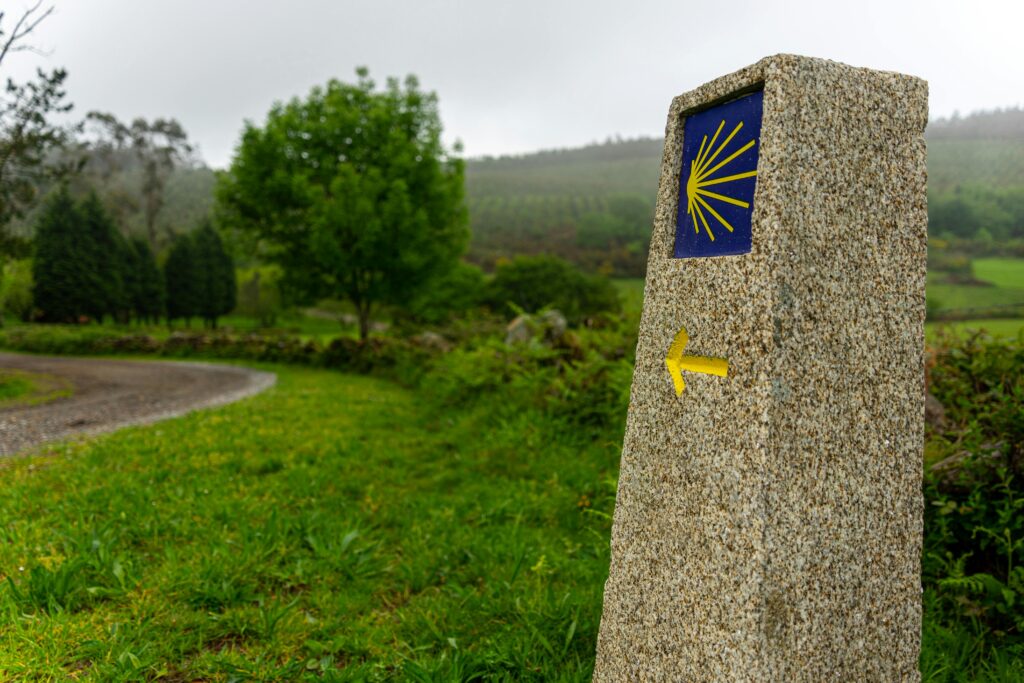
For those who want a short weekend away, there’s a Camino for that as well. The trails are well marked with yellow arrows and infamous scallop shells marking the way.
To add on top of it all, there are plenty of affordable accommodation options inside of the pilgrim hostels (or albergues), frequent town stops to resupply, a camaraderie of pilgrims coming from all around the world, and a set of diverse landscapes and culture ready to be explored.
There truly is a Camino for everyone, it’s just about figuring out which one to start with.
Camino Network Snapshot
Total Routes: 200+
Major Routes: 7 core
Countries: Spain, Portugal, France
Typical Duration: 5 days – 5+ weeks
Most Popular Route: Camino Francés
Best Months: April–June, September–October
Accommodation: Albergues + guesthouses
Waymarking: Yellow arrows & scallop shells
The Variety of the Camino Network
The Camino network weaves through several countries as there are over two hundred recognized routes that all take you to the same place. While it’s hard to say exactly due to who you’re asking about which routes are legit, there’s tens of thousands of kilometers of trail that are undisputed, with even more that are recognized by some, but not all.
Some of the Camino routes are historic medieval roads, some are modern additions, and some are a combination of all road and path types. Routes weave in and out of smaller towns as villages, as well as large cities. If you want a quiet and solitary trek, or a bustling social journey, you can find a Camino that ticks all of the boxes with ease.
Choosing Your Camino
Alright, so let’s get into how you can begin to filter and sort through these 200+ routes that you have to choose from. There are a few easy ways to do this, but for people looking for the right fit, it’s important to pay attention to all the factors.
It can be simple to say that you’ll choose the Camino Francés because 60% of hikers choose that route, so it must be perfect! Let’s look at exactly what you need to know to choose the one that’s perfect for you, not everyone else.
“Every hiker starts somewhere — grab your free Hiking for Beginners guide.”
Time
The first and easiest way to trim down the list is to ask yourself how much time do you have available, and how much time do you want to spend on the route. Do you have five days, or do you have five weeks?
Maybe you have five weeks, but you want to see how many Caminos you can fit into that time frame, rather than spending it all on one path.
Make a quick decision on how long you want to spend on a single trail. From there, you can easily sift through the trails that will fit your availability, but still have plenty of routes to choose from.

Season and Weather
It’s important to think not only about how much time you have, but what time you have. If you’re a schoolteacher looking to use your summer holiday, it’s important to note how hot it can get in the central inland plains, while in the shoulder seasons and winter, the coast can bring a torrential amount of rain.
Thanks to the diverse landscape that the Caminos cross, you can always find a trail that will have decent weather for most of the trek, but you need to time it perfectly!
Fitness Level and Experience
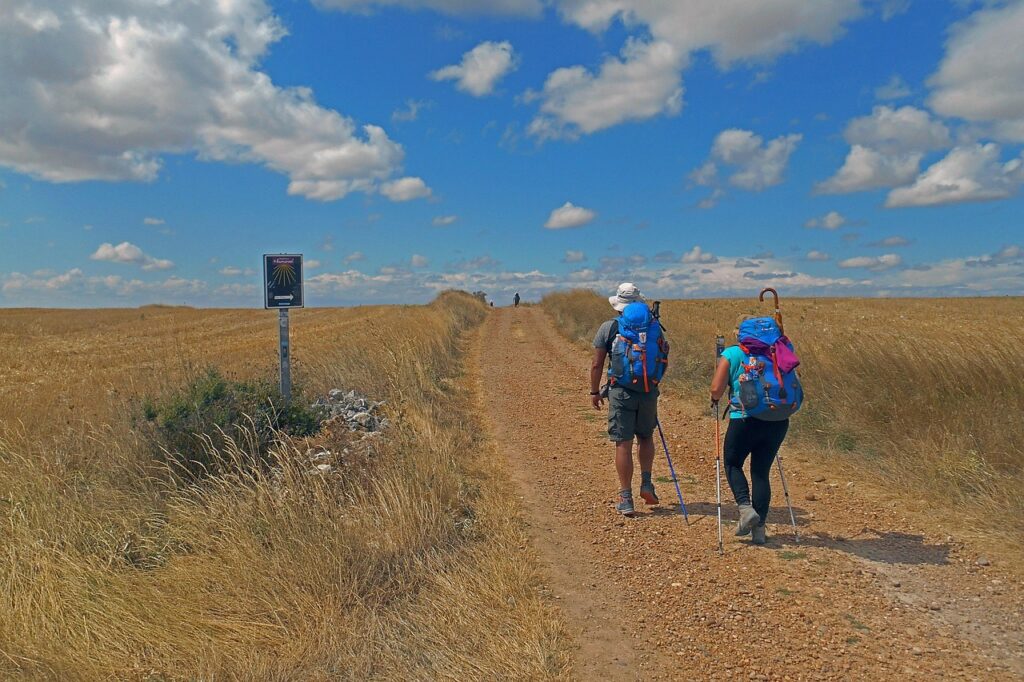
Some of these routes are flat and more forgiving than others. Some take you through rugged mountainous terrain that may not be for the beginner hiker to take on without a significant level of training.
The Camino Primitivo is one of the shorter treks at 310 kilometers but has a massive amount of elevation change that make up some of the most physically demanding sections of all the Caminos. The weather itself can make a shorter trek into a challenging test for even the most experienced hiker.
Be honest with yourself and choose a route that might challenge you, but won’t leave you stuck high on a mountain peak with help a long way away. How much time have you spent in rugged mountains with unpredictable weather?
When things get really tough, will you be ready for anything, or should you start to work your way up to the more extreme side of long distance trekking?

Scenery
Here’s a nice filter option that lets you choose routes based on pure preference for your day to day enjoyment. What kind of scenery do you want to have surrounding you day in and day out?
Do you want to be alongside the beach with your toes dipping in the water every so often, or do you prefer to climb up high and be amongst the mountains?
There’s such a variety in the scenery and landscape that the Caminos pass through, that you can have almost anything.
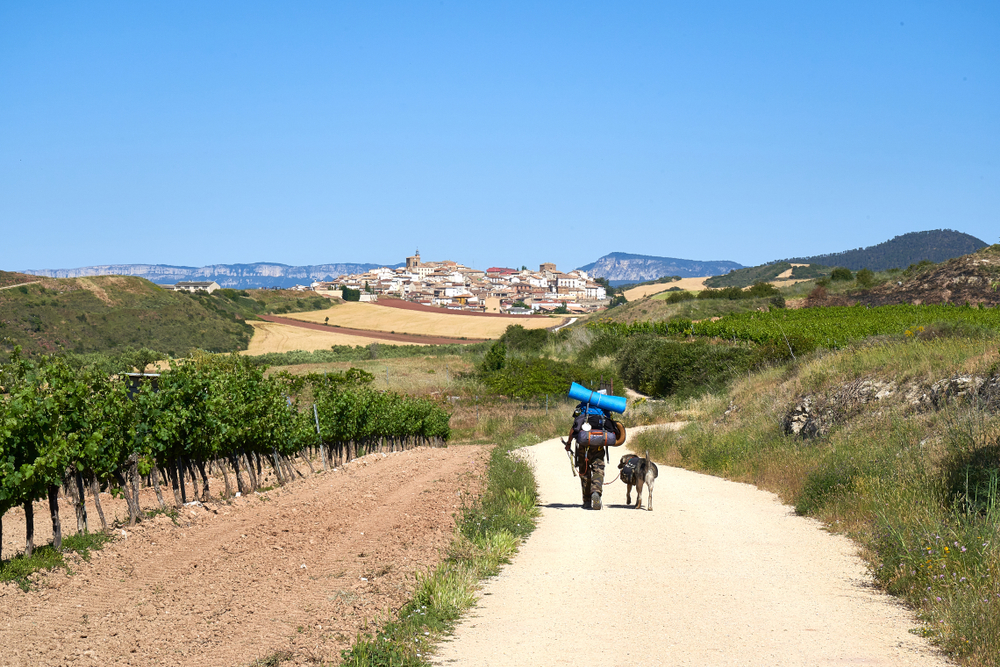
There are routes that can build up to be a tour of vineyards, ones that pass through medieval villages, and those which weave in and out of ancient dense and wild forests.
Solitude or Social Hiking
Some people hike to get away from the busyness of everyday life, while others are heading out to try and find some company. Which one are you on this specific trip?
Many routes will put you right alongside hundreds of other travelers that can share stories and drinks at the end of a long day walking. Other routes will give you the peace and quiet needed for solitary reflection and some much-needed time with yourself.
Accommodation and Facilities
Many popular routes are full of options for hostels, cafes, resupply points, and other services you may be looking for along the way.
Many other routes lack the tourism scene that brings in a lot of these businesses, and thus you have to sacrifice a bit of the comfort that comes along with trekking the more popular paths. If you’re looking for comfort, there’s a lot of choice for that.
If you want to be more self-sufficient, you can throw yourself straight into the wild just as easily.
“Turn your dream trek into a plan — get your free Plan Your Own European Walking Holiday ebook ”
Seven of the Most Popular Camino Routes
From the 200+ routes that you can choose from, we’ve hand-picked seven that come up the most often as being the most popular for one reason or another. These can highlight one aspect of the hike when you’re looking for a certain thing.
It’s important to note that, while these are some of the most notable and most popular, many of the other Caminos still offer a wide array of cultural variety, great scenery, beginner-friendly paths, and more. Here are just seven of the hundreds that are all worth exploring at some point in your trekking life!
Best for Beginners: Camino Francés (The French Way)
Camino Francés Snapshot
Route: St. Jean Pied de Port to Santiago de Compostela
Length: ~780 kilometers
Who it’s for: First-time long-distance hikers, or anyone wanting easy access to support
Difficulty: Moderate
By far the most iconic of the Camino routes, the Camino de Francés is the trail that most people have in mind when they are talking more widely about the Camino de Santiago. This Camino starts in the stunning, small French town of St. Jean Pied de Port and travels all the way to Santiago across nearly 780 kilometers of path.
This Camino can take pilgrims up to a month to complete, but many choose to complete it in stages or set out just to take on the final 100 kilometers from Sarria. This final stretch is the minimum required to earn yourself a Compostela certificate, if that is on your bucket list!
This route’s popularity is due to the unique blend of history, culture, and easy access that the trail offers. It passes through four distinct regions of Spain that highlight the diversity of the country with unique landscapes and foods.
If the camaraderie and structured stage-by-stage rhythm of the Francés appeals to you, iconic long-distance hikes like the West Highland Way or The Cotswolds Way offer a comparable mix of scenery, culture, and community.
People also choose this route for when they want to build a community of people along their journey. Since so many people are hiking the Camino de Francés, it’s easy to find hiking partners and form lasting friendships with those who were just recently total strangers.
The Camino Francés offers the total package. If you’re only hiking one Camino and want to experience as much as possible, setting your route and jetting off to St. Jean Pied de Port is a great choice to get it all.
Best for Cultural Variety: Camino Portugués (The Portuguése Way)
Camino Portugués Snapshot
Route: Lisbon or Porto to Santiago de Compostela
Length: 620 km from Lisbon; 240 km from Porto; 270 km along Coastal Route from Porto
Who it’s for: Hikers wanting to experience a mix of history, culture, and easy walking
Difficulty: Easy to moderate
The Camino Portugués is the second most popular Camino route for plenty of reasons. First off, you get choices. You can choose to hike the whole route from Lisbon (~620 kilometers), or head off from further north in Porto.
From Porto, you can choose between the Central and the Coastal route (240 km and 270 km respectively). Second, no matter the route you choose, you end up immersed in a diverse array of cultures across the Portuguése landscape that will take your breath away.
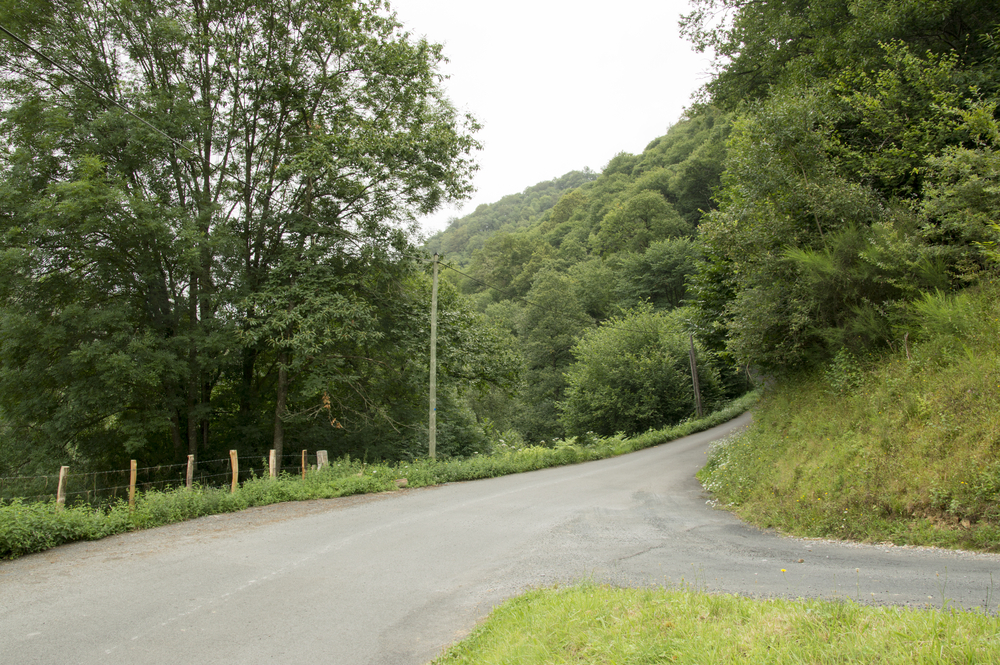
Starting your trek in Portugal offers the opportunity to experience less crowded paths with a unique culture to be found along the way. Stone churches, Roman roads, and traditional villages define the path after leaving historic Lisbon and the UNESCO-listed old town of Porto.
If long days along the ocean appeal to you, other European coastal treks like the Rota Vicentina or sections of the South West Coast Path offer that same rhythm of sea air, fishing villages, and horizon views.
These are sprinkled across a gentle landscape with fewer high mountain passes, which makes it highly accessible for most walkers.
The Camino Portugués has a strong infrastructure, although it is significantly less crowded than the Camino Francés. You’ll meet fewer travelers, but still be able to form a strong camaraderie with those that you do meet.
The only thing you need to choose between is the ocean views and fresh seafood of the Coastal Route and the historical inland towns of the Central Route.
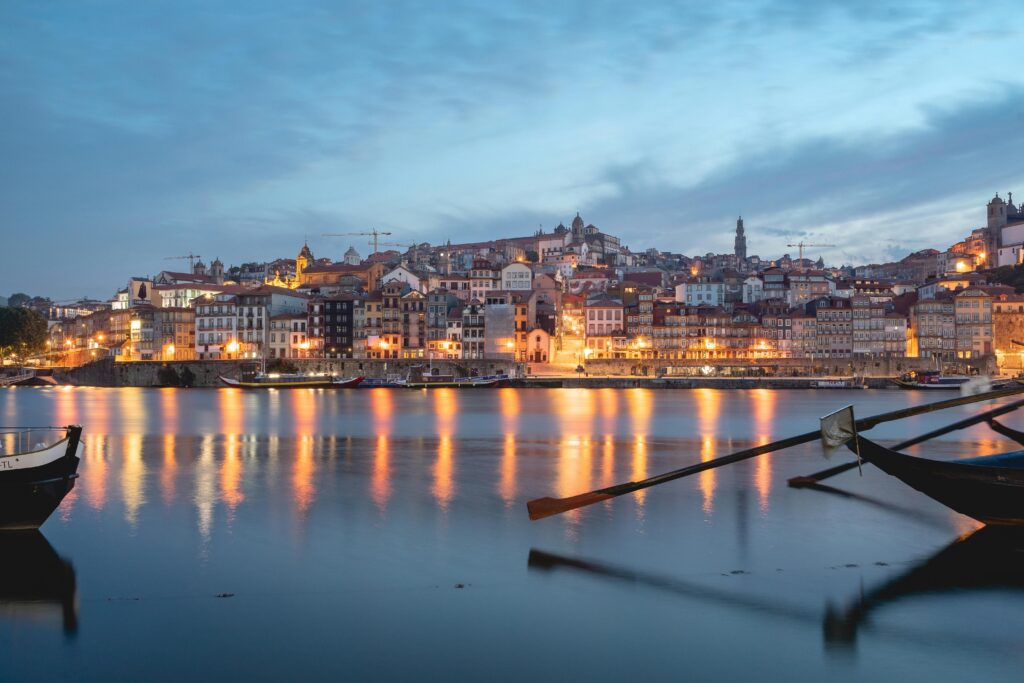
Best for Coastal Scenery: Camino del Norte (Northern Way)
Camino del Norte Snapshot
Route: Irún to Santiago de Compostela
Length: 820 kilometers
Who it’s for: Anyone seeking out breathtaking coastal scenery along a physically demanding path
Difficulty: Moderate to Hard
If you’re on the hunt for views that will make you consistently feel as if you’re immersed in a “Best Of” landscape feature, the Camino del Norte will provide.
Starting near the French border, the path hugs the northern coastline of Spain for more than 800 kilometers until you cut inland to make the final stretch to Santiago de Compostela.
In the past, southern territories were Meseta and Muslim-occupied, which forced medieval pilgrims to tackle the more challenging northern route.
Each region; Basque country, Cantabria, Asturias, and Galicia, gives pilgrims a unique experience of language, culture, and food. The path moves through both large historic cities and small fishing villages scattered along the coastline.
This route is no walk in the park, and needs to be considered strongly before you embark on your journey. There are constant ups and downs along the coast, and a determined mindset paired with strong legs and lungs will be necessary to make it to Santiago.
This landscape offers solitude and adventure to those looking for something different than the traditional Camino.
Most Challenging: Camino Primitivo (Original Way)
Camino Primitivo Snapshot
Route: Oviedo to Santiago de Compostela
Length: 310 kilometers
Who it’s for: Experienced hikers seeking solitude and challenge
Difficulty: Hard
The oldest of all the Camino routes to Santiago, the Camino Primitivo dates back to the 9th century when King Alfonso II of Asturias first made the trek from Oviedo to the burial site of St. James.
While it’s a shorter distance than its companions, the mountainous terrain it passes through makes it one of, if not the, most challenging Caminos.
Steep ascents and descents through the Cantabrian Mountains, winding paths through remote valleys, and dark treks through quiet forests define this route, proving to be a true adventure for any pilgrims who choose it.
If you’re drawn to steeper climbs and more rugged terrain, demanding mountain routes like the GR20 in Corsica or the Tour du Mont Blanc deliver a similar sense of physical challenge and alpine immersion.
The route eventually joins the Camino Francés near Melide to make the final last stretch, which is where you will experience your first feeling of having companions along the way.
This Camino is built around the idea of authenticity and solitude, leading to an experience that is more about reflection and immersion in nature.
Misty mountains, lush valleys, and traditional villages create a landscape unlike any other, but you have to work hard to get there.
If you’re looking to challenge yourself and are ready to climb all day long, the Camino Primitivo will give the truest feeling for the origins of all the Caminos.
Best for Its History: Via de la Plata (Silver Way)
Via de la Plata Snapshot
Route: Seville to Santiago de Compostela
Length: 1,000 kilometers
Who it’s for: Long-distance trekkers who love history
Difficulty: Moderate
The Silver Way is the longest of all the major Camino routes, coming in at over 1,000 kilometers. The route travels all the way from Andalusia, starting in Seville, to Santiago de Compostela.
The ancient Roman road Via de la Plata, was once a trade and military route, but today serves as the foundation for this Camino. The history that exists along this route is vast, and you are likely to get sidetracked by historic landmarks as frequently as you’ll be immersed in beautiful scenery.
The route itself is quite solitary due to its length, and this offers the opportunity for deep introspection. The landscape ranges from the Andalusian plains (which become blazing hot in the summer), to Extremadura’s cork forests that offer some cool shady relief in the hottest of days.
If walking in the footsteps of history is what draws you in, extended heritage routes such as the Via Francigena in Italy carry that same blend of culture, architecture, and centuries-old storytelling.
There is a much smaller crowd that travels this path, which means less infrastructure, so the distance between albergues and towns can be long.
Due to the length and remoteness, this Camino attracts experienced and determined long-distance hikers who are ready for the marathon that this trail can be.
It’s best to attempt this trail in the spring or autumn if you are hoping to avoid extreme heat, but still immerse in the rich history found along the way.
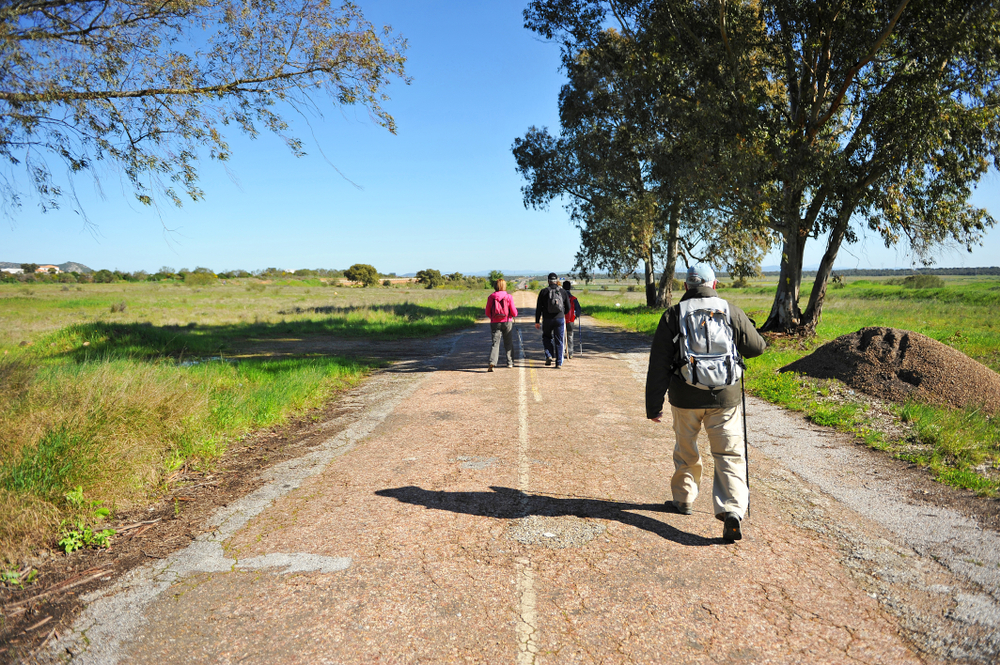
Best for A Quick Hike: Camino Inglés (English Way)
Camino Inglés Trail Snapshot
Route: Ferrol/A Coruña to Santiago de Compostela
Length: 110 km from Ferrol / 75 km from A Coruña
Who it’s for: Beginners or those on a time crunch
Difficulty: Easy
The Camino Inglés took its name from the boatloads of medieval pilgrims arriving from the British Isles to continue their journey on foot to reach Santiago.
It now serves as one of the shortest and most accessible Camino routes so you can still experience the Camino in under a week. The only thing to note is that those who start from A Coruña will not be eligible for the certificate, as it is under 100 kilometers.
Even over a short distance, this route still offers a lot of lush countryside, fishing villages, and Celtic heritage that embodies a lot of the various Camino routes.
There are medieval churches, historic sites, and plenty of cultural depth all packed into a small path. This Camino is set up for the beginner who wants support to be available, as there are plenty of services along the way and well-marked trails to guide you.
Best Camino Extension: Camino Finisterre and Muxía
Camino Finisterre Snapshot
Route: Santiago de Compostela to Finisterre (or Muxía)
Length: 90 km to Finisterre / 120 km including Muxía
Who it’s for: Those who want just a little more, or those who want to hike to the end of the world
Difficulty: Easy
Sometimes you finish something, and just aren’t fully ready to be done. When they get to Santiago de Compostela, many pilgrims are left without the closure necessary to put a bow on the entire experience.
This short extension is a great addition for anyone that’s wanting to get just a bit more to make it to “the end of the earth” at Cape Finisterre. Here, the Atlantic Ocean butts up against rugged cliffs and carries a strong sense of symbolism for many hikers.
Some hikers will continue even further, an additional 30 kilometers to reach Muxía. Here, it’s said that the Virgin Mary appeared to encourage St. James along his way. Both of these end points are rich with dramatic seascapes and deliciously fresh seafood.
When you want to unwind from a long walk, sometimes the best thing to do is to just walk a bit more.
The Seven Routes Side-by-Side
There are so many different ways to figure out what Camino to hike, but in reality you need to see them all side by side and know what it is you are looking for. This is the greatest part of the journey, knowing that you’ll eventually find the Camino that ticks all the boxes and can even seem like the path was mapped out just for you.
| Route | Length | Difficulty | Popularity | Highlights |
| Camino Francés | 780 km | Moderate | High | High level of camaraderie, a taste of everything |
| Camino Portugués | 620 km from Lisbon, 240 km via Central Route from Porto, 270 km via Coastal Route | Easy to Moderate | Medium High | Options, loads of unique culture |
| Camino del Norte | 820 km | Moderately Hard | Medium | Dramatic and rugged coastline |
| Camino Primitivo | 310 km | Hard | Medium Low | Difficult, but solitary walking |
| Via de la Plata | 1,000 km | Moderately Hard | Medium Low | Long and rich with history |
| Camino Inglés | 110 km from Ferrol, 75 km from A Coruña | Easy | Medium | Short yet meaningful Camino |
| Camino Finisterre / Muxía | 90 km to Finisterre, 120 km to Muxía | Easy | Medium | Hiking to the end of the earth |
Common Mistakes When Choosing a Camino
Choosing a Camino isn’t about picking the most famous route — it’s about choosing the one that fits your time, fitness, expectations, and travel style. Many pilgrims look back and say they would have chosen differently if they’d known what to consider upfront.
Here are the most common mistakes to avoid before you commit.
Choosing the Most Popular Route Without Question
The Camino Francés is the most walked route for a reason — it’s social, well-supported, and full of history. But that doesn’t automatically make it the right choice for you. If you’re seeking solitude, coastal scenery, or a more physically demanding experience, another route may suit you better.
Popularity should inform your choice — not decide it.
Underestimating Distance vs Elevation
A shorter Camino is not always easier. The Camino Primitivo is far shorter than the Francés, but its elevation gain and mountainous terrain make it significantly more demanding.
Always consider both distance and terrain before deciding which route is “manageable.”
Ignoring Seasonal Differences
Spain’s climate varies dramatically depending on region and time of year. Inland routes like the Via de la Plata can be brutally hot in summer, while northern coastal routes can be rainy in spring and autumn.
Choosing a route that aligns with your available travel window is just as important as choosing based on scenery.
Focusing Only on the Compostela Certificate
Some walkers choose their route based solely on earning the Compostela certificate by walking the final 100 kilometers. While this is meaningful for many, it shouldn’t be the only deciding factor.
The Camino is about the journey itself — and every route offers something unique long before the final stretch.
Not Considering Infrastructure and Services
Some Caminos have frequent albergues, cafés, and resupply points. Others require longer stretches between services and more self-sufficiency.
If comfort and easy logistics matter to you, choose a route with strong infrastructure. If you’re seeking quiet and independence, a less-developed route may be exactly what you want.
Camino Routes FAQ
Below are some of the most common and helpful questions people ask when deciding which Camino route to walk.
Which Camino route is best for beginners?
The Camino Francés and Camino Portugués (especially from Porto) are generally considered the most beginner-friendly. Both routes offer strong infrastructure, clear waymarking, frequent accommodation, and manageable terrain. They provide the classic Camino experience without requiring advanced mountain experience.
What is the hardest Camino route?
The Camino Primitivo is widely regarded as the most physically demanding due to its steep climbs and mountainous terrain. The Camino del Norte can also be challenging because of constant elevation changes along the coast. While none require technical climbing skills, strong fitness and preparation are essential for these routes.
What is the most scenic Camino route?
Scenery depends on personal preference.
- The Camino del Norte offers dramatic coastal views.
- The Camino Primitivo provides rugged mountain landscapes.
- The Camino Portugués Coastal Route delivers ocean views and seaside villages.
Each route showcases a different side of northern Spain.
How long does it take to walk the Camino de Santiago?
Most full-length Camino routes take between 2–5 weeks depending on distance and pace. Shorter options like the Camino Inglés can be completed in under a week, while longer routes like the Via de la Plata may take over a month. Many pilgrims also walk a section rather than the entire route.
Can you combine Camino routes?
Yes. Many routes intersect before reaching Santiago, allowing pilgrims to combine paths. For example, the Camino Primitivo joins the Camino Francés near Melide. It’s also common to continue beyond Santiago to Finisterre or Muxía as an extension.
Do all Camino routes end in Santiago de Compostela?
The majority of traditional Camino routes culminate in Santiago de Compostela. However, some extensions — such as the Camino Finisterre and Muxía — begin in Santiago and continue onward to the Atlantic coast.
What is the quietest Camino route?
Routes like the Camino Primitivo and Via de la Plata generally see fewer pilgrims compared to the Camino Francés or Portugués. These routes are better suited for those seeking solitude and a more reflective experience.
Preparing to Hike Your Camino
Walking the Camino de Santiago is a legend amongst long-distance hikers and pilgrims seeking a transformational experience. The combination of physical challenge, cultural immersion, and self-reflection comes together to make an unforgettable trip, and it’s one that you need to get ready for.
Preparing to hike your Camino is essential. While it isn’t a wilderness expedition, there are still aspects of hiking that need experience and forward thought in training, packing, and getting your mindset sorted.
Fitness and Training
First of all, it’s key to train your body to be ready for the walk. You don’t need to start up Olympic training and make the gym your new home, but your body needs to be used to spending long days standing on your feet.
The transition from a home life to trail life can be hard to make, and easy preparation helps make that smoother. Start training several months ahead of time by walking often and building up the distance gradually over time. Walk on varied terrain, and in the gear that you’re planning to bring with.
If you’re unsure whether your legs and lungs are ready for weeks of daily walking, building a little targeted strength and endurance beforehand can completely change your experience on the trail:
- Best Hiking Exercises for Stamina, Strength and Balance
- 14 Best Leg Strengthening Exercises for Hikers
- Best Cardio Cross-Training for Hiking Performance
Gear and Pilgrim Passport
Secondly, your gear will need to be thought out and broken in to make sure it’s as ready for the trail as you are. Many beginners overpack, but that can be just as damaging as not bringing enough along with you for the trek.
There are little bits, specifically on the Camino, that need to be thought about. For example, having a pilgrim’s passport is essential to get your stamps at churches, hostels, and cafes so that you can earn your certificate at the end of the journey.
🗒️ Free Checklist: “Pack light, pack right — download The Ultimate Hiking Packing List.”
Mindset
Finally, prepare your mind. Getting the right mindset helps you tackle the challenges that are sure to come with clarity, rather than clouding with anxiety. Be ready for long days that are uncomfortable and sprinkled with moments of self-doubt.
Then, expect days to turn around where you will find joy, deep friendships, and the power of reflection in the simplicity of long walks. Bring yourself ready with an open mind that is curious, flexible, and accepting of anything the Camino can throw at you.
Heading Off to Your Camino
After all the preparation in the world, you’ll still find that you are sure to run into plenty of surprises and moments that will shake you. These moments are exactly what these trails are about.
You get to dive deep into the local culture, while also seeing how you fit into the world. The Camino de Santiago started as a quest to see one man’s burial site, but has quickly turned into a journey inwards.
Once you have your Camino picked out and your bag all packed, it will finally be time to step foot out the door and accept whatever whatever comes your way! Each Camino is different, and so is every single person’s experience on it.
Where to Next?
Choosing your Camino is just the beginning. Once you’ve settled on the right route, the real preparation starts — from building walking endurance to refining your packing list and understanding how to pace long-distance days.
If you’re ready to go deeper:
- Explore our hiking fitness guides to prepare for consecutive walking days.
- Read our planning resources for practical advice and logistics.
- Browse our collection of iconic hikes across Europe if the Camino is just the start of your journey.
Every long walk teaches you something new — and the next trail is always waiting.


