
An overview of most common heat-related ailments and treatments that can arise as a result of hiking in hot weather…
Hiking is a wonderful way to enjoy nature, stay active, and explore new environments. However, hiking in hot weather comes with its own set of challenges and risks that should not be taken lightly.
While some hikers find the warmth and sunshine pleasant, hiking in high temperatures can be dangerous if you’re not properly prepared.
Heat-related illnesses, dehydration, and sunburn are just a few of the potential hazards that can turn a fun outdoor adventure into a serious health emergency.
This article will guide you through the benefits and drawbacks of hiking in hot weather, the main dangers you need to be aware of, and how to prepare and stay safe while enjoying your hike.
Why Hike In The Hot Weather?
Despite the risks associated with hot weather hiking, many people are drawn to it for various reasons.
For those who are acclimatized to warmer climates, hiking in the heat can be more comfortable than braving cold, wet, or windy conditions.
Warm weather hiking often takes place in beautiful, tropical locations like beaches, deserts, or mountain trails, offering stunning scenery and a unique experience.
Additionally, hiking in warm weather means you don’t need to carry heavy clothing and gear to keep warm, which can make the hike more enjoyable and less strenuous.
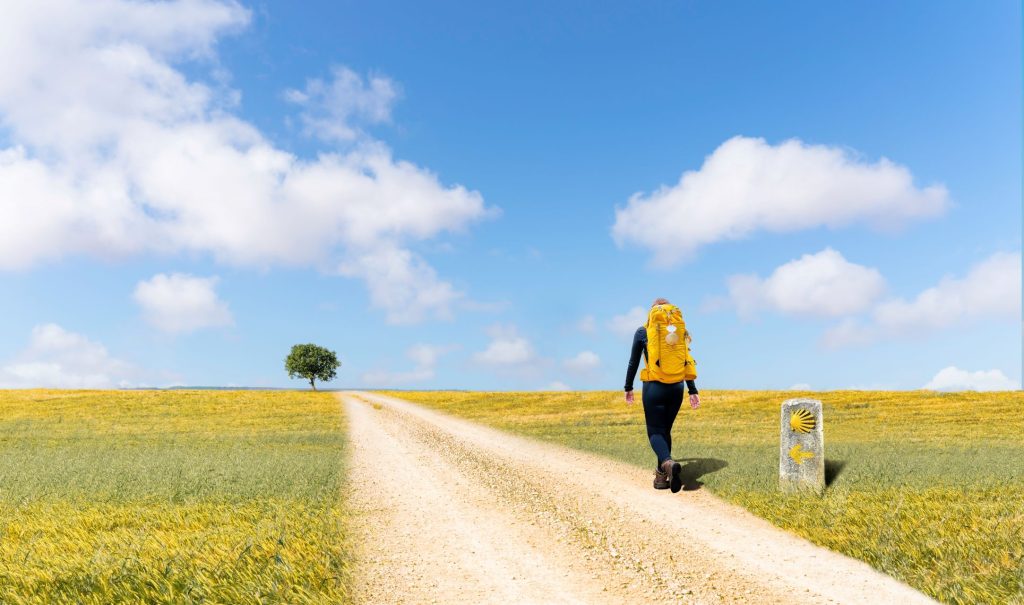
Most Popular Benefits to Hiking in Hot Weather
- Comfortable Climate: For individuals who are used to warm climates, hiking in hot weather can be more pleasant than dealing with cold or wet conditions.
- Lighter Gear: You don’t need to carry heavy jackets, gloves, or other cold-weather gear, making your load lighter and your hike easier.
- Beautiful Locations: Many hot weather hikes are in stunning locations like beaches, deserts, and tropical forests, offering breathtaking views and unique landscapes.
- Less Crowded Trails: Hot weather can deter some hikers, so you may find popular trails less crowded, allowing for a more peaceful experience.
- No Cold-Related Health Risks: Hiking in warm weather eliminates the risk of hypothermia or frostbite, which can be concerns in colder climates.
“Avoid rookie mistakes. Our free ebook Hiking for Beginners shows you how.”
Drawbacks to Hiking in High Heat
While there are many benefits to hiking in hot weather, there are also several significant drawbacks to consider.
The most obvious downside is the risk of overheating, which can lead to serious health issues such as heat exhaustion or heat stroke.
Excessive heat can also be uncomfortable, making the hike less enjoyable and more physically demanding.
Some people may find the hot climate less tolerable, leading to quicker fatigue and dehydration.
Additionally, the increased risk of sunburn, dehydration, and the challenges of staying cool can make hot weather hiking a more hazardous activity.
- Risk of Overheating: The body can quickly overheat in high temperatures, leading to heat-related illnesses like heat exhaustion or heat stroke.
- Uncomfortable Conditions: Some hikers may find the heat unbearable, leading to quicker fatigue and a less enjoyable experience.
- Increased Risk of Dehydration: Hot weather causes you to sweat more, which can lead to dehydration if you don’t drink enough water.
- Sunburn: Exposure to the sun’s rays for extended periods can cause sunburn, which is not only painful but can increase the risk of skin cancer.
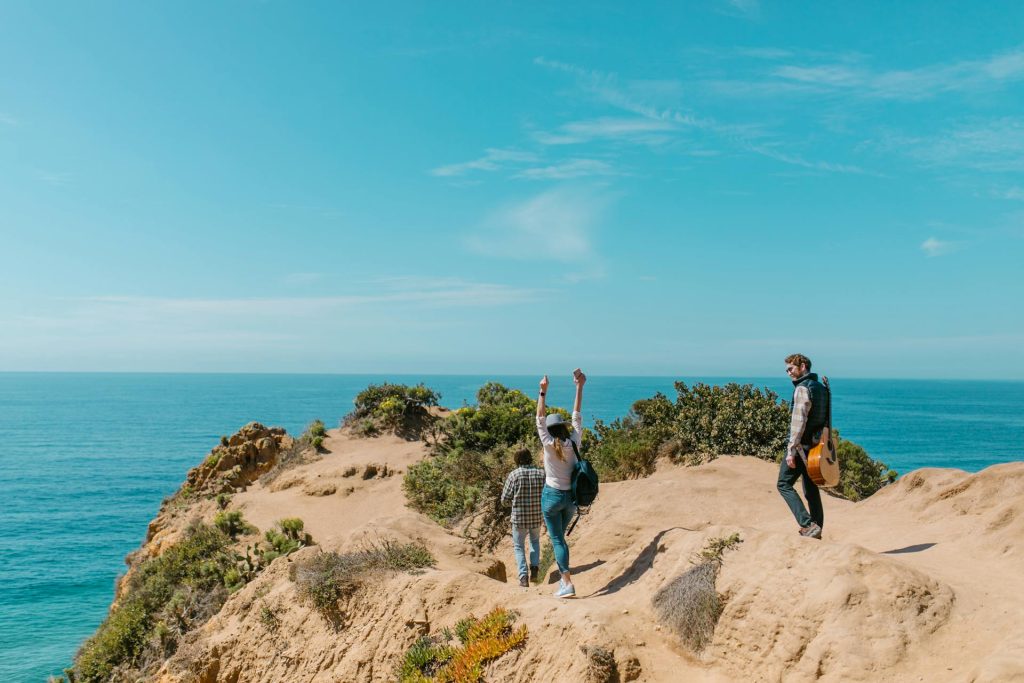
Main Dangers of Hiking in Extreme Heat
Since a number of potential dangers arise when considering hiking in heat and humidity, it’s extremely important to know and understand these risks so you can follow certain safety guidelines to avoid harm.
Or in the rare case that the worst happens, you’re fully equipped and able to deal with the problem effectively and safely.
Key Dangers of Hiking in Hot Weather and How to Avoid Them
- Dehydration: One of the most common dangers of hiking in hot weather is dehydration. As you hike, your body loses water through sweat, and if you don’t replenish it, you can become dehydrated. To avoid dehydration, drink plenty of water before, during, and after your hike. Carry enough water for the entire hike, and consider using a hydration pack to make it easier to sip water frequently.
- Heat Exhaustion: Heat exhaustion occurs when your body overheats due to prolonged exposure to high temperatures. Symptoms include heavy sweating, weakness, dizziness, nausea, and headache. To prevent heat exhaustion, take frequent breaks in the shade, drink water regularly, and avoid hiking during the hottest part of the day.
- Heat Stroke: Heat stroke is a life-threatening condition that occurs when the body’s temperature regulation system fails, causing your core temperature to rise to dangerous levels. Symptoms include confusion, loss of consciousness, rapid pulse, and hot, dry skin. If you suspect heat stroke, seek emergency medical help immediately. To avoid heat stroke, stay hydrated, wear light and breathable clothing, and avoid strenuous activity in extreme heat.
- Sunburn: Prolonged exposure to the sun can cause sunburn, leading to painful, red skin that can blister and peel. Sunburn increases the risk of skin cancer. To prevent sunburn, apply a broad-spectrum sunscreen with an SPF of at least 30 before your hike and reapply every two hours, especially if you’re sweating.
- Hyponatremia (Overhydration): While it’s important to stay hydrated, drinking too much water without replenishing electrolytes can lead to hyponatremia, a condition where the sodium levels in your blood drop too low. Symptoms include nausea, headache, confusion, and in severe cases, seizures. To prevent hyponatremia, drink sports drinks or eat salty snacks along with your water to maintain electrolyte balance.

How to Prepare for Hiking in Hot Weather
Proper preparation is key to a safe and enjoyable hike in hot weather. By taking the necessary precautions and planning ahead, you can minimize the risks and ensure that your hike is a success.
Best Ways to Prepare for Hiking in Extreme Heat
- Planning: Choose where and when to hike. Select a trail that offers plenty of shade and is near a water source. Start your hike early in the morning or later in the evening to avoid the hottest part of the day.
- Learn to Use Navigation Tools: Make sure you’re familiar with how to use a map and compass, as relying on electronic devices alone can be risky if your battery dies or if you lose reception. Being able to navigate with a compass and map is an essential skill, especially in remote areas.
- Stay in the Shade: Whenever possible, stay in shaded areas to avoid direct sun exposure. This will help keep your body temperature down and reduce the risk of sunburn.
- Hike Near a Water Source: Hiking near rivers, streams, or lakes allows you to cool off and refill your water supply. Just make sure to treat any water from natural sources to avoid getting sick.
- Clothing and Gear: Select light, breathable clothes made from moisture-wicking materials to help keep you cool and dry. Wear a wide-brimmed hat to protect your face and neck from the sun, and choose lightweight, well-ventilated hiking boots to keep your feet comfortable.
- Cover Up: Protect yourself from the sun by wearing long sleeves, long pants, and a wide-brimmed hat. Lightweight, UV-protective clothing can help keep you cool while shielding your skin from harmful rays.
- Health Precautions: Protect against sunburn, dehydration, cramps, heat stroke, exhaustion, and even overhydration by staying hydrated, eating salty snacks, and taking regular breaks in the shade. Don’t forget to apply and reapply sunscreen to prevent sunburn.
🗒️ Free Checklist: Planning your next hiking trip?? Download our printable hiking checklist to make sure you don’t miss the essentials.
Best Pieces of Equipment for Hiking in High Temperatures
- Take a Phone/Satellite Phone: Carry a phone or satellite phone with reception. This is crucial for staying in touch with someone in case of an emergency. Make sure your phone is fully charged before your hike, and consider bringing a portable charger.
- Navigation Tools: Bring a compass and map along with your phone’s GPS. Having backup navigation tools ensures you can find your way even if your electronics fail.
- Carry a Hydration Pack: A hydration pack makes it easy to sip water as you hike, helping you stay hydrated without needing to stop and take out a water bottle. Make sure your hydration pack is filled before you start your hike.
- Bring a Squirt Bottle: A squirt bottle can be a lifesaver on a hot hike. Use it to spray yourself with water to cool down, or to rinse off sweat and dirt.
- Carry a Small First Aid Kit: A basic first aid kit should include bandages, antiseptic wipes, blister treatment, and any personal medications you might need. Make sure you have supplies to treat heat-related issues, such as electrolyte tablets.
- Use Lots of Sunscreen: Apply sunscreen liberally before your hike, and reapply every two hours or after swimming or sweating. Choose a sunscreen with broad-spectrum protection and an SPF of at least 30.

How To Deal With Emergency Health Problems When Hiking In High Heat
Even with careful preparation, emergency health problems can still arise when hiking in high heat. It’s important to know how to spot signs of trouble and respond quickly.
Key Factors in Dealing With Emergency Health Problems
- Recognize Symptoms Early: Pay attention to early signs of heat-related illnesses, such as dizziness, nausea, excessive sweating, or confusion. If you or a fellow hiker experience these symptoms, stop immediately and seek shade.
- Take Action Quickly: If someone shows signs of heat exhaustion or heat stroke, move them to a cool, shaded area, give them water, and apply cool, wet cloths to their skin. If symptoms worsen, seek emergency medical help immediately.
- Stay Connected: Always notify someone of your route and expected return time. Carry a phone or satellite phone with reception and ensure it’s fully charged. This allows you to call for help if needed.
- Know When to Turn Back: If the heat becomes too intense, or if you or someone in your group starts showing signs of heat-related illness, don’t hesitate to turn back or seek help.
In Conclusion
Hiking in hot weather can be a rewarding and enjoyable experience if you’re well-prepared and take the necessary precautions.
By understanding the risks, planning your route carefully, and packing the right gear, you can minimize the dangers associated with high temperatures and make the most of your time on the trail.
Remember, your safety is the top priority, so always listen to your body, stay hydrated, and know when to take a break or turn back.
With the right preparation, you can enjoy the beauty of nature even in the heat of summer.


