
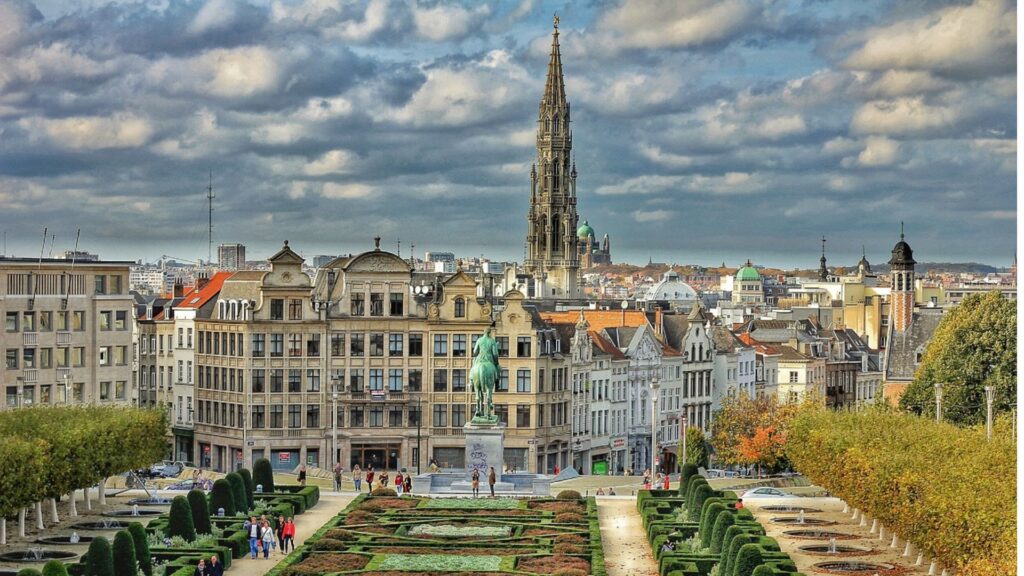
Brussels might not be the first city that springs to mind when you think of hiking, but if you give it a chance it will absolutely surprise you.
Sure, it has politics and chocolate, but it also has winding greenways along with sprawling forests and some canal paths that stretch out from the city like gentle invitations to roam.
With a compact center and excellent public transport (as well as easy access to nature), Brussels quietly excels as a base for those who want to mix cultural exploration with a good stretch of the legs.
Best Hikes in and Around Brussels
Brussels may be famous for its bustling squares and Art Nouveau buildings, but it also sneaks in a surprising amount of green space, which is perfect for hikers who are looking to stay close to the city without sacrificing nature.
You’ve got forest trails in the Forêt de Soignes, canal-side walks, urban green corridors, and hilly park connections between neighbourhoods.
It’s a buffet of walking styles; just pick your mood and match the route.
Some of the best hikes that you’ll get to experience in this city are:
For more detailed info on the below hikes (and others) don’t forget to check out 7 Hikes in and Around Brussels
Forêt de Soignes (Sonian Forest)
This is the crown jewel of Brussels hiking. It’s basically a massive ancient beech forest that stretches across the southeastern edge of the city.
The Forêt de Soignes is also crisscrossed with wide and peaceful trails. It’s perfect for all levels from gentle afternoon walks to longer treks.
It also happens to be accessible by tram, bus, or even bike, but even so this forest feels wild without being remote.
Parc Duden to Parc de Forest
If you’re short on time but want a satisfying urban hike, you can link together Parc Duden and Parc de Forest in the south of the city.
It’s a surprisingly hilly route with wooded paths and grassy slopes and sweeping views of the city skyline.
Bring a sandwich and make it a slow stroll with plenty of photo stops!
“Every hiker starts somewhere — grab your free Hiking for Beginners guide.”
La Promenade Verte (The Green Walk)
This 60 km loop circles the city in a giant green belt. You can hike a section or take on the whole thing in stages.
It weaves through forests, fields, and canals, and it also offers a constantly changing mix of scenery. It’s most ideal for day hikes that start and end with easy transit access.
Canal de Bruxelles to Vilvoorde
Are you looking for a flat, scenic, and a little off the tourist trail? Then you should follow the canal north from the city toward Vilvoorde.
This path is lined with public art and passing barges, and there are also lots of wildflowers.
It’s peaceful and mostly paved, and it’s also great for a longer urban hike that doesn’t feel like you’re circling the city block.
Bois de la Cambre
If you want nature with a café nearby, then this is your spot.
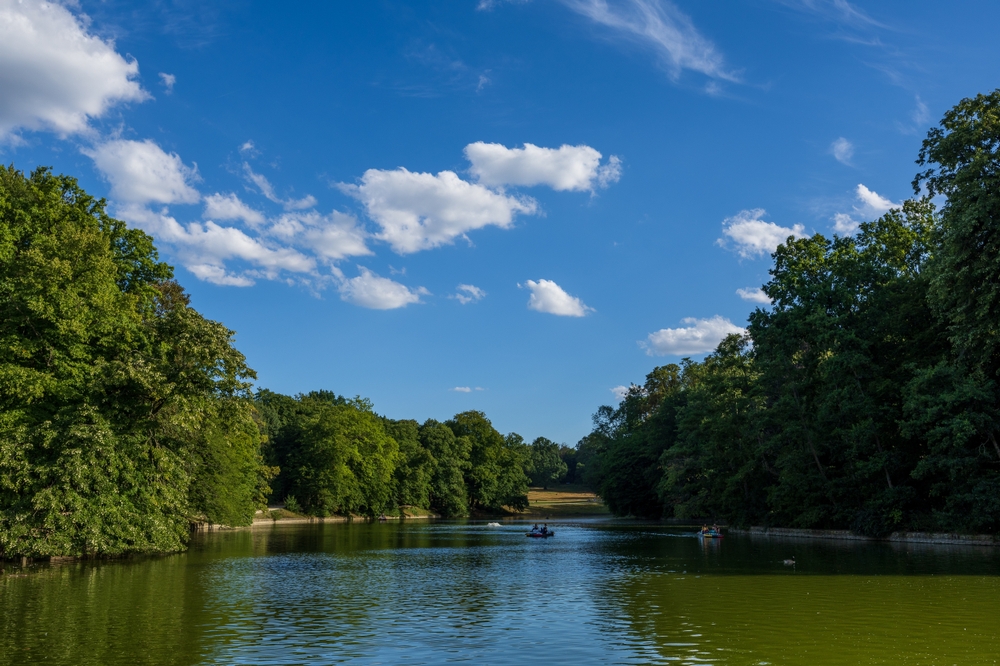
Located just on the edge of the city, Bois de la Cambre blends winding paths with lakeside views and some woodland with picnic-perfect meadows.
It’s great for a half-day walk or as a launchpad into the larger Sonian Forest network.
Taking a Walking Holiday in Brussels
A walking holiday in Brussels is the kind of trip that sneaks up on you, but in the best way literally.
Let’s put it this way, you come for the history and waffles, and then suddenly you’ll find yourself deep in a forest trail or following a quiet canal path with barely another soul in sight.
It’s that mix of city buzz and green calm that makes Brussels such an unexpectedly great base for a foot-powered getaway.
You can start your mornings with a scenic city walk that weaves through grand squares, cobbled alleys, and parks that look like they were designed for aimless wandering.
For a broader look at walking routes, regions, and trip-planning options across the country, continue to the guide to taking a walking holiday in Belgium.
Then, you can hop on a tram or train and be in the middle of the woods, a botanical garden, or a countryside trail within half an hour.
You don’t need to switch hotels every night or map out a grand trek across the region. Just unpack once and let the city deliver a new walking experience each day.
Brussels’ trails are well-marked and the public transport is also reliable, and there’s always a café or local beer at the end of the line.
Brussels lets you do it at your own pace. There are no hiking boots required, but they definitely help!
“Plan less, walk more.” Pick a route, set your pace, and let Europe unfold under your boots: grab your free Walking Holiday ebook today”
Planning a Hiking Trip to Brussels
Brussels may not scream “hiking capital,” but for those in the know, it’s full of trail-friendly surprises.
With a bit of local insight, your walking experience can go from “nice” to “how did I not know about this place sooner?”
Here’s what to keep in mind before hitting the trails”
The Best Time to Hike in Brussels
Spring (April to June) and early autumn (September to October) are the sweet spots. You’ll get mild temperatures, blooming parks or golden leaves, and fewer crowds.
Summer is lush but can be humid, while winter brings a quieter and moodier vibe that’s great for forest walks but also less ideal for riverside lounging unless you’re into wool socks and misty mornings.
What to Bring for Walking and Hiking
You do not need specialist hiking equipment for most walks in and around Brussels, but comfortable footwear and a few practical layers will make the day more enjoyable.
Supportive walking shoes are usually enough for city parks, canal paths, and paved sections of the Green Walk.
For the Sonian Forest, Hallerbos, and other woodland routes, shoes with reliable grip are useful because trails can become muddy after rain.
Bring a lightweight waterproof jacket, a warm layer outside summer, and a reusable water bottle.
An offline map is also worth carrying for longer forest routes or when combining several paths into a larger loop.
For longer walks, a small daypack gives you space for snacks, water, and an extra layer without making the day feel overpacked.
Building your hiking kit? Explore the site’s buyer’s guides to walking shoes, waterproof jackets, daypacks, and other trail essentials.
Getting Around Without a Car
Not at all! Brussels has an excellent public transport network, and most trailheads are accessible via tram, metro, or local train.
The Forêt de Soignes alone has multiple entry points that are reachable by public transit.
Do you want to head further out? The trains from Brussels Central can get you to scenic areas like Tervuren, Leuven, or Halle in under an hour!
Hidden Walks and Green Spaces in Brussels
These are some lesser-known walking opportunities near Brussels that you won’t want to miss out on:
Rouge-Cloître Abbey
Tucked near the Sonian Forest, this former abbey is surrounded by ponds and wooded paths, and it’s perfect for a peaceful loop.
Hallerbos (The Blue Forest)
Visit in mid-April when the bluebells bloom. It’s like stepping into a fairy tales.
Josaphat Park
Not as famous as Parc du Cinquantenaire but just as charming, and with winding paths and fewer tourists.
Using Brussels as a Hiking Base
Brussels works well as a base for walkers because the city combines easy urban exploration with quick access to forests, parks, historic towns, and countryside routes.
You can spend one day walking through the Sonian Forest, another following the canal north towards Vilvoorde, and another using the train network to explore farther beyond the capital.
Tervuren and the Sonian Forest
Tervuren gives you access to landscaped parkland, forest paths, lakes, and longer routes through the eastern side of the Sonian Forest.
It is a useful choice for walkers who want a quieter and more spacious day without travelling far from Brussels.
Hallerbos and Halle
Hallerbos and the wider Halle area provide access to wooded trails and quieter countryside south of Brussels.
This makes a useful day trip for walkers who want to move beyond the city’s parks and green corridors while still returning to Brussels that evening.
Leuven and the Dijle Valley
Leuven offers a different kind of walking day, combining a compact historic centre with riverside and green-space routes around the Dijle Valley.
It works well for travellers who want to mix city walking with a gentler countryside outing.
Longer Day Trips into Wallonia
For hillier terrain, Brussels can also be used as a starting point for longer day trips into Wallonia.
These outings generally require more planning than the local city walks, but they provide access to deeper forests, river valleys, and more demanding terrain.
Check transport connections and return times carefully before committing to a longer route.
🗒️ Free Checklist: Planning your next hiking trip?? Download our printable hiking checklist to make sure you don’t miss the essentials.
Food and Drink After a Walk
For shorter city routes, you are rarely far from a bakery, café, or local restaurant.
On longer forest or canal walks, pack a picnic and use one of the benches, clearings, or open green spaces along the way.
After returning to the city, a tartine, pastry, or Belgian beer makes a simple finish to the day.
The city’s food scene is one of the advantages of using Brussels as a walking base rather than staying farther out in the countryside.
Conclusion
Brussels might fly under the radar as a hiking destination, but that’s part of the charm. It’s a city where you can explore Gothic architecture one moment and be deep in a beech forest the next.
It also works well as a base for day trips into the surrounding countryside.
Whether you want a relaxed city walk, a half-day forest route, or a longer outing beyond the capital, Brussels offers far more variety than most first-time visitors expect.
Ultimately, Brussels offers the kind of relaxed and foot-friendly adventure that proves the best way to see a city is still one step at a time!
Where to Next?
Planning more time on foot in Belgium? These guides will help you continue your trip:
- Best Hikes in and Around Brussels – Compare more of the capital’s standout forest walks, park routes, and nearby day hikes.
- Ultimate Guide to Hiking in Belgium – Explore Belgium’s main walking regions, landscapes, seasons, and practical planning information.
- Best Hikes in Belgium – Discover more forest, river, countryside, and hill walks across the country.
- Walking Holiday in Belgium – Learn how to combine Belgian cities, trails, and regions into a longer walking-focused trip.


