
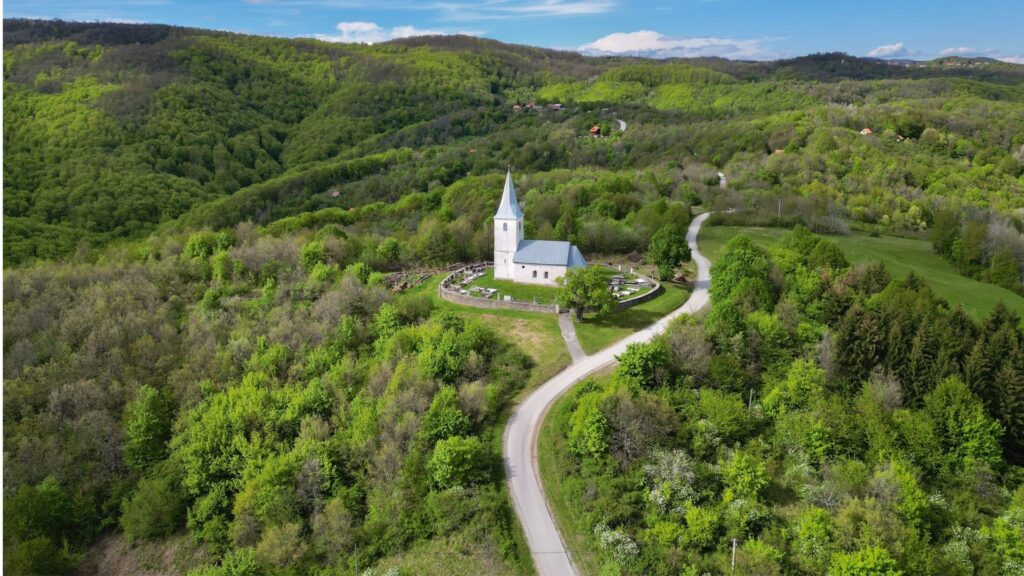
Croatia’s capital sits quietly at the edge of the Medvednica mountain range, wrapped in city parks, forest trails, and easy day trips that begin only a tram ride away.
For those of you who enjoy combining coffee culture with well-worn boots and wide views, Zagreb offers a rare balance: urban charm with plenty of wild space just around the corner.
It’s a compact city, which makes it easy to walk and even easier to enjoy. The mix of Austro-Hungarian elegance, red-roofed streets, and sprawling green spaces makes it a delight to wander, and the hiking only sweetens the deal.
Best Hikes in and Around Zagreb
Zagreb is made for those who prefer to explore on foot. It’s a capital city that moves at a manageable pace, where even a stroll through the centre feels like you’re heading somewhere interesting.
When you’re ready to trade pavement for trail, the mountains are close, the buses are reliable, and the trail markers are waiting to be followed.
For detailed route ideas, viewpoints, and local favourites, continue to our guide to the best hikes in and around Zagreb.
Medvednica Mountain
Medvednica Mountain is the star of Zagreb’s hiking scene.
The mountain offers everything from family-friendly forest loops to steeper trails that’ll leave your legs humming. You can move between woodland, meadow, and rocky ridgeline without travelling far from the city limits.
Medvednica is also easy to reach. Trams and buses connect the city with several trailheads around Mihaljevac, Šestine, Gračani, and the wider edge of the mountain.
Sljeme Summit
Sljeme is the highest point on Medvednica and one of the most recognisable hiking destinations near Zagreb.
At more than 1,000 metres above sea level, it offers wide views over the city and surrounding countryside. You can hike to the summit from several starting points or use the cable car to shorten the climb.
The variety of routes makes Sljeme suitable for anything from a steady forest walk to a more demanding day out.
Samobor Hills
The Samobor Hills offer a quieter alternative to Medvednica, with rolling landscapes, wooded paths, small villages, and a more rural atmosphere.
You can take a bus from Črnomerec to Samobor, where several routes begin close to the town centre.
This is a good option for walkers who want to combine a hike with a relaxed day in one of Croatia’s most attractive small towns.
Jarun and Bundek Lakes
Jarun and Bundek are ideal for flatter urban walks, runs, and relaxed lakeside loops.
Both are reachable by tram and offer an easy way to add a few hours of walking without organising a full mountain day.
They suit beginners, families, or anyone looking for a slower outing between more demanding hikes.
Plitvice Lakes National Park
Plitvice Lakes sits farther from Zagreb, but it remains one of the most popular natural day trips from the capital.
It takes roughly two hours to reach by bus, so it requires more planning than the local Medvednica routes. Even so, its lakes, waterfalls, and boardwalk paths make it a worthwhile option for travellers with a full day available.
Zagreb is only one part of Croatia’s hiking landscape. For more ideas beyond the capital, explore our guide to the best hikes in Croatia.
“First time on the trail? Hiking for Beginners has your back.”
Taking a Walking Holiday in Zagreb
Zagreb makes an excellent home base for a walking holiday.
You can stay centrally, explore the city on foot, and take day trips into the surrounding hills without needing to rent a car.
The city moves at a manageable pace, and the proximity of trail to tram means you don’t have to choose between culture and cardio. One day can be spent walking through the Upper Town, markets, and parks, while the next takes you into forest on Medvednica or out towards Samobor.
Many visitors also combine Zagreb with a longer walking holiday in Croatia, exploring national parks, coastal trails, islands, and historic towns.
Even when hiking is your main goal, you can still make room for Zagreb’s quirks.
The Museum of Broken Relationships is as oddly touching as it sounds. Dolac Market in the morning is a feast for the senses, where you can grab a pastry, chat with a vendor, and feel like a local within minutes.
On weekends, you may catch the changing of the guard or a street performance in the Upper Town. There’s a rhythm to Zagreb that rewards walkers: the pace is slow enough to savour, while the city remains connected enough to make each day easy to organise.
“Plan less, walk more.” Pick a route, set your pace, and let Europe unfold under your boots: grab your free Walking Holiday ebook today”
Exploring Zagreb on Foot
Zagreb is compact, layered, and extremely walkable.
The Upper and Lower Towns are connected by stairs, winding alleys, and the city funicular, turning much of the historic centre into an urban walking route of its own.
Walkable City Landmarks
Ban Jelačić Square is the main square and a natural starting point for a city walk.
From there, you can climb into the Upper Town, visit Lotrščak Tower, and follow the streets and viewpoints overlooking the red rooftops below.
The daily cannon shot from Lotrščak Tower is one of Zagreb’s best-known traditions and can be worked into a wider route through the historic centre.
The city’s parks, markets, museums, and pedestrian streets make it easy to create a full day of walking without relying on a fixed itinerary.
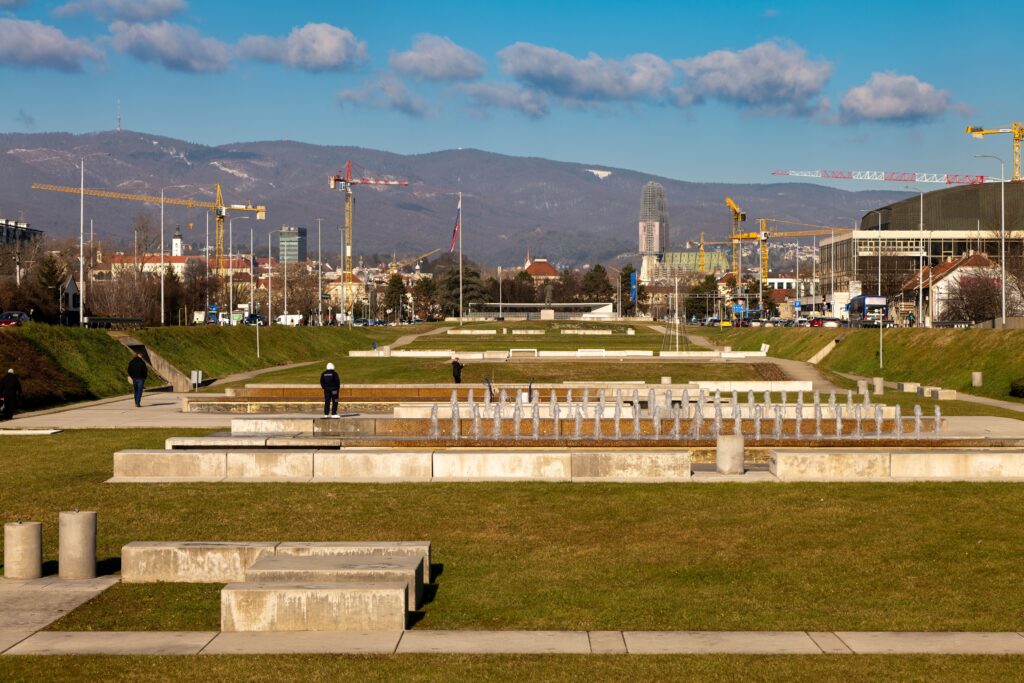
Best Viewpoints in and Around Zagreb
Zagreb offers several good viewpoints, both within the city and on the surrounding hills.
Sljeme Peak
At more than 1,000 metres, Sljeme is the highest point around Zagreb and offers broad views across the city and surrounding landscape.
Medvedgrad Fortress
Medvedgrad Fortress combines a short hike with panoramic views and a strong dose of medieval atmosphere.
Strossmayer Promenade
Strossmayer Promenade is one of the best places for city skyline views, especially towards sunset.
Zagreb 360°
Zagreb 360° is an observation deck above the city centre. It is more tourist-focused than the outdoor viewpoints, but it still provides one of the clearest views over the wider city.
Best Urban Walking Areas
For those of you who enjoy clocking up steps without leaving town, Zagreb offers several strong options.
Maksimir Park is heavily wooded and filled with paths, lakes, and birdlife. It’s easy to forget you’re still inside the city when walking through it.
The Tuškanac Forest path is a shaded ridge walk that runs behind the Upper Town, while Jarun Lake offers a flat and scenic loop that works especially well around sunset.
The Green Horseshoe connects a series of parks and gardens through the Lower Town in a leafy necklace-shaped route.
These areas make it possible to add meaningful walking to a sightseeing day without committing to a full mountain hike.
Planning a Hiking Trip to Zagreb
Zagreb gives hikers access to city parks, mountain trails, rural hills, and longer day trips, but the best route depends on the season, transport, and how much elevation you want to tackle.
A little preparation will make the day easier, particularly when heading higher onto Medvednica or beyond the city.
Best Time to Visit Zagreb for Hiking
April to early June brings blooming forests, mild temperatures, and comfortable conditions for both city walking and mountain routes.
July and August can become hot and humid in the city. The higher sections of Medvednica often provide some relief, but early starts are still recommended.
Late September through October brings crisp air, golden leaves, and some of the best walking conditions of the year.
Winter can still work for lower routes and city walks, while snowshoeing and winter walking around Sljeme become possible when conditions allow. Check current trail conditions before heading higher.
Tip: A proper layering system helps you stay comfortable as temperatures change throughout the day.
What to Bring for Hiking Around Zagreb
You do not need specialist alpine equipment for every walk around Zagreb, but supportive footwear and a few practical layers will make the day more comfortable.
For city parks, Jarun, Bundek, and easier urban routes, comfortable walking shoes are usually enough.
For Medvednica, Sljeme, the Samobor Hills, and steeper woodland paths, bring footwear with reliable grip. Trails can become muddy after rain, while higher routes may feel much cooler than the city below.
Carry a lightweight waterproof layer, sun protection, snacks, and enough water for the route.
Mountain huts are useful, but not all of them accept cards, so carrying some cash is sensible. Do not rely entirely on huts for food, water, or shelter.
Offline navigation is also worth downloading before you leave. Trail markings are generally solid, but some routes split unexpectedly at intersections.
A well-packed daypack makes longer walks easier and keeps your equipment organised.
Building your hiking kit? These guides will help:
- How to Pack a Hiking Backpack – Keep your equipment balanced, organised, and easy to reach.
- Day Hiking Essentials – Check the main clothing, safety, navigation, food, and comfort items.
- How Much Water to Take on a Hike – Estimate your needs using distance, weather, and elevation.
- Hiking Buyer’s Guides – Compare footwear, waterproof jackets, daypacks, and other hiking equipment.
🗒️ Free Checklist: “Never forget the essentials — grab your free Ultimate Hiking Packing List.”
Tips for Hiking in and Around Zagreb
- Start early during summer because the heat builds quickly and shade can be inconsistent.
- Bring cash for mountain huts, as not all of them accept cards.
- Wear layers when heading above roughly 800 metres, where the weather can change quickly.
- Maps.me and local hiking apps can help with navigation, but double-check trail colours and junctions when routes split.
- Mountain bikers are common on wider trails, so stay aware of your surroundings.
- For winter walks, check whether snow, ice, or mud may affect the route before setting out.
Getting Around Zagreb Without a Car
Zagreb’s public transport is one of the city’s strongest advantages for hikers.
Trams and buses reach many trailheads, particularly around Medvednica and the western outskirts.
Reaching Medvednica and Sljeme
Mihaljevac is a useful transport hub for routes towards the mountain.
Buses also travel towards Šestine and Gračani, while the cable car provides another way to reach higher ground near Sljeme.
This makes Medvednica practical for both half-day and full-day outings without renting a car.
Reaching Samobor and Other Day-Trip Areas
Buses leave Zagreb for Samobor, where hiking routes begin from or near the town centre.
Jarun and Bundek are easy to reach by tram, while trains and buses connect Zagreb with a wider range of towns and natural areas.
Plitvice Lakes requires a longer bus journey, but it can still be visited without driving if the timings suit your plans.
Do You Need to Hire a Car?
You do not need a car for most hikes within a 45-minute radius of Zagreb.
Sljeme, Šestine, Gračani, Jarun, Bundek, and many Medvednica trailheads are already well served by public transport.
A rental car becomes more useful if you want to visit remote hiking areas, move between several towns, or explore national parks farther from the city.
For local hiking, public transport is usually enough. For a wider Croatian road trip, a car offers much more flexibility.
Getting Into and Out of Zagreb
Zagreb Airport sits around 30 minutes from the centre by shuttle or taxi and connects with major European cities.
The central train station and long-distance bus station are both within easy reach of the city centre, making onward travel relatively straightforward.
Direct routes connect Zagreb with destinations along the coast, Plitvice Lakes, Slovenia, and other parts of Croatia.
Using Zagreb as a Hiking Base
Zagreb works well as more than a destination for a single city break.
Its position beside Medvednica and its road, rail, and bus connections make it a practical base for exploring several different landscapes.
You can spend one day hiking above the city, another walking through the Samobor Hills, and another travelling farther into Croatia’s national parks.
Medvednica Mountain
Medvednica is the easiest mountain area to combine with a stay in Zagreb.
Its network of trails, huts, viewpoints, and transport links makes it suitable for repeated visits rather than just one headline hike.
You can choose an easier forest route, climb towards Sljeme, or connect several paths into a longer day.
Samobor Hills
Samobor offers a mix of historic streets, wooded trails, hills, and village landscapes.
It works well for a relaxed day trip that combines walking with food and time in a smaller Croatian town.
Plitvice Lakes National Park
Plitvice Lakes is farther away, but Zagreb remains one of the most practical starting points for reaching it.
The journey is longer than a local hiking day, so check bus schedules carefully and allow enough time for the park itself.
Coastal and Regional Extensions
Zagreb also works as a gateway for continuing towards Croatia’s coastal trails, islands, national parks, and neighbouring Slovenia.
Travellers planning a wider trip can use the city as the first stop before moving into more remote or mountainous parts of the region.
Zagreb is also a useful gateway to some of the best hikes in the Balkans, making it easy to continue a wider hiking trip through southeastern Europe.
Conclusion
Zagreb might not have the fame of other European capitals, but perhaps that’s part of the appeal.
It keeps many of its best features quiet: shaded footpaths, staircases that lead to skyline lookouts, lakeside routes, and forest trails that begin only a few tram stops from the market square.
The city gives you culture, cafés, parks, mountain access, and easy onward travel without making the trip feel rushed.
For travellers who enjoy walking through a city as much as hiking beyond it, Zagreb offers far more than most people expect.
Where to Next?
Planning more time on foot in Croatia? These guides will help you continue your trip:
- Best Hikes in and Around Zagreb – Compare the capital’s best forest routes, viewpoints, mountain hikes, and day trips.
- Ultimate Guide to Hiking in Croatia – Explore Croatia’s main hiking regions, seasons, landscapes, and practical planning information.
- Best Hikes in Croatia – Discover more national parks, coastal mountains, islands, and inland trails.
- Walking Holiday in Croatia – Learn how to combine cities, villages, national parks, and coastal routes into a longer walking trip.
- Best Hikes in the Balkans – Broaden your plans with standout trails across southeastern Europe.


