

Packing a hiking backpack is about more than just fitting everything in; it’s an essential skill that impacts your comfort, balance, and performance on the trail...
With a structured approach to organizing weight distribution and choosing items based on necessity and ease of access, you can significantly enhance your hiking experience.
This article will provide a comprehensive, step-by-step guide on how to pack a hiking backpack efficiently. By following these steps, you’ll be able to maximize space, pack with logic, and create a setup that makes carrying your gear comfortable and practical for any hiking adventure.
Understanding Backpack Packing Zones
Packing a backpack efficiently starts with dividing your pack into zones based on the weight and frequency of use of each item, and working through each zone step by step until you’ve packed everything you’re going to need.
Here’s how each section of the backpack should be used to optimize space and ensure you can reach what you need when you need it:
Bottom Zone
This section is ideal for storing bulky items that you won’t need until you reach your campsite, such as sleeping bags, camp shoes, or other soft items. Since the bottom zone holds items that aren’t accessed frequently, it allows you to keep other essentials on top and maintain better balance with lighter items down below.
Core Zone
Located at the center of the pack, the core zone is where the heaviest, densest items should go. This includes your food, cooking supplies, water, and other weighty gear.
Positioning these items centrally helps with stability, preventing the backpack from feeling lopsided or straining your back. Packing these items close to your back helps you keep balanced and more comfortable on steep terrain.
“A well-packed backpack isn’t just about space — it’s about balance. Where you place the weight determines how comfortable your hike will feel.”
Top Zone
The top section of your pack is for items that you may need access to during the hike, such as a rain jacket, first-aid kit, or warm layers. This way, you won’t have to unpack your bag to access important items if the weather changes or if you need extra protection on the trail.
Accessory Pockets
Accessory pockets, including hipbelt pockets, shoulder strap pouches, and external pockets, are ideal for essentials you might need urgently or frequently, like a map, compass, snacks, phone, or sunscreen. This keeps them within easy reach without having to open the main compartment.
Tool Loops and Lash-On Points
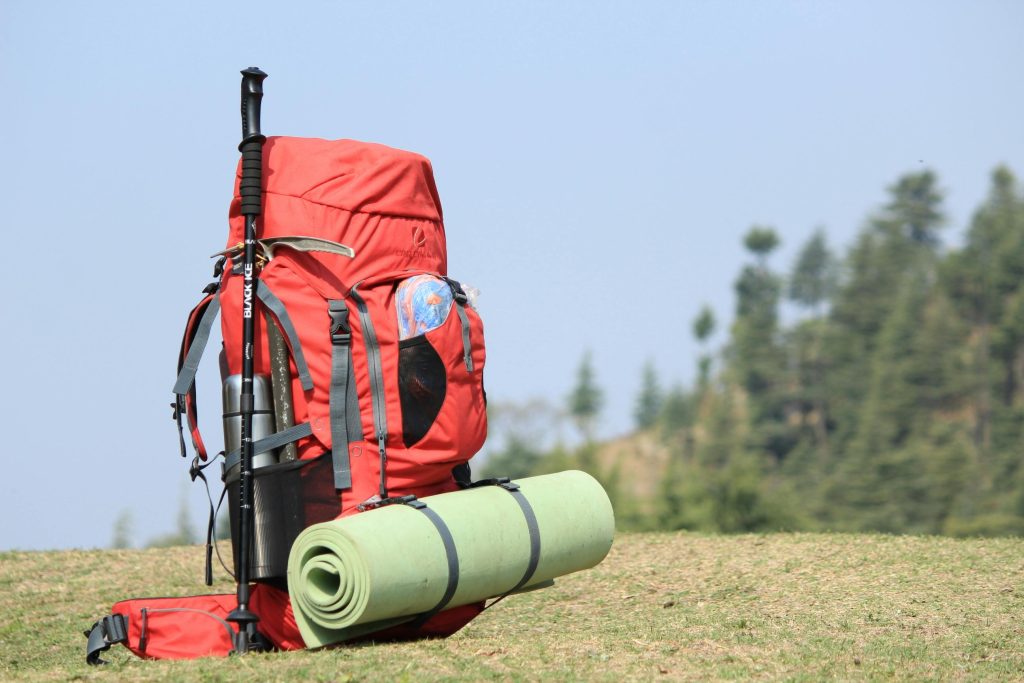
For oversized or elongated items like trekking poles, ice axes, and sleeping pads, use the external tool loops and lash-on points. These points provide a secure way to carry bulky equipment without taking up space in the main compartments.
How to Pack a Hiking Backpack for a Day Hike
When preparing for a single-day hike, you’ll likely carry less equipment than on a multi-day trek. Here’s a step by step guide on packing the different zones of your backpack and how to organize the essentials for a day trip:
Bottom Zone
Since most day hikes don’t require overnight gear, this area is often used for less-accessed items like a lightweight jacket or small, soft equipment.
Core Zone
Pack heavier items in the core area, like your water bottle or hydration reservoir, extra layers, and a packed lunch or snacks. This positioning helps to stabilize the pack and makes it more comfortable to carry.
If you’re unsure what gear to include, our guide to essential things to bring on a day hike covers the must-have items for a safe and comfortable outing.
Top Zone
The top of your pack should contain items you may need throughout the day, such as a first-aid kit, additional snacks, and a rain jacket or windbreaker. Having these items at the top makes them easy to reach if the weather changes or if you need first aid quickly.
“For day hikes, simplicity wins. Pack only what you need, keep essentials easy to reach, and let smart organization do the rest.”
Accessory Pockets
Use these for sunscreen, map, phone, or energy bars for quick access during short breaks.
Tool Loops and Lash-On Points
For a day hike, you may only need to attach trekking poles or a compact tripod to these loops, keeping the main sections of your pack available for other necessities.
How to Pack a Hiking Backpack for a Multi-Day Trek
When packing for an extended trek or an overnight hike, you’ll need additional items to ensure comfort and safety.
The following step by step guide to packing the different zones of your backpack will help ensure you pack everything required while keeping your load balanced and accessible:
Bottom Zone
Place your sleeping bag, camp shoes, or other items you won’t need until the end of the day here. This keeps these larger, softer items out of the way and prevents you from having to dig through your pack during the hike.
Core Zone
Heavier items should go in this section, like a bear canister with food, cooking equipment, or fuel. This keeps your pack stable and balanced, reducing strain on your back by keeping the weight close to your body.
For longer treks, choosing compact, calorie-dense food is important to save space and weight — these high-protein hiking foods for long trails are great options to consider.
Top Zone
Use this area for essentials you might need during the day, such as rain gear, a first-aid kit, a warm layer, or a headlamp. If the weather changes or you need extra warmth, you can access these items easily.
“Multi-day treks demand careful weight distribution — pack heavy items close to your back and keep frequently used gear within easy reach.”
Accessory Pockets
Store frequently used items like a map, compass, water purifier, or snacks here, where they’re easily accessible.
Tool Loops and Lash-On Points
Secure bulky items like trekking poles, tent poles, or an external sleeping pad in this area. Using external lash points frees up space inside your pack and keeps your gear accessible.
Practical Backpack Packing Tips
Packing efficiently requires strategy. Here are some additional tips and tricks to make packing easier and keep your load organized and protected from the elements.
Create A Checklist
It’s a good idea to create a checklist ahead of time, and do so on your phone, where it’s easy to access. With your checklist to hand, you can edit, add, or remove items on-the-go as you take the time to consider more about the essential items, and any extras you may wish to take.
🗒️ Free Checklist: “Never forget the essentials — grab your free Ultimate Hiking Packing List.”
Do A Practice Run
Another great idea is to give packing a practice run to allow you to figure out how best to pack items, and in what order. Doing so in advance affords you the time to experiment trying different orders to pack items, keeping the most effective space saving arrangements whilst adjusting others until all items fit properly.
Packing with Compression Sacks
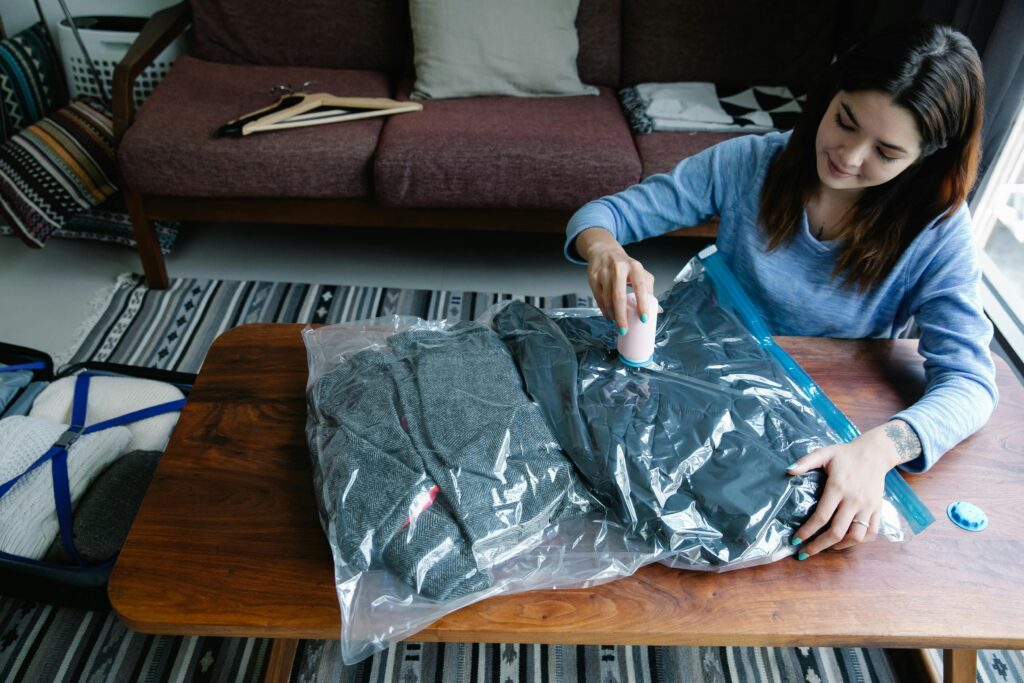
Compression sacks help squeeze excess air from clothing or sleeping gear, reducing bulk and saving space in your pack, reducing the bulk of items like sleeping bags, clothes, and other soft gear.
By reducing the size of these items, you save space and create a more compact, organized pack. Compression sacks are especially useful on multi-day treks when space is at a premium.
Many backpackers also reduce pack weight by dehydrating meals before a trip — here’s whether dehydrating food for backpacking is actually worth the effort.
Waterproofing Pack Lining and Pack Cover
Keeping your gear dry is crucial, especially in areas prone to rain. Proper preparation also helps hikers follow Leave No Trace principles, minimizing impact on the trails they explore.
Using a waterproof pack liner, such as a heavy-duty plastic bag or specialized liner, can prevent water from seeping into the main compartment.
In addition, consider using a pack cover to repel moisture from rain and dew. For extra security, place electronic devices, maps, or important documents in waterproof bags within your backpack to prevent any damage.
“Efficient packing is a skill that improves with practice — a quick test pack at home can save frustration on the trail.”
Hoisting a Heavy Backpack Safely
Lifting a loaded backpack correctly can prevent strain or injury. Follow these steps for safely hoisting your pack:
- Loosen shoulder and hip straps.
- Stand with feet apart and knees bent.
- Lift the pack using the haul loop and rest it on your thigh.
- Slide one arm into a shoulder strap.
- Lean forward and slide the other arm in.
- Buckle the hipbelt and chest strap.
- Adjust straps for comfort.
In Conclusion
Packing a hiking backpack efficiently is key to enjoying a comfortable, well-balanced, and organized hike. By using each section of your backpack effectively, you’ll ensure that your essentials are close at hand, your load is balanced, and your gear is protected.
Carrying a loaded pack comfortably also comes down to endurance, which is why improving your hiking stamina can make long-distance treks far more enjoyable.
With compression sacks, waterproofing measures, and safe hoisting techniques, you’ll be well-prepared for a successful hiking adventure. Whether you’re heading out for a short day hike or a multi-day trek, smart packing lets you focus on the journey instead of the weight on your back.
Where to Next?
Now that you know how to pack your backpack efficiently, these guides will help you prepare for the trail.
- Essential Things to Bring on a Day Hike – A practical checklist to make sure your pack includes the right gear.
- 13 Practical Backpacking Tips for Beginners – Learn the habits that make hiking safer and more enjoyable.
- Ultimate Guides to Hiking in Europe – Explore some of the best hiking destinations across the continent.


