

Starting a new outdoor hobby always comes with a learning curve. A few practical tips can help you avoid common beginner mistakes and make your first backpacking trips safer and more enjoyable.
Getting into hiking can be a fun and rewarding way to explore the outdoors, improve your fitness, and connect with nature.
However, for those new to hiking, there are a few important technical aspects to consider that can help you avoid common mistakes and make the experience safer and more enjoyable.
While some tips may vary depending on location, climate, and weather, the following backpacking tips for beginners applies universally to most trails and can help anyone new to hiking start out on the right foot.
- The Best Backpacking Tips For Beginners
- 1. Start Small
- 2. Learn to Navigate
- 3. Learn from a Mentor
- 4. Pack Only Essential Equipment
- 5. Learn How Your Gear Works
- 6. Check the Weather Forecast
- 7. Notify Family and Friends of Your Schedule
- 8. Check the Route’s Elevation Profile
- 9. Pack High-Calorie Food to Snack Every 60-90 Minutes
- 10. Brush Up on Safety Skills
- 11. Set the Correct Pace
- 12. Leave No Trace – The 7 Principles
- 13. Check Permit Requirements
- In Conclusion
- Where to Next?
The Best Backpacking Tips For Beginners
1. Start Small
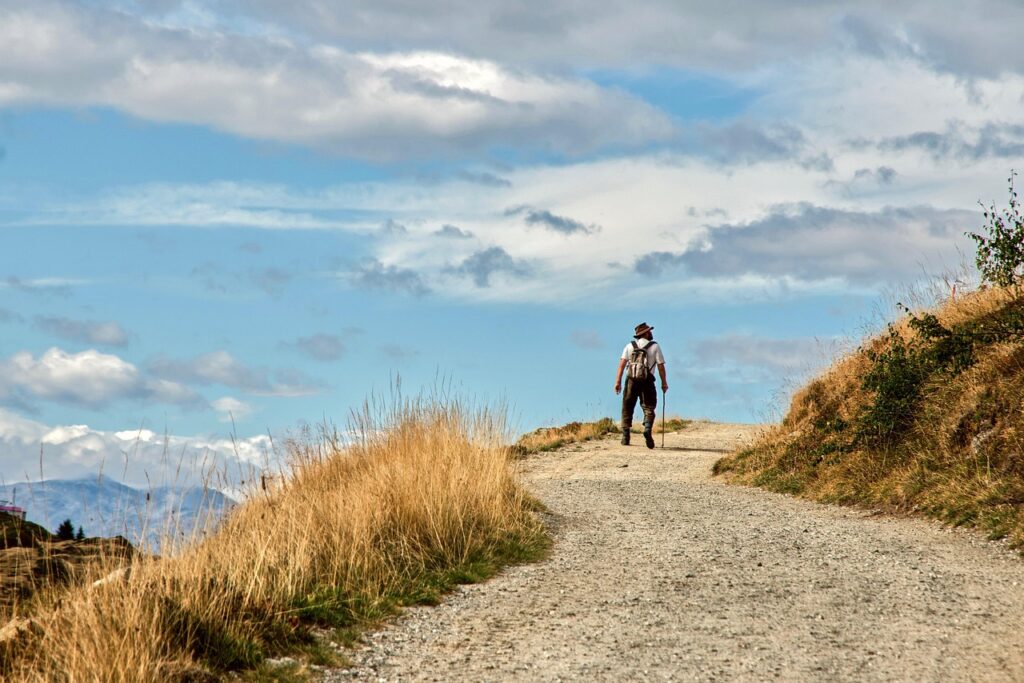
Starting with small hikes is a great way to build up your endurance, confidence, and understanding of what backpacking entails. For beginners, it’s best to start with shorter trails and gradually extend your hiking duration as you gain experience.
Short hikes also help you understand how your body responds to distance, elevation, and carrying a pack.
Choose easier trails at first, and when you’re comfortable, you can extend the duration or opt for more challenging routes. Once you’re confident handling multiple short hikes in varied weather conditions, consider staying overnight.
After gaining experience with several overnight trips, you may be ready to tackle longer, multi-day hikes.
2. Learn to Navigate
Good navigation skills are crucial for any hiker, especially if you plan on exploring remote areas or lesser-traveled trails.
In your spare time, study different methods of navigation, such as map and compass reading, and practice these skills before venturing out.
Online resources, such as YouTube tutorials, blogs, and websites, offer valuable information on the basics of navigation. As a beginner, focus on learning the following navigation methods:
- Maps and compass: The traditional and reliable tools for orientation.
- GPS devices: Useful for precise location tracking, but they depend on batteries.
- Phone apps: Many hiking apps provide offline maps, but these should only be used as backups to traditional methods.

3. Learn from a Mentor
Learning from someone with experience can significantly speed up your progress and help you avoid beginner mistakes. Hiking with a mentor or experienced friend offers several advantages:
- Guidance on route planning and equipment: Mentors can help you choose suitable trails and advise you on essential gear.
- Hands-on navigation training: You can practice navigation techniques under their supervision.
- Improved safety: They can teach you about hazards and how to handle unexpected situations on the trail.

4. Pack Only Essential Equipment
It’s easy to overpack, especially for beginners who might feel the need to be overly prepared. However, packing light is crucial for a comfortable hiking experience.
Focus on a small set of essential gear suited to your climate and terrain. The typical essentials include:
- Weather-appropriate clothing
- A sturdy, well-fitting backpack
- Navigation tools (map, compass, GPS)
- Pocket knife or multitool
- Sufficient food and water
- A first aid kit
If you want a more comprehensive dive in equipment make sure to check out our article on ‘essential items to take on a hike‘
5. Learn How Your Gear Works
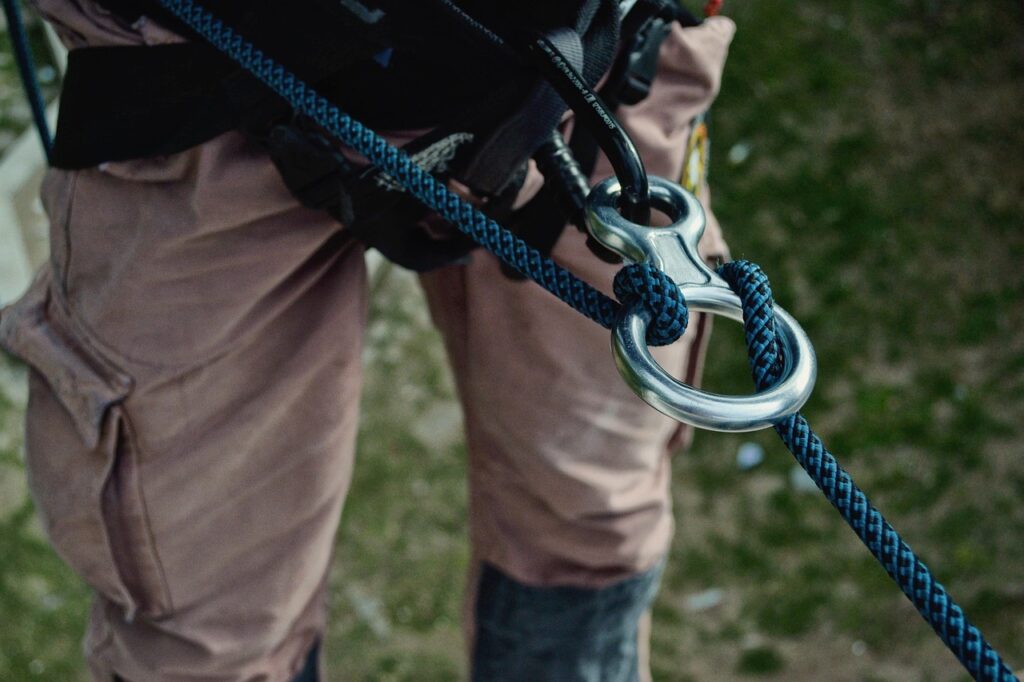
Before heading out, make sure you know how to use all your gear effectively. This includes knowing how to set up your tent, operate your stove, and treat water.
Understanding your gear helps you get the most out of it and ensures you’re not carrying unnecessary items.
For example, practice using your compass and map in familiar surroundings, so you’re comfortable navigating when it matters most.
The preparation phase is a perfect time to learn how to best utilize your equipment and optimize your packing strategy.
6. Check the Weather Forecast
Weather can dramatically affect your hiking experience, so always check the forecast before you go.
Prepare by packing the right clothing and equipment for the anticipated conditions. For instance, if rain is expected, pack waterproof clothing and a rain cover for your backpack.
Always pack for the worst reasonable conditions you may encounter.

7. Notify Family and Friends of Your Schedule
Safety is paramount in hiking. Inform your friends and family about your plans, including where you’re going, when you expect to return, and where you plan to stop along the way.
Schedule check-in times with them so they can follow up if they don’t hear from you. In rare circumstances, having someone aware of your whereabouts can be invaluable in case of an emergency.
“Every hiker starts somewhere — grab your free Hiking for Beginners guide.”
8. Check the Route’s Elevation Profile
An elevation profile provides a visual representation of the ascents and descents on a trail, giving you an idea of how challenging the hike will be.
Checking the elevation profile beforehand allows you to plan for any steep climbs or difficult sections.
This preparation helps you gauge how much water, food, and time you’ll need to complete the trail comfortably.
Elevation gain often determines difficulty more than distance.
9. Pack High-Calorie Food to Snack Every 60-90 Minutes
To maintain your energy levels, pack high-calorie snacks that you can eat every 60-90 minutes. Some high-calorie foods suitable for hiking include:
- Walnuts
- Peanut butter
- Snickers bars
- Dried fruit like apricots or dates
- Cheese sticks or hard cheese
High-calorie snacks help sustain your energy without requiring too much space or weight in your pack.

10. Brush Up on Safety Skills
Hiking carries risks, especially in remote environments.so it’s important to be prepared.
Carrying a first aid kit is essential, but it’s equally important to know how to use it. Consider taking a wilderness first aid course, or at the very least, familiarize yourself with basic first aid techniques and the local terrain.
Having a contingency plan and understanding the local wildlife, plants, and weather patterns can be life-saving in critical situations.
Helpful Resources for Learning Hiking Safety Skills
If you’re new to hiking, learning a few core safety skills can make a huge difference to your confidence and preparedness on the trail.
The following organisations and creators provide reliable guidance on navigation, risk management, and outdoor safety.
- National Outdoor Leadership School (NOLS) – A globally respected outdoor education organisation offering guides on wilderness safety, navigation, and risk management:
https://www.nols.edu - International Federation of Red Cross and Red Crescent Societies (IFRC) – Offers resources and training materials on first aid and emergency preparedness that are useful for outdoor activities:
https://www.ifrc.org - Global Rescue – Provides practical advice on travel risk management, emergency response, and outdoor safety planning for remote adventures:
https://www.globalrescue.com - YouTube – Dixie (Homemade Wanderlust) – A popular long-distance hiking creator who shares practical backpacking advice and beginner-friendly trail lessons:
https://www.youtube.com/@HomemadeWanderlust
11. Set the Correct Pace
Setting a manageable pace is key to enjoying your hike. Scottish mountaineer William Naismith developed a useful formula in 1892 for pace setting: allow one hour for every 3 miles of distance, plus an additional hour for every 2,000 feet of elevation gain.
This guideline can help you plan your time and avoid overexertion.
Many beginners start too fast and burn out early in the day.
12. Leave No Trace – The 7 Principles
Responsible hikers follow the “Leave No Trace” principles, which aim to minimize human impact on nature. Here are the seven principles to keep in mind:
- Prepare and plan ahead: Research your route, and understand the environmental conditions to avoid unintentional harm.
- Travel and camp on durable surfaces: Stick to established trails and campsites to protect the natural landscape.
- Dispose of waste properly: Pack out all trash, leftover food, and any other waste to keep nature pristine.
- Do not take souvenirs: Leave rocks, plants, and other natural features as you found them.
- Minimize campfire impact: Use a camp stove instead of building a fire, and if you must have a fire, keep it small.
- Respect wildlife: Observe animals from a distance and never feed them, as human food can harm wildlife.
- Be considerate of others: Share the trail, keep noise to a minimum, and respect the experience of fellow hikers.

13. Check Permit Requirements
Some popular or environmentally sensitive trails require permits, particularly in national parks or protected areas.
Useful Resources for Checking Permit Requirements
Permit rules can vary widely across Europe depending on the country, national park, or protected area. Before setting out, check reliable hiking platforms and organisations that track trail access rules, seasonal closures, and permit requirements.
- European Ramblers Association (ERA) – Provides information on long-distance European walking routes and regional trail systems: https://www.era-ewv-ferp.org
- Komoot – A widely used European route planning platform where trail notes often mention permits, closures, and local regulations: https://www.komoot.com
- AllTrails – Offers trail descriptions, user reports, and practical notes on access restrictions for many popular routes: https://www.alltrails.com
- UIAA (International Climbing and Mountaineering Federation) – A network of alpine organisations providing guidance on mountain access and safety in alpine regions: https://www.theuiaa.org
In Conclusion
Starting any new activity can be a challenge, and hiking is no exception. However, with a bit of preparation and knowledge, you can set yourself up for a safe and enjoyable experience on the trails.
From starting with small hikes and learning how to navigate to understanding your gear and packing the essentials, these tips will help you build a solid foundation for future hikes.
With each outing, your confidence and skills will grow, allowing you to explore more challenging trails with ease. By following these backpacking tips for beginners, you can avoid many of the common issues that those just starting out hiking typically run into.
Where to Next?
Ready to build confidence on the trail? These guides will help you take the next steps in your hiking journey.
- Essential Things to Bring on a Day Hike – A practical gear checklist to make sure you’re properly prepared before hitting the trail.
- Planning a Trek in Europe: Essential Gear, Routes & What to Expect – Learn how to choose routes, pack smart, and plan your first trekking adventure.
- Best Hiking Exercises for Stamina, Strength and Balance – Improve your endurance and prepare your body for longer hikes.
- Ultimate Guides to Hiking in Europe – Discover where to hike next with detailed guides covering the best trails across the continent.


