

Hiking is more than just walking in nature; it’s a test of endurance, strength, and mental resilience…
Whether you’re tackling a short day hike or a multi-day trek, having good stamina is crucial for enjoying the experience and reaching those breathtaking views that only the most challenging trails offer.
If you find yourself getting winded or struggling to keep up, don’t worry—there are plenty of ways to boost your hiking stamina.
This article will explore how to improve your stamina for hiking by incorporating simple but effective activities into your daily routine. By making these changes, you can unlock more challenging trails and fully appreciate the beauty of the great outdoors.
Benefits of Having High Levels of Endurance and Stamina for Hiking
Building stamina for hiking doesn’t just help you go farther; it also enhances your overall hiking experience. High endurance levels allow you to tackle longer and more difficult trails with confidence, giving you access to some of the most stunning landscapes that might otherwise be out of reach.
Additionally, increased stamina means you can enjoy the hike without constantly feeling fatigued or out of breath, allowing you to focus on your surroundings and the joy of the journey rather than just getting through it.

Notable Benefits of Having Good Stamina for Hiking:
- Longer Hiking Distances: With improved stamina, you can cover more ground in a single day, enabling you to explore trails that are farther and deeper into the wilderness.
- Tackle Steeper Elevations: High stamina helps you handle steep climbs and descents, which are often the most challenging parts of a hike. This ability opens up a wider range of trails, including those with high peaks and rewarding vistas.
- Enhanced Recovery: Good endurance allows your body to recover more quickly during breaks and after the hike, reducing the risk of injury and making multi-day hikes more manageable.
- Mental Resilience: As your physical stamina improves, so does your mental toughness. Hiking long distances requires both physical and mental strength, and as your body adapts, your mind becomes better equipped to push through challenges.
- Better Enjoyment of Nature: With increased stamina, you can hike at a steady pace without getting overly fatigued, allowing you to fully enjoy the natural beauty around you rather than being preoccupied with exhaustion.
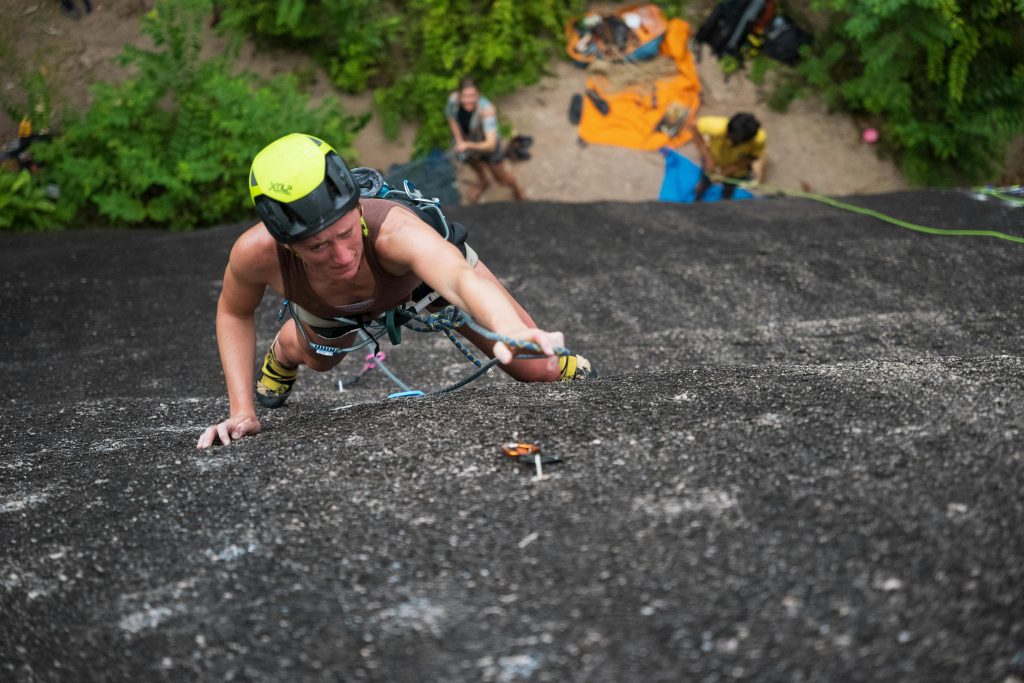
The Best Methods on How to Improve Stamina for Hiking
Improving your hiking stamina requires a combination of physical training, proper nutrition, and the right mindset. The good news is that you don’t need to spend hours in the gym or follow a rigid training plan. By incorporating a few key activities into your daily routine, you can steadily build the endurance needed to take on more challenging hikes.
“Avoid rookie mistakes. Our free ebook Hiking for Beginners shows you how.”
Increase Daily Steps
One of the simplest ways to boost your stamina is to increase the number of steps you take each day. Walking more frequently, whether it’s during your lunch break, around your neighborhood, or even while running errands, helps build the muscle endurance necessary for hiking.
Aim to gradually increase your daily step count, and try to include some inclines or stairs to simulate the elevation changes you’ll encounter on the trails.
Steady State Cardio
Steady-state cardio exercises, like jogging, cycling, or swimming, are excellent for building endurance over time. These activities work your cardiovascular system and improve the efficiency of your heart and lungs, which are critical for sustaining energy during long hikes.
Aim for 30-60 minutes of steady-state cardio a few times a week, gradually increasing the intensity and duration as your stamina improves.

Strength Training
Strength training is essential for improving hiking stamina because it builds the muscles that support you during long hikes. Focus on exercises that target your legs, core, and back, such as squats, lunges, deadlifts, and planks.
Strong muscles help you maintain stability on uneven terrain, carry a heavy backpack with ease, and reduce the strain on your joints. Incorporate strength training into your routine at least twice a week to see the best results.
Understanding how much energy your hikes require can help you train smarter — this hiking calorie calculator gives a useful estimate.
Breathing Techniques
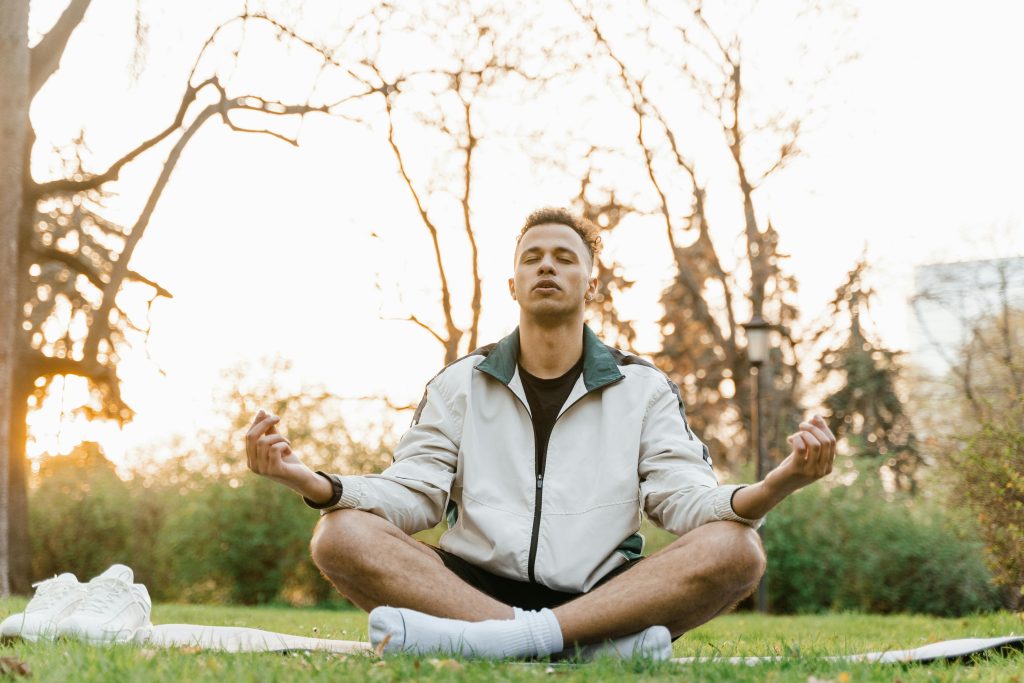
Effective breathing is often overlooked but plays a significant role in maintaining stamina. Practice deep, diaphragmatic breathing to improve your lung capacity and oxygen intake.
This technique involves breathing deeply into your belly rather than shallowly into your chest. During hikes, focus on maintaining a steady breathing rhythm, especially during strenuous sections.
Proper breathing ensures that your muscles receive enough oxygen, preventing fatigue and helping you maintain your pace.
Proper Fueling
Nutrition is a critical component of stamina. Eating a balanced diet rich in complex carbohydrates, lean proteins, and healthy fats provides the energy your body needs for endurance activities like hiking.
Before a hike, focus on consuming slow-releasing carbs, like whole grains, to provide sustained energy. During the hike, snack on nutrient-dense foods like nuts, dried fruits, and energy bars to keep your energy levels stable.
Hydration is equally important, so be sure to drink plenty of water before, during, and after your hike.
Small daily habits beat occasional big workouts. Even 10–15 minutes of movement added throughout the day compounds into noticeable stamina gains on the trail.
Pacing Yourself
Learning to pace yourself is crucial for maintaining stamina on longer hikes. Start your hike at a comfortable pace that allows you to conserve energy for the entire duration.
It’s tempting to start strong, especially when you’re excited, but going too fast too soon can lead to early fatigue. Practice pacing during your training walks or runs by maintaining a steady speed that you can sustain for the entire session.
Over time, you’ll develop an instinct for pacing that will help you tackle even the most challenging hikes without burning out.
Correct Mindset
Stamina isn’t just physical; it’s also mental. Developing the right mindset is essential for pushing through tough sections of a hike. Focus on setting small, achievable goals, like reaching the next trail marker or completing the next mile, rather than thinking about the entire hike at once.
Positive self-talk can also be a powerful tool for maintaining motivation and resilience. Remind yourself of the progress you’ve made and visualize the rewarding views you’ll experience at the end of the trail.
Building mental stamina will help you stay focused, confident, and determined, even when the hike gets tough.
In Conclusion
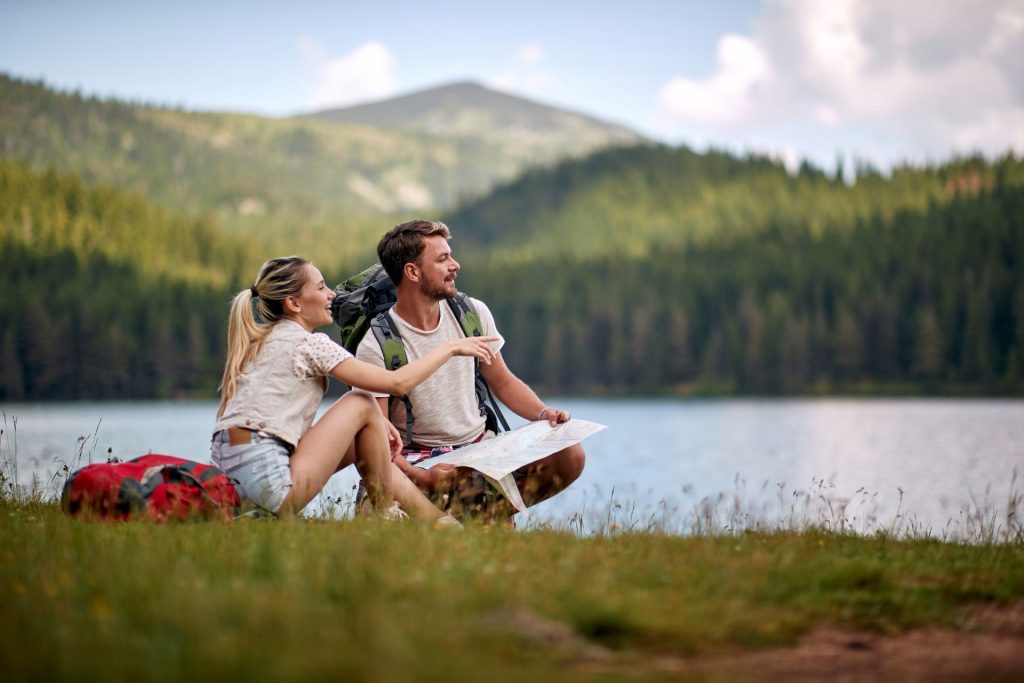
Improving your hiking stamina is a journey that involves a combination of physical training, proper nutrition, and mental preparation.
By incorporating activities like increasing your daily steps, engaging in steady-state cardio, strength training, and practicing breathing techniques, you can steadily build the endurance needed to enjoy longer and more challenging hikes.
Proper fueling, pacing yourself, and cultivating a positive mindset are equally important for ensuring you can hike with confidence and energy.
As you add these practices into your daily routine, you’ll notice improvements in your stamina, allowing you to take on new trails, explore more breathtaking landscapes, and fully enjoy the experience of hiking. So lace up your boots, hit the trails, and start experiencing the results of your hard work!


