
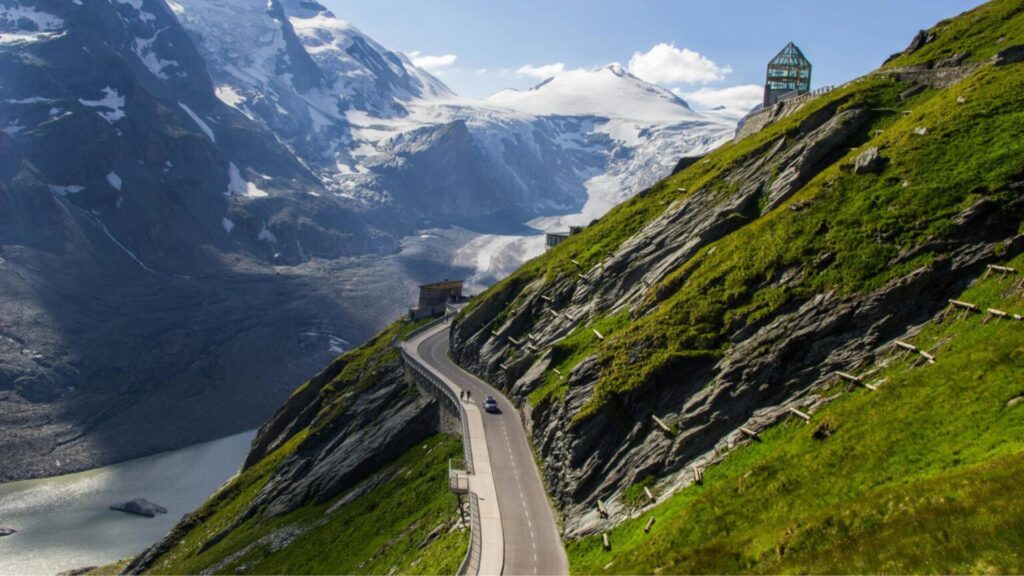
Tucked between craggy Alpine peaks and postcard-perfect valleys, Tyrol isn’t just beautiful—it’s almost suspiciously beautiful.
It’s the kind of place where mountain views arrive with a soundtrack of cowbells and rushing streams, while well-connected towns and villages make it surprisingly easy to build a hiking trip around the scenery.
This guide covers the main hiking regions, places to stay, seasons, transport, mountain huts and practical details you need to start planning your time in Tyrol.
While this guide covers the practical side of planning a hiking trip, our guide to the best hikes in Tyrol takes a closer look at individual routes across the region.
- Why Hike in Tyrol?
- What Kind of Hiking Can You Do in Tyrol?
- The Main Hiking Regions of Tyrol
- The Best Places to Stay for Hiking in Tyrol
- When Is the Best Time to Hike in Tyrol?
- Getting to Tyrol
- Getting Around Tyrol Without a Car
- Mountain Huts and Overnight Hiking
- Planning a Walking Holiday in Tyrol
- What to Bring for Hiking in Tyrol
- Practical Tips for Hiking in Tyrol
- Is Tyrol a Good Hiking Destination for You?
- Conclusion: More Than Just Trails
- Where to Next?
Why Hike in Tyrol?
Tyrol isn’t a one-size-fits-all kind of hiking destination. It’s a patchwork of towering peaks, broad alpine valleys and villages that look like they were designed by someone with a serious fondness for gingerbread trim and flower boxes.
What makes it particularly appealing is how much variety you can fit into a single trip.
One day might involve a relaxed valley walk followed by coffee and cake; the next could have you climbing towards a mountain hut with glaciers filling the horizon.
Cable cars make many panoramic trails easier to reach, while buses and trains connect several of the region’s main hiking areas.
Add in a well-developed network of mountain huts, and Tyrol manages to feel properly wild without making every adventure unnecessarily difficult to organise.
The question isn’t really whether there is somewhere worth walking. It’s deciding which part of Tyrol best suits the kind of hiking holiday you have in mind.
What Kind of Hiking Can You Do in Tyrol?
Tyrol caters to almost every kind of walker, from gentle valley strolls and cable-car-assisted panoramas to demanding high-alpine routes and multi-day hut-to-hut adventures.
Valley Walks and Scenic Strolls
For those of you who prefer to keep it gentle, there are plenty of routes that hug the valley floor and that offer alpine views without the steep climbs.
The Leutasch Valley and Alpbachtal are known for their charming and undulating trails through wildflower meadows and pine forests.
These are perfect for half-day hikes with coffee breaks built in.
Mid-Altitude Rambles
This is Tyrol’s sweet spot. Trails at this level offer incredible views without the lung-burning exertion of high-altitude trekking.
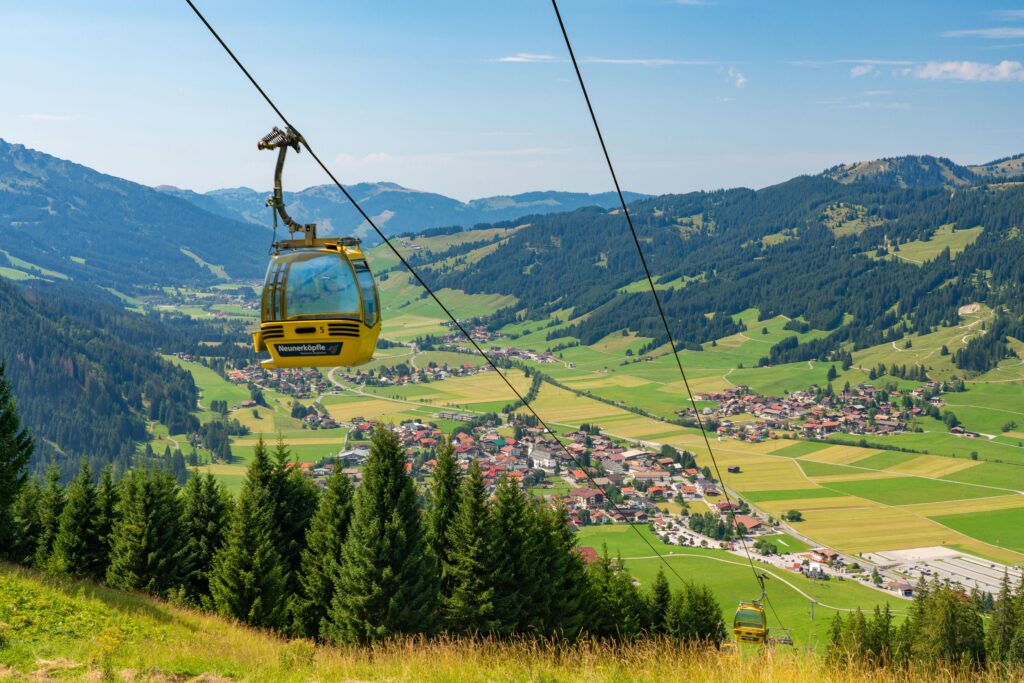
The Zirbenweg Trail above Innsbruck is a prime example since it’s a panoramic walk through stone pine forests with cable car access at both ends (for those of you who prefer skipping the uphill grind).
High-Alpine Challenges
For hikers who think “moderate” sounds suspiciously like “not hard enough,” Tyrol’s high-alpine routes bring considerably more drama.
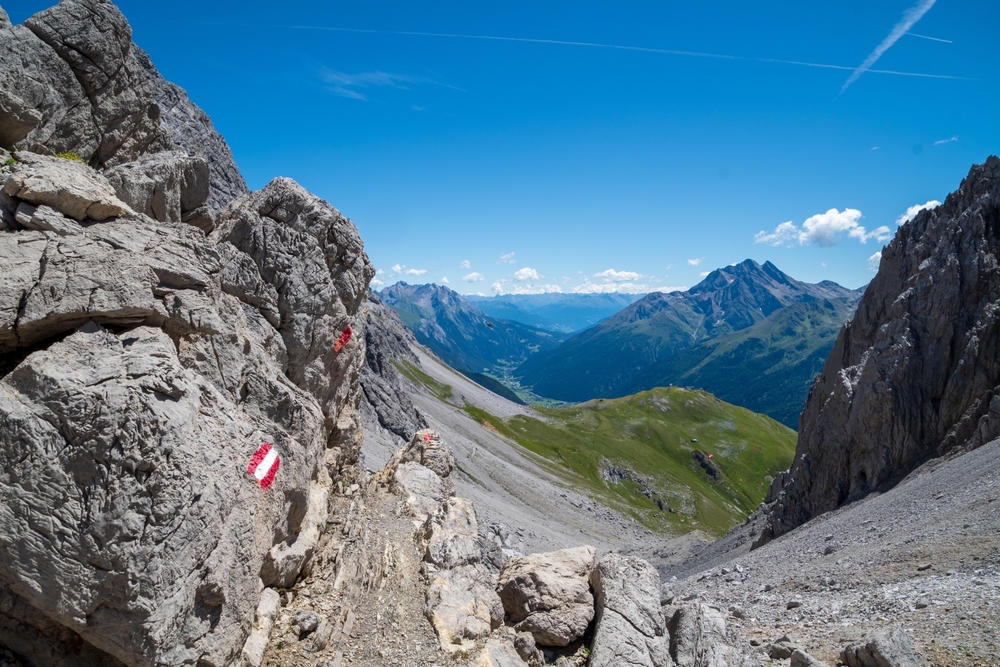
These trails climb beyond the gentler valleys and forest paths into rockier terrain, exposed slopes and higher mountain passes.
They can reward the effort with glacier views, sharp ridgelines and panoramas that seem to stretch halfway across Austria.
The trade-off is that conditions are more serious.
Fitness, suitable equipment and a good understanding of the route matter more here, particularly when snow, poor visibility or rapidly changing weather enters the picture.
For specific mountain routes at several difficulty levels, our guide to the best hikes in Tyrol offers a closer look at some of the region’s standout options.
Hut-to-Hut and Long-Distance Hiking
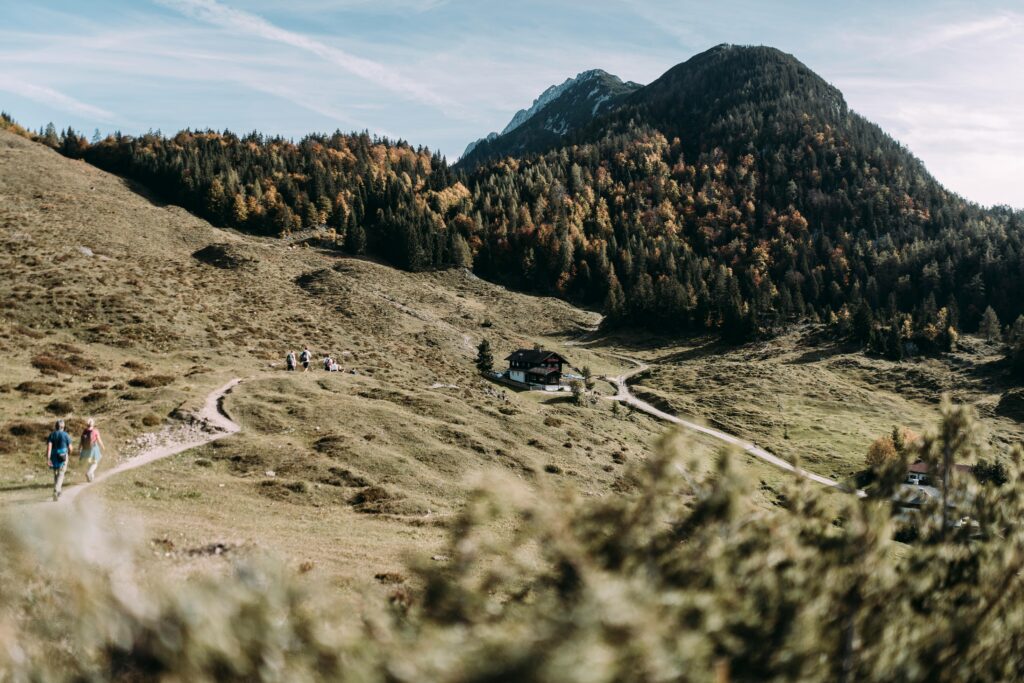
For those of you who prefer your hiking trips to last longer than the snacks in your daypack, Tyrol is one of Austria’s great hut-to-hut destinations.
Routes such as the Stubai High Trail, Adlerweg and Ötztal Trek link together mountain huts over several days, allowing walkers to travel through the Alps without returning to the valley each evening.
Days can include long climbs, high passes and rough mountain terrain, followed by a hot meal and a bunk with a view that would normally cost extra.
These routes vary considerably in difficulty.
Some sections are manageable for fit and experienced walkers, while others involve exposed ground, substantial elevation and conditions that require proper alpine preparation.
The full routes can take a week or longer, but several can also be divided into shorter sections.
This makes it possible to experience a few nights in the mountains without committing your entire holiday—and possibly every functioning muscle in your legs—to the cause.
Via Ferrata (Klettersteig)
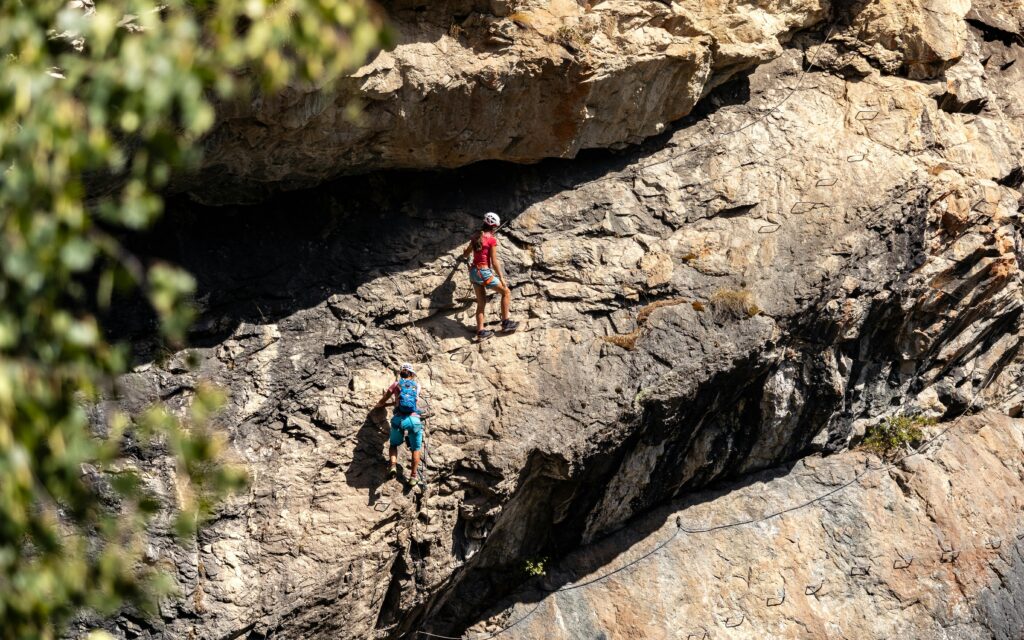
Not quite hiking and not quite climbing, via ferrata—or Klettersteig, as it is known locally—adds fixed cables, metal steps and ladders to exposed mountain routes.
The Achensee Five-Peaks Via Ferrata is one of Tyrol’s better-known examples, combining airy ridge sections with wide views across the Rofan Mountains and Lake Achensee.
These routes require a proper via ferrata set, helmet and an understanding of how to use the equipment.
Easier courses can be accessible to newcomers with instruction or a guide, but a head for heights certainly helps. Nerves of steel remain optional, although they are unlikely to go unused.
The Main Hiking Regions of Tyrol
Tyrol is made up of several valleys and mountain areas, each offering a slightly different style of walking.
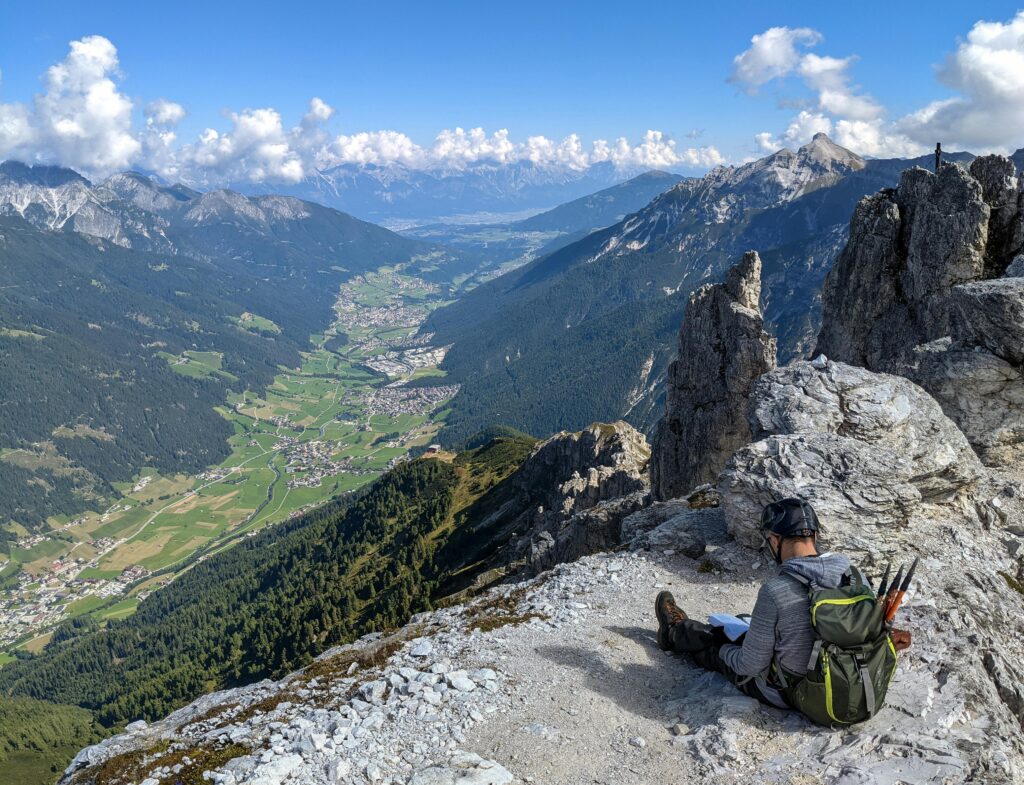
Stubaital
This is a hiker’s paradise with everything from waterfall circuits to glacier adventures.
It’s also home to the Stubai High Trail, which is a tough but iconic multi-day route with some of the best mountain hut views in the Alps.
It is a particularly strong choice for hikers who want waterfalls, accessible valley walks and the option to progress towards more demanding hut-to-hut terrain.
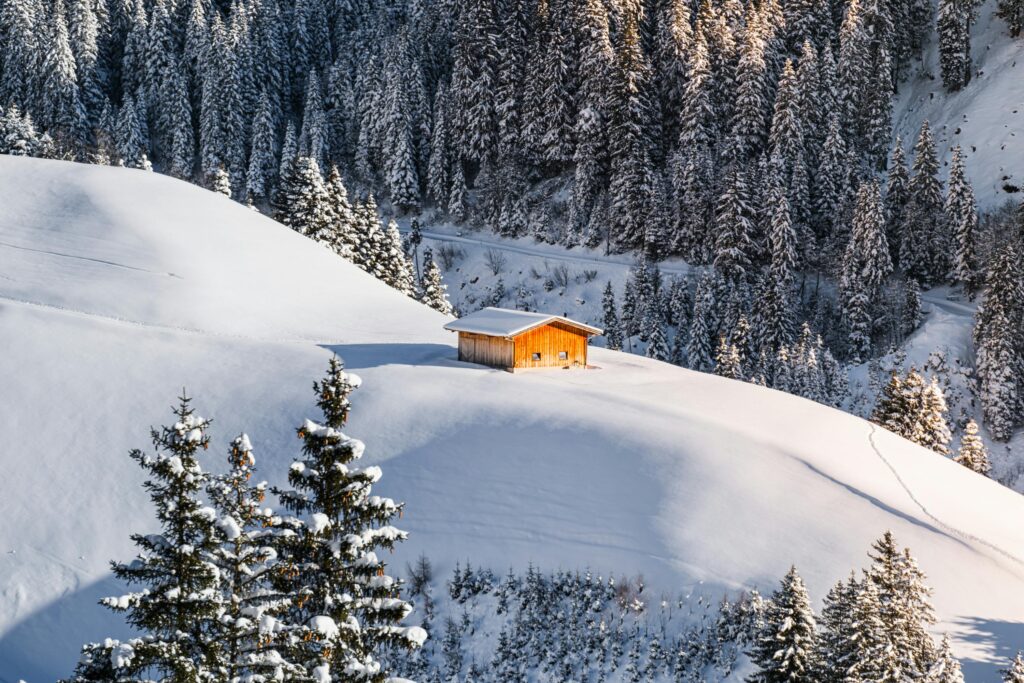
Zillertal
Picture-perfect valleys, rugged peaks, and one of the best hut systems in the country.
The Berlin High Trail (Berliner Höhenweg) is a classic here.
Mayrhofen makes a practical base for the valley, with cable cars, local transport and access to both relaxed day hikes and serious multi-day routes.
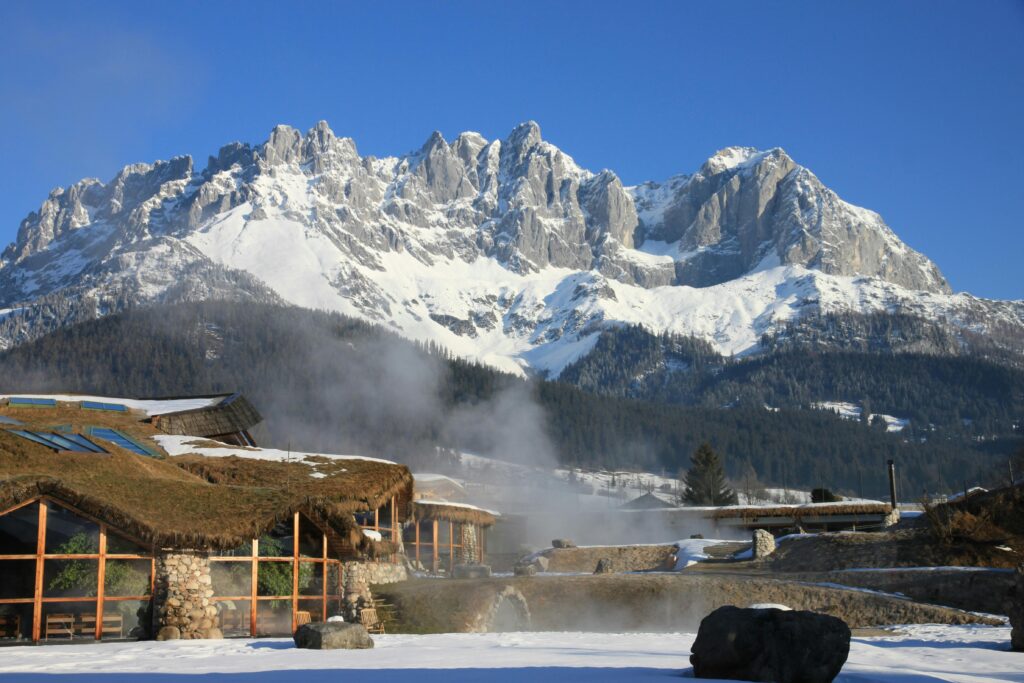
Wilder Kaiser
Dramatic limestone formations, traditional alpine villages, and trails ranging from mild to “maybe just a cable car.”
It’s also great for families with a network of theme trails and easy scenic walks.
The combination of easier themed trails and dramatic limestone scenery makes it especially well suited to families, mixed-ability groups and first-time Alpine visitors.
Ötztal Alps
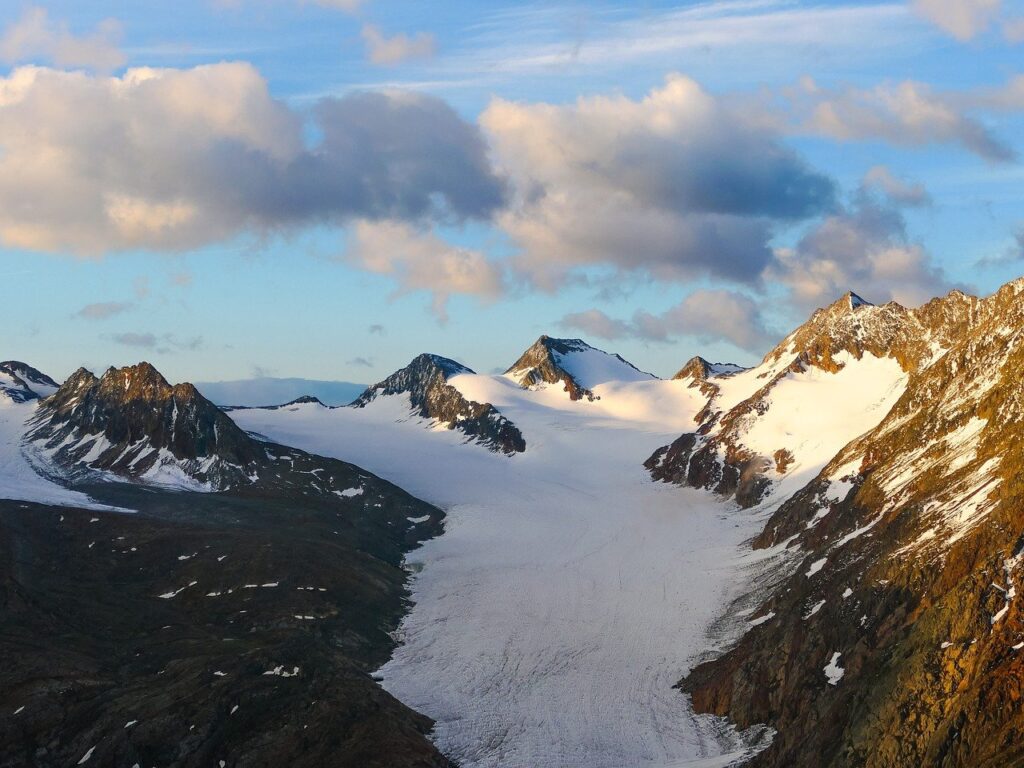
The Ötztal Alps offer a more rugged and high-altitude style of hiking, with glaciers, mountain passes and long-distance routes spreading across one of Tyrol’s most dramatic landscapes.
The area is particularly rewarding for experienced walkers looking for multi-day adventures, although lower valley paths and lift-assisted hikes provide more approachable alternatives.
Sölden and the villages of the Ötztal make practical bases, while the Ötztal Trek connects the region’s higher terrain over a demanding series of stages.
Karwendel Mountains
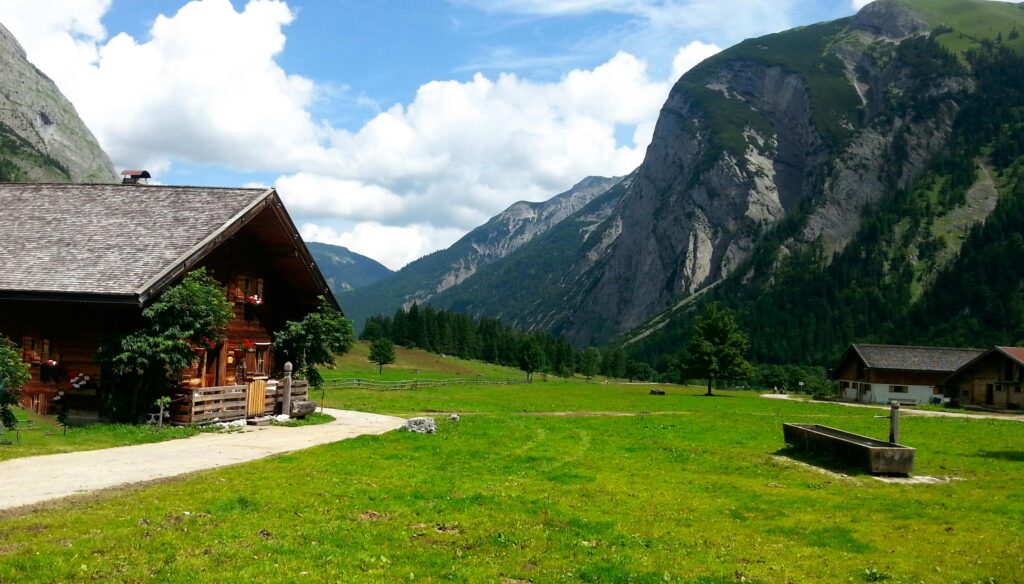
Just outside Innsbruck, this is one of the largest protected areas in the Alps.
It’s perfect for day hikes and wildlife spotting, with trails that feel a bit more remote and untamed.
Innsbruck, Seefeld and the villages around Achensee provide useful access points for hikers looking for quieter day walks and a more rugged mountain setting.
Achensee and the Rofan Mountains
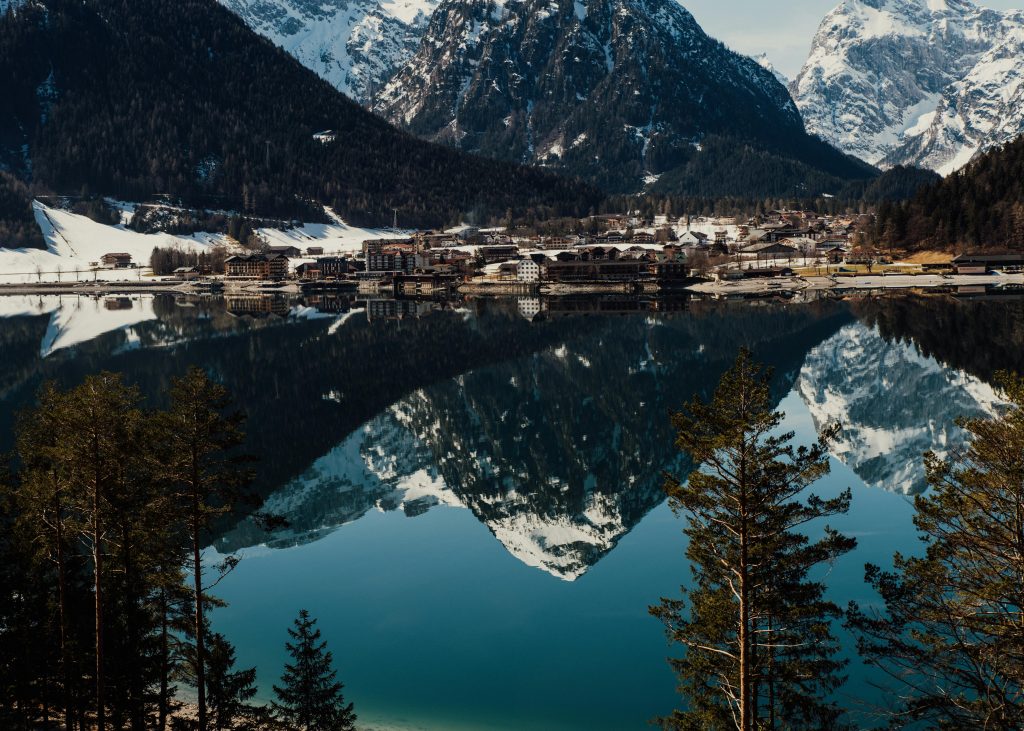
Lake Achensee brings a slightly different flavour to hiking in Tyrol, combining clear blue water with the limestone peaks of the Rofan and Karwendel Mountains.
Walkers can choose from easy lakeside paths, routes through the valleys around Pertisau and more demanding mountain hikes reached from Maurach.
Cable-car access into the Rofan Mountains also makes it possible to begin higher up, saving your legs for the scenery—or at least for the part of the climb with the best views.
This is an especially appealing area for mixed-ability groups, as gentle waterside walks and proper mountain days can be found within the same region.
“First time on the trail? Hiking for Beginners has your back.”
The Best Places to Stay for Hiking in Tyrol
A good hike doesn’t start at the trailhead; it starts with the right base, the right boots, and maybe a strong Austrian coffee.
Take time when choosing a region, as that determines the landscapes and trails around you; choosing a base determines how easily you can reach them each morning.
Innsbruck
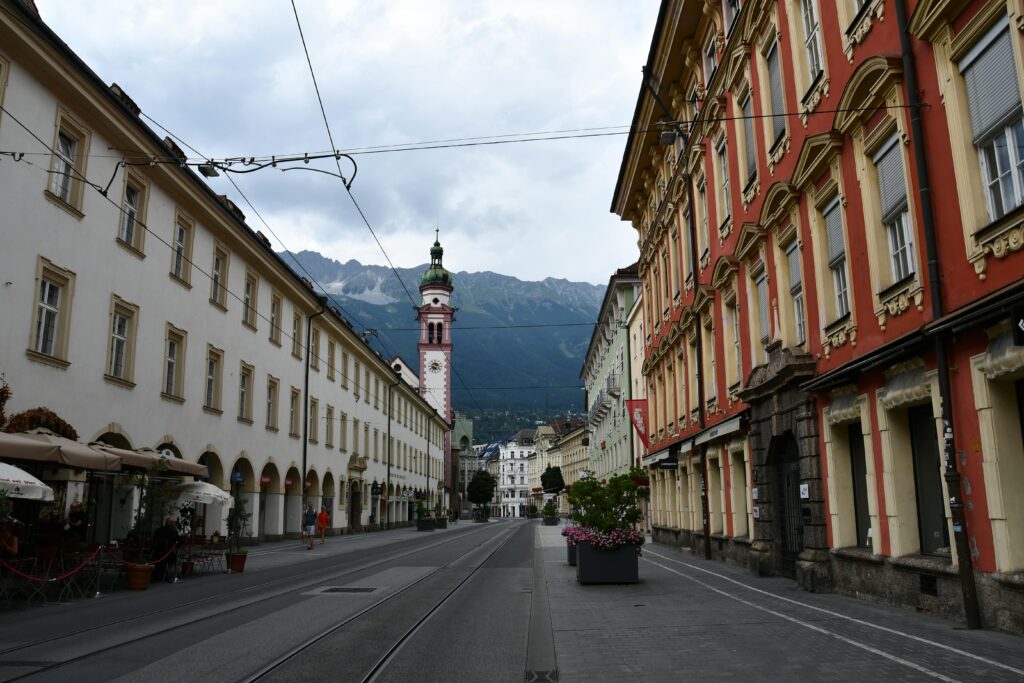
Innsbruck, is where urban charm meets alpine access, making it ideal for those of you who like to mix trail time with a little culture.
You can hit the Nordkette trails in the morning, grab lunch in the medieval Old Town, and still have time for a cable car ride before dinner time.
Mayrhofen
Sitting pretty in the Zillertal Valley, Mayrhofen combines big trail energy with that classic Tyrolean mountain-town feel.
Totally surrounded by glaciers and peaks, it offers access to everything from mellow valley walks to serious high-alpine routes.
Seefeld
Set on a broad high plateau north-west of Innsbruck, Seefeld is particularly well suited to walkers who want mountain scenery without spending every day tackling steep alpine climbs.
Its extensive trail network includes forest paths, meadow walks and routes connecting the surrounding villages.
The terrain is often gentler than in Tyrol’s higher mountain valleys, making Seefeld a good choice for relaxed walking holidays, beginners and anyone who believes a holiday should include at least one day when their knees are not negotiating terms.
The town also has a strong accommodation and transport network, allowing visitors to explore several trails without changing bases.
Additional bases worth considering
Innsbruck, Mayrhofen and Seefeld cover three very different styles of trip, but they are not the only practical places to stay.
Sölden works well for exploring the Ötztal and accessing higher mountain terrain, while St. Johann in Tirol provides a convenient base for the Wilder Kaiser and Kitzbühel Alps.
Maurach and Pertisau are strong choices around Lake Achensee, especially for travellers combining lakeside walks with routes into the Rofan and Karwendel Mountains.
The best option depends on whether you value direct trail access, public transport, nightlife or the ability to collapse quietly into a spa after walking uphill all day.
When Is the Best Time to Hike in Tyrol?
The best time to visit depends on how high you plan to walk.
Lower valley trails can be enjoyable across a long season, while high passes and hut-to-hut routes have a much narrower window.
The main hiking season in Tyrol generally runs from June to October, although the best month depends on the altitude and type of trail you have in mind.
Summer Hiking Season
July and August offer long daylight hours, open mountain huts and the widest access to higher trails.
They are also the busiest months, particularly around popular cable cars, viewpoints and well-known routes.
Warm afternoons can bring thunderstorms, so starting early is sensible for longer mountain hikes.
Snow may also remain on some high passes into early summer, meaning certain hut-to-hut routes do not fully open until late June or July.
Spring and Autumn
May and early June can be excellent for valley walks, waterfalls and lower forest trails, but many high-altitude routes may still be affected by snow.
September is often one of the best months to visit.
The busiest summer crowds begin to thin, temperatures are generally comfortable and many huts and mountain trails remain open.
October can still be beautiful at lower elevations, especially once the autumn colours arrive, although colder weather and early snowfall may limit access higher in the mountains.
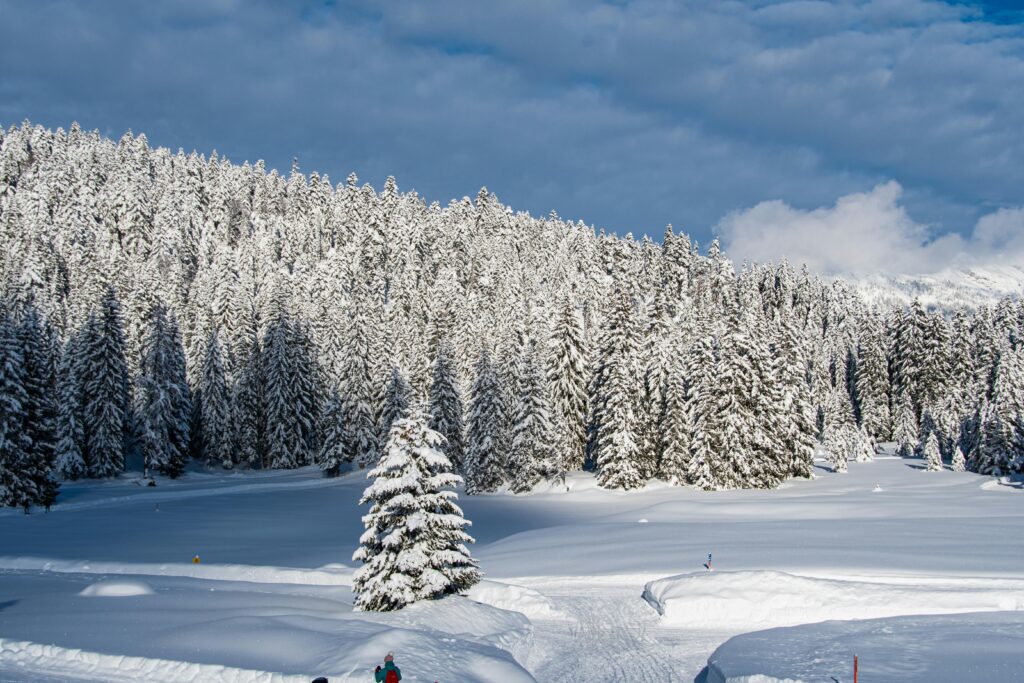
Winter Walking and Snowshoeing
From December to March, Tyrol becomes a winter-walking and snowshoeing destination rather than a conventional hiking one.
Prepared winter paths provide accessible options around many valleys and resorts, while unmarked snowy terrain may involve avalanche risks and should only be attempted with the appropriate knowledge, equipment or a qualified guide.
For the widest choice of open trails and huts, visit Tyrol from late June to September, with September offering a particularly good balance of conditions and smaller crowds.
Getting to Tyrol
Tyrol is incredibly accessible, and especially for those of you who appreciate scenic train rides and punctual schedules.
Innsbruck, the capital, is the gateway to the region and it’s served by direct train lines from Vienna, Munich, Zurich, and beyond.
Innsbruck Airport also handles flights from across Europe, if your time is tight and your budget isn’t.
Coming from Vienna? Hop on the Railjet and glide westward through rolling countryside and mountain tunnels. You’ll be in Innsbruck in just under five hours.
Getting Around Tyrol Without a Car
Once you’re in the region, getting around is refreshingly easy. The ÖBB (Austrian Federal Railways) network and regional bus systems are impressively thorough.
For those of you sticking to well-known hiking areas (like the Zillertal, Stubaital, or Wilder Kaiser) public transport is more than sufficient.
Innsbruck even offers a Guest Card with free or discounted travel and cable car access, depending on your accommodation choice.
However, for those of you who like to chase lesser-known trailheads or bounce between tiny mountain hamlets, renting a car can offer flexibility and spontaneity.
Just be prepared for winding roads, narrow passes, and the occasional curious cow blocking traffic!
Bottom line: trains and buses will get most hikers where they need to go.
But if you’re craving off-the-beaten-path solitude, having your own wheels can turn a good trip into a great one.
Mountain Huts and Overnight Hiking
For those of you dreaming of overnight adventures, mountain huts (Almhütten) in Tyrol are both charming and practical.
The Austrian Alpine Club (ÖAV) and Naturfreunde maintain most of the huts, and booking ahead is a really good idea during peak summer months.
Many serve dinner and breakfast, and some even offer hot showers.
Expect to stay in dorm-style bunks (though private rooms are available at larger huts), and bring a sleeping bag liner.
Blankets are provided, but sheets are usually not.
Planning a Walking Holiday in Tyrol
For those of you who think holidays should come with fresh air and stunning views and just the right amount of smug satisfaction after a long day on foot, Tyrol is practically custom-built!
Not sure which route suits your time or fitness? Our guide to the best hikes in Tyrol compares accessible walks, mountain day hikes and multi-day routes across the region.
Self-Guided Walking Holidays
If you’re someone who likes the freedom of choosing your pace but doesn’t want to spend the evening figuring out where to sleep, self-guided holidays are the way to go.
Routes are pre-planned, your luggage gets transported for you, and all you need to worry about is whether to stop at the first scenic bench or hold out for the one with the better view.
“Plan less, walk more.” Pick a route, set your pace, and let Europe unfold under your boots: grab your free Walking Holiday ebook today”
Guided Hiking Tours
Or do you prefer walking in good company with a local who knows their ibex from their marmots?
Guided group tours are a great option, and especially if you like your hikes with a side of interesting facts and someone else navigating.
Hotel-Based and Luxury Hiking Holidays
And for those of you thinking, “Hiking, yes, but must I give up comfort?”…not even slightly! Tyrol knows how to do luxury in hiking boots.
Wellness hotels dot the region, where your reward for a day on the trail is a dip in a panoramic spa and then followed by something delicious and probably involving melted cheese.
For a closer look at what these trips involve, see our guide to what to expect from luxury Walking Holidays
Long-Distance and Themed Routes
If you like your walks with a bit of purpose or storytelling, Tyrol has that covered too. Themed trails are everywhere!
The Zirbenweg above Innsbruck, for example, is a gentle route that will take you through ancient pine forests and with views over the Inn Valley and pine-scented air that could probably be bottled and sold as “relaxation.”
The Adlerweg is a popular choice for this kind of trip since it’s iconic, well-marked, and full of moments that make you stop and say, “Is this real?”
Or there’s the Via Claudia Augusta, which was once a Roman trade route and now a peaceful path through history, dotted with little signs reminding you that people were crossing these mountains long before hiking boots were a thing.
What to Bring for Hiking in Tyrol
What you carry will depend on the season, altitude and length of your route, but even an easy-looking Alpine walk can involve fast-changing weather and rougher terrain than expected.
- Supportive hiking footwear – Choose boots or trail shoes with reliable grip and enough support for rocky paths, long descents and uneven ground.
- A waterproof hiking jacket – Mountain weather can change quickly, so a lightweight shell is worth carrying even when the forecast looks friendly.
- A small daypack – A 20–30 litre pack is usually enough for water, food, spare layers and safety essentials on most day hikes.
- Comfortable hiking layers – Bring a moisture-wicking base layer, a warm mid-layer and clothing you can add or remove as the temperature changes with altitude.
- Trekking poles – These can make steep climbs more manageable and reduce strain on the knees during long or rocky descents.
- Navigation and basic safety gear – Carry an offline map or GPS device, a charged phone, a small first-aid kit and a headtorch in case the walk takes longer than planned.
- Water and trail food – Bring enough for the full route, even when huts are marked along the way, as opening hours and seasonal availability can vary.
🗒️ Free Checklist: “Never forget the essentials — grab your free Ultimate Hiking Packing List.”
Practical Tips for Hiking in Tyrol
A little planning goes a long way in the Alps, particularly when your chosen trail involves cable cars, mountain huts or weather that appears to be making decisions of its own.
- Check trail conditions before setting out. Snow, storms and maintenance can affect routes even during the main season.
- Confirm cable-car operating dates and last departures. Missing the final lift can turn a pleasant descent into an unexpectedly committed evening walk.
- Start longer mountain hikes early. This provides more time and reduces your exposure to afternoon thunderstorms.
- Carry waterproof and insulating layers. Conditions can change quickly with altitude, even when the valley begins warm and sunny.
- Reserve popular huts ahead. Summer spaces on well-known routes can fill weeks or months in advance.
- Bring a sleeping bag liner for overnight hut stays. It is required at Austrian Alpine Club sleeping places.
- Carry some cash. Card payments are increasingly common, but remote huts and smaller businesses may not always have a reliable connection.
- Do not rely on cable cars to make every route easy. They may remove part of the climb, but the terrain above the station can still be steep, rocky or exposed.
Is Tyrol a Good Hiking Destination for You?
Tyrol is particularly well suited to travellers who want the scenery of a serious mountain destination without giving up good transport, comfortable bases and the occasional restorative slice of strudel.
Beginners can find valley paths, panoramic walks and cable-car-assisted routes, while experienced hikers have access to high passes, exposed mountain terrain and multi-day hut routes.
It is also a strong choice for mixed trips. Innsbruck allows you to combine city sightseeing with day hiking, Achensee balances lakeside walking with mountain routes, and valleys such as Stubai and Zillertal can support anything from a gentle afternoon stroll to a week in the high Alps.
Tyrol may be less suitable for travellers seeking complete isolation or consistently flat terrain.
Even so, its sheer range means most walkers can find something that matches their experience, fitness and preferred level of uphill suffering.
Conclusion: More Than Just Trails
Hiking in Tyrol is one of those rare travel experiences that somehow manages to feel both wild and wonderfully easy.
The trails are world-class, but it is everything wrapped around them that really seals the deal: mountain villages connected by public transport, cable cars that carry walkers towards the higher paths and huts waiting with warm meals at the end of a long day.
You can base yourself in Innsbruck and fit mountain walks around museums and old-town lunches, settle beside Lake Achensee for a quieter trip or disappear into the Stubai, Zillertal or Ötztal Alps for several days at a time.
Whether you are looking for gentle valley walks, high-alpine challenges or your first hut-to-hut adventure, Tyrol gives you plenty of ways to build a hiking holiday around your own ability and pace.
And when the scenery becomes almost suspiciously beautiful again, you will at least know that it was not a one-off.
Where to Next?
Tyrol is only one part of Austria’s much larger hiking landscape. Continue planning with these related guides:
Best Hikes in Tyrol
Compare accessible panoramic walks, family-friendly routes, demanding mountain days and longer hut-to-hut adventures across the region.
Innsbruck: A City Guide for Hikers
Learn how to use Tyrol’s capital as a hiking base while combining mountain trails, cable-car access and time in the Old Town.
Ultimate Guide to Hiking in Austria
Explore Austria’s main hiking regions, trail styles, seasons and practical considerations before planning a wider trip.
Walking Holidays in Austria
Discover the different ways to organise a longer walking trip, from self-guided holidays and luggage transfers to guided tours.
A Beginner’s Guide to Hiking the Austrian Alps
Prepare for your first Alpine hiking trip with practical guidance on terrain, weather, equipment and what to expect on the trails.
An Introduction to Hut-to-Hut Hiking in Austria
Find out how Austria’s mountain huts work and how to plan your first multi-day journey through the Alps.


