

Trekking in Europe offers a unique blend of diverse landscapes, historic trails, and deep-rooted cultural traditions. It differs in subtle but important ways from hiking elsewhere — from hut culture to trail etiquette and weather variability.
With the right planning, equipment, and knowledge about what to expect, you can maximize your enjoyment on Europe’s picturesque trails and enjoy a safe and memorable adventure.
This guide covers the essential equipment and planning steps needed for a successful trek across Europe.
What Makes Trekking in Europe Different?
Europe rewards preparation over rugged self-sufficiency. You’ll often move village to village rather than camp in deep wilderness — which changes how you pack and plan.
Trail Structure and Accessibility
European trails often connect towns and villages, allowing hikers to stop at local accommodations, whereas many U.S. trails frequently require self-sufficiency for overnight stays.
Permits and Regulations
Many European trails have different permit requirements and regulations than U.S. trails. It’s important to research and secure permits for specific routes ahead of time.
Trail Etiquette
European trails emphasize respecting historical sites and cultural landmarks, and maintaining minimal environmental impact is heavily stressed.
Terrain and Weather
Europe’s diverse landscapes mean encountering a range of terrains, from the mountainous Alps to the coastal trails of Spain. Weather conditions vary significantly depending on the region and season.
Understanding these differences helps with preparation, ensuring a smooth and enjoyable hiking experience.
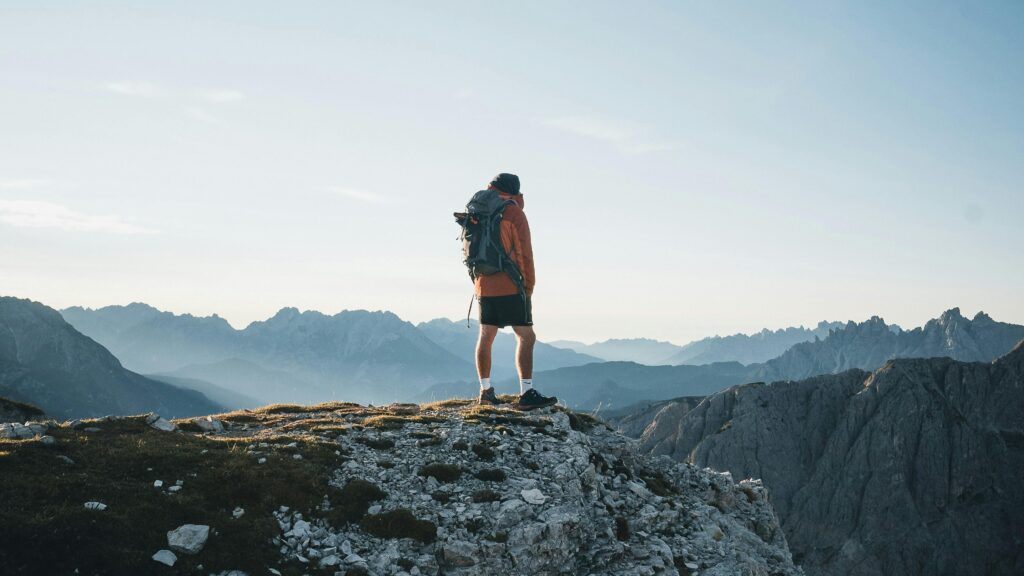
Choosing the Right European Trek
Selecting a destination involves more than picking a scenic spot on the map. Researching factors such as climate, terrain, and local customs will help you choose trails best suited to your experience level.
Here are a few things to consider:
Visas & Entry Requirements
One of the most crucial parts of your planning process is to verify visa requirements for your chosen country. European visas can take time to process, so it’s wise to start early.
Permits & Local Regulations
Similar to visas, some trails may require permits, particularly those in protected areas. Make sure to verify the requirements before you start your trip.
Climate & Seasonal Considerations
Europe’s weather can vary widely depending on the region and season. Knowing the weather helps with packing suitable clothing and planning safe routes.
“First time on the trail? Hiking for Beginners has your back.”
Match the Route to Your Fitness Level
Researching the terrain can guide you in choosing trails that match your skill level. It can also help with packing the appropriate gear, such as footwear and trekking poles.
Cultural Awareness & Language
Learning local customs and culture enhances your interaction with locals and helps you fit in smoothly.
Trail Etiquette
Understanding local trail etiquette — from respecting farmland to greeting fellow hikers — helps you move confidently and respectfully through different regions.
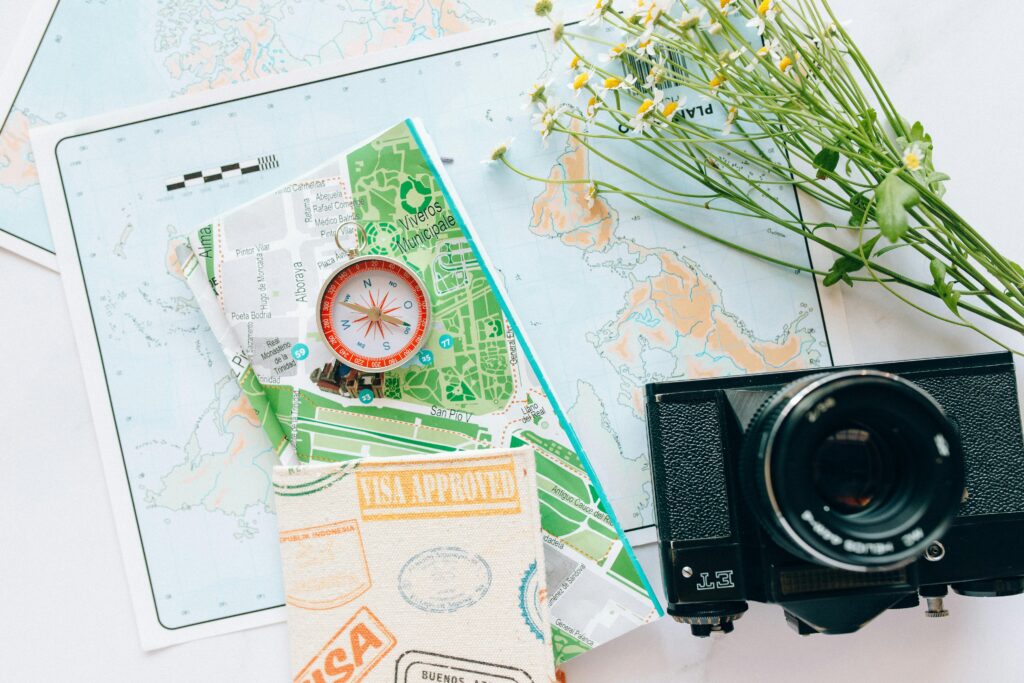
What to Pack for a Hike in Europe
Packing smartly is key to a successful hiking experience. Both overpacking and underpacking can create issues, so it’s essential to know the basic necessities for a comfortable and safe trek.
Core Clothing System
Base Layers
While thermal base layers aren’t always necessary, non-thermal layers are useful in cooler areas. Choose comfortable, moisture-wicking fabrics that are suitable for layering if needed.
Hiking Pants
Opt for lightweight, durable hiking pants that allow freedom of movement and dry quickly. Stretch fabrics and secure pockets add comfort and practicality on long days. In most European climates, versatility matters more than heavy insulation.
Jacket/Shell
A lightweight, waterproof, and windproof shell is essential for Europe’s fast-changing weather. Choose something breathable that layers easily over base and mid-layers. Mountain and coastal regions alike can shift conditions quickly.
Footwear
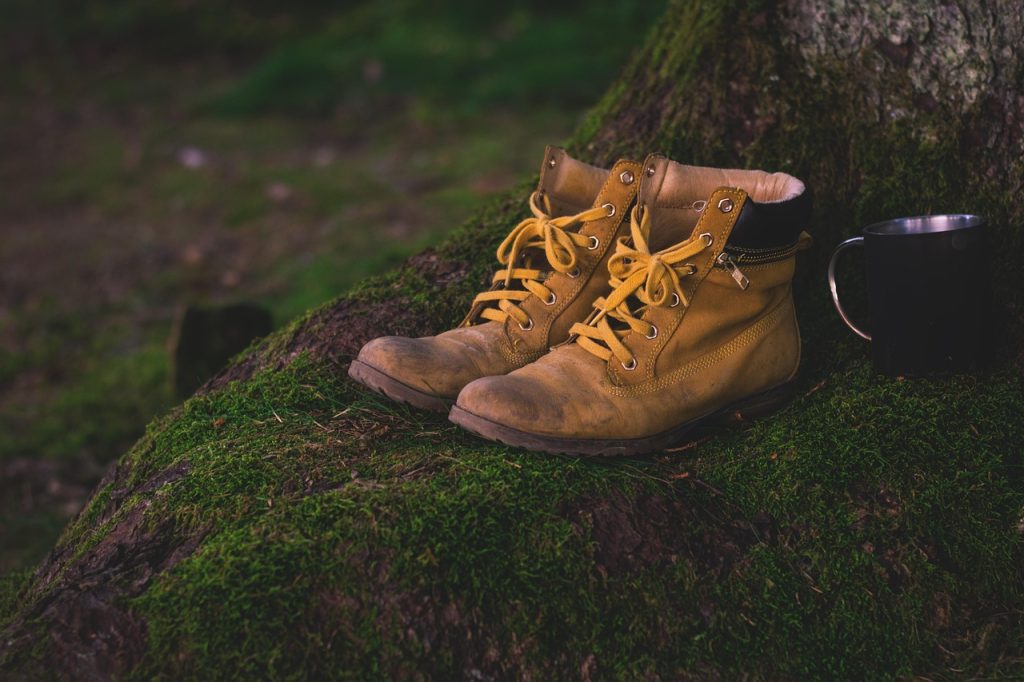
Wear sturdy hiking boots or shoes with reliable traction and support for steep, uneven terrain. European trails often involve rocky descents and mixed surfaces, so stability and comfort matter more than heavy insulation. Prioritize fit above all — blisters end treks quickly.
Backpack
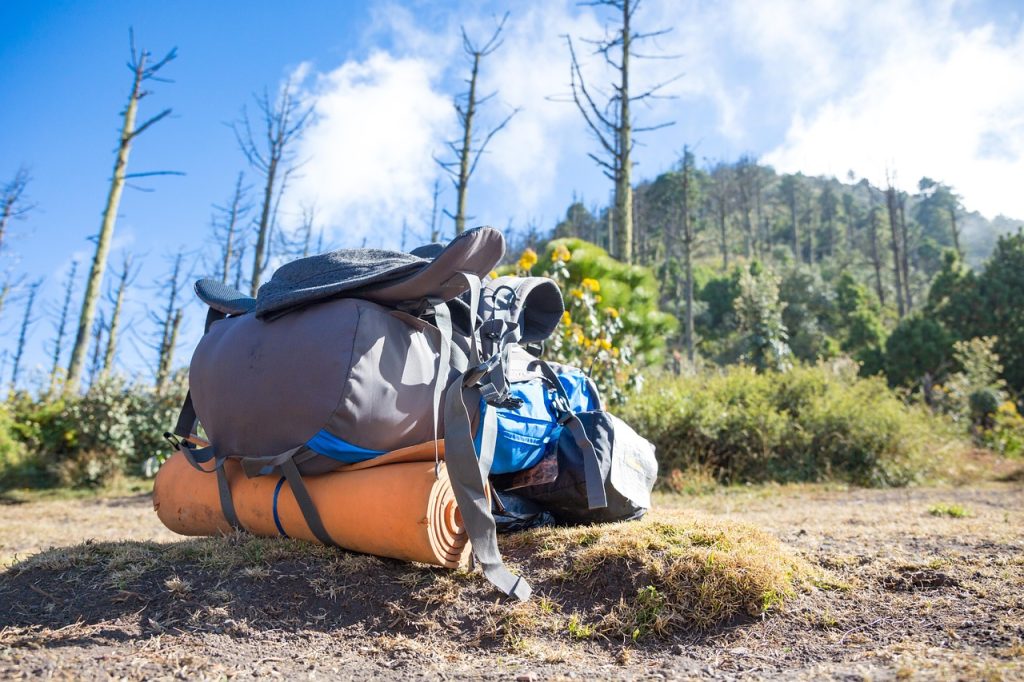
Choose a lightweight, durable backpack that fits comfortably and distributes weight well through padded straps and a supportive hip belt. For most European treks — especially hut-to-hut or village-to-village — a 30–40L pack is usually sufficient. Look for weather resistance, simple organization, and external attachment points for poles or layers.
Navigation & Tools
Navigation Tools
When hiking in Europe, reliable navigation tools are essential for safety and orientation. A detailed, up-to-date map of the area is crucial, especially in remote regions where trails can be less marked.
A GPS device or smartphone with offline maps offers precise navigation and can be lifesaving in low-visibility conditions. A compass is also valuable as a backup to digital tools, ensuring you can navigate if devices fail or lose power.
In mountainous regions, tracking elevation can help you pace climbs and manage weather exposure.
Additionally, apps like Komoot or AllTrails provide trail maps and user tips, enriching your hiking experience.

Trekking Poles
Hiking poles provide stability, balance, and support on challenging terrain. They help distribute weight, reducing strain on knees and joints, especially on steep descents.
Look for adjustable, lightweight poles made from materials like aluminum or carbon fiber for durability without added weight.
Poles with ergonomic grips, such as cork or foam, enhance comfort and reduce hand fatigue. Collapsible designs make them easy to store when not in use, and interchangeable tips provide traction on various surfaces.
First-Aid Kit
Carry a simple first-aid kit focused on blisters, minor cuts, pain relief, and any personal medication.
Include basics like bandages, antiseptic wipes, and blister treatment. Keep it compact but practical — enough to manage small issues before they become trip-ending problems.

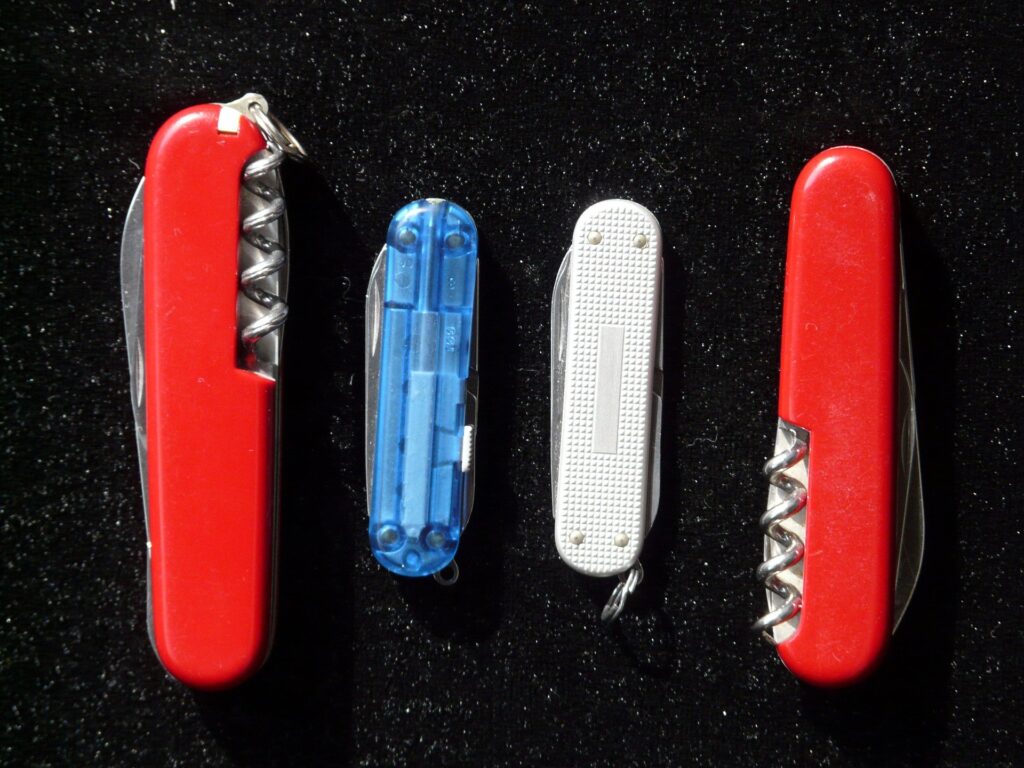
Multitool
A compact multi-tool is useful for minor repairs, gear adjustments, and small trail fixes. Keep it lightweight and functional — you don’t need a full workshop in your pack.
Food Strategy for European Trails
Keep food lightweight and energy-dense. On most European treks, you’ll resupply regularly, so you rarely need to carry more than a day or two of food.
- Trail mix (quick calories)
- Energy bars (convenient fuel)
- Jerky (protein support)
- Dehydrated meals (longer stages)
- Electrolytes (hydration support)
🗒️ Free Checklist: “Never forget the essentials — grab your free Ultimate Hiking Packing List.”
What Not to Bring on a Hike to Europe
Certain items are unnecessary and can create extra weight or inconvenience. Here are some things to leave behind:
- Too Many Clothes: Extra outfits add weight. Focus on functional, versatile pieces that can be worn multiple times.
- Bulky Gear: Overly heavy tents, sleeping bags, or cookware aren’t ideal for European trails where accommodations are accessible.
- Disposable Plastic: Single-use plastics contribute to waste and are often discouraged on trails.

Choosing Routes by Experience Level
Choosing the right hiking route depends on a few personal factors, such as your fitness level, experience, and the type of scenery you wish to enjoy. Research different trails based on difficulty, distance, and weather conditions.
Also consider trails that match your interest in culture, nature, or history, as Europe has routes that cater to a variety of preferences.
“Turn your dream trek into a plan — get your free Plan Your Own European Walking Holiday ebook ”
Short Walking Routes for Trekking in Europe
Ideal for first-time European trekkers or those combining hiking with sightseeing.
- Cinque Terre, Italy: This coastal trail offers stunning views of the Italian Riviera, weaving through colorful villages and cliffsides.
- Path of the Gods, Italy: Located on the Amalfi Coast, this moderate hike rewards with breathtaking views of the coastline.
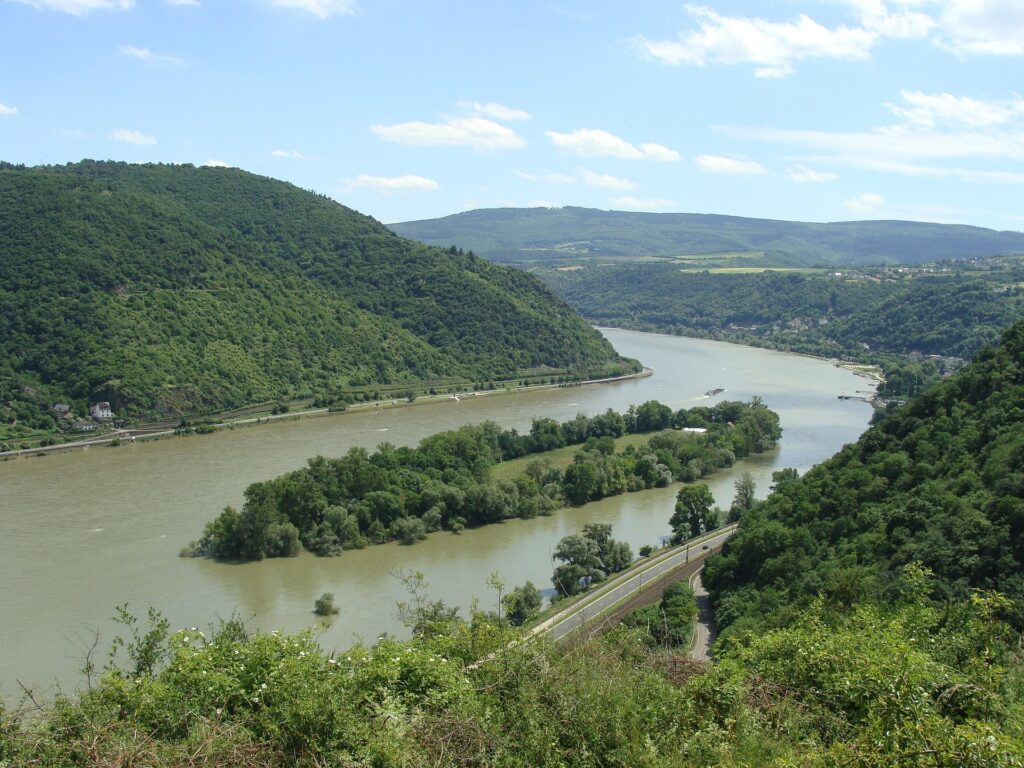
- Rhine Valley, Germany: A series of trails along the Rhine River with views of castles, vineyards, and charming villages.
- Eagle’s Nest Trail, Austria: This historical trail provides panoramic views of the Bavarian Alps and access to the famous Eagle’s Nest.
- The Gorge du Verdon, France: Often called the “Grand Canyon of Europe,” this trail offers dramatic views and the option to kayak along the river.
- Kerry Way, Ireland: A scenic walk in Ireland, featuring green rolling hills, picturesque lakes, and historic sites.
European Long Distance Walking Routes
Best suited for multi-day efforts and deeper immersion in landscape and culture.
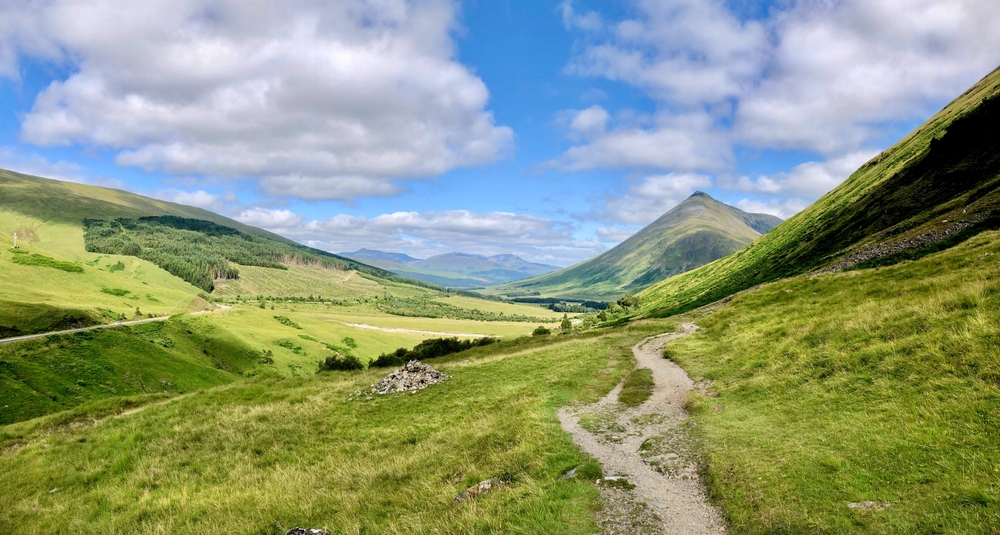
- West Highland Way, Scotland: A popular 96-mile trek through Scotland’s wild landscapes and quaint villages.
- Camino de Santiago, Spain: Known as the “Way of St. James,” this pilgrimage route offers spiritual and cultural enrichment.
- Tour du Mont Blanc, France/Italy/Switzerland: A loop around the Mont Blanc Massif, this route takes hikers through three countries with alpine scenery.
- Alta Via 1, Italy: A challenging trail through the Italian Dolomites, featuring rugged mountain passes and stunning vistas.
- GR20, Corsica, France: Known for its difficulty, this route crosses the island of Corsica, offering diverse landscapes and rugged beauty.
Trail Etiquette: The European Way
Understanding the basic etiquette and cultural expectations will help you enjoy a smoother hiking experience in Europe.
Dos
- Respect Local Customs: Be courteous to locals, and familiarize yourself with local traditions.
- Leave No Trace: Always carry out your waste to preserve the environment.
- Stay on Marked Trails: Stick to designated paths to protect fragile ecosystems and avoid private property.
Don’ts
- Do Not Litter: European trails are well-maintained, and littering is strongly discouraged.
- Avoid Excessive Noise: Enjoy the peaceful natural surroundings without disturbing others or wildlife.
- Refrain from Off-Trail Camping: Many trails restrict wild camping; always verify local regulations before setting up camp.
“Plan less, walk more.” Pick a route, set your pace, and let Europe unfold under your boots: grab your free Walking Holiday ebook today”
Final Preparation Checklist
Before you lace up your boots, run through this quick pre-departure check:
- Confirm visa requirements
- Check permit needs
- Download offline maps
- Book accommodations if required
- Check seasonal weather
- Share itinerary with someone
Where to Next?
Ready to turn planning into action?
- Explore our Ultimate Guides to specific European countries
- Discover iconic long-distance routes like the West Highland Way or Tour du Mont Blanc
- Browse Walking Holidays for structured village-to-village adventures
- Build your fitness with our trail-focused training guides
In Conclusion
Trekking in Europe can be an unforgettable experience, filled with diverse landscapes, historical landmarks, and unique cultural interactions.
With thoughtful preparation and the right mindset, Europe’s trails open up in remarkable ways.
Choose routes that match your fitness, respect local traditions, and pack with intention — and you’ll experience some of the most rewarding trekking landscapes in the world.


