

For hikers, finding the right food to fuel long trails is essential, and high-protein options are among the best choices.
These foods provide the necessary energy and nutrients to sustain physical effort, keep hunger at bay, and support muscle recovery after a day of trekking.
This article provides an overview of some of the best high-protein foods to take on a hike, as well as essential tips for choosing and packing these foods.
What Are High Protein Foods?
High-protein foods include meat, dairy, legumes, nuts, seeds, and certain grains. Protein is a macronutrient made up of amino acids that play a fundamental role in the body, contributing to muscle repair, immune health, and energy levels.
For hikers, protein is especially important as it supports muscle endurance and recovery, helping to reduce muscle fatigue and soreness.
Without enough protein, it can be challenging to recover properly and sustain high energy levels during physically demanding activities like hiking.
If you’re wondering whether hiking builds muscle, adequate protein intake plays a key role in supporting muscle repair and adaptation.
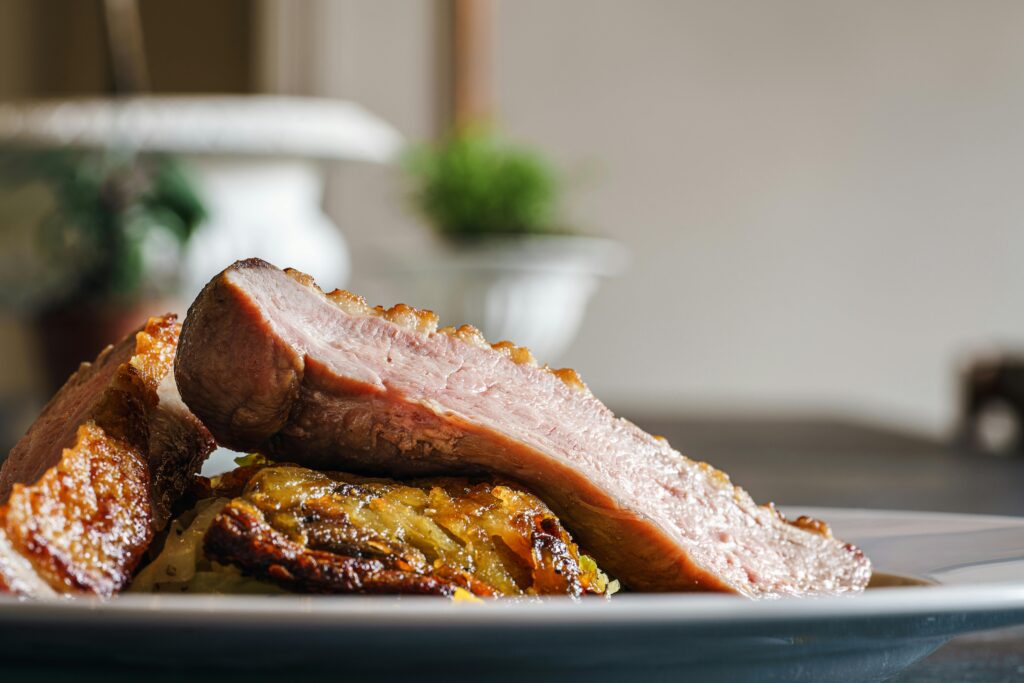
How Much Protein Do We Need to Consume Daily?
Protein requirements vary based on age, sex, and activity level. On average, men require around 56 grams of protein per day, while women need about 46 grams. However, hikers often require more, as physical activity increases the body’s need for protein.
Generally, a good target is to consume at least 1.2 to 2 grams of protein per kilogram of body weight per day, depending on the intensity and duration of your hikes.
For example, a 75kg hiker may aim for roughly 90–150g per day during multi-day or strenuous hikes.
Benefits and Considerations of High-Protein Foods
High-protein foods are an excellent choice for hiking due to their high energy content, portability, and satiety. Protein is slower to digest than carbohydrates, which means it provides long-lasting energy that helps keep you full and energized throughout the day.
Many high-protein foods are also lightweight, easy to carry, and can be conveniently packed for the trail. These foods are versatile, delicious, and don’t require extensive preparation, making them perfect for outdoor adventures.
Pairing protein with complex carbohydrates is essential when deciding what to eat before hiking, especially for longer or more demanding trails.
If you’re planning your food intake, this hiking calorie calculator can help you estimate how much energy you’ll need on the trail.
Benefits of High Protein Foods
The benefits of including high-protein foods in your hiking meal plan are numerous:
- Sustained Energy: Protein provides steady, long-lasting energy, helping you maintain strength and endurance throughout the hike.
- Muscle Recovery: Protein supports muscle repair and recovery, which is crucial after hours of physical activity.
- Enhanced Satiety: Protein-rich foods keep you full longer, reducing the need for constant snacking.
- Convenience and Portability: Many high-protein foods are easy to pack and carry, which makes them ideal for the trail.
- Versatility: From bars to nuts to shakes, there are plenty of high-protein options to choose from, ensuring variety in your hiking diet.

Considerations of Consuming High Protein Foods
Despite the benefits, there are a few downsides to high-protein foods:
- Heavy on the Stomach: Protein can be harder to digest than carbohydrates, which may cause discomfort, especially if consumed in large quantities.
- Dehydrating: Protein metabolism requires water, so eating a lot of protein without enough hydration can lead to dehydration.
- Extra Packaging: Many protein-rich foods come with extra packaging, which can contribute to waste. Remember to pack out all trash responsibly.
Best High Protein Foods to Take on a Hike
High-protein foods come in various forms, making it easy to find options that suit your preferences and dietary needs. Here are some ideal choices for the trail:
Protein Bars
Compact and calorie-dense, protein bars offer a convenient boost of energy and are available in multiple flavors.
Jerky/Biltong
Dried meat products are lightweight, durable, and packed with protein, making them a hiker’s favorite.
Cured Meat
Options like salami or pepperoni are high in protein, with a longer shelf life than fresh meat.
Many of these options fit perfectly into your regular day hiking food ideas, especially when you need lightweight but satisfying trail snacks.
Whey Protein Powder/Shakes
Lightweight and easy to mix with water, protein powders provide a quick, digestible protein boost.
Nuts
Almonds, cashews, and walnuts are rich in protein and healthy fats, making them a nutritious, portable option.
Seeds
Pumpkin and sunflower seeds are protein-rich and provide a good source of essential fatty acids.
Dehydrated Meals (Just Add Water)
Many brands offer dehydrated high-protein meals that are easy to prepare with hot water on the trail.
For longer trips, incorporating protein into your backpacking meal ideas helps maintain strength and energy across consecutive hiking days.
Canned Tuna/Salmon
Although heavier than other options, canned fish offers a high-protein, omega-rich meal that’s easy to eat on the go.
Meal Replacement Shakes
These shakes are lightweight, balanced with protein, carbs, and fats, and provide a full meal’s nutrition in one drink.
Porridge/Oatmeal
Oatmeal can be prepared easily with hot water and is often fortified with protein for a balanced, filling breakfast.
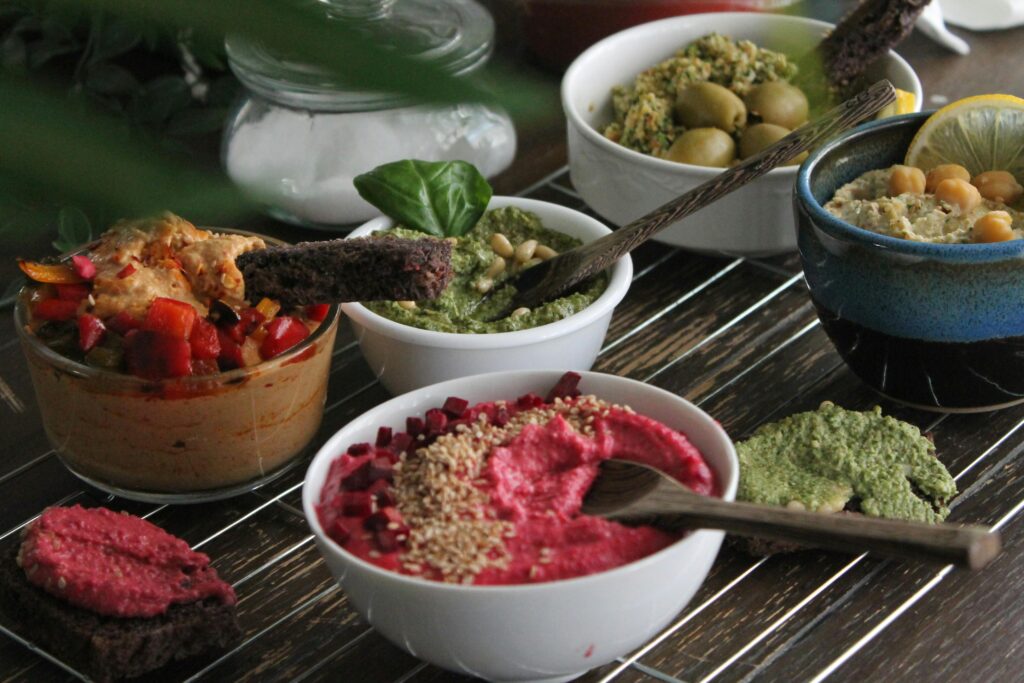
Hummus
High in protein and healthy fats, hummus is an excellent choice for a satisfying trail snack.
Pesto
High in protein from nuts and cheese, pesto is a tasty addition to meals and requires minimal preparation.
String Cheese
String cheese is portable and convenient, providing protein in a quick, tasty snack.
How to Choose & Pack High-Protein Foods for Hiking
Choosing the right high-protein foods for hiking depends on several factors. Here are some additional considerations to keep in mind:
Size/Weight
High-protein foods should be compact and lightweight to minimize your pack’s overall weight.
Shelf Life
Opt for items that can handle exposure to heat and lack of refrigeration.
Durability
Choose foods that won’t be easily crushed or damaged, like nuts, jerky, and hard cheese.
Taste
Pack foods you enjoy; taste can be a huge morale booster when you’re miles into a tough hike.
Dietary Suitability
Consider your personal dietary preferences and any allergies, as well as the intensity and duration of your hike, to select foods that best fit your needs.
Food Safety and Responsible Packing on the Trail
When packing food for hiking, health and safety should be top priorities to ensure both a safe experience and environmental responsibility.
Hikers need to consider food hygiene, proper storage, and the potential impact of food odors on local wildlife, especially in areas known to have bears or other curious animals.
Safe Storage and Hygiene
First, it’s crucial to pack foods in a way that reduces the risk of contamination. Use clean, airtight containers to prevent bacterial growth and keep food fresh.
Foods prone to spoilage, such as cheese or meat products, should be kept in insulated bags or consumed early on in the hike to avoid any health risks.
Additionally, opt for shelf-stable items like jerky, nuts, or protein bars, which can withstand fluctuating temperatures without spoiling.
Hygiene is another essential factor. Always wash your hands or use hand sanitizer before handling food to avoid introducing bacteria.
Many hikers bring biodegradable wipes to clean hands and any utensils, ensuring that surfaces remain hygienic even in the outdoors.
Wildlife Protection and Bear Safety
Wildlife safety is also a critical consideration. Food odors can attract animals, which can be dangerous for both you and them.
To minimize scent dispersal, pack all food in odor-resistant or bear-proof containers.
In bear country, use bear canisters or bear bags and hang them at least 100 feet away from your campsite to keep animals from approaching.
This practice not only protects wildlife from harmful human food but also reduces the risk of dangerous encounters.
Leave No Trace Principles
One of the core principles of responsible hiking is to leave no trace, which means minimizing your impact on nature. Avoid disturbing wildlife, taking natural “souvenirs,” or leaving any litter behind.
Instead, carry a small bag for your trash, making it easy to pack out wrappers, cans, and other waste. If you’re in bear country, or areas with other wildlife, store all food in bear-resistant containers for safety and environmental respect.
By maintaining proper hygiene, using secure storage, and following wildlife precautions, you’ll ensure a safer, more responsible hiking experience.

In Conclusion
Protein is essential for hikers, as it provides long-lasting energy, supports muscle recovery, and promotes satiety, making it a vital part of any hiker’s meal plan. From protein bars to nuts, cured meats to hummus, there are many delicious and convenient high-protein options that are perfect for the trail.
Selecting foods based on weight, shelf life, and durability ensures you have easy access to energy-boosting meals without adding unnecessary burden to your pack.
As you prepare for your next adventure, make a list of high-protein foods that suit your needs, preferences, and hiking conditions. With the right foods in your pack, you’ll be well-prepared to handle the challenges of the trail and fuel your body for a successful journey.
Remember, recovery is just as important as the hike itself—protein helps ensure that your muscles remain strong, well-nourished, and ready for your next adventure.
Where to Next?
Smart fueling is only one part of hiking performance. If you’re building strength, endurance, or planning longer trails, these guides will help:
- What to Eat Before a Hike – how to balance carbs and protein for steady trail energy.
- Backpacking Meal Ideas – lightweight, high-calorie food strategies for multi-day trips.
- Strength Training for Hikers – build the muscle that supports long climbs and descents.
- Foam Roller Exercises for Hikers – recover faster and reduce post-trail soreness.
Strong hikes start before you step onto the trail — and continue long after you finish.


