
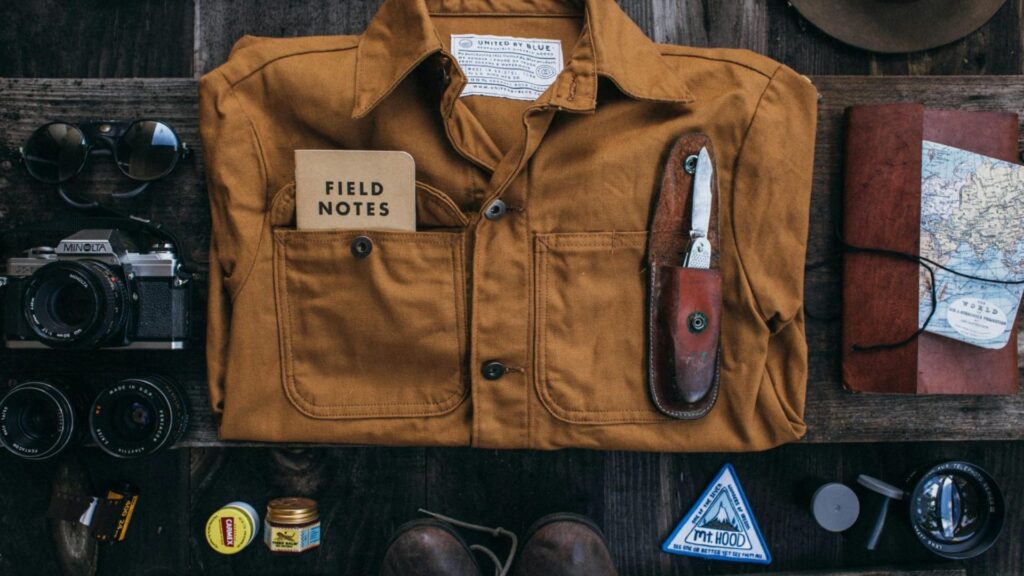
A good layering system is one of those things you only notice when it’s wrong.
Too hot on the climb, shivering the moment you stop, forever fiddling with what you’re wearing instead of actually hiking.
When it works you just get on with it and the temperature takes care of itself.
The difference between getting it right and getting it wrong rarely comes down to buying better gear.
It comes down to understanding how different pieces work together and making deliberate choices about combining them.
Conditions in the UK and much of Europe change quickly, sometimes within the same hour, and a system that only works in one set of circumstances isn’t really a system at all.
This guide is about building something practical and adaptable, based on how you actually hike rather than how you imagine you might on a perfect day.
- Quick Guide: Choosing the Right Layering System at a Glance
- How a Hiking Layering System Works
- Choosing the Right Midlayer
- Outer Layers: Wind and Weather Protection
- Layering for Different Conditions
- Common Layering Mistakes to Avoid
- Fit, Comfort & Practical Tips
- How a Layering System Fits Into Your Overall Setup
- Care, Maintenance & Longevity
- Explore Layering Options by Use Case
- FAQs About Hiking Layering Systems
- Where to Next?
Quick Guide: Choosing the Right Layering System at a Glance
Use these as starting points to match your clothing system to the type of hiking you do most.
Cool & Changeable Conditions
A breathable base layer, light insulating midlayer, and a wind- or waterproof outer layer that can be added or removed quickly.
Warm Weather & Summer Hiking
Lightweight, breathable base layers with minimal insulation and a focus on sun protection rather than weather protection.
Windy & Exposed Terrain
A system that prioritises wind resistance and controlled heat retention without adding unnecessary bulk.
Multi-Day Walking Holidays
Comfort-focused layers that manage moisture well, dry overnight, and remain comfortable over repeated use.
High-Output or Steep Hiking
Highly breathable layers that release heat quickly and prevent sweat build-up during climbs.
“Every hiker starts somewhere — grab your free Hiking for Beginners guide.”
How a Hiking Layering System Works
A layering system is designed to regulate your body temperature by allowing you to add or remove clothing as conditions and effort change.
Each layer has a specific job, and most problems occur when one layer is expected to do too much.
The Three Core Layers Explained
Most layering systems are built around three main components:
- Base layer – manages moisture against your skin
- Midlayer – traps warmth and provides insulation
- Outer layer – protects against wind, rain, and exposure
Understanding how these layers interact is far more useful than focusing on any one piece of clothing.
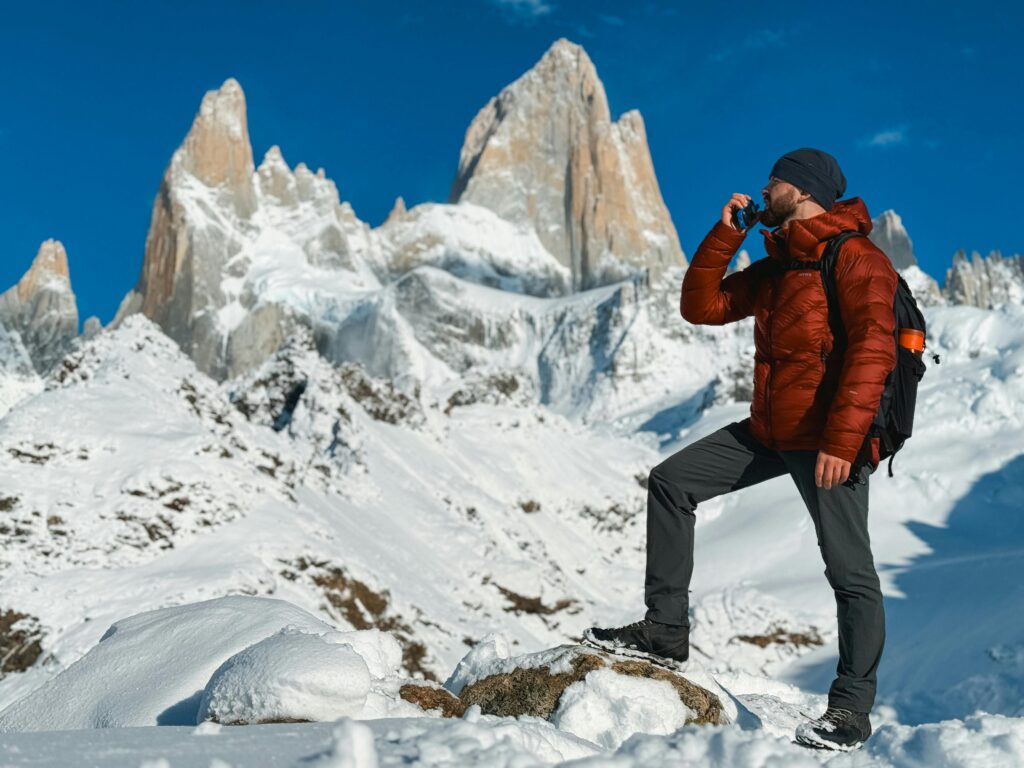
Why One “All-in-One” Jacket Rarely Works
The appeal is obvious. One jacket that handles everything, no decisions to make, no extra kit to carry.
The problem is that hiking asks contradictory things of your clothing at different points in the same day and no single jacket handles all of them well.
On a long climb you’re generating serious heat and need to release it. At the top of that same hill with the wind picking up and your body cooling fast you need warmth back quickly.
In rain you need waterproofing. In dry conditions that same waterproof layer traps heat and kills breathability.
A single jacket is always a compromise and usually the wrong one for at least half of what the day throws at you.
Layering works because it lets you respond to what’s actually happening rather than committing to one solution and hoping it fits every situation.
Choosing the Right Base Layer
The base layer is the foundation of your entire system. It’s the layer you feel the most, and the one that determines whether you stay dry and comfortable as your body heats up.
Get this wrong, and everything else struggles to compensate.
🗒️ Free Checklist: Planning your next hiking trip?? Download our printable hiking checklist to make sure you don’t miss the essentials.
What a Base Layer Actually Does
The base layer has one job and it is not warmth. It is keeping moisture away from your skin so that sweat does not sit against your body and cool you down the moment you stop moving.
That might sound like a small thing but it is one of the most consistent sources of discomfort on the trail.
You work hard on a climb, you stop at the top, and within a few minutes you are cold and clammy because your base layer has held onto every bit of moisture from the last hour of effort.
A good base layer wicks that moisture outward, dries reasonably quickly, and stays comfortable against your skin over a full day of movement.
Cotton does none of these things well, which is why merino wool and synthetic fabrics dominate here. They are not a luxury upgrade.
For anything beyond a short easy walk they are genuinely the right tool for the job.
Merino Wool vs Synthetic Base Layers
Both solve the same core problem, keeping moisture away from your skin, but they go about it differently and the right choice depends on how you hike.
Merino wool regulates temperature well, resists odour remarkably effectively over multiple days, and feels comfortable against skin in a way that a lot of synthetic fabrics don’t match.
On a walking holiday in Europe where you’re wearing the same base layer several days running, that odour resistance earns its place quickly.
Synthetic fabrics dry faster, handle repeated washing better over time, and are generally more affordable.
On high output days where you’re sweating heavily and want moisture moved away and dried out as quickly as possible, that faster drying matters.
Most hikers who spend serious time on the trail end up with both. Merino for multi-day trips and walking holidays, synthetic for harder days where performance edges out comfort.

Thickness and Weight
Lightweight base layers handle the widest range of conditions and for most hikers they are the most useful starting point.
They manage moisture effectively on high effort days without trapping heat, and in cooler conditions the warmth comes from the layers on top rather than the base layer itself.
Heavier base layers have their place in genuinely cold conditions where you need warmth close to the body, but leaning on a thick base layer for warmth rather than building it through midlayers limits how well you can adapt to changing effort levels and temperatures throughout the day.
One good lightweight base layer used year round, with midlayers doing the heavy lifting on warmth, is a more flexible and practical system than most people realise.
Choosing the Right Midlayer
The midlayer is where most hikers either overdo it or get it right. Its role is to trap warmth, but how much you need depends heavily on conditions and activity level.
A good midlayer keeps you warm without causing you to overheat.
Common Midlayer Types
Midlayers may seem similar, but they behave very differently on the trail.
- Fleece – breathable, versatile, and reliable
- Active insulation – balances warmth and breathability during movement
- Light insulated jackets – provide more warmth but less ventilation
Some work best while moving, others are better for colder conditions or rest stops.
Matching Insulation to Activity
The temptation at the start of a cold morning is to put everything on, which works fine for the first twenty minutes and becomes a problem for the next three hours.
Over-insulating on the move means you sweat heavily into your layers, and wet insulation is significantly less effective than dry insulation.
You end up colder later because of decisions you made when you were cold earlier.
For steady hiking a breathable midlayer that takes the edge off without trapping heat is almost always the better call.
Save the heavier warmth for stops, summits, and the end of the day when your body stops generating its own heat.
On multi-day trips the ability to dry overnight matters as much as warmth.
A midlayer that is still damp the next morning because it holds moisture is a problem that compounds across several days in a way a single day out never reveals.
Outer Layers: Wind and Weather Protection
Outer layers are often misunderstood as warmth layers. In reality, their primary job is to protect you from wind and weather.
Wind and exposure can strip heat rapidly (even in mild conditions), which is precisely why a simple outer layer can make a big difference.
Wind Protection Matters More Than You Think
Wind is one of the biggest contributors to heat loss. Even a lightweight wind-resistant layer can dramatically improve comfort on exposed trails or ridgelines.
Waterproof vs Windproof Layers
These two solve different problems and understanding the difference stops you reaching for the wrong one and ending up uncomfortable.
A waterproof shell keeps rain out but breathability is always the trade off, particularly when considering the benefits of hiking in the rain and staying comfortable during wet-weather hikes.
In dry but cold and windy conditions wearing a full waterproof is often overkill and you will feel it through heat build up and restricted airflow fairly quickly.
A windproof layer handles moving air without the same breathability penalty.
On a dry exposed ridge or a cold morning with no rain in the forecast it is often the more comfortable and practical choice.
Carrying both is not overcomplicated. It is just having the right tool available for what the conditions actually are rather than committing to one layer and
accepting the compromise that comes with it.
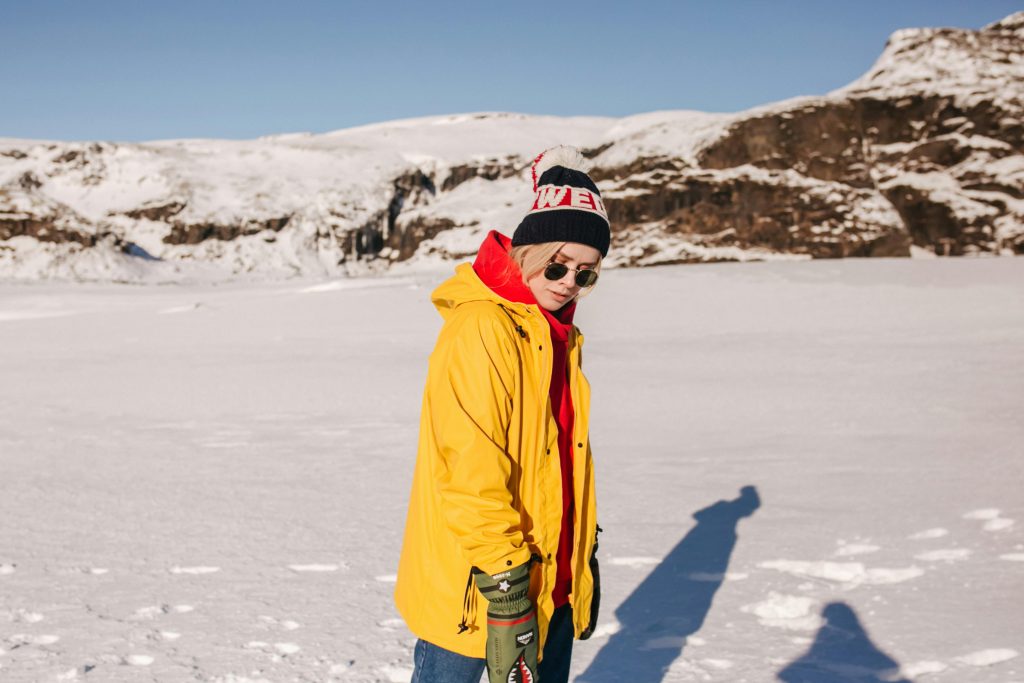
Layering for Different Conditions
Layering works best when you think in terms of conditions, not individual items!
Warm Weather & Summer Hiking
Summer hiking has a way of making people forget they need a system at all.
It’s warm, the forecast looks fine, and suddenly they’re standing on an exposed ridge at midday in a soaked t-shirt wondering where that came from.
Keep it simple but keep it intentional, just as you would when deciding the essential things to bring on a day hike.
A lightweight base layer that moves sweat away from your skin, something small and packable for when the weather decides it’s done being cooperative, and real consideration for sun protection and how much water to take on a hike during long open days.
Not glamorous advice, but the hikers who get it right barely notice the conditions while everyone else is suffering through them.
Cool, Windy, or Changeable Conditions
This is the conditions category that catches the most people out because it looks manageable right up until it isn’t.\
A cool morning with some wind and a bit of cloud cover can feel perfectly fine at the trailhead and genuinely unpleasant two hours in when the temperature drops and the rain arrives without much warning.
A breathable base layer, a light insulating midlayer you can pull on and off as effort levels change, and a windproof or waterproof outer depending on what the sky is doing.
That combination handles most of what the UK and Europe throw at you across three layers that together weigh almost nothing and take up very little space.
The hikers who stay comfortable in changeable conditions are not the ones with the most expensive kit.
They are the ones who brought the right combination and actually used it rather than suffering through because stopping to add a layer felt like too much effort.
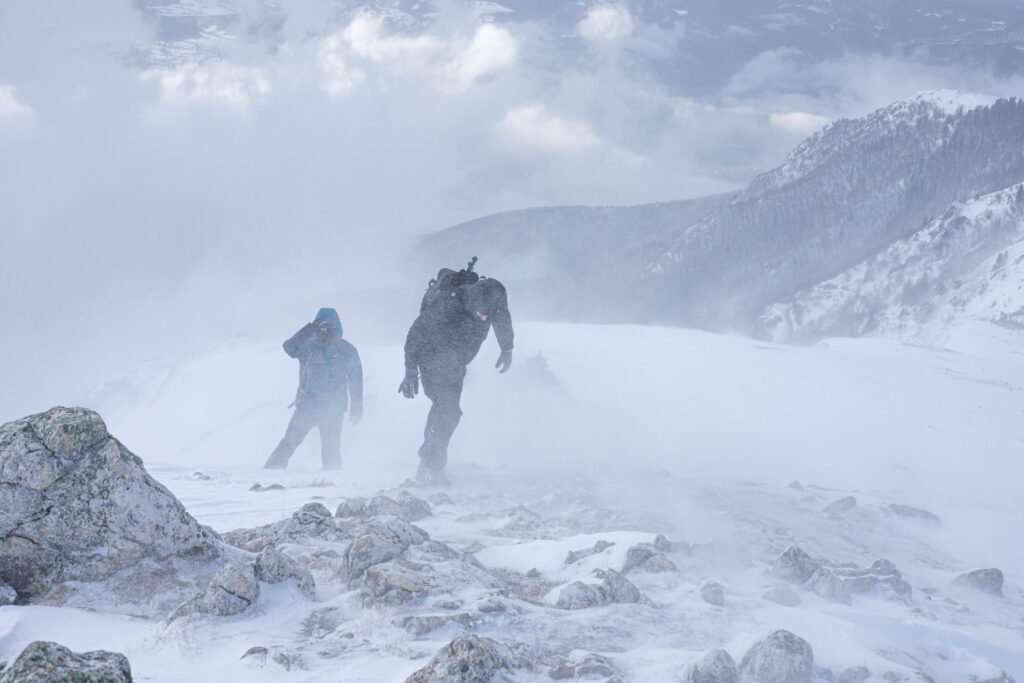
Multi-Day Walking Holidays
The thing about a walking holiday that a single day out never teaches you is that comfort compounds across days in both directions.
A layering system that works well on day one feels like a genuine luxury by day four.
One that has a problem, a base layer that holds moisture, a midlayer that hasn’t dried properly, a jacket that’s never quite right, makes itself known a little more each morning.
Fabrics that dry overnight, pieces that stay comfortable against your skin after several days of repeated wear, and a system simple enough that getting dressed at seven in the morning in a guesthouse requires zero thought.
That’s really what multi-day layering comes down to. Not the most technical setup, just a reliable one that keeps working without demanding anything from you.
Common Layering Mistakes to Avoid
Most layering mistakes come from trying to do too much, a lesson that also appears frequently in backpacking tips for beginners.
Common issues include:
- wearing cotton on the trail
- over-insulating early in the day
- relying on one heavy jacket
- ignoring wind protection
- packing too many similar layers
Simpler systems are often more effective.
Fit, Comfort & Practical Tips
How something feels standing still in a shop tells you almost nothing about how it will feel four hours into a hike.
Test layers together, not individually, because a base layer and midlayer that both fit fine separately can feel completely wrong in combination.
Move around properly when trying things on. Reach up, check nothing pulls or bunches, make sure the outer layer fits comfortably over insulation rather than just over a t-shirt.
Layers that are too tight restrict circulation and airflow, which works against the whole system rather than just feeling uncomfortable.
How a Layering System Fits Into Your Overall Setup
Keep in mind that nothing works in isolation, especially when learning how to pack a hiking backpack efficiently alongside your clothing system.
Your pack affects airflow against your back all day, and choosing the right hiking socks helps prevent wet feet that can make every other layer feel worse than it is and a system that handles light drizzle on a sheltered path can fall apart completely on exposed ground in serious wind and rain.
The hikers who stay comfortable are thinking about everything together.
Individual pieces matter but a system where everything works alongside everything else is worth more than the sum of its part.
Care, Maintenance & Longevity
Fabric softener is one of those things that feels harmless and quietly destroys what makes technical fabrics worth buying.
Wash everything according to the guidelines, it actually matters with merino and performance synthetics.
Fix small tears early. A five minute repair at home beats discovering the damage halfway up a hill in the rain.
The honest signal that something needs replacing is when it stops doing its job.
A base layer that no longer wicks, a waterproof that wets through too quickly. Good kit lasts a long time if you look after it, but worn out gear performs like worn out gear regardless of how much you paid for it.
Explore Layering Options by Use Case
If you want to refine your setup further, these guides break layering down into more specific scenarios:
Best Base Layers for Hiking
For moisture control, comfort, and all-day wear across different conditions.
Best Fleece Midlayers for Walking & Hiking
Breathable insulation for steady movement and cooler temperatures.
Best Lightweight Insulated Jackets for Hiking
For added warmth when conditions drop or during rest periods.
Best Hiking Trousers for Mixed Terrain
Comfortable, durable options that balance movement and protection.
FAQs About Hiking Layering Systems
Do I need multiple layers for short hikes?
Yes (even short hikes benefit from layering, especially in changing conditions).
Is merino better than synthetic?
Not always. Each has advantages depending on your needs.
How many layers should I carry?
Enough to stay warm if conditions change, without overcomplicating your setup.
Can I reuse layers on multi-day hikes?
Yes, if they dry well and remain comfortable over repeated use.
Are insulated jackets needed in summer?
Not always, but they can be useful at higher elevations or in cooler evenings.
Where to Next?
To build a complete setup, you may also want to explore topics such as the following as you continue your research:
- Buyers Guide: Footwear
- Buyers Guide: Day Packs
- Buyers Guide: Backpacks (35L-50L)
Many of our Best Hikes and Walking Holiday guides show how layering systems perform in real-world conditions across Europe, making them useful resources when planning a trek in Europe.


