
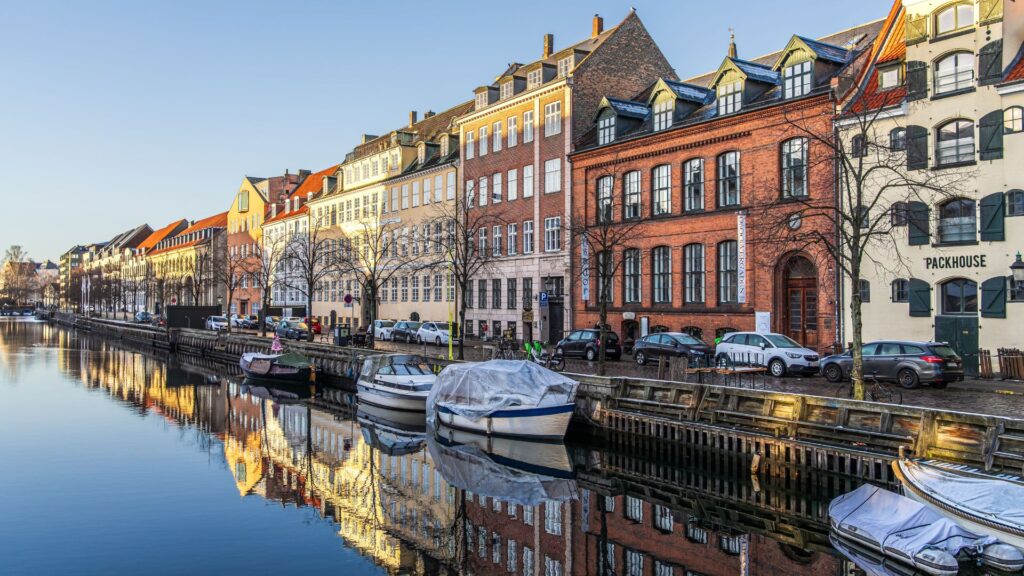
Copenhagen doesn’t exactly shout about its hiking…but that’s just because it doesn’t have to.
This is a city that quietly insists you slow down, lace up, and take the scenic route instead.
The Danish capital may be better known for bikes than boots, but it’s also a dream for walkers who like their landscapes flat, their air clean, and their trails filled with that effortless Nordic charm.
For those of you who enjoy days spent strolling through parks, coastal trails, or quiet urban neighbourhoods—with a pastry in hand and a chill in the air—Copenhagen offers more than enough.
Add in nearby forests, beaches, and surprisingly wild islands, all within easy reach of the city centre, and you’ve got a hiking base that’s as relaxed as it is rewarding.
Best Hikes in and Around Copenhagen
Copenhagen isn’t mountainous, but it’s packed with varied walking experiences.
There’s urban wandering, coastal trails, forest walks, and even some surprise elevation here and there.
For specific routes, distances, and trail ideas, continue to our guide to the best hikes in and around Copenhagen.
Dyrehaven
Just twenty minutes north of the city, Dyrehaven is a huge forest park filled with wide-open trails, old trees, and hundreds of roaming deer.
It’s ideal for a peaceful half-day hike and works especially well for walkers who want a proper woodland outing without travelling far from Copenhagen.
The nearby Bakken amusement park adds a more unusual finish to the day, although the forest itself is the real draw for hikers.
Amager Nature Park
For those of you who like birdwatching, flat trails, and wind in your hair, this sprawling nature area just south of the city is perfect.
The trails lead through marshlands, meadows, and beaches, and the park sits less than thirty minutes from central Copenhagen.
It’s a strong option for a relaxed half-day or full-day walk, particularly for hikers who prefer open landscapes and easy terrain.
Amager Strandpark
Amager Strandpark combines beach paths, artificial dunes, sea views, and long stretches of flat walking.
The route is particularly rewarding around sunset, when the light opens up across the Øresund and Copenhagen’s skyline.
It also works well for runners, casual walkers, and anyone looking for a breezy coastal route close to the city.
Frederiksberg Gardens and Søndermarken
Frederiksberg Gardens and Søndermarken link together to create one of Copenhagen’s best longer urban-green walks.
Expect tree-lined paths, quiet ponds, open lawns, and just enough hilliness to keep the route interesting.
These parks are a good choice when you want greenery and a meaningful walk without leaving the city.
Møns Klint
Møns Klint is a full-day excursion, but it’s worth every step.
White chalk cliffs, dramatic sea views, and forest trails all come together in one spectacular coastal landscape.
It sits much farther from Copenhagen than the local parks and nature reserves, so it needs more planning. Even so, it is one of the standout options for hikers using the capital as the beginning of a wider Danish trip.
Copenhagen is only one part of Denmark’s wider walking landscape. For more routes across the country, explore our guide to the best hikes in Denmark.
“Avoid rookie mistakes. Our free ebook Hiking for Beginners shows you how.”
Taking a Walking Holiday in Copenhagen
Planning a walking holiday in Copenhagen? Smart move.
This city is perfectly built for it: flat enough to keep things casual, scenic enough to stay interesting, and compact enough that you’ll rarely feel stranded.
You can spend one day following harbour paths and urban lakes, another exploring Dyrehaven or Amager Nature Park, and another wandering through gardens, historic neighbourhoods, and coastal spaces.
When you combine urban charm with forest strolls and coastal routes, you’ve got the recipe for a relaxed but satisfying walking trip.
Even hikers need a break sometimes, and Copenhagen offers plenty that’s worth the detour.
You can take a canal cruise—yes, you’ll be sitting, but it’s worth it—or try smørrebrød, the open-faced sandwich Danes do better than anyone.
You can explore Tivoli Gardens, especially during spring or Christmas, visit the Designmuseum, or spend an hour sitting in a cosy café, people-watching and plotting your next walk.
Bonus: there’s always a cinnamon roll nearby.
For a longer trip beyond the capital, our guide to a walking holiday in Denmark includes more destinations, itinerary ideas, and multi-day walking options.
“From Alps to coastlines, our free Walking Holiday guide helps you plan smarter.”
Exploring Copenhagen on Foot
The best way to see Copenhagen is one step at a time.
This isn’t a city built for speed. It’s made for sauntering.
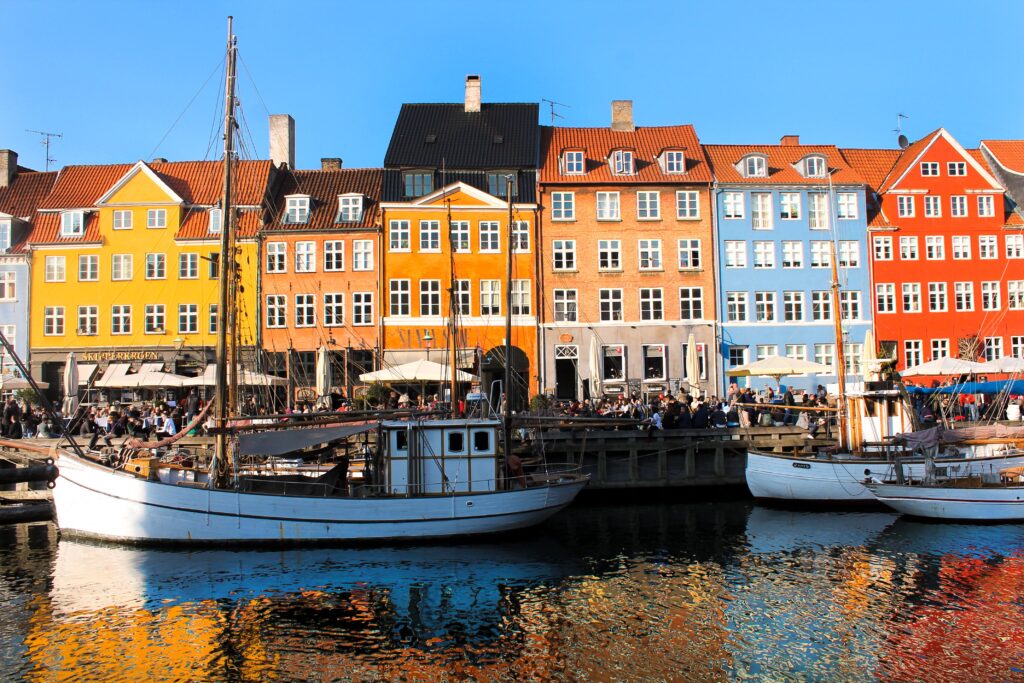
Nyhavn
Yes, it’s on every postcard. Yes, it’s full of tourists.
But Nyhavn’s colourful buildings and canal-side promenade still make for a stunning walk.
For those of you who enjoy a scenic start with coffee in hand and maybe a jazz trio nearby, this is the place.
The Round Tower
The Round Tower offers a walk with a twist—literally.
This 17th-century tower has no traditional staircase, just a spiralling ramp leading towards the top.
It’s an easy climb and gives you a distinctive view over Copenhagen’s rooftops. For walkers who like a slow and satisfying ascent, this one’s for you.
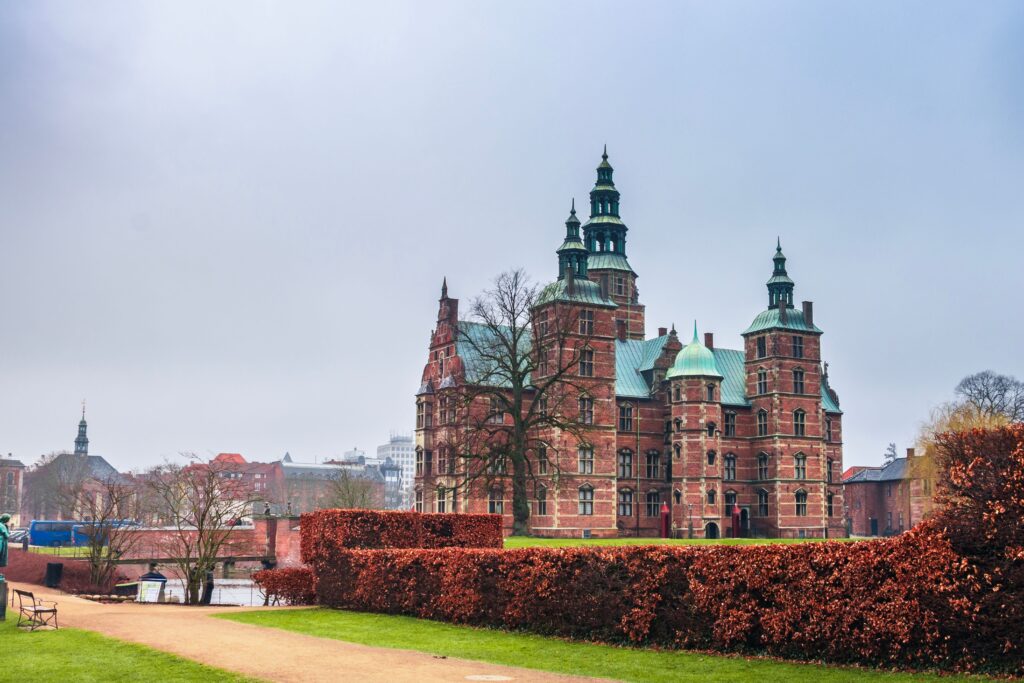
Rosenborg Castle and King’s Garden
The gardens are flat, walkable, and often filled with locals relaxing on the grass.
The castle itself is worth a look too, but for hikers who enjoy a mix of green space and history, this is an easy win.
Freetown Christiania
An alternative stroll if there ever was one.
This semi-autonomous neighbourhood offers a cultural detour that feels very different from the polished centre.
Keep your camera in your pocket unless signs indicate otherwise. For those who enjoy a walk that feels like stepping into another world, Christiania delivers.
Best Viewpoints in Copenhagen
Copenhagen isn’t exactly hilly, but it still manages to serve up some excellent views—especially for those willing to earn them.
Church of Our Saviour
For those who don’t mind a few hundred spiral steps, the view from the church’s corkscrew spire is one of the best in the city.
You’ll see canals, rooftops, and the Øresund stretching towards Sweden.
Hold on to the railing if it’s windy. This one is not for the faint of heart.
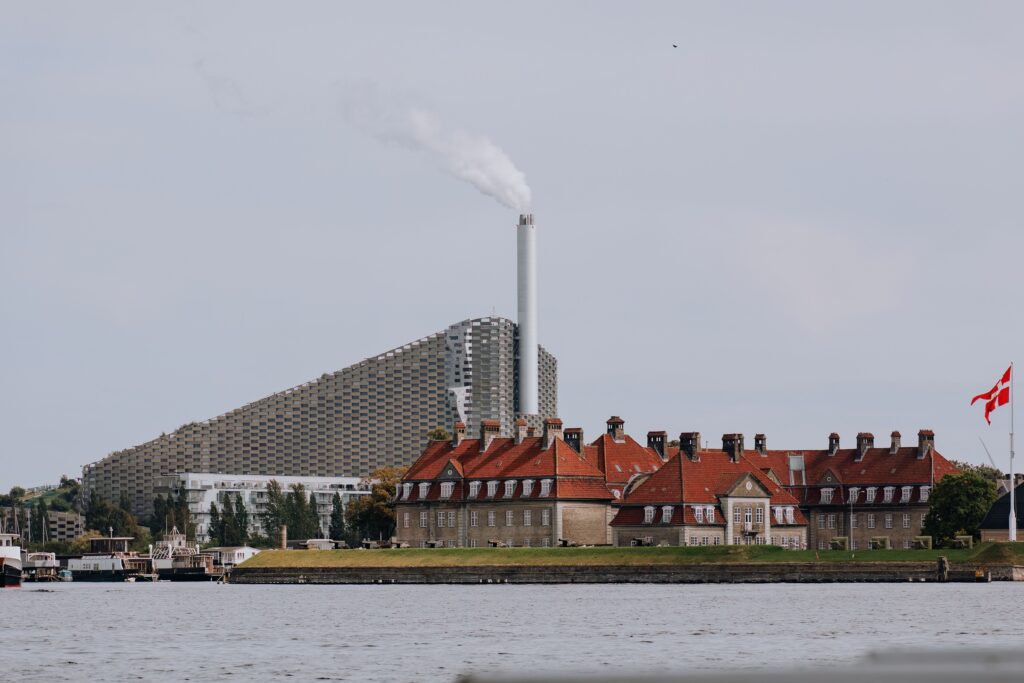
CopenHill
Yes, that’s a power plant with a hiking trail on top.
Only in Copenhagen.
CopenHill gives you a 360-degree view over the harbour and city, along with a bizarrely delightful alpine-style walking experience.
It comes complete with synthetic turf, trees, and actual incline.
Amager Strandpark Dunes
The beach path leading towards the artificial dunes provides wide views across the sea and skyline.
It works particularly well around sunset and is ideal for walkers who like a sea breeze with their step count.
Best Areas for Urban Walking
You don’t need to leave the city to get your steps in.
Copenhagen’s neighbourhoods are as walkable as many formal trails.
Nørrebro to Østerbro via the Lakes
Follow the chain of man-made lakes from the edgier streets of Nørrebro towards the more elegant Østerbro.
It’s an excellent people-watching route, with cafés, benches, and shaded areas along the way.
Refshaleøen and Papirøen
These former industrial areas have been reshaped into creative spaces, food markets, and wide waterfront walking areas.
They suit walkers who enjoy reimagined urban landscapes and routes that feel less polished than central Copenhagen.
Frederiksberg Gardens to Søndermarken
These two parks connect naturally into a longer green route.
Expect wooded paths, open lawns, ponds, and enough gentle elevation to make the walk feel more substantial than an ordinary park loop.
Planning a Hiking Trip to Copenhagen
Copenhagen’s walking routes are generally accessible and low in elevation, but the wind, rain, seasonal temperature changes, and longer coastal distances still reward a little preparation.
Best Time to Visit Copenhagen for Walking and Hiking
Copenhagen’s seasons each bring their own flavour, but some suit walkers better than others.
Spring and Early Autumn
For hikers who like sun on their face and bloom in the air, spring and early autumn are the sweet spots.
From April to early June, the city warms up and the parks explode into green.
September is another strong option. It’s cooler and quieter, but still bright enough for long walks.
Summer
Summer is lively and particularly well suited to coastal routes.
The daylight seems to last forever, making July and August strong choices for long, relaxed walks.
The city is busier, but you can start early or walk late into the evening to avoid the busiest parts of the day.
Winter
Winter is for the brave—or at least for walkers who don’t mind wool socks, moody skies, and a chilly breeze off the harbour.
You’ll find fewer people and a quieter atmosphere.
For those whose idea of a good winter walk includes a stop for gløgg, it’s still worth considering.
What to Bring for Walking and Hiking Around Copenhagen
Copenhagen’s terrain may be flat, but the weather can shift quickly.
Wear layers, particularly between spring and autumn, and carry a lightweight waterproof jacket or windproof outer layer.
Comfortable walking shoes are enough for most city routes, parks, and coastal paths. For longer nature walks or muddy forest trails, footwear with better grip will be more useful.
Carry a refillable water bottle. Tap water is clean and widely available, so there’s no need to buy plastic bottles throughout the day.
Building your hiking kit? These guides will help:
- Hiking Footwear – Compare walking shoes and hiking boots for urban paths, coastal routes, and forest trails.
- Waterproof Jackets – Choose a protective outer layer for wind, rain, and changing Nordic weather.
- Daypacks for Hiking – Find a practical 20–30L pack for water, layers, food, and city-to-trail days.
- Hiking Buyer’s Guides – Browse the full collection of hiking equipment and clothing guides.
“Avoid rookie mistakes. Our free ebook Hiking for Beginners shows you how.”
Tips for Hiking In and Around Copenhagen
Tap water is clean and readily available, so carry a reusable bottle instead of buying plastic ones.
Wear layers because the weather can change quickly, especially between May and October.
Use the DOT Mobilbilletter app for public transport planning and ticketing.
Leave early on weekends if you’re heading to popular parks or natural areas. Locals enjoy the outdoors too, and some routes can become busy.
Coastal paths can feel colder and windier than the city forecast suggests, so carry an extra layer even on otherwise mild days.
Getting Around Copenhagen Without a Car
You do not need a car for Copenhagen or most nearby walking areas.
The city’s trains, buses, and metro are punctual, clean, and easy to navigate—even with muddy boots.
Most walks in this guide can be reached using public transport and a little planning.
You’ll often cover more useful ground by combining walking with trains or buses than you would behind the wheel.
By Plane
Copenhagen Airport is around fifteen minutes from the city centre by train or metro.
The connection is fast and direct, meaning you can be walking through central Copenhagen soon after landing.
By Train
The main station, København H, connects Copenhagen with the rest of Denmark and southern Sweden.
Regional trains make it possible to move from the city into the surrounding countryside in under an hour.
By Bus or Bike
Local buses and regional coaches are reliable.
And if you’re going fully Danish, bikes are available everywhere, including cargo bikes, e-bikes, and longer-range rental options.
Do You Need to Hire a Car?
No—not unless you’re planning something far off the beaten path.
Public transport covers Copenhagen itself and many of its closest hiking areas.
A rental car becomes more useful for remote natural areas, flexible regional travel, or longer trips where bus and train schedules do not fit your plans.
For the city, Dyrehaven, Amager, and most local outings, it is unnecessary.
Using Copenhagen as a Hiking Base
Copenhagen works well as a base because it combines accessible public transport with several different kinds of landscape.
You can spend one day walking the city, another exploring forest trails, and another following beaches, marshes, and coastal routes.
Dyrehaven
Dyrehaven is one of the easiest natural escapes to combine with a Copenhagen stay.
Its wide paths, forest scenery, deer, and public transport access make it suitable for half-day or full-day walking.
Amager Nature Park and Strandpark
Amager gives you marshes, beaches, meadows, dunes, and open coastal paths within easy reach of the city.
It’s particularly useful for birdwatchers, casual hikers, and walkers who prefer flatter terrain.
Møns Klint
Møns Klint is a much longer excursion, but Copenhagen remains a practical starting point for reaching it.
The chalk cliffs and forest paths provide a dramatic contrast with the flatter urban and coastal walks around the capital.
Because it requires more travel, treat it as a planned full-day trip rather than a spontaneous outing.
Wider Denmark and Scandinavia
Copenhagen’s transport connections make it a useful starting point for longer trips throughout Denmark and southern Sweden.
For travellers continuing farther north, the city can also serve as the first stop in a wider Nordic walking itinerary.
For more inspiration, explore our roundup of the best hikes in Scandinavia.
Conclusion
In short, if your idea of a good time involves long walks, short breaks, and no need for a car, Copenhagen might be your kind of European city.
It may not offer major mountain summits, but it compensates with coastal paths, forests, parks, lakes, islands, and neighbourhoods built for wandering.
The city makes walking feel easy rather than ambitious, which is part of its charm.
You can follow a canal, climb a spiral tower, cross a harbour, disappear into a forest, and still finish the day with a cinnamon roll nearby.
Where to Next?
Planning more time on foot in Copenhagen, Denmark, or Scandinavia? These guides will help:
- Best Hikes in and Around Copenhagen – Explore the city’s best coastal paths, forests, parks, nature reserves, and nearby day hikes.
- Ultimate Guide to Hiking in Denmark – Learn about Denmark’s main walking regions, landscapes, seasons, and practical planning.
- Best Hikes in Denmark – Discover more coastal trails, forests, islands, cliffs, and long-distance routes.
- Walking Holiday in Denmark – Combine Copenhagen with coastal towns, countryside routes, islands, and longer walking itineraries.
- Best Hikes in Scandinavia – Broaden your plans with standout trails across Denmark, Sweden, Norway, and the wider Nordic region.


