
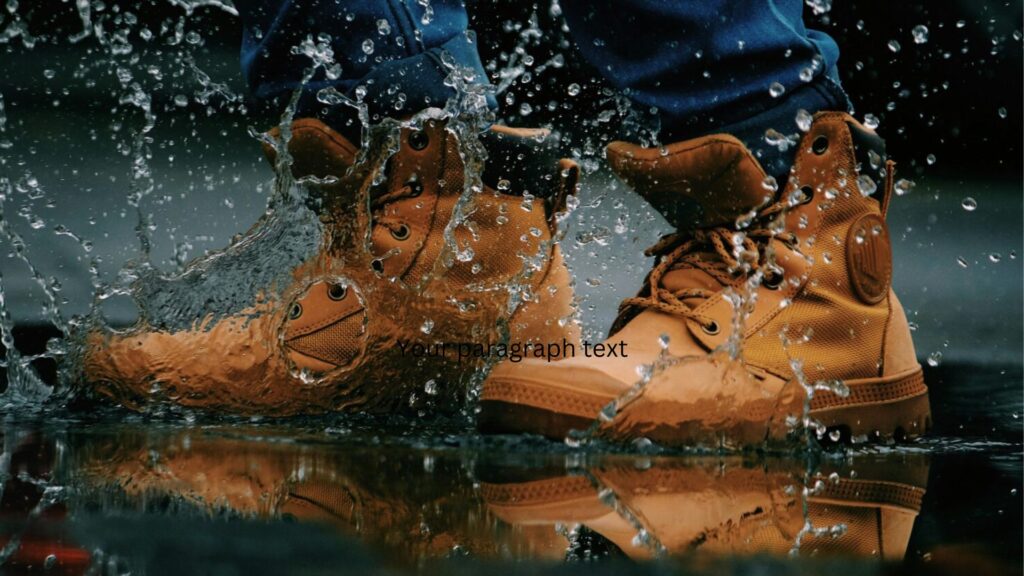
Choosing the right hiking footwear is one of the most important decisions you’ll make when planning a hike or walking holiday.
The wrong pair can turn even a gentle day on the trail into an uncomfortable slog, while the right choice can quietly support you mile after mile without you giving your feet a second thought.
Hiking footwear isn’t one-size-fits-all. Terrain, weather, distance, pack weight, and even your own foot shape all influence what works best.
A boot that feels solid in the shop might feel heavy and restrictive on a warm coastal walk, while lightweight shoes that feel great on day one can leave your feet sore after several long days in a row.
This guide breaks down how to choose hiking footwear based on how and where you actually hike — from rocky mountain paths and muddy UK trails to long-distance walking holidays across Europe.
Rather than pushing specific products, the goal here is to help you understand the trade-offs so you can make a confident, informed choice that suits your trip and your feet.
Quick Guide: Choosing the Right Footwear at a Glance
Use these as starting points to match your footwear to the type of hiking you do most.
Rocky & Mountain Terrain
Prioritise underfoot protection, grip, and stability for uneven ground and long descents.
Warm Weather & Summer Hiking
Lightweight, breathable footwear that keeps feet cool and reduces fatigue on exposed trails, but hydration is equally important in hot conditions.
Wet & Muddy Trails
Strong traction and water resistance to handle slippery, saturated conditions.
Multi-Day Walking Holidays
Comfort-focused footwear that balances cushioning and support over consecutive days.
Wide Feet or Fit Issues
Footwear that allows more room or adjustability to reduce pressure points over long distances.
How to Choose Hiking Footwear
Most hiking problems are not bad luck.
They are the result of a few misunderstood fundamentals that nobody explained properly and that are easy to get wrong without realising it until something goes wrong on the trail.
Get these right and the majority of discomfort, the cold stops, the overheating climbs, the wrong footwear for the terrain, the pack that never sits quite right, stops being something that happens to you and starts being something you quietly avoid without thinking about it.
“First time on the trail? Hiking for Beginners has your back.”
Match Your Footwear to Your Hiking Style
The most common footwear mistake is buying an imagined version of your hiking rather than the real one.
Someone who mostly walks well maintained paths on day trips does not need the same boot as someone regularly covering twenty miles of rough mountain terrain with a loaded pack, and wearing that boot anyway just means carrying unnecessary weight and stiffness all day.
Short day hikes on reasonable ground suit lighter, more flexible footwear, especially when paired with the right day hiking essentials.
Longer days demand more cushioning and the kind of comfort that holds up over hours rather than just the first few miles.
Multi-day trips add durability and fatigue management into the equation because a shoe that feels fine for one long day can feel completely different on day three when your feet are already carrying accumulated tiredness into every step.
Be honest about the hiking you actually do and start there.
Day Hikes vs Consecutive Days on the Trail
One of the most overlooked factors in footwear choice is whether you’re hiking occasionally or day after day.
On a single hike, small discomforts are manageable. Over multiple days, those same issues build up quickly. Footwear that feels fine on day one can feel heavy, restrictive, or unforgiving by day three.
For multi-day trips and walking holidays across Europe, you would be apt to prioritise the following:
- cushioning that reduces cumulative fatigue
- a fit that allows for slight swelling
- materials that dry reasonably well overnight
Remember: comfort over time matters just as much as support.
Terrain: What You’ll Be Walking On Matters
The ground you’re walking on is one of the most important factors in choosing footwear and one of the most commonly overlooked.
People pick boots based on how they look or what they’ve always worn and then wonder why something feels wrong.
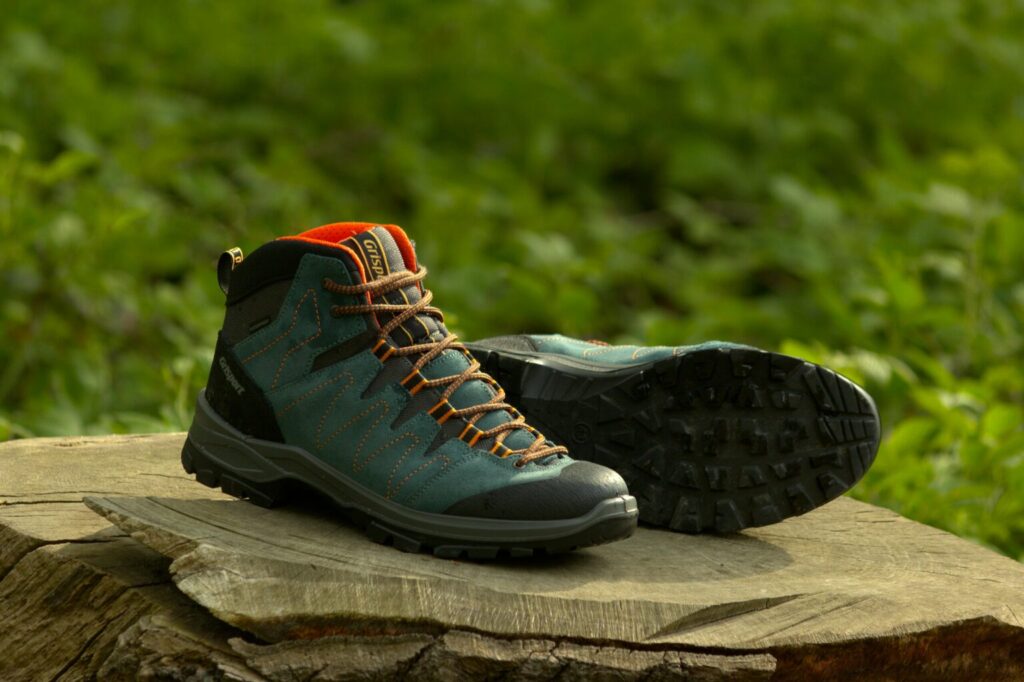
Rocky terrain demands protection underfoot and lateral stability, especially on challenging mountain routes such as those found throughout the Alps.
Muddy trails need grip that actually clears between steps rather than packing in and becoming useless.
Coastal paths reward breathability and flexibility over heavy waterproofing you’ll rarely need.
Mixed terrain (which honestly, is most hiking in the UK and Europe) favours something versatile enough to handle whatever the day throws at it without being optimised so heavily for one surface that it struggles on everything else.
Honest about your most common terrain and most of the decision makes itself.
Boots vs. Hiking Shoes vs. Trail Runners
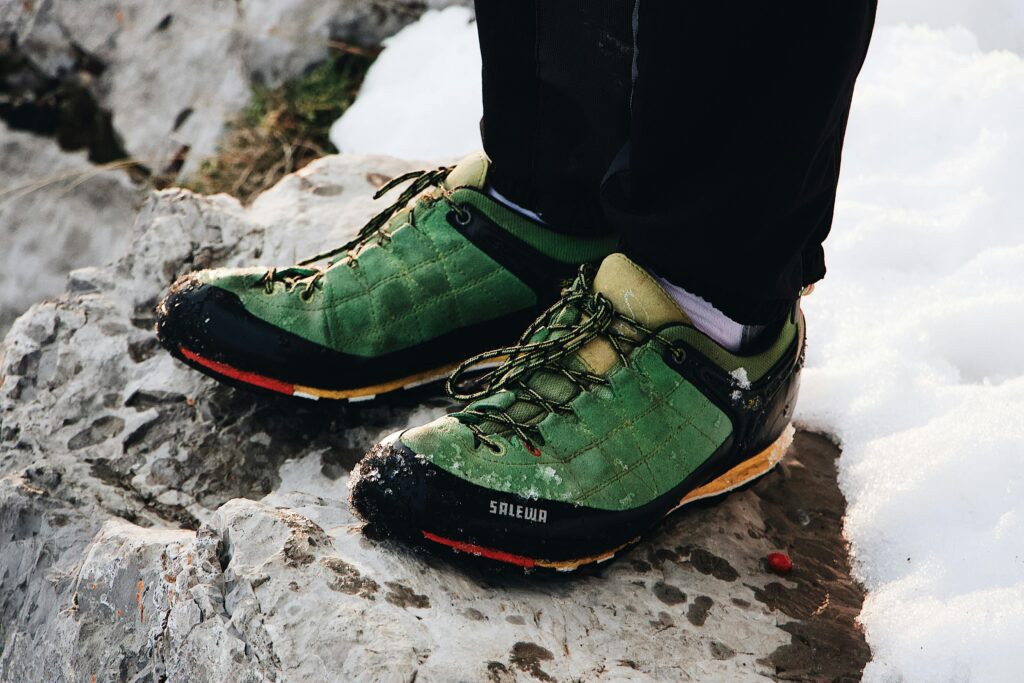
The honest answer is that none of these is universally better. They solve different problems for different hikers on different terrain and the right choice depends entirely on what you’re actually doing.
Boots offer the most protection, durability, and support under a heavy pack on rough ground. They are also the heaviest and most restrictive option, which matters more than people expect over a long day on easier terrain.
Hiking shoes sit in the middle. Lighter and more flexible than boots, more structured than trail runners.
For day hikes and moderate trails they handle most situations comfortably without the weight penalty of a full boot.
Trail runners are what a growing number of experienced hikers reach for when they want to move efficiently and comfortably over long distances.
They are light, breathable, and remarkably capable in the right hands. They also offer less protection and wear out faster, which is a trade off worth understanding before committing.
Think about your terrain, your pack weight, and how your feet respond to long days. The answer usually becomes obvious from there.
Fit and Comfort: More Important Than Brand
No amount of technical features or premium materials fixes a boot that doesn’t fit properly.
A well fitting budget shoe will outperform an expensive one that doesn’t suit your foot every single time, and the trail is an unforgiving place to discover you got that wrong.
The heel needs to sit securely with minimal movement. Lift and slip on every step translates directly into blisters.
The toe box needs enough room that your toes aren’t compressed or jamming forward on descents.
Any pressure point that exists in the shop will exist on the trail, just significantly worse after several hours.
Feet swell during the day so test footwear in the afternoon rather than the morning, and always with the socks you actually hike in.
Choosing the right hiking socks can be just as important as choosing the right footwear. What fits well under those conditions fits well where it matters.
🗒️ Free Checklist: “Never forget the essentials — grab your free Ultimate Hiking Packing List.”
Weight vs Support: Finding the Balance
Every gram on your feet is felt more than a gram anywhere else on your body.
The old rule of thumb is that a pound on your feet equals five on your back, and while the exact number is debatable the principle is real.
Light footwear reduces fatigue and feels more natural to move in, and on good trails with a reasonable load that trade off is often worth making.
Push into rougher terrain, longer descents, or heavier pack weight and the calculation shifts.
More support and protection starts earning its place in ways that become obvious when you’re picking your way down a loose rocky slope, particularly if you’re trying to reduce the risk of common hiking injuries such as sprained ankles for the third hour in a row.
The test is never how something feels in the first five minutes. It’s how it feels after a full day when your feet are tired and the trail still has miles left in it.
Waterproof or Not?
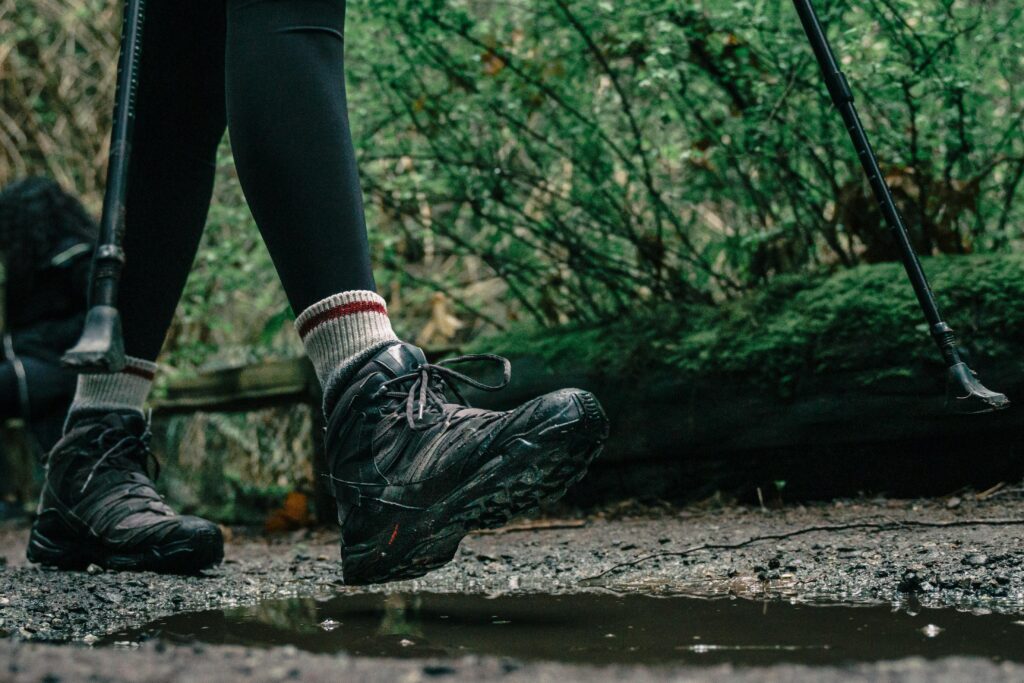
Waterproofing in footwear is one of those features that sounds straightforwardly useful until you understand the trade offs, at which point the decision gets more interesting.
Waterproof membranes keep out light rain and wet grass effectively.
They also trap heat and moisture from the inside, dry slowly when they do get soaked, and in warm conditions can make your feet genuinely uncomfortable in a way that has nothing to do with the weather.
The thing most people don’t realise is that in sustained heavy rain water finds its way in from the top anyway.
Once that happens a waterproof boot holds moisture in just as effectively as it kept it out, and a non-waterproof shoe that breathes well and dries quickly can actually leave you more comfortable for the rest of the day.
Wet and cold conditions where keeping water out genuinely matters, waterproofing earns its place.
Warm weather, mixed conditions, or anywhere breathability matters more than staying dry, it’s worth questioning whether you actually need it.
Common Mistakes to Avoid
Examples of mistakes that you would be wise to avoid include:
- choosing footwear that’s too small
- prioritising brand over fit
- assuming heavier is always better
- ignoring sock choice
- relying on a single pair for all conditions without understanding trade-offs
Fit, Sizing & Comfort Tips
Testing footwear on a flat shop floor tells you almost nothing.
Walk on an incline if you can, because that is where heel lift shows itself and where toe box pressure on descents becomes obvious.
Wear the socks you actually hike in, not whatever you happen to have on that day, and pay attention to anything that feels slightly off rather than assuming it will sort itself out.
Hot spots are worth taking seriously early. A minor irritation in the shop becomes a blister within the first hour on the trail.
Lacing makes more difference than people give it credit for.
Snug enough to hold the heel securely, loose enough that circulation isn’t restricted, and adjusted differently for ascents and descents if needed.
A short local walk before committing to a full day out is always worth doing.
Small issues reveal themselves quickly and cheap fixes like insoles or different lacing can solve problems that would otherwise ruin a trip.
How Hiking Footwear Fits Into Your Overall Setup
Footwear doesn’t work in isolation and the decisions you make around it affect how well it performs more than most people realise.
Socks are the most direct relationship. The best boot in the world paired with the wrong socks will still give you blisters.
Trekking poles reduce the impact load through your feet and knees on descents, which changes what level of cushioning and support you actually need.
Pack weight influences how much stability your footwear has to provide, which is why learning how to pack a hiking backpack properly can improve comfort and balance on the trail., a light daypack and a loaded multi-day pack make very different demands on the same boot.
On longer routes foot care stops being optional. Small problems compound across days in a way a single outing never reveals, and a blister or hot spot that seemed manageable on day one can end a trip by day three if it’s ignored.
Think about everything together and the right footwear choice becomes clearer.
Care, Maintenance & Lifespan
Clean mud and dirt off after every hike, not just occasionally.
Grit works into stitching and materials and breaks them down faster than the miles do.
Let footwear dry naturally away from direct heat, which destroys adhesives and stiffens materials in ways that shorten lifespan significantly.
Waterproof membranes need reproofing periodically.
When water stops beading on the surface and starts soaking in, the DWR treatment has worn off and performance drops noticeably until it’s refreshed.
The honest signal that footwear needs replacing is rarely a visible one.
Cushioning compresses over time and stops absorbing impact the way it did when the boots were new.
If your feet and joints are feeling more fatigued than the distance justifies, the footwear is usually the first place worth looking, especially if you’re experiencing symptoms commonly associated with hiker’s knee.
Explore Footwear Options by Use Case
If you’re ready to narrow things down further, these guides break footwear choices into more specific scenarios:
- Best Hiking Boots for Rocky & Mountain Terrain
- Footwear built for stability and protection on uneven ground and long descents.
- Footwear built for stability and protection on uneven ground and long descents.
- Best Hiking Shoes for Warm Weather & Summer Hiking
- Lightweight, breathable options designed for comfort in heat and on exposed trails.
- Lightweight, breathable options designed for comfort in heat and on exposed trails.
- Best Hiking Boots for Muddy & Wet Trails
- Strong grip and water resistance for slippery, saturated conditions.
- Strong grip and water resistance for slippery, saturated conditions.
- Best Lightweight Hiking Boots for Walking Holidays
- Comfort-focused options designed for consecutive days on the trail.
- Comfort-focused options designed for consecutive days on the trail.
- Best Wide-Fit Hiking Boots
- Footwear designed to reduce pressure and improve comfort for broader foot shapes.
“Turn your dream trek into a plan — get your free Plan Your Own European Walking Holiday ebook ”
FAQs About Hiking Footwear
Do I need hiking boots for walking holidays?
Not always. Many walking holidays are completed comfortably in hiking shoes.
Should hiking footwear feel tight at first?
Nope. Snug is fine, but tight footwear will usually cause problems.
Are waterproof boots better for beginners?
They can help in wet conditions, but breathability is often just as important.
How much ankle support do I really need?
Support comes more from fit and sole stability than ankle height alone.
Can one pair of footwear cover everything?
Yes, but there will always be trade-offs.
Is foot fatigue normal?
Some fatigue is normal, but persistent discomfort may indicate poor fit or insufficient support.
Where to Next?
To build a complete hiking setup, you may also want to explore topics such as:
- Layering systems for changing conditions
- Choosing the right backpack for your trips
- Blister prevention and foot care
- When trekking poles are worth using
Many of our Best Hikes and Walking Holiday guides also show how different footwear performs in real-world conditions across the UK and Europe.


