
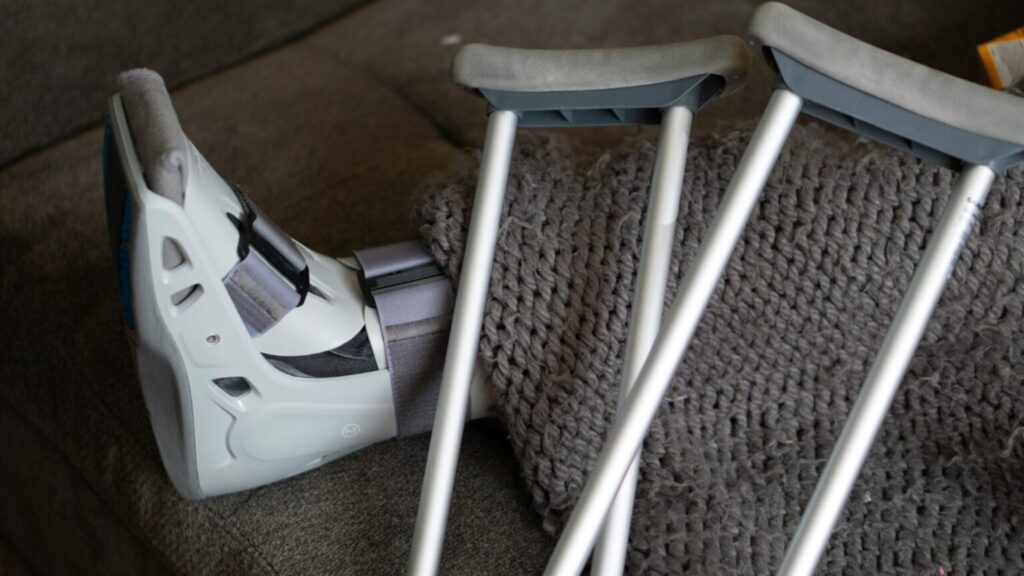
How you can prevent rolling, or spraining, your ankle when hiking…
If you’re a hiker concerned about rolled or sprained ankles, you’re not alone. Ankle injuries are one of the most common issues hikers face on uneven and challenging trails.
This article covers key prevention tips, helpful gear suggestions, and practical treatment strategies to help you minimize the risk of ankle injuries and manage them effectively if they occur. Here’s how you can stay safe, prepared, and proactive on the trail.
What is a Sprained Ankle?
A sprained ankle is an injury involving damage to the ligaments that support the ankle joint, typically occurring when the ankle twists suddenly or excessively, overstretching or tearing the ligaments.
In simple terms, a sprained ankle is a painful injury resulting from an unnatural movement or twist, causing the connective tissues around the ankle to stretch or tear.
Sprained ankles when hiking can vary in severity, from minor strains to complete ligament tears, and they typically take anywhere from a few days to several months to heal, depending on the extent of the damage and treatment approach.
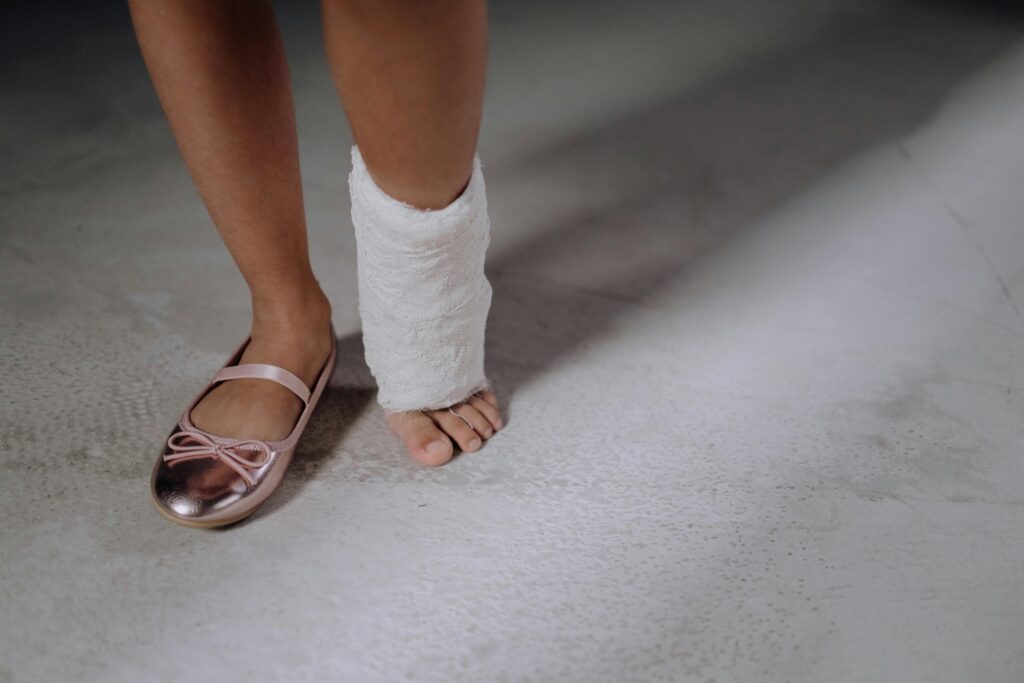
Rolled Ankle vs Sprained Ankle
Although the terms are often used interchangeably on the trail, a rolled ankle and a sprained ankle are not the same injury.
A “rolled” ankle generally describes a less severe injury involving a mild twist without major ligament damage.
In contrast, a “sprained” ankle usually indicates that the ligaments have been stretched or torn, resulting in more serious symptoms and requiring a longer recovery period.
Knowing the difference is essential, as rolled ankles may only need a brief rest, while sprained ankles typically require more comprehensive treatment and extended healing time.
“Avoid rookie mistakes. Our free ebook Hiking for Beginners shows you how.”
Signs & Symptoms of a Sprained Ankle
A rolled or sprained ankle can be quite painful, especially if it involves ligament damage. Typical signs and symptoms of a sprained ankle include:
- Swelling
- Bruising
- Tenderness
- Sharp or aching pain
These symptoms can vary based on the severity of the injury, with minor sprains presenting minimal swelling and pain, while more serious sprains may include substantial bruising and intense discomfort.

How to Treat a Sprained Ankle When Hiking
If you sustain a rolled or sprained ankle, it’s essential to limit its mobility immediately and provide support to the joint to prevent further damage.
One of the best methods to treat a sprained ankle is the R-I-C-E-S approach, which combines effective steps for pain relief, swelling control, and injury stabilization.
The R-I-C-E-S Method:
The general rule of thumb hikers used for sprained ankle treatment is known as the R-I-C-E-S method;
- R – Rest: Give the ankle adequate rest to reduce stress on the joint and avoid further injury.
- I – Ice: Apply ice to the injured area to minimize swelling and pain. For effective relief, apply cold therapy as soon as possible for 15–20 minutes, three to four times a day. In a backcountry setting, consider using snow or cold river water in the absence of an ice pack. Immediately follow icing with a compression wrap to prevent the joint from swelling up after the cold source is removed.
- C – Compression: Use an elastic bandage or cohesive wrap to compress the injury, helping to control swelling and support the joint. Start wrapping at the toes and work up over the foot and ankle, but avoid wrapping so tightly that it causes numbness, tingling, or additional pain.
- E – Elevation: Elevate the injured ankle above heart level whenever possible to help reduce swelling.
- S – Stabilization: Use a brace, tape, or splint to stabilize the ankle, which prevents further injury and helps it heal. Stabilization is essential if you need to move to a safe location or continue on a trail until you can seek professional treatment.
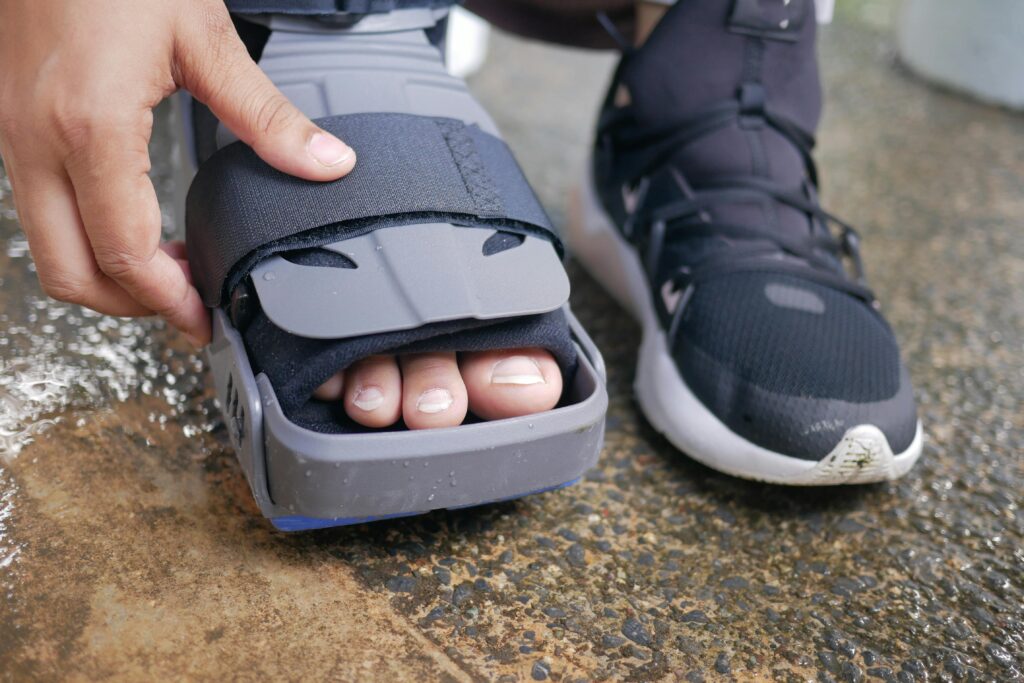
Visiting the Doctor
If symptoms persist or worsen, it’s wise to seek medical attention. A healthcare provider may order an X-ray to determine if there are fractures, and they may also prescribe non-steroidal anti-inflammatory drugs (NSAIDs) for pain and swelling.
Severe cases may require a referral to a physical therapist for targeted rehabilitation exercises to restore range of motion and strength.

How to Prevent a Rolled Ankle and Sprained Ankle When Hiking
While ankle injuries can’t always be avoided, there are several strategies you can use to help reduce the risk of spraining or rolling your ankle while hiking:
- Come Properly Prepared: Wearing appropriate hiking footwear, packing suitable gear, and avoiding overloading your backpack are essential for injury prevention. Proper footwear provides ankle support and stability, while packing only necessary items helps maintain your balance and agility, reducing the chances of missteps that could lead to an ankle injury.
- Strength Training: Building strength in the legs and core enhances stability and resilience, making your ankle less susceptible to sprains. Exercises that target the calves, quads, hamstrings, and glutes improve your balance and reduce the likelihood of ankle injuries.
- Mobility Training: Incorporating mobility exercises like stretching and yoga can significantly improve your ankle flexibility and joint range of motion. A flexible ankle joint is less prone to sudden, injury-causing twists.
- Tape/Ankle Braces: If you have a history of ankle injuries, consider wearing an ankle brace or using athletic tape for added support during hikes. These tools limit excessive movements and provide stability to prevent sprains on uneven terrain.
- Ankle Splints: For more serious injuries an ankle splint maybe required to help stabilize the joint. Carry a splint, or the equipment/tools to fashion one on the go.
- Stay Alert, Eyes on the Trail: Watching the path ahead is crucial, as many ankle injuries result from stepping on loose rocks, holes, or uneven surfaces. If you find yourself distracted, take a break to rest and regain focus before continuing.
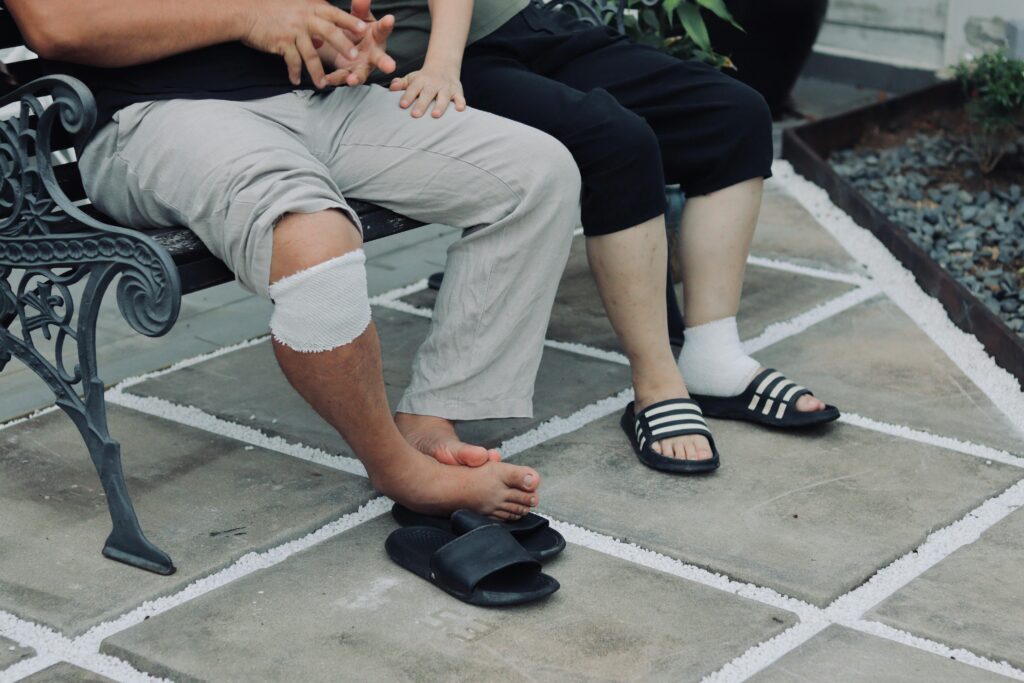
Recovery Time, Support & Long-Term Considerations
Here are additional considerations to keep in mind for ankle health, treating sprained ankles, and sprained ankle prevention on the trail:
- High-Top Boots: While high-top boots can offer some support, they don’t completely prevent sprains. However, wearing well-fitted boots that suit the terrain can provide stability and ensure a secure footing, which indirectly reduces the risk of injury.
- Additional Ankle Support: For extra protection, consider using an ankle brace or taping your ankle before starting a hike. Both methods can help stabilize the joint and minimize unwanted movement that may lead to sprains.
- Recovery Time: Allowing ample recovery time is crucial to prevent reinjury. Depending on the severity, sprains may take anywhere from a few weeks to several months to heal fully:
- First-degree injuries (mild sprains): Usually take 1–3 weeks to recover.
- Second-degree injuries (moderate sprains): Require 3–6 weeks for recovery.
- Third-degree injuries (severe sprains): May take several months to heal and might need physical therapy to regain full function.
DISCLAIMER: This article is not a substitute for professional medical advice or treatment.
In Conclusion
Ankle sprains are common but preventable injuries that can be managed effectively with the right knowledge and preparation. For hikers, a proactive approach that includes strength and mobility training, proper footwear, and staying vigilant on the trail can significantly reduce the risk of rolling or spraining an ankle.
If an injury occurs, applying the R-I-C-E-S method is essential to manage pain, swelling, and stability.
Prioritize ankle health by allowing sufficient recovery time and seeking medical guidance for severe cases. By taking these steps, you can enjoy your hikes with confidence, knowing you’re well-prepared to handle the trails safely and efficiently.


