
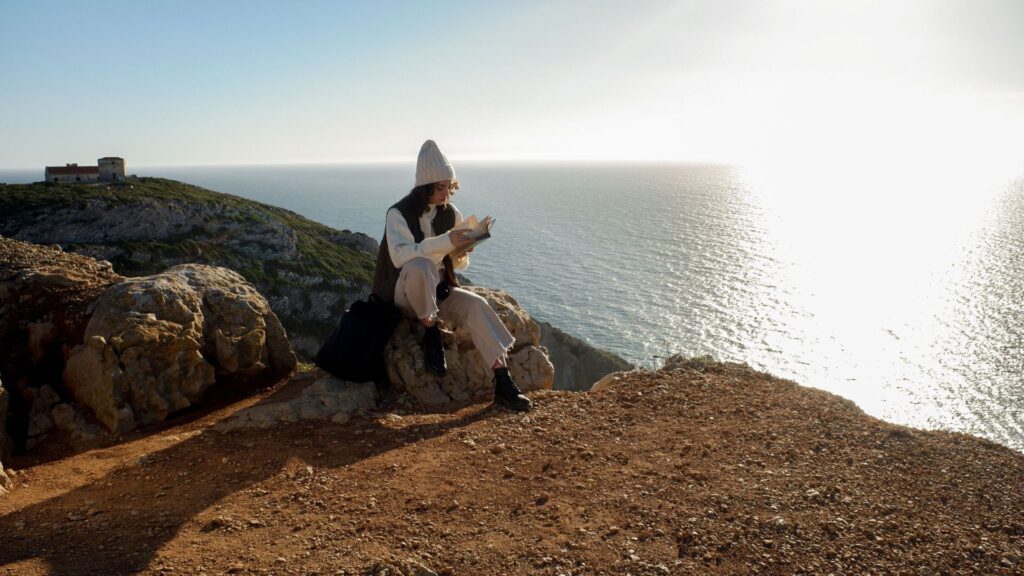
Lisbon is not a city that hides its terrain. From the very moment that you arrive, you will feel it in your legs. Streets climb sharply, viewpoints appear unexpectedly, and entire neighborhoods seem stacked on top of one another.
This is a city that is truly shaped by elevation, by light, and by movement.
At first glance, Lisbon may feel more like a sightseeing destination than a hiking one. But spend a day walking with intention, and it will soon become clear that this is a city made for people who like to explore on foot.
People like you!
- Start Here: The Companion Hiking Guide
- Seasonal Considerations for Hiking in Lisbon
- Why Lisbon Works So Well for Walkers
- The Overall Hiking Style in Lisbon
- Walking Through Lisbon’s Key Areas
- Green Spaces and Urban Trails
- Additional Tips For Exploring Lisbon
- Taking a Walking Holiday in Lisbon
- Exploring Lisbon
- Where to Next?
Start Here: The Companion Hiking Guide
Before diving in, it helps to know that this city guide pairs with a more trail-focused resource.
f you want specific routes, distances, and hike-by-hike recommendations, check out our guide to the best hikes in and around Lisbon
Seasonal Considerations for Hiking in Lisbon
Spring is ideal for hiking in Lisbon. This is because the temperatures are mostly comfortable, hills are green, and walking feels pleasant even at midday. Summer heat can be intense, and especially on exposed hills. Early mornings and evenings are best. Shade is going to become a lot more important in the summertime, let’s put it that way.
Because summer temperatures can rise quickly, plan your water supply before setting out and review this guide on how much water to take on a hike.
Autumn brings cooler air and fewer crowds. This is one of the best times for longer walks and urban hikes. Winter, on the other hand, is actually quite mild by European standards. Rain is possible, but hiking remains very doable, and especially on clear days.
“First time on the trail? Hiking for Beginners has your back.”
Why Lisbon Works So Well for Walkers
Lisbon’s biggest strength is its geography. The city is built across seven hills, and nearly every neighborhood has elevation changes that naturally create viewpoints:
A City Built for Vertical Movement
Unlike flat cities where walking can feel repetitive, Lisbon constantly changes underfoot. Cobblestones turn into stairs. Streets tilt sharply upward. Neighborhoods stack vertically instead of spreading outward.
For hikers, this means that even short walks feel engaging. You are always climbing or descending or adjusting to the terrain.
Viewpoints Instead of Landmarks
Lisbon’s real highlights are not monuments but miradouros, or viewpoints. These are scattered throughout the city and often appear at the end of steep climbs.
For those of you who enjoy walking with a visual reward, Lisbon delivers repeatedly. The city is designed in a way that makes effort feel worthwhile.
Neighborhoods That Encourage Wandering
Many of Lisbon’s most interesting areas are not laid out in straight lines. Alfama, Mouraria, and Bairro Alto are best explored without a rigid plan.
This makes the city perfect for hikers who enjoy wandering or adjusting routes on the fly or discovering quiet corners away from main roads.
The Overall Hiking Style in Lisbon
Lisbon hiking is about legs and patience rather than distance:
Terrain and Physical Effort
Expect steep inclines, uneven pavement, and frequent staircases. Even short routes can feel demanding, especially in warm weatherIf you’re planning several days of walking, take time to improve your hiking stamina before your trip so the steep climbs feel more manageable.. For those of you who enjoy walking that feels physical without being technical, however, you’ll be glad to hear that Lisbon strikes a perfect balance.
For those of you who enjoy walking that feels physical without being technical, however, you’ll be glad to hear that Lisbon strikes a perfect balance.If you’re new to hiking, these hiking tips for beginners can help you prepare for the climbs, uneven surfaces, and longer days on foot.
Urban Hiking at Its Best
Most hiking here happens within the city itself. Sidewalks turn into trails. Staircases replace streets. Parks and viewpoints create natural stopping points.
This creates a form of urban hiking that feels dynamic and constantly changing.
Views as the Main Reward
Lisbon rewards effort with scenery. Almost every climb ends with a view over red rooftops, the Tagus River, or the Atlantic horizon.
Walking Through Lisbon’s Key Areas
Some of the best areas in Lisbon to explore include:
Alfama and Mouraria
These are Lisbon’s oldest neighborhoods and some of the most physically demanding to walk. Narrow alleys twist uphill, staircases appear without warning, and the layout feels intentionally confusing.
For hikers, this is part of the appeal. Walking here feels like exploration rather than navigation. The reward comes in the form of hidden viewpoints and quiet corners, as well as a strong sense of place.
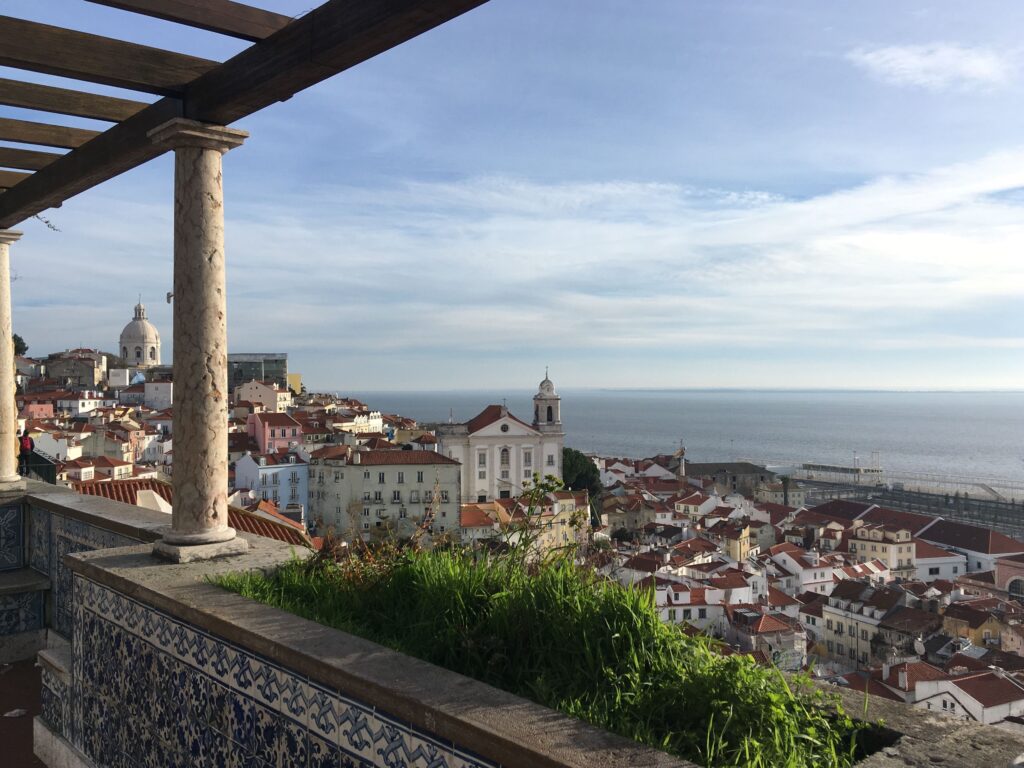
Bairro Alto and Chiado
These areas sit higher and feel more open. Streets are still sloped, but they are also much wider and easier to manage. Walking here offers a mix of historic buildings with viewpoints and lively streets. It strikes a good balance between effort and accessibility.
“Plan less, walk more.” Pick a route, set your pace, and let Europe unfold under your boots: grab your free Walking Holiday ebook today”
Belém and the Riverfront
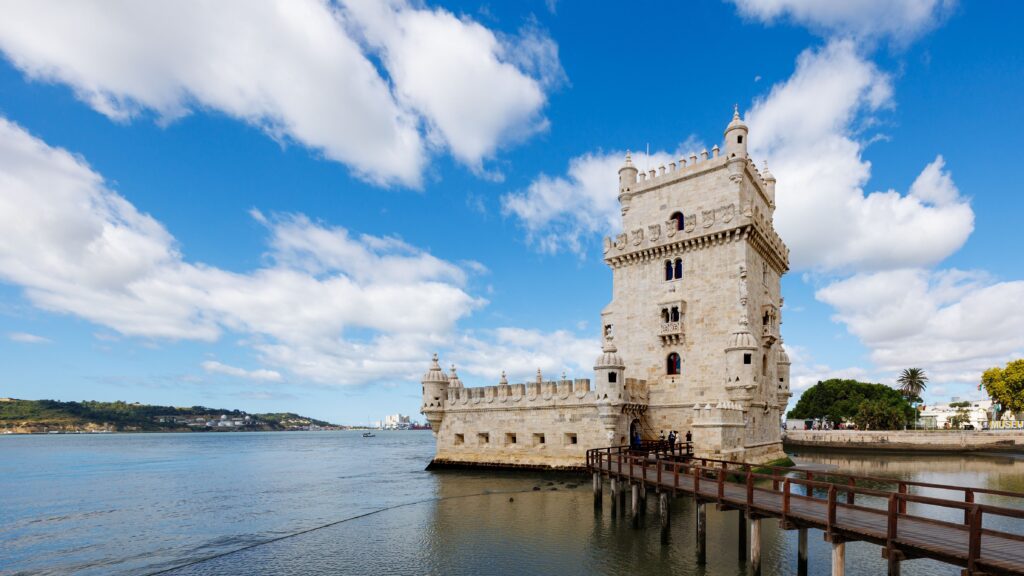
Belém offers flatter walking and long riverside paths. This area is ideal for recovery days or extended walks without heavy climbing. The paths along the Tagus River stretch for kilometers and provide open views along with steady pacing and plenty of space.
Graça and São Vicente
These neighborhoods sit high above the city and offer some of the best walking routes for those who enjoy elevation. The climbs are real, but so are the views. These areas feel more residential and less touristy, which makes them ideal for slow exploration.
Green Spaces and Urban Trails
Lisbon may feel dense, but it also offers several green spaces that work well for hikers:
Monsanto Green Corridor
Monsanto is Lisbon’s largest green space and it’s the closest thing to a true urban hiking area. Trails wind through forested hills and lead to panoramic viewpoints over the city and river.
This is where locals go when they want real walking rather than sightseeing.
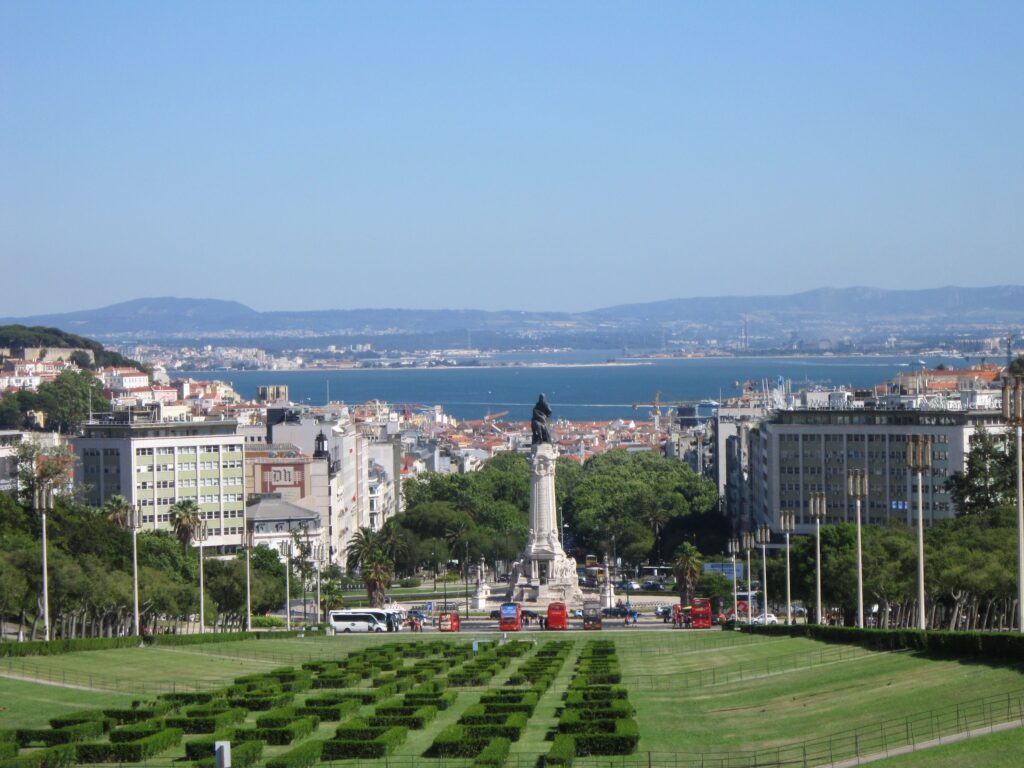
Eduardo VII Park
This park offers long and sloped paths with views toward the river. It connects easily to central neighborhoods and it also works well as part of a longer urban walk.
Coastal Walks
From Belém westward, the city opens up to long coastal paths. These routes are flatter and breezier, which is precisely what makes them much more ideal in warmer weather.
Additional Tips For Exploring Lisbon
Before setting out, it helps to understand how Lisbon actually works for walkers. A little planning goes a long way here.Even for urban walks, it’s worth checking what to bring on a day hike, particularly if you plan to spend hours exploring Lisbon’s hills and parks.
Do You Need a Car?
You do not need a car in Lisbon, and in most cases, you will not want one. Streets are narrow, parking is limited, and many areas are better explored on foot.
Public transportation (when combined with walking, at least) is far more efficient. A car only becomes useful for exploring far outside the city or coastal areas not served by trains.
🗒️ Free Checklist: “Never forget the essentials — grab your free Ultimate Hiking Packing List.”
Public Transportation
Lisbon’s trams, metro, and buses make it very easy to manage elevation and distance. The tams are especially useful for climbing steep hills when your legs need a break. Metro lines connect major neighborhoods, while buses fill in areas not served by rail. Tickets are also quite inexpensive.
Taking a Walking Holiday in Lisbon
Lisbon is an ideal city for a walking-focused trip because it offers variety without complexity. You can spend days exploring different neighborhoods, and you can also mix urban walks with coastal paths and viewpoints…and all without changing accommodations.If you’d like to compare other walking holiday destinations in Europe, there are plenty of options for building a trip around scenery, trails, and time outdoors.
Lisbon is a convenient base for a European walking holiday because you can combine urban exploration with coastal walks without changing accommodation.
The city rewards slow travel. Every hill climbed leads to a new perspective, and every neighborhood offers its own rhythm and personality.
For those of you who enjoy cities that unfold through movement rather than monuments, Lisbon is one of Europe’s most satisfying places to explore on foot.
Where to Next?
- Ultimate Guides – your gateway to hiking across Europe
- Hikes & Trails – curated lists of the best hikes and local gems
- Walking Holidays – extended journeys for when a single day just isn’t enough
- General Blog – all the extras: gear reviews, planning tips, and personal stories
Exploring Lisbon
So what are you waiting for? If you’re ever going to take a walking or holiday trip to the Iberian Peninsula, Lisbon is absolutely a city that you need to visit!


