

Spain offers some of the most captivating and diverse hiking in Spain trails in all of Europe, which makes it a must-visit destination for outdoor lovers.
From volcanic landscapes to rugged mountain ranges and everything in between, the varied terrain of this Iberian country means there’s something for every type of hiker.
Not only does the country boast incredible natural beauty, but its well-developed infrastructure and strong focus on nature conservation make it easy to explore and enjoy.
In this guide, we’ll take you through some of the most intriguing hiking spots that Spain has to offer, including the volcanic wonders of Caldera de Los Cuervos and Caldera Blanca, the dramatic scenery of Ordesa y Monte Perdido National Park, the stunning peaks of Andorra, and the granite-filled landscape of La Pedriza.
Whether you’re seeking challenging mountain climbs or scenic walks through nature, Spain should have a trail that you’re looking for.
Visiting Spain: What to Explore
Spain is famous for its vibrant culture, delicious cuisine (like paella), world-class wines, and the intense passion its people have for football.
From the intense matches of La Liga to the colorful cities like Barcelona, Madrid, Málaga, and Valencia, there’s so much to experience in this beautiful country.
Spain is also home to some of the world’s most stunning islands, including the Canary Islands and Mallorca, which each offer breathtaking landscapes and more opportunities for outdoor adventures.
If you’re a lover of art, Spain is a treasure trove. One of its most famous artists, Pablo Picasso, created masterpieces like Guernica, which portrays the tragic bombing of the town of Guernica during World War II.
You can see this iconic piece at the Reina Sofia Museum in Madrid. While you’re in the city, you want to miss out on a visit to the Santiago Bernabéu Stadium, home to Real Madrid, one of the world’s greatest football teams.
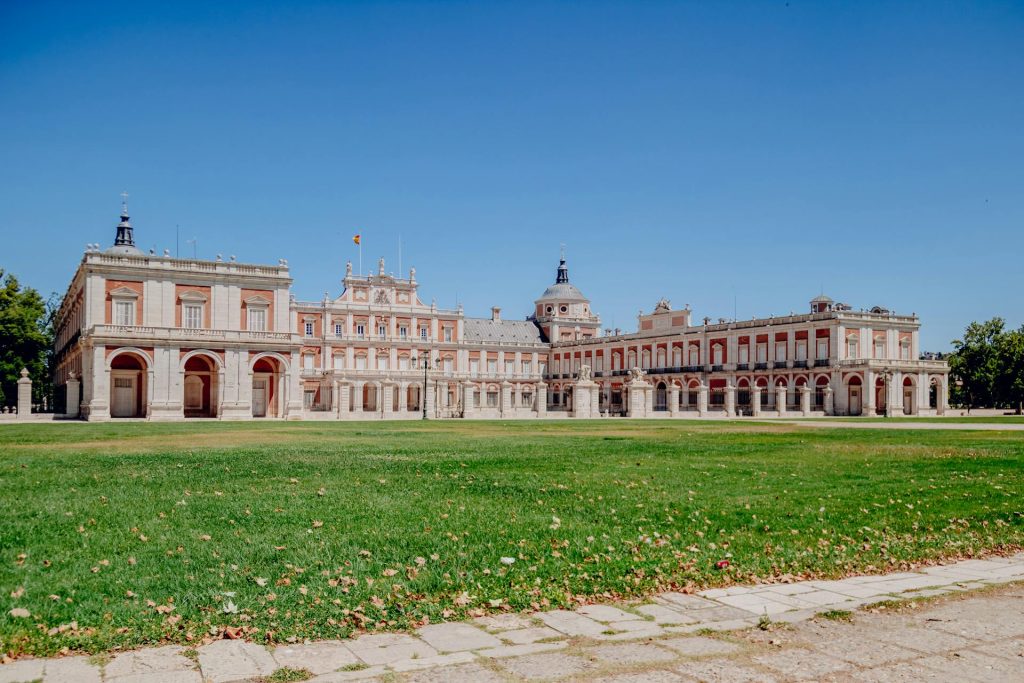
In Barcelona, if you’re a football fan you can visit Camp Nou, which is the home stadium of Real Madrid’s fiercest rival, FC Barcelona. The rivalry between these two clubs is legendary.
Beyond football, Spain is also a paradise for hiking enthusiasts. The country’s diverse terrain offers something for everyone, whether you want to go for a leisurely stroll along sun-soaked coasts, easier walks through lush forests, or more intense hikes up rugged mountains.
It’s also worth mentioning Andorra (a tiny state nestled between Spain and France) that is famous for its world-class ski resorts and breathtaking mountain views. If you have the time, Andorra is a must-visit because it has incredible trails for all levels.
In this ultimate guide, we’ll dive into some of Spain’s most scenic hiking trails that cover a range of distances and difficulties. Whether you’re hiking under palm trees, along the coastline, or exploring desert-like landscapes, Spain has it all!
Weather Conditions on Your Hikes in Spain
The weather in Spain varies significantly depending on where you are, which is largely thanks to the country’s diverse terrain.
While the country enjoys plenty of sunlight and warmth year-round, it also has the most climate zones in Europe. That means the weather can change dramatically depending on the region you’re hiking in Spain.
If you’re heading to Lanzarote, for instance, you can expect a dry and almost desert-like climate. Meanwhile, other islands offer more temperate conditions.
In southern Spain, summers are hot, and winters tend to be mild with occasional rain. On the other hand, the northern regions experience colder winters and hot summers, with more drastic temperature changes.
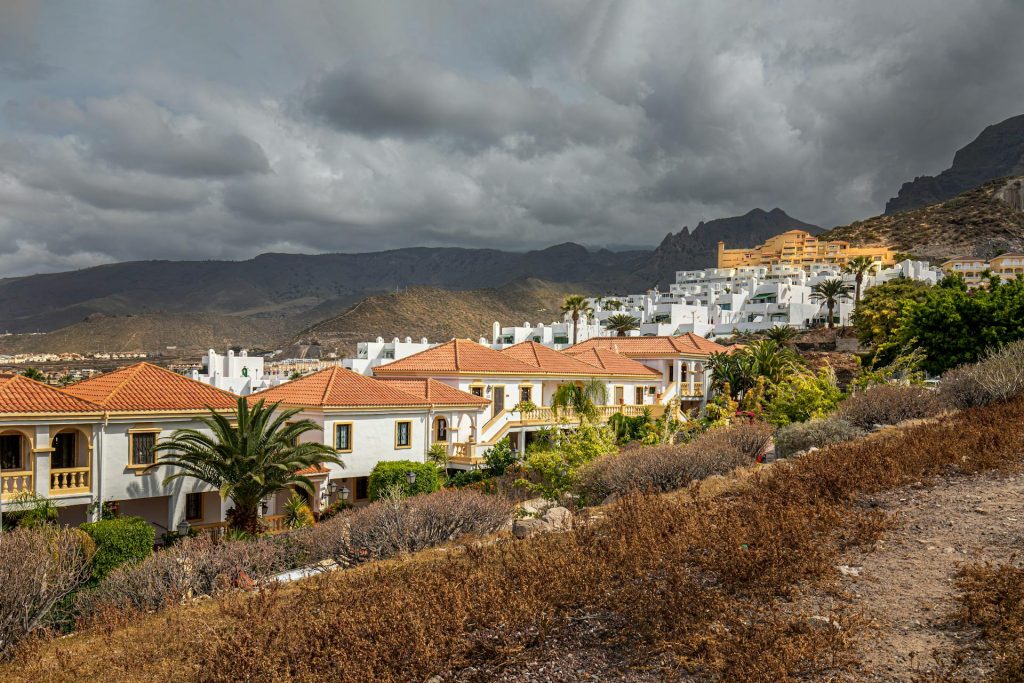
The inland areas of Spain typically have more consistent weather, but when you’re hiking in Spain in the mountains, the conditions can change quickly.
As you ascend, the climate becomes more alpine, with cooler temperatures and unpredictable weather, especially in valleys.
One thing to watch out for, especially in summer, is the heatwaves. These are common in Spain and should not be underestimated.
If possible, you should avoid hiking in the hottest months of June and July unless you’re heading to higher altitudes in the mountains.
For mountain hikes, it’s always best to check Mountain Forecast for the most reliable weather updates in the country.
Transportation and How to Get There
Spain is known for its friendly and accommodating people, and this hospitality (naturally) extends to its public transportation system.
Spain boasts an extensive and well-connected network, making it easy to get around, even to more remote hiking spots.
One of the highlights is the country’s high-speed trains, known as AVE, which allow you to travel quickly and comfortably between major cities and regions. Plus, tickets are often available at reasonable prices, especially if booked in advance.
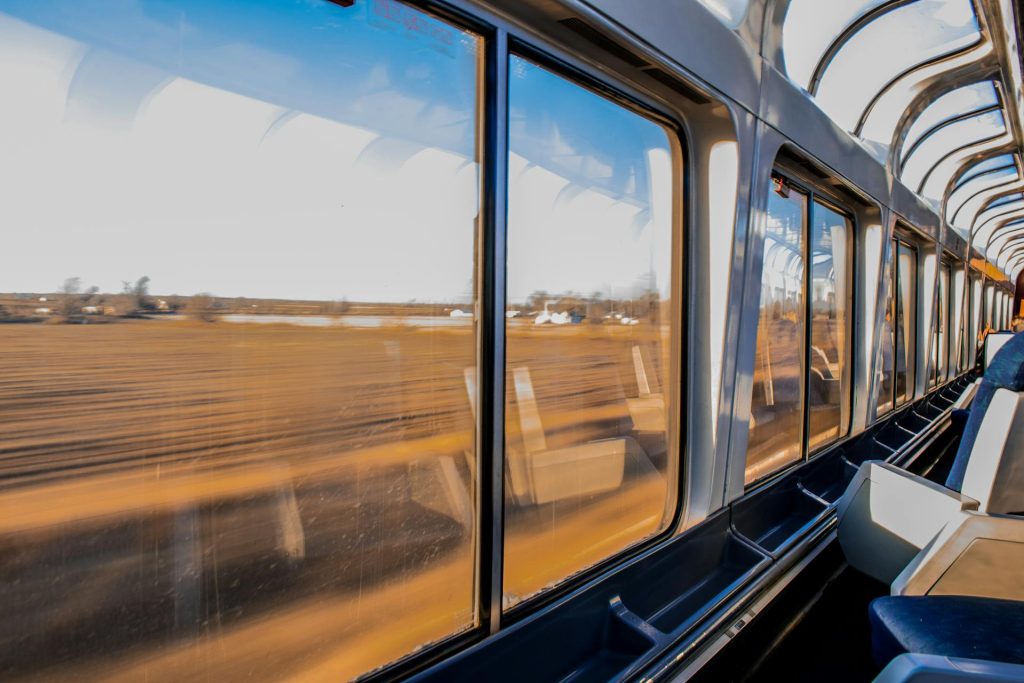
In addition to trains, Spain’s buses and regional rail services are great for reaching smaller towns and rural areas. Public transportation is generally reliable and accessible, with many services offering facilities for people with disabilities.
Whether you’re planning to hike in the mountains, along the coast, or in a national park, you’ll likely find convenient transport options to get you there.
For added flexibility, renting a car is also an easy and affordable option, especially for those who want to explore off-the-beaten-path trails.
No matter where you’re headed, getting around in Spain is straightforward and budget-friendly, so you can focus on enjoying the journey to your next hiking adventure.
The Wildlife to Observe on Trail
Spain is a leader in nature conservation, going above and beyond to protect its diverse wildlife. When hiking, it’s important to respect the animals you encounter by following a few key guidelines:
- Keep your distance from all wildlife.
- If you see animals with their young, give them extra space to avoid triggering protective instincts.
- Avoid petting or feeding any wild animals.
- Keep your dog on a leash at all times.
- Don’t make direct eye contact with wild animals, as this can be perceived as a threat.
- If you encounter an animal, don’t run. Instead, slowly walk away, keeping the animal in sight without turning your back.
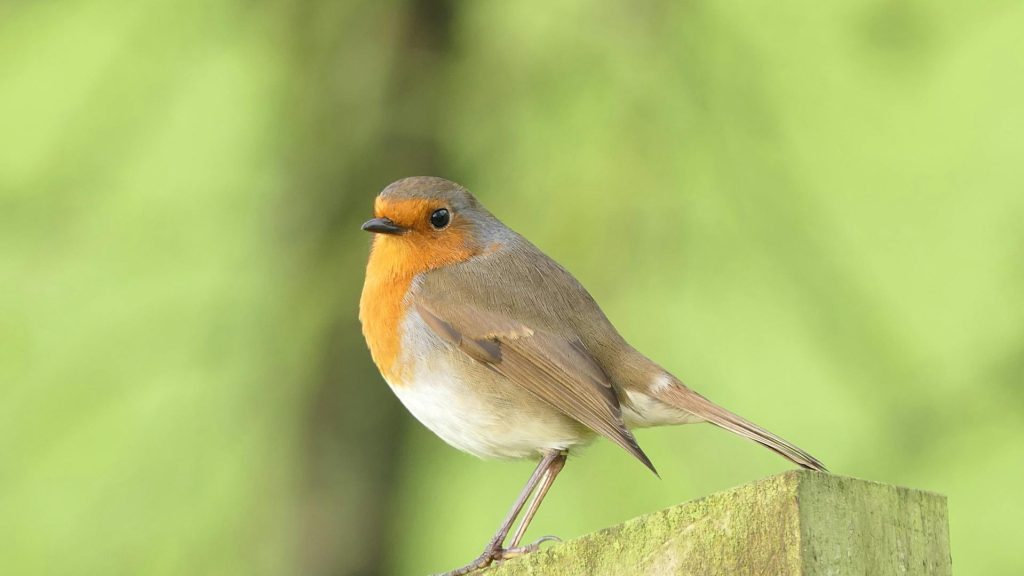
Spain is home to a wide range of fascinating creatures, including mountain goats and the endangered Iberian lynx. The Iberian lynx is one of the most critically endangered wild cats in the world, and sightings are rare but special.
Another unique species is the Pyrenean desman, a small, semi-aquatic mammal that lives near rivers and streams. This species is also endangered, making any glimpse of it on the trail a rare and exciting experience.
Other animals you might come across include wolves, brown bears, and the European bison. In coastal areas, you might spot fin whales or leatherback sea turtles, both of which are also endangered.
With over 30 critically endangered species in Spain, it’s crucial to be mindful and respectful of their habitats. Observing wildlife from a safe distance helps protect these animals while allowing you to enjoy Spain’s natural beauty.
Hiking Symbols in Spain
In Spain, hiking trails are marked with clear symbols to help you navigate, and these symbols can vary slightly across regions. Generally, the trails are marked with two parallel horizontal lines, often paired with arrows to indicate turns.
Spain uses a system of GR routes (Gran Recorrido, meaning “Great Route”) for long-distance treks, which are 50 kilometers or longer. GR routes are marked by two lines: one white and one red. These routes are ideal for those looking to embark on multi-day hikes that cover substantial distances.
For shorter hikes, you’ll come across PR routes (Pequeño Recorrido, meaning “Small Route”), which are between 10 and 50 kilometers in length. These trails are marked by a white line and a yellow line, and are great for day hikes or shorter multi-day treks.
If you’re after an even shorter hike, there are SL routes (Sendero Local, meaning “Local Trail”). These trails are less than 10 kilometers long and are marked with a white and green line. These are perfect for leisurely walks or short hikes that can be completed in a few hours.
For mountain climbing or more challenging routes, the trails are typically marked with blue lines.
Understanding these symbols will make it easier for you to navigate hiking in Spain trails, whether you’re setting off on a long-distance journey or a short local trek.
Just keep in mind that markings may vary slightly depending on the region, but these general symbols are widely used across the country.
Trail Do’s and Don’ts
When hiking, it’s important to follow a few unwritten social norms to ensure a positive experience for everyone on the trail. Here are some key do’s and don’ts to keep in mind:
Do’s:
- Greet fellow hikers: A simple “hello” or nod when passing others is a friendly gesture that contributes to a positive trail atmosphere.
- Pick up litter: Always carry out what you bring in, and if you spot any litter along the way, consider picking it up to keep the trail clean for everyone.
- Be empathetic: Hiking can be tough, and sometimes people need help. Whether it’s sharing extra water or giving directions, a little kindness goes a long way on the trail.
Don’ts:
- Avoid campfires: Due to the risk of wildfires, especially in dry regions of Spain, it’s best to avoid starting campfires. If you need to make a fire, only use wood that has naturally fallen to the ground and follow all local regulations.
- Don’t disturb wildlife: If you see animals in distress, contact a wildlife protection organization like Fundación AAP for assistance. You can reach them at +34 966 290 600 or visit their website for more information.
Best Trails when Hiking in Spain
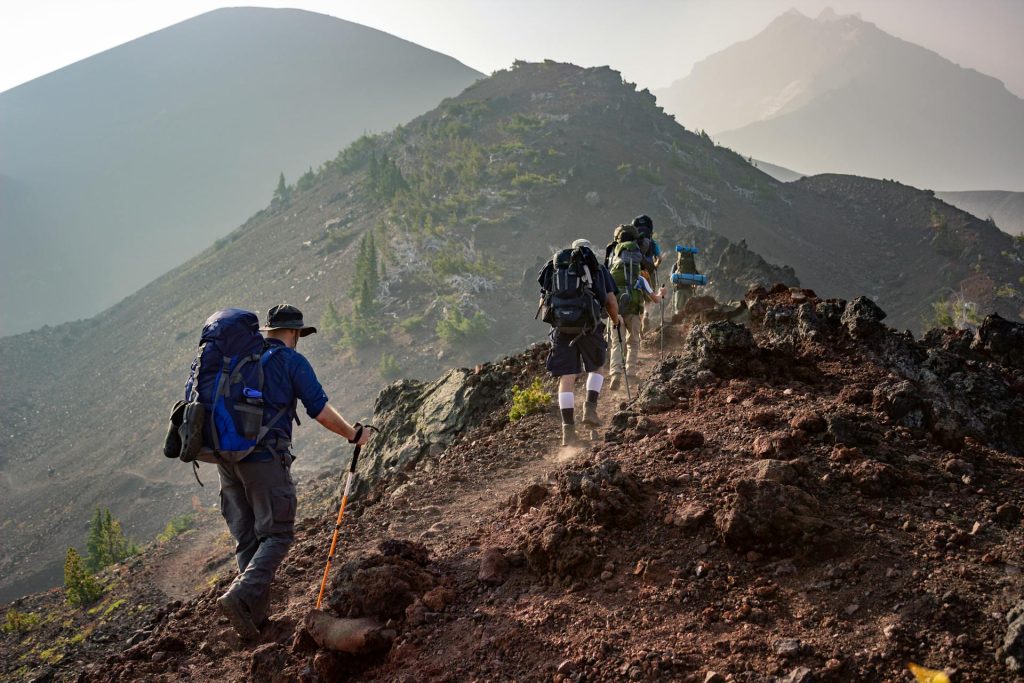
Spain offers some truly unique landscapes that you won’t find anywhere else. One such remarkable destination is Lanzarote (part of the Canary Islands) which boasts a desert-like terrain shaped by volcanic activity.
Known as La Isla de los Mil Volcanes (The Island of a Thousand Volcanoes), Lanzarote offers you a chance to explore dramatic volcanic landscapes.
Caldera de Los Cuervos and Caldera Blanca
While Spain is often known for its lush and green nature, Lanzarote offers a stark contrast with its dry and almost otherworldly volcanic landscape.
Lanzarote is situated just off the coast of the Sahara Desert in Africa, and its terrain is defined by its many volcanoes. This island is home to Los Volcanes National Park, where hikers can explore numerous volcanic craters. The park is easily accessible by car or bus tours from local resorts.
One of the most recommended hikes in Lanzarote is the Caldera de Los Cuervos. This 4.3-kilometer loop takes you right inside the crater of a volcano and is relatively easy with only 87 meters of elevation gain.
If you’ve experienced discomfort, such as a bruised toenail from hiking, check out our guide on how to treat sore feet after hiking to ease your recovery.
For those of you who are looking for more of a challenge, the Caldera Blanca hike is a 9.3-kilometer loop with an elevation gain of 406 meters, and takes you to another massive volcanic crater.
Keep in mind that the sun on Lanzarote is intense due to its proximity to the Equator. The dry, rocky landscape offers very little shade, so it’s crucial to protect yourself from the strong UV rays.
Make sure to wear a breathable long-sleeved shirt, a hat, and apply eco-friendly sunscreen and after-sun lotion to shield yourself from the sun.
Ordesa y Monte Perdido National Park
In the far north of Spain, you’ll find one of the country’s most stunning natural treasures: Ordesa y Monte Perdido National Park.
The park’s main draw is the beautiful Ordesa Valley, a trail that winds through dense forested mountains and steep, rocky peaks. As you hike, you’ll be surrounded by vibrant green grass, cascading waterfalls, and rivers that cut through the landscape.
Ordesa y Monte Perdido offers a wide variety of trails to suit all levels, whether you’re looking for a short, easy stroll or a more challenging long-distance hike with significant elevation gain. Hiking in Spain, especially in this park, provides a perfect mix of breathtaking views and invigorating outdoor activity.
Getting there is easy, as you can reach the park by train or bring your car. If you’re in the mood for an extra adrenaline rush, the park also offers opportunities for river rafting and rock climbing.
While you’re up north, consider taking a trip to the independent state of Andorra, where you can enjoy even more outdoor activities like hiking, backpacking, mountain biking, and skiing, depending on the season.
Whether you’re after peaceful walks or extreme adventure, Ordesa y Monte Perdido and Andorra have you covered.
La Pedriza
If you’re looking to combine hiking with some time in Madrid, La Pedriza is the perfect destination. Located in Parque Nacional Sierra de Guadarrama (Sierra de Guadarrama National Park), just 70 kilometers from the heart of Madrid, this hike offers an escape into nature while still being close to the city.
La Pedriza is known for its striking rock formations, peaceful mountain lakes, and sweeping views that make for a memorable hiking experience.
The trails here are fairly long and intermediate in difficulty, which makes them ideal for those of you who are looking for a good challenge but without being too extreme.
You can easily reach La Pedriza by car, or you can join one of the many day-trip expeditions from Madrid, which often include bus transportation. It’s a fantastic way to break up your city sightseeing with a refreshing adventure in the mountains.
Walking Holidays in Spain
Spain offers an array of walking holidays, ideal for travelers seeking to immerse themselves in the country’s stunning landscapes and rich culture. From the rolling hills of the Pyrenees to the sun-kissed beaches of Costa Brava, Spain is packed with diverse terrains for walking enthusiasts.
Whether you’re exploring ancient villages, lush vineyards, or coastal paths, the country’s well-maintained trails offer something for every type of walker.
Resources for your and others’ safety
· General emergency number: 112 This is the standard emergency number within the European Union (the EU).
· Medical emergency number: 061
· Number for the national police force: 091
· Number for the local police: 92
· Two-digit number for the fire brigade: dial 80 or 85 (depending on the region that you are in)
· Mountain weather forecasting: www.mountain-forecast.com
· Traffic information: 011
· Tourist hotline for general information: +34 902 102 112
· For animal rescue, contact a wildlife organisation such as for instance Fundacion AAP at +34 966 290 600 Their website is right here.


