Are you wanting to explore the best hikes in Spain?
Whether you’re drawn to the dramatic landscapes of the Canary Islands or the rugged beauty of mainland Spain, we’ve got you covered.
In this guide, we’ll take you through six incredible trails across this Iberian country, from the north to the south, and even across the islands.
You can expect nothing short of stunning natural scenery, fascinating local culture, and a few fun facts about the regions along the way!
- Why Hike in Spain?
- Companion Article: Ultimate Guide to Hiking in Spain
- The Best Hikes in Spain
- 1. Caldera de Los Cuervos (and Caldera Blanca), Lanzarote
- 2. Cola de Caballo via the Soaso Steps from the Ordesa Meadow, Parque Nacional de Ordesa y Monte Perdido, Huesca
- 3. Volcá de Santa Margarida, Parc Natural de la Zona Volcànica de la Garrotxa
- 4. Peñalara circular route, Parque Nacional Sierra de la Guadarrama, province of Madrid
- 5. Sendero del Río Bailón, Cabra to Zuheros
- 6. Ruta del Cares (PR-PNPE 3), Austurias
- What to Bring for Hiking in Spain
- Walking Holidays in Spain
- Where to Next?
- Conclusion
Why Hike in Spain?
Spain stands out as a hiking destination because of its diversity. Few countries offer such a wide contrast of landscapes in one place — from arid volcanic terrain and Atlantic gorges to alpine peaks and forested valleys.
The mainland and islands each bring something different, making it easy to plan multiple hiking experiences within a single trip.
Spain also places a strong emphasis on conservation. Its national parks protect unique ecosystems and wildlife, and hiking routes are designed to balance access with preservation.
Marked trails, clear regulations, and a growing outdoor culture make it easier to hike responsibly while enjoying some of Europe’s most distinctive scenery.
Companion Article: Ultimate Guide to Hiking in Spain
Planning a hiking trip to Spain? Our complete guide breaks down the country’s hiking regions, best seasons to go, trail etiquette, and what to expect in different Check out our Ultimate Guide to Hiking in Spain for planning, regions, and trail tips.
The Best Hikes in Spain
Spain offers an incredible variety of landscapes, with terrain that changes dramatically from one region to another. The islands alone boast scenery that’s strikingly different from mainland Spain, yet every corner of the country has its own unique charm.
1. Caldera de Los Cuervos (and Caldera Blanca), Lanzarote
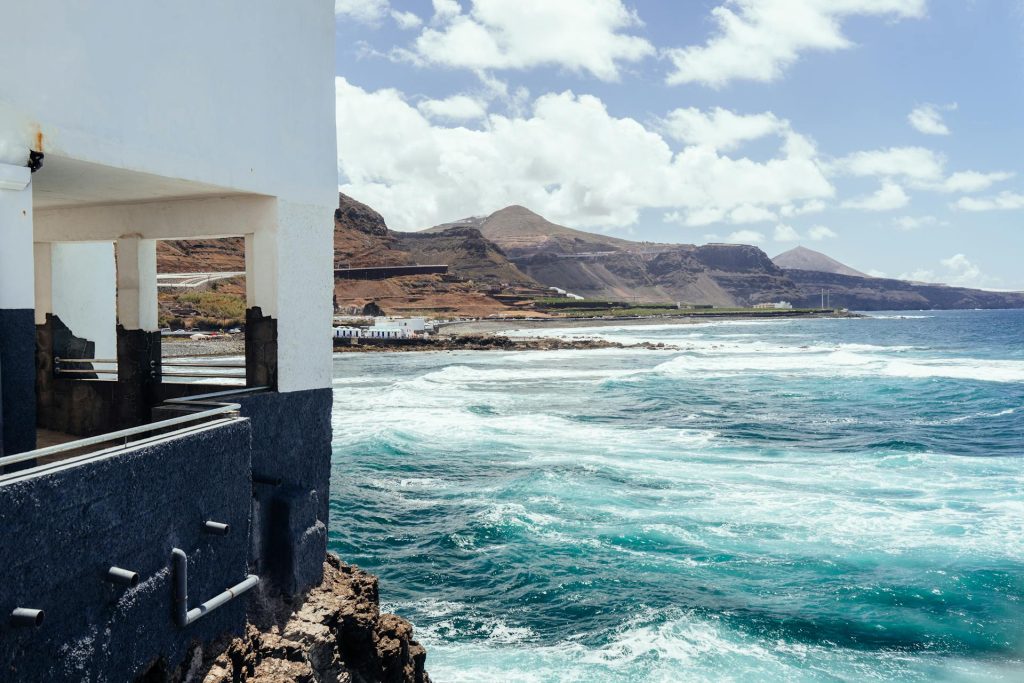
Lanzarote, one of Spain’s Canary Islands, is renowned for its desert-like terrain and arid climate. The island’s volcanic landscape offers a truly distinctive hiking experience.
Located off the northwest coast of Africa, Lanzarote feels worlds away from the rest of Spain. While the island is home to multiple volcanoes, only one (Timanfaya) is still considered active.
But don’t worry, Timanfaya hasn’t erupted in nearly 300 years, although the ground in some areas may feel warm due to underground volcanic activity.
Rest assured, the authorities continuously monitor the area, and if there were any danger of an eruption, timely travel warnings would be issued.
One of the must-do hikes in Lanzarote is the Caldera de Los Cuervos trail. This relatively easy 4.3-kilometer hike offers minimal elevation gain, which makes it accessible for both families and experienced hikers.
What makes it especially unique is the opportunity to walk inside the crater. It’s truly a rare experience that few volcanoes around the world allow.
Keep in mind that while the crater walls offer some shade, the trail itself is exposed, with no trees or structures providing cover from the sun. So be sure to prepare for the heat!
For those seeking a bit more of a challenge, consider hiking the Caldera Blanca crater. This 9.3-kilometer loop offers stunning panoramic views from the summit, with an elevation gain of 406 meters.
It’s a rewarding hike for anyone looking to explore more of Lanzarote’s volcanic landscape.
Trail Snapshot
• Difficulty: Easy to Moderate
• Distance: 4.3 km (Los Cuervos) / 9.3 km (Caldera Blanca loop)
• Elevation Gain: Minimal / 406 m
• Start / End: Lanzarote volcanic trailheads
• Highlights: Volcanic craters, lava fields, panoramic views
Difficulty / Recommended Fitness Level
Los Cuervos is suitable for most fitness levels. Caldera Blanca offers a more challenging option for experienced hikers.
Distance
Los Cuervos is a short 4.3-kilometer walk, while Caldera Blanca extends to 9.3 kilometers.
Elevation Gain
Minimal for Los Cuervos; Caldera Blanca gains approximately 406 meters.
Start and End Point
Both hikes begin at designated volcanic trailheads on Lanzarote.
Get to the Trailhead
Trailheads are accessible by car from towns across Lanzarote. Due to limited shade, early starts are recommended.
Highlights & Landmarks
Walking inside a volcanic crater and exploring Lanzarote’s otherworldly terrain makes these hikes truly unique.
2. Cola de Caballo via the Soaso Steps from the Ordesa Meadow, Parque Nacional de Ordesa y Monte Perdido, Huesca
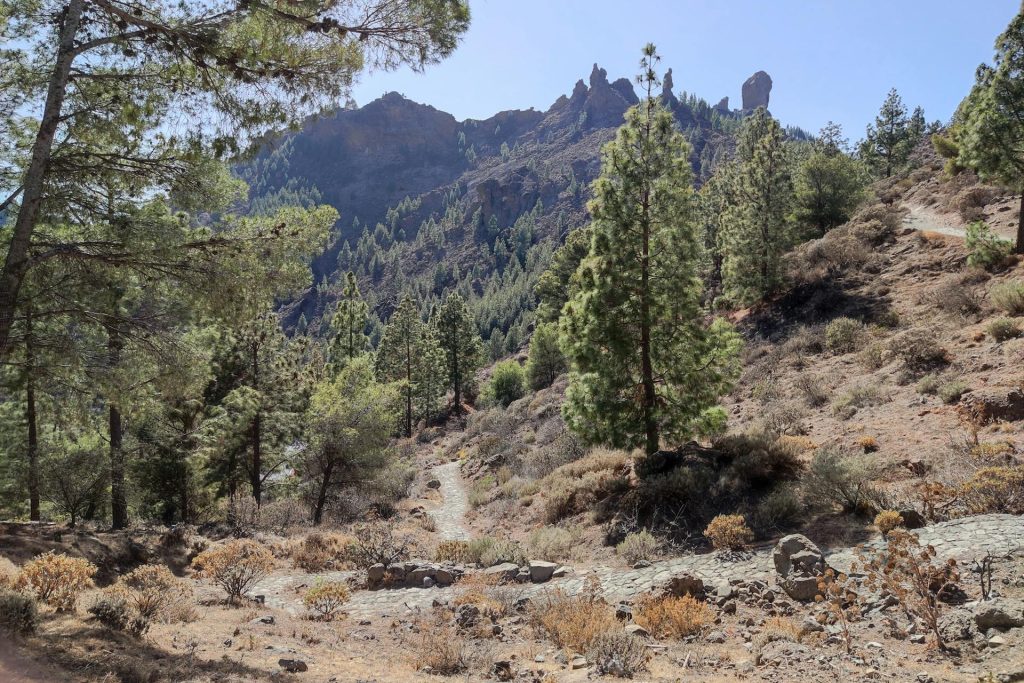
Located in the heart of the Pyrenees Mountains, Parque Nacional de Ordesa y Monte Perdido spans across four picturesque valleys.
Established in 1918, the park has earned widespread recognition for its commitment to conservation and sustainability.
The park’s global significance is highlighted by its designation as a UNESCO World Heritage Site. The park is not only a protected area but also a place of study where researchers examine the relationship between humans and nature to contribute to the United Nations’ 2030 Sustainable Development Goals.
“Avoid rookie mistakes. Our free ebook Hiking for Beginners shows you how.”
With more than twenty trails to explore, Parque Nacional de Ordesa y Monte Perdido offers something for hikers of all abilities.
While it’s difficult to single out just one must-see hike in such a stunning park, one trail that stands out for its beauty and challenge is the Cola de Caballo via the Soaso Steps from Ordesa Meadow.
This breathtaking 17.5-kilometer trail has an elevation gain of 480 meters and takes you through a landscape of cascading waterfalls, sweeping meadows, towering rock walls, and lush forests.
Trail Snapshot
• Difficulty: Moderate
• Distance: 17.5 km
• Elevation Gain: 480 m
• Start / End: Ordesa Meadow loop
• Highlights: Waterfalls, meadows, rock walls, forests
Difficulty / Recommended Fitness Level
A longer hike best suited for hikers with moderate fitness.
Distance
The trail stretches 17.5 kilometers.
Elevation Gain
Approximately 480 meters.
Start and End Point
The route starts and ends at Ordesa Meadow in the heart of the national park.
Get to the Trailhead
Access is typically via shuttle or park transport systems used to manage visitor numbers.
Highlights & Landmarks
Cascading waterfalls, broad valleys, and dramatic canyon walls define this classic Pyrenees hike.
3. Volcá de Santa Margarida, Parc Natural de la Zona Volcànica de la Garrotxa
Located in the far northeast corner of Spain (between Barcelona and the French border) Parc Natural de la Zona Volcànica de la Garrotxa offers a unique hiking experience unlike any other in the country.
While Lanzarote is known for its desert-like terrain and volcanic landscapes, here you’ll find lush forests surrounding the park’s many dormant volcanoes, creating a striking contrast.
One of the most notable volcanoes in the park is Santa Margarida, standing at 766 meters above sea level. Though no longer active, this volcano offers visitors a chance to explore its forested slopes.
Multiple hiking routes in Spain are available, ranging from shorter, leisurely walks to more extended adventures. Some of these trails even lead into the heart of the crater, where you’ll find a Romanesque chapel that was built to honor the volcano’s presence.
For a truly immersive hike, you should try out the 11-kilometer loop trail that has an elevation gain of 351 meters. This scenic route begins in the beautiful La Fageda d’en Jordá nature reserve, which is known for its serene beech tree forest.
From there, the trail takes you to Santa Margarida before continuing on to Volcà del Croscat (another volcano draped in trees) also within the park.
Trail Snapshot
• Difficulty: Moderate
• Distance: 11 km
• Elevation Gain: 351 m
• Start / End: La Fageda d’en Jordà
• Highlights: Forested volcanoes, crater chapel, beech forest
Difficulty / Recommended Fitness Level
A moderate loop suitable for hikers comfortable with steady climbs.
Distance
An 11-kilometer circuit.
Elevation Gain
Approximately 351 meters.
Start and End Point
The loop begins in La Fageda d’en Jordà and circles Santa Margarida and Volcà del Croscat.
Get to the Trailhead
The park is accessible by car from towns in northeastern Spain, with parking near trail access points.
Highlights & Landmarks
Dormant volcanoes, lush forests, and a Romanesque chapel inside a volcanic crater.

4. Peñalara circular route, Parque Nacional Sierra de la Guadarrama, province of Madrid
Located relatively close to Madrid, Sierra de Guadarrama National Park is an excellent destination for anyone wanting to experience Spain’s natural beauty.
Despite being one of the country’s newer national parks, it has quickly become a haven for wildlife enthusiasts. The park is home to a wide variety of mammals and more than 100 species of birds, making it a vibrant ecosystem with over a thousand animal species and an equally impressive array of native plants.
Sierra de Guadarrama is considered one of the most biodiverse parks in Spain and has been designated as a biosphere reserve. For those of you who are keen on learning more about the park’s rich biodiversity while hiking, guided tours are available in both English and Spanish.
A good hike to embark on here is the Peñalara Circular Route, which leads you on a loop around Mount Peñalara, the highest peak in the region. This 14-kilometer trail features an elevation gain of 650 meters and offers breathtaking views of the surrounding landscape.
If you plan to tackle Mount Peñalara in the winter, be prepared for snow and colder conditions. Even in summer, the temperatures can drop significantly on cloudy days, and the glacial formations are truly a sight to behold.
Winter hiking requires extra precautions, so make sure to account for the weather and its potential challenges.
Trail Snapshot
• Difficulty: Moderate
• Distance: 14 km
• Elevation Gain: 650 m
• Start / End: Sierra de Guadarrama loop
• Highlights: Mountain views, glacial formations, biodiversity
Difficulty / Recommended Fitness Level
Moderate fitness required, with additional precautions needed in winter.
Distance
A 14-kilometer circular route.
Elevation Gain
Approximately 650 meters.
Start and End Point
The loop circles Mount Peñalara, the highest peak in the region.
Get to the Trailhead
The park is easily reached from Madrid, making it a popular day-hiking destination.
Highlights & Landmarks
Glacial features, sweeping mountain views, and rich wildlife habitats.

5. Sendero del Río Bailón, Cabra to Zuheros
This scenic trail, which is accessible only by foot, offers a serene hiking experience with minimal elevation gain but stunning views. Bicycles and horseback riding are not permitted, which helps ensure that the trail remains a peaceful escape into nature.
The route winds through the mountains, following the picturesque Río Bailón (Bailón River) as it leads you towards the charming town of Zuheros, often recognized as one of Spain’s most beautiful villages. Nestled in the southern region of Andalusia, Zuheros is a must-see destination.
Be aware that a permit is required to hike this trail, as parts of it pass through a protected nature reserve with strict regulations. The trail itself features an elevation gain of 115 meters, guiding you through open plains and down toward the village. While mostly gentle, there are a few steep sections to keep things interesting.
Along the way, you may come across grazing sheep, and there are some fascinating caves to explore. The trail stretches just over 12 kilometers one way, making it a moderately long hike.
Once you arrive in Zuheros, you can reward yourself with a leisurely stroll through the village and breathe in the crisp, fresh air.
Trail Snapshot
• Difficulty: Easy to Moderate
• Distance: 12 km (one way)
• Elevation Gain: 115 m
• Start / End: Cabra → Zuheros
• Highlights: River gorge, caves, whitewashed village
Difficulty / Recommended Fitness Level
Accessible for most hikers, with a few steeper sections.
Distance
Just over 12 kilometers one way.
Elevation Gain
Approximately 115 meters.
Start and End Point
The route runs from Cabra to the village of Zuheros.
Get to the Trailhead
A permit is required. Access is on foot only, helping preserve the quiet nature of the trail.
Highlights & Landmarks
River scenery, grazing sheep, caves, and one of Spain’s most picturesque villages.

6. Ruta del Cares (PR-PNPE 3), Austurias
The Ruta del Cares (Cares Route), located in northern Spain near the coast, is one of the most renowned hiking trails in all of Europe. Officially marked as PR-PNPE 3, this trail is highly acclaimed for its stunning views.
As you can imagine, its popularity means it can get quite busy! To avoid the crowds, it’s best to start early in the morning and avoid the peak summer months of July and August.
The trail itself is a breathtaking journey along a path carved into the cliffs of the Cares Gorge, following the Río Cares(Cares River). The dramatic gorge walls are connected by a bridge that spans a dizzying height, adding to the trail’s adventurous allure.
Stretching about 12 kilometers in length, the trail offers significant elevation gain, which is somewhat of a challenging hike, but the rewards are well worth the effort.
Trail Snapshot
• Difficulty: Moderate
• Distance: ~12 km
• Elevation Gain: Notable
• Start / End: Cares Gorge route
• Highlights: Cliff paths, river gorge, dramatic views
Difficulty / Recommended Fitness Level
Moderate difficulty with exposure in places.
Distance
Approximately 12 kilometers.
Elevation Gain
Significant enough to require good footing and awareness.
Start and End Point
The trail follows the Cares Gorge along the river.
Get to the Trailhead
Arrive early to avoid crowds, especially in summer.
Highlights & Landmarks
A path carved into sheer cliffs, bridges over the gorge, and constant river views.
What to Bring for Hiking in Spain
Spain’s varied climates mean preparation is essential. In exposed regions like Lanzarote or Andalusia, sun protection and water are critical. In mountainous areas, weather can change quickly, so layered clothing and proper footwear are a must.
Always stay on marked trails, respect wildlife, and follow national park regulations. Avoid hiking at night or in poor visibility, and check weather and trail conditions before setting out.
🗒️ Free Checklist: “Pack light, pack right — download The Ultimate Hiking Packing List.”
Walking Holidays in Spain
Spain is an excellent destination for walking holidays thanks to its varied landscapes and strong trail infrastructure. From volcanic island routes to mountain loops and river walks through rural villages, there’s no shortage of multi-day options.
Many Spanish trails pass through small towns where hikers can rest, eat well, and experience local culture along the way. Whether you’re tackling longer routes or linking shorter hikes together, Spain offers walking holidays that balance adventure with comfort.
If multi-day walking sounds like your style, browse our Walking Holidays in Spain for full itineraries, accommodation tips, and route maps.
“From Alps to coastlines, our free Walking Holiday guide helps you plan smarter.”
Where to Next?
- Best Hikes in Italy – Italy’s best hikes span mountains, coastlines, and historic routes, blending scenery with culture and village life.
- Best Hikes in Austria – Austria delivers classic Alpine hiking with marked trails, mountain views, and welcoming huts.
- Best Hikes in Germany – Germany offers varied hiking through forests, river valleys, and striking natural landscapes.
- Walking Holiday in Austria – Austria is ideal for walking holidays, combining scenic routes with comfortable stays and alpine views.
- Best Hikes in Croatia – Croatia’s hikes mix rugged inland terrain with coastal and island landscapes.
- Best Hikes in Scandinavia -Scandinavia’s trails cross vast wilderness, fjords, and remote northern landscapes.
Conclusion
Spain offers an incredible array of landscapes and natural wonders. From volcanic terrain to charming villages, and from diverse wildlife to majestic mountain ranges, this country is a paradise for adventurers. Whether you’re a seasoned hiker or just looking for a scenic walk, Spain will have a hike for you.
Happy trails!