

Spain offers a wonderful range of walking holidays, from coastal paths and mountain trails to long-distance pilgrimage routes.
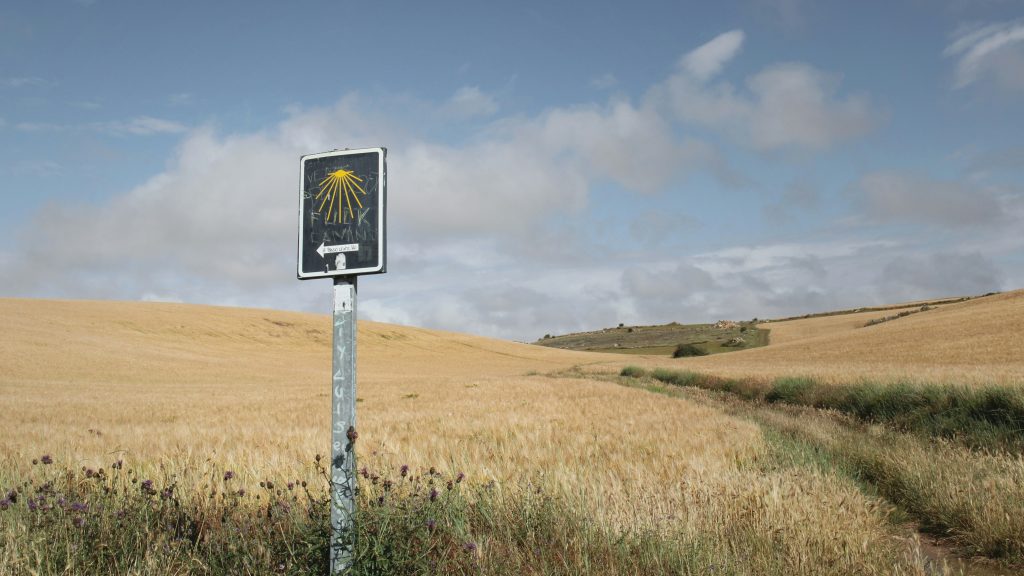
You can spend your days exploring hidden coves, walking between whitewashed villages, or following the familiar yellow arrows towards Santiago de Compostela.
Then there’s the food. After a day on the trails, you can look forward to fresh seafood, a hearty stew, or a few plates of tapas.
Add a welcoming guesthouse and time to put your feet up, and you’ve got a holiday that’s as memorable off the trail as it is on it.
But where should you go? A walking holiday in the Pyrenees is a very different trip from a week on the Costa Brava, and sunshine in southern Spain doesn’t mean its mountain paths are snow-free.
For most trips, choosing one region or a manageable section of a longer trail works best. Here’s how to find the right fit for your dates, your walking experience, and the kind of adventure you’re looking for.
- Choosing the Right Walking Holiday in Spain
- Guided, Self-Guided or Independently Planned?
- The Best Places in Spain for a Walking Holiday
- Example 7-Day Walking Holiday: Sarria to Santiago
- Best Time of Year for a Walking Holiday in Spain
- How Much Does a Walking Holiday in Spain Cost?
- Getting There and Getting Around
- Where to Stay on a Walking Holiday
- Food, Culture and Adventures Beyond Walking
- What to Pack and Check Before You Go
- Common Questions About Walking Holidays in Spain
- Conclusion
- Where to Next?
Choosing the Right Walking Holiday in Spain
Start with three questions: when can you travel, how much walking do you enjoy, and would you rather change accommodation each night or return to the same place?
If you’re hoping for leisurely walks with plenty of time for swimming and lunch, choose short coastal sections or a village base. If reaching a new town each evening is part of the appeal, the Camino or a planned hotel-to-hotel route might be more your thing.
| What you’re looking for | Where to start | What to keep in mind |
|---|---|---|
| Coastal scenery and seaside villages | Costa Brava and selected Camí de Ronda sections | Coastal paths can include steep steps, rocky ground and exposed stretches |
| A sociable pilgrimage with plenty of places to stay | Camino Francés, particularly Sarria to Santiago | Consecutive walking days add up; the final stretch can be busy |
| Dramatic northern mountains | Picos de Europa | Gorge walks and high mountain routes have very different demands |
| Waterfalls, valleys and bigger mountain adventures | Pyrenees | Choose valley walks or high routes to match your experience and the snow conditions |
| Whitewashed villages and southern countryside | Andalusia’s Alpujarras or the countryside around Ronda | Spring and autumn often suit lower walks; summer heat changes the plan |
| Island mountains and village stays | Mallorca’s Serra de Tramuntana | Beautiful scenery comes with rocky paths and meaningful climbs |
| Walking during the cooler months | Selected lower routes on Tenerife | Conditions change sharply with altitude; Teide is a separate mountain undertaking |
| A quieter long-distance Camino | A section of the Vía de la Plata | Longer gaps between services and summer heat require careful planning |
For a first walking holiday, I’d start with a base in the Costa Brava, a manageable village route in Andalusia, or a shorter Camino itinerary. The best choice is the one that leaves you looking forward to tomorrow’s walk.
Things to consider: Choose your longest day before booking your first hotel. A route described as “moderate” might involve a long climb, exposed ground, or several demanding days in a row. Look at distance, ascent, surface and escape options together, then leave room for stops along the way.
Guided, Self-Guided or Independently Planned?
You don’t need to join a tour group to enjoy a walking holiday in Spain. You can organise the whole trip yourself, book a self-guided package, or walk with a guide.
| Holiday style | What it usually involves | Who it suits |
|---|---|---|
| Independently planned | You choose the walks, book accommodation and arrange transport | Walkers who enjoy planning and want control over their budget and pace |
| Self-guided package | An operator arranges specified accommodation and provides route information; luggage transfers may be included | Walkers who want independence with less booking work |
| Guided holiday | A guide leads the walks, usually within a set itinerary | Those who want company, local interpretation or help with more demanding terrain |
There’s also a useful distinction between walking from place to place and staying in one base. A single base gives you flexibility: take a shorter walk, swap a mountain day for a village visit, or sit out poor weather.
Moving between hotels brings that lovely sense of a journey, but you need to reach the next overnight stop.
For those of you who like the idea of travelling light, luggage transfers can make a multi-day walk much more comfortable. Confirm that the service covers your exact accommodation, and carry everything you need for the day yourself.
Things to consider: Before comparing package prices, check the number of nights and walking days, room arrangements, meals, transfers and luggage allowances. “Self-guided” doesn’t mean you’ll have someone walking beside you, and a route app doesn’t remove the need to navigate or make decisions about conditions.
If you’re still deciding, my guide to guided versus self-guided walking holidays in Europe looks at the trade-offs in more detail.
The Best Places in Spain for a Walking Holiday
Costa Brava: Coastal Paths and Hidden Coves
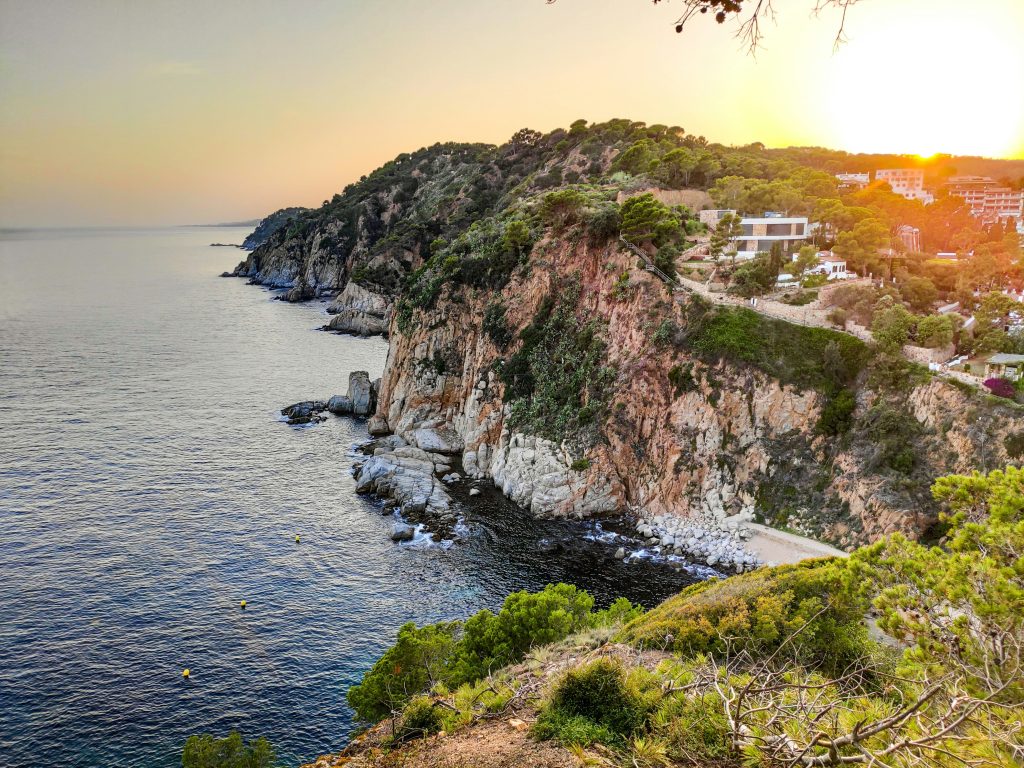
If the thought of turquoise waters, rugged cliffs and hidden sandy coves excites you, the Costa Brava is a wonderful place to start.
The Camí de Ronda follows historic coastal paths associated with fishing communities and coastal patrols. Today, its sections reveal beaches, headlands and seaside villages along the Mediterranean.
You can try the short walk between Calella de Palafrugell and Llafranc, or plan longer days around places such as Begur. A base in one village lets you mix walking with swimming and unhurried lunches; a hotel-to-hotel itinerary takes more work to join together.
Spring and autumn are appealing for walking, while summer brings hotter days and busier beaches. The coastline is still lovely outside the swimming season, although some seasonal services may be closed.
Things to consider: Don’t assume you can follow one uninterrupted, level path along the whole coast. Check your chosen section for closures, steps, inland diversions and return transport. If you’re walking one way, arrange the journey back before setting off.
The Camino de Santiago: A Journey with a Shared Purpose
The Camino de Santiago is easily Spain’s most iconic walking journey, attracting walkers from all over the world. It’s a network of pilgrimage routes, so choosing “the Camino” is only the beginning.
The Camino Francés, or French Way, crosses northern Spain towards Santiago de Compostela, passing through historic towns such as Pamplona, Burgos and León. Walking the whole route is a much bigger commitment than a one-week holiday, but you can choose a section that suits your time.
Sarria to Santiago is a popular option for a shorter trip. It offers frequent accommodation and places to eat, a sociable atmosphere, and the chance to finish at Santiago’s cathedral. It also means sharing the trail with plenty of other walkers.
If you’re drawn to Atlantic scenery, compare the Camino del Norte with the Portuguese Coastal Camino. The Norte follows much of Spain’s northern coast before entering Galicia at Ribadeo and continuing inland. Viveiro isn’t on its standard route, and you shouldn’t expect sea views all the way to Santiago.
Read my Camino trail guide for more on the pilgrimage experience, or explore the Portuguese Camino if a journey through Portugal and into Galicia appeals.
Things to consider: If receiving the Compostela matters to you, check the Pilgrim’s Office requirements before choosing your route. For the Sarria itinerary below, walk the qualifying section continuously and collect dated stamps in your pilgrim credential at the start and end of each stage. The certificate also has religious or spiritual requirements; reaching Santiago alone doesn’t automatically qualify you.
Galicia’s Coast: Atlantic Walking Beyond the Camino
For those of you who love wild coastline and fishing villages, Galicia has plenty to offer beyond a pilgrimage itinerary.
You can build a holiday around selected coastal walks, seafood lunches and a comfortable base, without needing to finish in Santiago. Ribadeo and Viveiro are examples of towns to investigate for a northern coastal break, but check the individual walks and connections rather than treating them as consecutive Camino stops.
This is a good option if enjoying the coast matters more to you than completing a named long-distance route.
Things to consider: Atlantic weather can bring rain and wind even during the warmer months. Choose a base with enjoyable shorter walks and somewhere to spend a wet afternoon, and check tide or access restrictions for any beaches you intend to visit.
The Pyrenees: Waterfalls, Valleys and High Mountain Trails
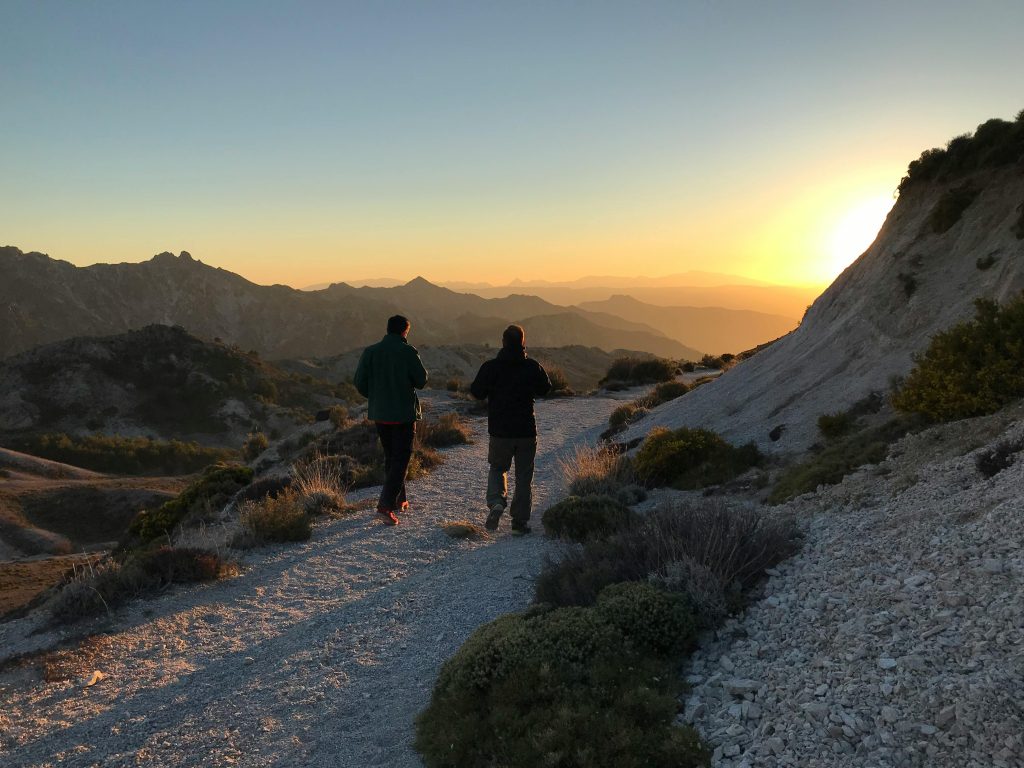
Spain’s Pyrenees are a paradise for mountain lovers, covering everything from forest trails to challenging high mountain hikes.
The GR11 crosses the Spanish Pyrenees and offers a much more demanding undertaking than an ordinary village walking break. Even a short section needs attention to ascent, terrain, accommodation and the weather.
For a more concentrated experience, Ordesa y Monte Perdido National Park is a wonderful choice. A base around Torla lets you explore the Ordesa Valley, where waterfalls, woodland and towering cliffs give you plenty to admire without committing to a long-distance crossing.
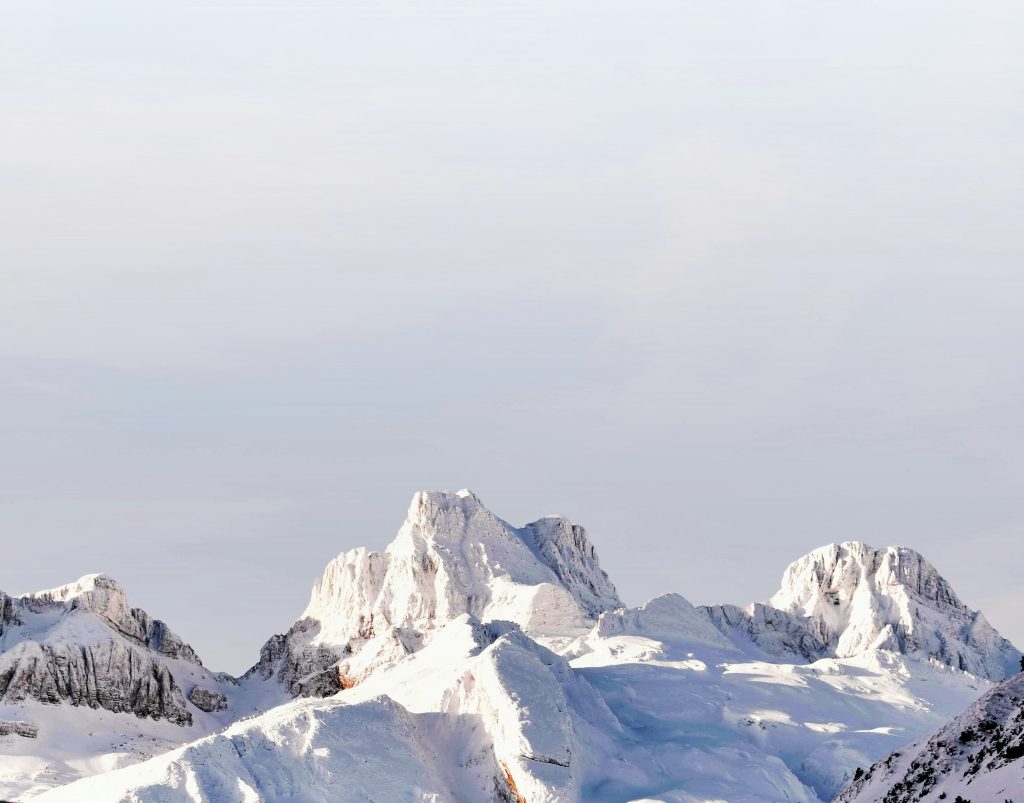
You can make a valley walk shorter by turning around at a suitable point, while higher routes need their own assessment. Late spring in a village can still mean snow higher up.
Things to consider: Check the park’s visitor and access information, including seasonal buses into the Ordesa Valley. For high routes, confirm snow conditions and refuge availability before booking. A valley walking holiday and a hut-to-hut trek need different levels of preparation.
Andalusia: Village Walks and Sierra Nevada Adventures
Andalusia offers two very different kinds of walking holiday: lower countryside and village routes, and high mountain adventures in the Sierra Nevada.
For a gentler pace, look at the Alpujarras. Villages such as Capileira, Bubión and Pampaneira offer whitewashed buildings, mountain views and the chance to walk between settlements. There are still hills to climb, but you can plan a holiday around shorter days and time in the villages.
The countryside around Ronda offers another way to combine walking with Andalusian culture. Choose specific mapped paths and suitable overnight stops rather than assuming every scenic village is connected by an easy footpath.
For serious mountain walkers, Mulhacén is the highest peak on mainland Spain. It’s a separate undertaking from an Alpujarras village stroll, with altitude, substantial ascent and potentially snow or severe weather to consider.
Spring and autumn often suit the lower routes. High Sierra Nevada walking depends on snow and mountain conditions, with summer generally offering more opportunities for ordinary hiking than winter.
Things to consider: Choose the altitude as carefully as the region. A sunny forecast for Granada says little about conditions on Mulhacén. If you want a relaxed southern walking holiday, build it around village paths and countryside rather than adding a high summit simply because it’s nearby.
Picos de Europa: Limestone Peaks and Deep Gorges
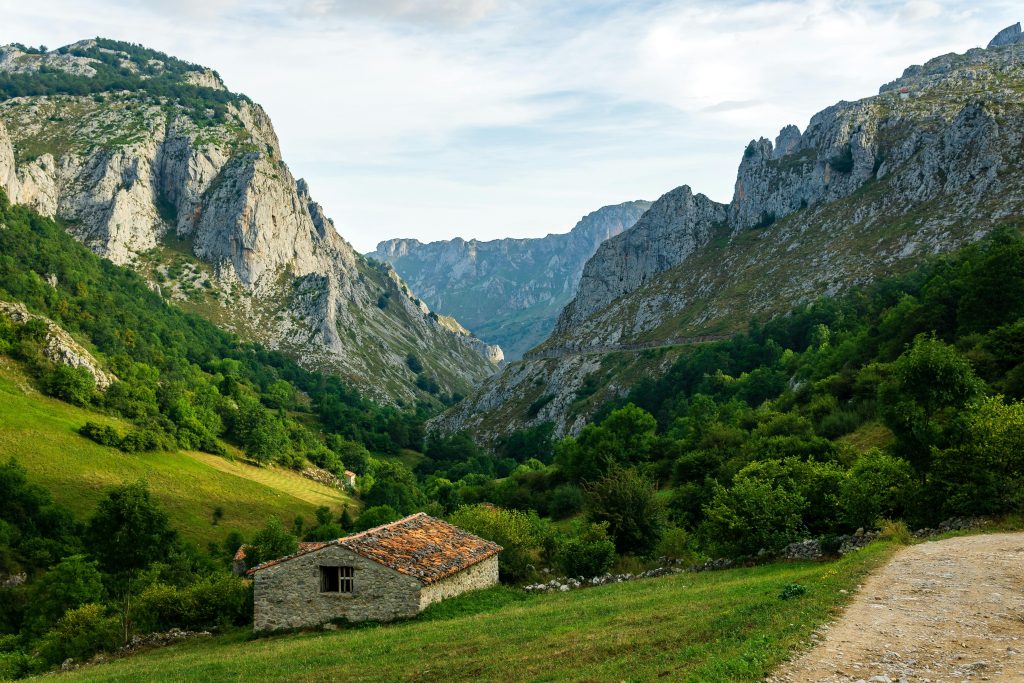
The Picos de Europa in northern Spain is another gem for mountain enthusiasts. Picture dramatic limestone cliffs, green valleys and traditional villages where a hearty meal awaits after a day of walking.
The Cares Gorge is the region’s famous walk, following a path cut into the mountainside between Poncebos and Caín. Asturias Tourism lists it at around 11 kilometres each way, or 22 kilometres there and back. Exact totals vary with where you start and finish.
Those distances make transport important. A one-way walk needs a confirmed transfer, and the road journey between the ends is much longer than the walking route suggests. The path also has exposed drops, so it won’t suit everyone who is comfortable with the distance.
For a broader holiday, look at a base such as Arenas de Cabrales or a mountain village such as Sotres, then choose walks that match your experience. Local cheeses and Asturian stews are a lovely reward for the day’s effort.
Things to consider: Don’t judge the Cares route by distance alone. Exposure, heat and busy stretches all matter. If you dislike heights, choose another walk; if you plan the return on foot, allow for the full distance and take enough food and water.
Mallorca: Mountain Villages and Mediterranean Views
Mallorca deserves a place on the shortlist for a walking holiday in Spain. The Serra de Tramuntana combines mountain scenery, dry-stone paths and villages where you can settle in for a few nights.
Sóller or Port de Sóller can work as a base, while selected sections of the GR221 offer the appeal of a longer journey. You can combine walks with village visits and time by the sea, which makes the island particularly appealing when you want variety.
Spring and autumn are good starting points for planning. Summer heat can make exposed climbs much less enjoyable, and mountain weather still needs respect outside the hottest months.
Things to consider: An island walking holiday doesn’t automatically mean easy coastal strolling. Check ascent and rocky terrain on each Tramuntana walk, and confirm transport or accommodation for your chosen GR221 sections before committing to a continuous itinerary.
Tenerife: An Option for the Cooler Months
For those of you hoping to walk during the cooler months, Tenerife is worth considering. Forests, volcanic landscapes and coastal paths offer very different experiences within the same island.
Build your trip around selected lower routes and a base that makes those walks practical. Anaga is one area to investigate for forest and mountain scenery, but the terrain can be steep and the weather wetter than you might expect from a sunshine holiday.
Teide belongs in a separate category. Its altitude and mountain conditions make it much more demanding than a low-level winter walk.
Things to consider: Check current closures and reservations through Tenerife ON. Several regulated Teide trails require advance authorisation, including the summit path and the Montaña Blanca ascent route. Use the national park’s current permit guidance, and don’t assume a cable-car ticket includes permission to reach the summit.
Vía de la Plata and the Caliphate Route: History with More Planning
The Vía de la Plata is a quieter Camino option, starting in Seville and heading north through historic places such as Mérida and Salamanca. Pilgrims continuing to Santiago commonly connect with the Camino Sanabrés.
It’s appealing if you love Roman history and rural landscapes, but fewer walkers can also mean fewer services. Some stages have long gaps between accommodation or water supplies, and summer heat is a serious consideration.
For those of you drawn to Moorish history, the Ruta del Califato connects the heritage of Córdoba and Granada. Treat it as a cultural itinerary whose walking arrangements need checking: dedicated walking programmes exist, but that doesn’t make the general cultural route a single, straightforward self-guided trail.
Confirm maps, daily stages and accommodation for the actual walking version you choose.
Things to consider: A quieter route needs more research, especially if you’re travelling alone. Confirm the next place to sleep, where you can refill water, and how you’ll leave the route if you need to shorten a day.
Montserrat: A Walking Add-On near Barcelona
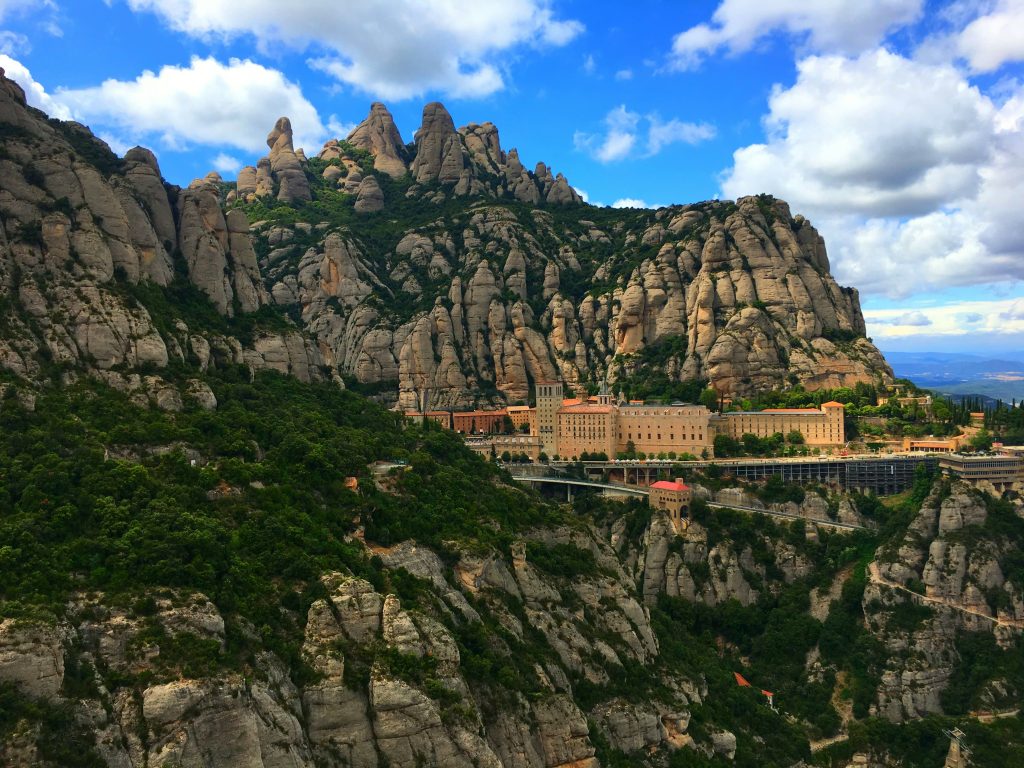
Just outside Barcelona, Montserrat offers a unique mountain walking experience. Its jagged rock formations and Santa Maria de Montserrat Monastery bring nature and history together in a wonderfully dramatic setting.
Depending on the route and services available, the Sant Joan funicular can give access to higher walking paths. Check opening times and the route back rather than relying on the last service without a backup.
Montserrat works particularly well as a day trip or short walking break alongside Barcelona. For a full week of varied walks, I’d choose one of the broader regions above.
For individual route inspiration across the country, see my best hikes in Spain.
Example 7-Day Walking Holiday: Sarria to Santiago
If you’d like a holiday with a clear start and finish, this is one way to structure a week on the Camino Francés. It allows five walking days between arrival in Sarria and departure from Santiago.
It’s a fairly active week, particularly the day between Palas de Rei and Arzúa. Being well marked and well served doesn’t make the route effortless.
| Day | Plan | Approximate walking distance |
|---|---|---|
| 1 | Arrive in Sarria, settle in and prepare for the walk | Arrival day |
| 2 | Sarria to Portomarín | 22 km |
| 3 | Portomarín to Palas de Rei | 25 km |
| 4 | Palas de Rei to Arzúa, passing through Melide | 29 km |
| 5 | Arzúa to O Pedrouzo | 19 km |
| 6 | O Pedrouzo to Santiago de Compostela | 20 km |
| 7 | Explore Santiago if your departure time allows, then travel home | Departure day |
Distances are rounded planning figures; your accommodation location and route variants can change the total. Check the official Galicia stage information when making bookings.
There’s no full rest day in this seven-day plan. If that sounds too rushed, add nights and split the longer stage around Melide. An extra night in Santiago also gives you time to enjoy the city without worrying about your flight.
Pamplona is a different starting point for a different trip. You can enjoy a week beginning there, but you won’t reach Santiago on foot within that week.
Things to consider: Plan arrival in Sarria and departure from Santiago as separate journeys, including the transport connections at each end. Book rooms to match the daily distance you can comfortably walk, rather than forcing your walking pace to fit an attractive hotel itinerary.
Prefer a holiday with more flexibility? Spend four or five nights in one Costa Brava village, mix selected coastal walks with a rest day, and organise return transport for any one-way sections. You’ll have more freedom to swap days around when the weather changes.
“Plan less, walk more.” Pick a route, set your pace, and let Europe unfold under your boots: grab your free Walking Holiday ebook today”
Best Time of Year for a Walking Holiday in Spain
Spring and autumn are useful starting points, but Spain is too varied for one set of “best months” to suit every route.
| Region or route | When to start looking | The main seasonal consideration |
|---|---|---|
| Costa Brava and Mallorca | Spring or autumn | Summer heat and crowds; quieter-season services may be limited |
| Camino Francés in Galicia | Spring through autumn, according to your weather and crowd preferences | Rain is possible throughout the season; popular dates fill quickly |
| Picos de Europa | Late spring to early autumn for many lower walks | Higher routes need separate snow checks; mist can affect navigation |
| High Pyrenees | Summer into early autumn, depending on the route | Snow, storms and refuge opening dates |
| Lower Andalusian countryside and village walks | Spring and autumn; selected walks in winter | Strong summer heat and shorter winter daylight |
| High Sierra Nevada | The snow-free summer period, subject to current conditions | Altitude and lingering snow; winter requires different skills and equipment |
| Lower Tenerife routes | The cooler months are worth considering | Island microclimates, wind, rain and trail restrictions |
These are planning windows rather than promises. Once you’ve chosen a route, check local conditions for its actual elevation and terrain.
Things to consider: If July or August is your only option, choose the route around the conditions. Early starts can help on suitable walks, but they won’t make a long, exposed route in extreme heat a good choice. Keep a shorter alternative and a rest day available.
How Much Does a Walking Holiday in Spain Cost?
Your budget depends on where you stay, whether you share a room, and how much help you want with the arrangements. A dorm-based Camino trip and a hotel-to-hotel holiday with transfers are very different purchases.
Rather than treating one weekly price as a national average, build your budget from the actual nights and services you need.
Here’s an illustrative calculation, using assumed costs rather than live quotes, for one person sharing a room on a seven-night trip:
| Item | Example assumption | Total |
|---|---|---|
| Accommodation | €100 per room per night, split between two people, for seven nights | €350 per person |
| Food and drink | €35 per day for eight calendar days | €280 |
| Local transport | Allowance for buses, trains or selected transfers | €100 |
| Extra allowance | Laundry, small purchases or unexpected costs | €100 |
| Illustrative total | Before travel to Spain | €830 per person |
This example doesn’t include flights, insurance, new equipment, paid activities, luggage transfers or a hired car. Its seven nights cover an eight-calendar-day trip, so it also differs from the seven-day itinerary above.
Dorm accommodation and simple meals can reduce costs. Solo private rooms, peak-season coastal hotels, remote taxis and frequent restaurant meals can increase them. For a package, compare the full inclusions against the same independently planned trip before deciding whether it offers good value for you.
Things to consider: Ask whether a quoted accommodation price is per person, per room or for an entire property. Check breakfast, single supplements and cancellation terms, and leave some room in the budget for a taxi if you need to stop walking early.
Getting There and Getting Around
Choose your walking area before booking your flights. A cheap arrival airport can become less appealing once you add a long onward journey and an awkward final bus connection.
For the Costa Brava, investigate connections from Barcelona or Girona to your chosen village. For the Pyrenees, work backwards from the valley where you’ll stay.
For the Picos, compare the available gateways against the actual base you choose. On Mallorca and Tenerife, check how you’ll get from your accommodation to the trailheads.
Use current train and bus timetables for your dates, including weekends and holidays. Rural services may be infrequent, and a route that looks close on a map can take a long time by road.
You can organise some holidays without a car, particularly a supported Camino itinerary or a base with suitable transport connections. A car can help with scattered day walks, but a one-way route still needs a plan to get back to it.
Things to consider: Confirm the last connection before booking accommodation. For point-to-point walks, arrange the return journey first. Keep your first walking day manageable so a delayed arrival doesn’t turn the start of your holiday into a scramble.
Where to Stay on a Walking Holiday
From rustic farmhouses to characterful hotels, Spain’s accommodation can be part of the adventure.
If you love history, why not look at a parador? Some occupy converted castles, monasteries or palaces. Spending the night surrounded by history feels like stepping into another era, except with modern comforts, of course!
For a more rustic vibe, casas rurales are worth investigating. These rural properties range from individual rooms to whole self-catering houses, so check what you’re actually booking. Picture a stone cottage in Andalusia or a farmhouse in the Pyrenees, with a lovely place to unwind after the walk.
On the Camino, albergues offer the shared pilgrim experience. Dorms can be sociable and economical, but privacy and uninterrupted sleep may be harder to come by. Check booking rules and whether a pilgrim credential is required. Private guesthouses and hotels offer another option.
Mountain refuges need more specific preparation: opening dates, reservations, meal arrangements and bedding requirements can all affect your itinerary.
Or are you looking for something a bit more unusual? A cave-house stay around Granada could make an enjoyable city add-on, while coastal guesthouses let you finish the day close to the sea.
Things to consider: The most useful accommodation is the one that works for your route. Check the extra distance from the trail, breakfast timing, evening food, laundry and luggage delivery. A beautiful rural stay loses some of its appeal if you discover there’s nowhere to eat after a long walk.
Food, Culture and Adventures Beyond Walking
One of the highlights of a walking holiday in Spain is indulging in its food and drink. Every region has its own traditions, and you’ll find plenty to look forward to at the end of the trail.
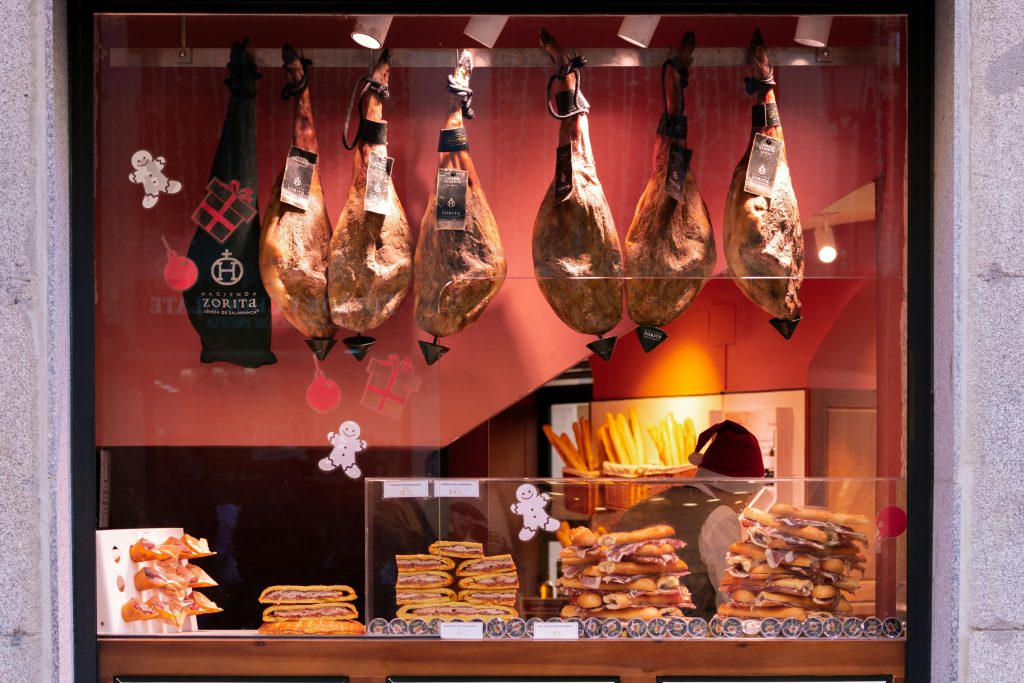
In Galicia, try pulpo a la gallega, served with paprika and olive oil, or an empanada filled with fish or meat. In Andalusia, gazpacho is a refreshing option on a warm day, while jamón ibérico is a treat for those of you who enjoy cured ham.
In the Basque Country, pintxos make stopping at a local bar part of the experience. In La Rioja, a tasting at a bodega can pair nicely with time exploring the towns; patatas a la riojana is a hearty potato and chorizo dish to look out for.
Seafood lovers will feel at home in the coastal regions. Picture yourself finishing a walk with grilled fish by the water. You’ll find rice dishes in many places too, although menus vary by region rather than offering the same version of Spain everywhere.
For history lovers, walking here can feel like stepping into the past. Roman bridges, churches and medieval town centres become part of the journey, especially along the Camino. Montserrat’s monastery or a stay in Granada can give a shorter walking break a cultural focus of its own.
Wildlife adds another layer, but leave room for chance rather than expecting a particular sighting. If you want to explore a protected area such as Doñana, check the designated visitor routes and authorised visits instead of assuming you can roam freely.
Things to consider: Carry lunch or snacks when services are uncertain, and check evening meal times before arriving in a small village. If you have dietary requirements, contact your accommodation ahead of time. A wonderful restaurant is a better reward when you know it will be open.
What to Pack and Check Before You Go
Pack for the walks you’ve chosen, including their weather and terrain. Comfortable, broken-in footwear matters much more than buying something new just before departure.
For most day walks, start with:
- A daypack, water and enough food for the route.
- Sun protection and layers suited to the forecast.
- A waterproof jacket where rain or mountain weather is possible.
- Offline route information, a charged phone and backup power.
- A small first-aid kit and blister supplies.
- Any required reservation, identification or pilgrim credential.
Check the local forecast and official trail notices before each walk. Follow closures and access rules, refill only where water is suitable to drink, and let someone know your plan for a remote day. Spain’s emergency number is 112.
Things to consider: Luggage transfer lets you leave overnight items behind, but your daypack still needs everything you would require if the walk takes longer than expected. Test your footwear and pack on consecutive walking days before you leave.
🗒️ Free Checklist: “Never forget the essentials — grab your free Ultimate Hiking Packing List.”
Common Questions About Walking Holidays in Spain
Where is best for a first walking holiday?
Selected shorter Costa Brava walks, a village base in Andalusia, or a suitably paced Camino section are useful starting points. Choose the actual walks by distance, ascent and terrain; a familiar destination name doesn’t guarantee an easy route.
Can I organise a walking holiday without a tour company?
Yes. You can book accommodation and transport yourself and use mapped local routes. A self-guided package may save you booking work, while a guide can add company, local knowledge or help with demanding terrain.
How many days do I need?
Five to ten days gives you room for a focused regional break. Allow separately for travel days, walking days and rest days. A seven-day holiday rarely means seven full days on the trail.
Is a week enough for the Camino de Santiago?
A week can work for Sarria to Santiago if you’re comfortable with five consecutive walking days, including one of roughly 29 kilometres in the example above. Add days for shorter stages, rest or more time in Santiago. The full Camino Francés takes much longer.
Are there easy walking holidays in Spain?
Yes, if you choose shorter routes with suitable surfaces and modest ascent. Staying in one base gives you more control over the daily distance. Check access details separately if you need step-free or wheelchair-friendly routes.
Can I go walking in Spain in winter?
Selected lower routes on Tenerife and in southern mainland Spain can be worth considering. Check daylight, weather and services for the exact walk. High mountains can have snow and winter conditions even when nearby coastal towns feel mild.
Conclusion
For your walking holiday in Spain you can climb the peaks in the Pyrenees, stroll through vineyards in La Rioja, or uncover history on the Camino de Santiago. Add in mouthwatering food, welcoming accommodations, and the warmth of Spanish culture, and you’ve got an adventure that’s as memorable off the trail as it is on it.
Are you ready to lace up your boots?
Where to Next?
If a walking holiday in Spain has sparked ideas for your next trip, there are plenty of ways to continue exploring both within Spain and across Europe.
More in Spain
- Ultimate Guide to Hiking in Spain – A complete overview of regions, trail types, and landscapes
- Best Hikes in Spain – A curated selection of standout routes across the country
- Madrid: A City Guide for Hikers
Wider European Inspiration
- Tour du Mont Blanc (France, Italy, Switzerland) – One of Europe’s most iconic multi-day treks
- Walking Holiday in Switzerland – Alpine scenery and high-altitude trails
- Best Hikes in Italy – Coastal paths, countryside routes, and historic trails


