

Hiking is a fantastic way to stay active, explore the great outdoors, and enjoy the beauty of nature. It’s an activity that can be enjoyed by people of all ages, and it’s never too late to start, even if you’re over 50.
Being less strenuous than many other activities, hiking can be particularly beneficial for those in their later years looking to improve their physical and mental health.
This article will explore why hiking is a suitable and rewarding activity for those over 50, highlight the benefits, and provide practical tips to help you or someone you know prepare to start hiking later in life.
Why Hiking Is Suitable for the Over 50s
Life may begin at 40, but hiking is an activity that can keep you feeling youthful and energetic well into your 50s and beyond. One of the key reasons hiking is suitable for older adults is that it is a low-impact exercise.
This means it places minimal strain on the body, particularly on the joints and bones, which is crucial for older individuals who may be more prone to injuries.
Unlike running or high-intensity workouts, hiking allows you to control the pace and intensity, making it adaptable to your fitness level and physical condition.
Hiking also helps improve flexibility, strength, and mobility, all of which are essential as we age. The act of walking on uneven terrain engages various muscle groups and promotes balance, which can help prevent falls.
“First time on the trail? Hiking for Beginners has your back.”
Additionally, spending time outdoors has been shown to reduce stress, improve mood, and boost overall mental health—benefits that are valuable at any stage of life but particularly important as we get older.
Another reason hiking is ideal for those over 50 is its social aspect. Hiking with friends, family, or a local hiking group can provide a sense of community and shared experience, which is especially beneficial for those who may be experiencing social isolation.
Whether you’re a seasoned outdoor enthusiast or new to the trails, hiking offers a flexible, accessible way to stay active and connected with others.

Benefits of Hiking for the Over 50
Hiking is an excellent activity for people over 50, offering numerous physical, mental, and emotional benefits. Here are some of the most notable advantages:
- Improved Cardiovascular Health: Hiking is a great way to get your heart pumping, which can help lower blood pressure, reduce the risk of heart disease, and improve overall cardiovascular health. Regular aerobic exercise like hiking strengthens the heart, making it more efficient at pumping blood throughout the body.
- Increased Muscle Strength and Bone Density: As we age, muscle mass and bone density naturally decline, but hiking can help counteract this process. Walking uphill and on uneven terrain engages and strengthens muscles, particularly in the legs, hips, and core. Additionally, weight-bearing activities like hiking can help maintain and even increase bone density, reducing the risk of osteoporosis.
- Enhanced Flexibility and Balance: Navigating trails requires a range of motion and stability, which can improve flexibility and balance over time. This is particularly important for older adults, as maintaining good balance can prevent falls and related injuries.
- Mental Health Benefits: Hiking has been shown to reduce symptoms of anxiety and depression, improve mood, and increase overall feelings of well-being. The combination of physical activity, fresh air, and natural surroundings creates a powerful antidote to stress and mental fatigue.
You don’t need intense training to feel the benefits. Slow, steady hikes and regular movement at home are often enough to improve stamina and joint comfort.
- Social Interaction: Joining a hiking group or bringing along friends and family on your hikes can provide valuable social interaction. This helps reduce feelings of loneliness and promotes a sense of community, which is crucial for maintaining mental and emotional health as we age.
- Weight Management: Hiking is an effective way to burn calories and maintain a healthy weight. It’s a fun and engaging way to stay active, making it easier to stick with than more repetitive forms of exercise.
- Cognitive Benefits: Studies suggest that spending time in nature can improve cognitive function, including memory and attention span. This is particularly beneficial for older adults, as cognitive decline can be a concern with aging.
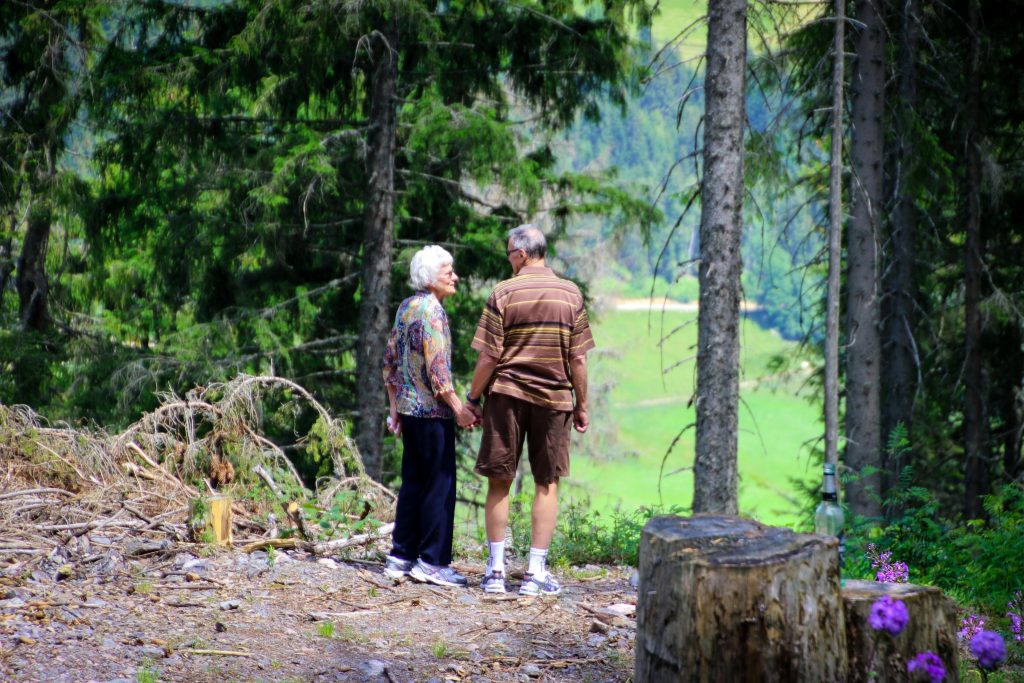
Tips and Tricks to Assist over 50’s When Hiking
Starting a hiking routine later in life can be a rewarding experience, but it’s important to take certain precautions to ensure safety and enjoyment. Here are some tips, tricks, and pieces of advice to help those over 50 have an easier time on the trails:
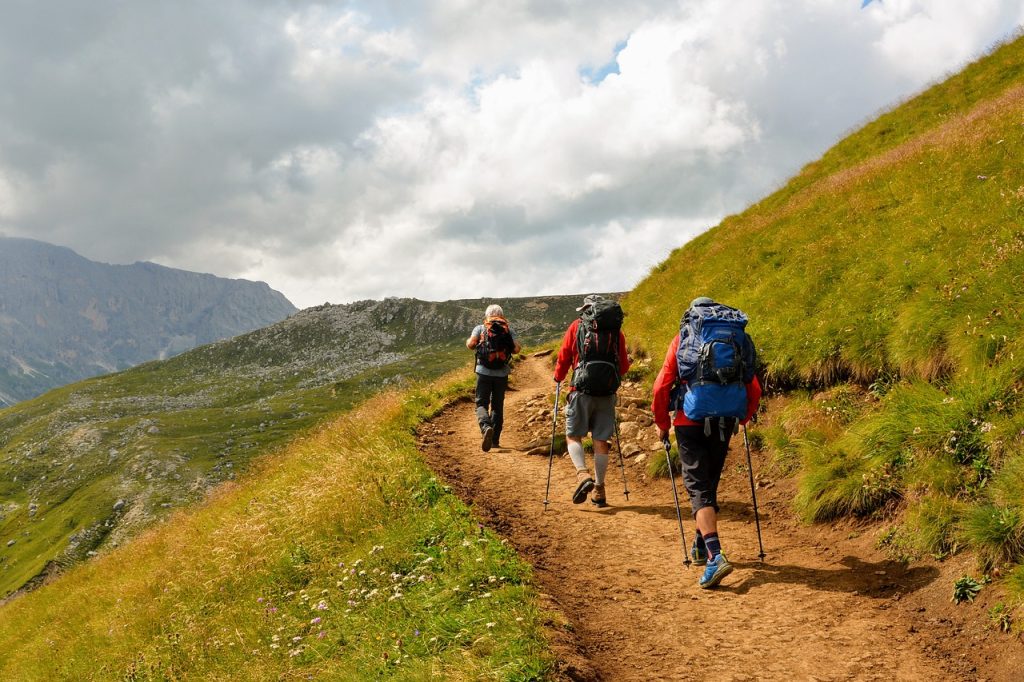
Use Trekking Poles
Trekking poles are an excellent tool for hikers of all ages, but they are particularly beneficial for older adults. They provide extra stability and reduce the strain on your knees and hips, especially when navigating uneven terrain or steep inclines. Trekking poles can also help with balance, making it easier to cross streams or navigate rocky paths.
Don’t Hike Alone
Hiking with a companion is always a good idea, but it’s especially important for older hikers. In case of an emergency or injury, having someone with you ensures that help is available. If you prefer solo hiking, make sure to inform someone of your plans and expected return time.

Always Stay Hydrated
Dehydration can be a serious issue, especially for older adults. Carry plenty of water and drink regularly, even if you don’t feel thirsty. Dehydration can lead to dizziness, confusion, and fatigue, so it’s crucial to stay ahead of it.
🗒️ Free Checklist: Planning your next hiking trip?? Download our printable hiking checklist to make sure you don’t miss the essentials.
Eat Adequate Amounts of Food
Proper nutrition is vital when hiking, as it provides the energy needed to sustain your activity. Pack snacks that are rich in carbohydrates and protein, such as nuts, energy bars, or dried fruit. Eating regularly will help maintain your energy levels and prevent fatigue.

Use Sunscreen
Older adults can be more susceptible to skin damage from the sun. Apply a broad-spectrum sunscreen with an SPF of at least 30, and wear a hat and sunglasses to protect your skin and eyes from harmful UV rays.

Be Mindful of Weather
Weather conditions can change quickly, especially in mountainous areas. Check the weather forecast before you head out and be prepared for sudden changes. Carry a lightweight rain jacket and extra layers to keep warm in case the temperature drops.
Ensure You’re Physically Prepared
Before embarking on a hike, make sure you’re physically prepared for the demands of the trail. Start with shorter, easier hikes and gradually work up to longer and more challenging trails. Regular walking or low-impact exercises like swimming can help build endurance and strength.

Be Mentally Prepared
Hiking can be mentally challenging, especially if you encounter difficult terrain or unexpected obstacles. Stay calm, take breaks when needed, and remember that it’s okay to turn back if you’re feeling uncomfortable or tired.
Ensure You Pack Enough Essential Medication
If you take regular medication, be sure to pack enough for the duration of your hike. It’s also a good idea to carry a small first aid kit with items like bandages, antiseptic wipes, and pain relievers.

Don’t Go Off the Trail
Staying on marked trails is crucial for safety and environmental preservation. Going off the trail can increase the risk of getting lost or injured, and it can also damage delicate ecosystems.
Listen to Your Body’s Warning Signs
Pay attention to your body and don’t push yourself too hard. If you feel pain, dizziness, or shortness of breath, stop and rest. It’s important to recognize your limits and prioritize your well-being.

In Conclusion
Hiking is an enjoyable and beneficial activity that can be started at any age, even if you’re over 50. With its numerous physical, mental, and social benefits, hiking is an excellent way to stay active and connected with nature.
By following these tips and taking the necessary precautions, you can confidently embark on your hiking journey and enjoy all the rewards that come with it. Remember, it’s never too late to start, so lace up your boots, grab your trekking poles, and hit the trails!


