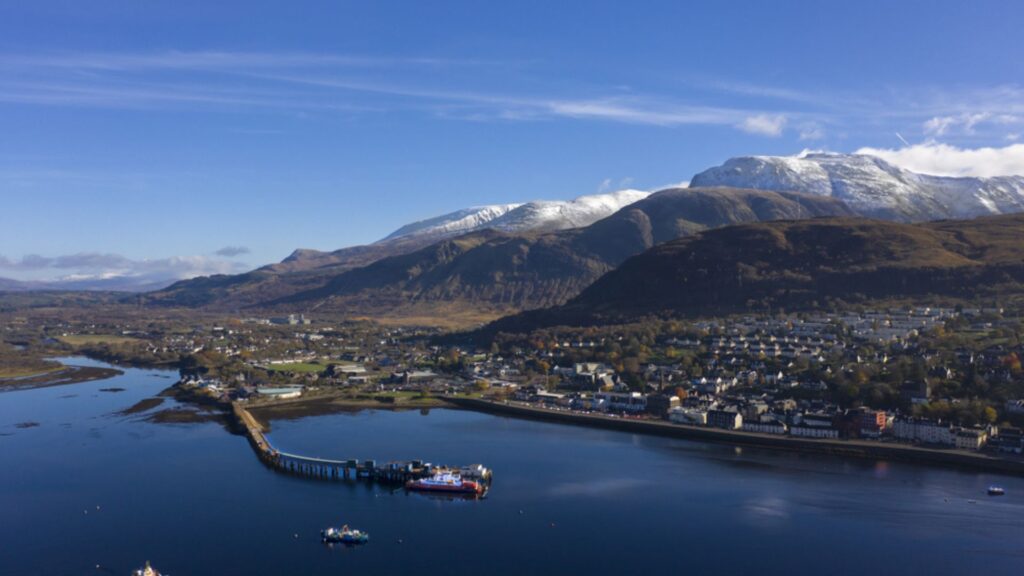
Most people arrive in Fort William with their eyes on one thing: the summit of Ben Nevis.
The surprising truth? The most memorable days are often found on the trails less traveled, deep in the glens and across the ridges most visitors completely overlook, making Fort William an excellent base for exploring some of the best hikes in Scotland.
It’s the secret that is whispered between seasoned hikers over a post-trek pint: the real magic isn’t just about the highest peak, but the sheer variety of world-class walking at its base.
In this comprehensive Fort William hiking guide, we’ll fully equip you for Scotland’s outdoor capital!For anyone planning a longer walking holiday in Scotland, Fort William is an ideal base for combining mountain days with scenic walks and longer-distance routes.
Fundamentals: Understanding the Fort William Landscape
Before you even lace up your boots, you need to get the lay of the land.
Fort William sits at the head of Loch Linnhe, which is squeezed between the mountains and the sea. The town is also an important destination for hikers tackling the West Highland Way, making it a natural stopping point for anyone extending a Fort William hiking trip into a longer Scottish adventure.
This unique geography creates a dramatic landscape and, crucially, its own weather system.
What you see from your hotel window in the morning can be wildly different from conditions at 3,000 feet!
The two key mountain groups you’ll hear about are:
- The Nevis Range
- Home to Ben Nevis, the UK’s highest mountain, and its formidable neighbors like Càrn Mòr Dearg. These are big, serious mountains that demand respect.
- Home to Ben Nevis, the UK’s highest mountain, and its formidable neighbors like Càrn Mòr Dearg. These are big, serious mountains that demand respect.
- The Mamores
- These are a stunning range of ten Munros (Scottish mountains over 3,000 feet or 914 meters) that form a long and elegant ridge just south of Glen Nevis. They offer some of the best ridge-walking in the country, and often with fewer crowds than ‘the Ben’.
“Plan less, walk more.” Pick a route, set your pace, and let Europe unfold under your boots: grab your free Walking Holiday ebook today”
Core Trails: Choosing Your Fort William Hike
Now that you know what you’re up against, let’s talk about the reward. We’ll skip the exhaustive list and focus on the archetypes, as in the core experiences that actually define hiking in this area:
For the Peak Bagger: Ben Nevis via the Mountain Track
Let’s be clear: ticking off the UK’s highest peak is a worthy goal. The Mountain Track, which is often called the ‘tourist path,’ is the most straightforward route. But don’t mistake ‘straightforward’ for ‘easy.’ It’s a lon and relentless 8-hour slog up and down a rocky path.
On a clear day, the views are immense. On a bad day, you’ll be navigating by compass bearing in thick clouds on the summit plateau. Go prepared, start early, and it’s an achievement you’ll never forget.
For the Ridge Walker: The Ring of Steall
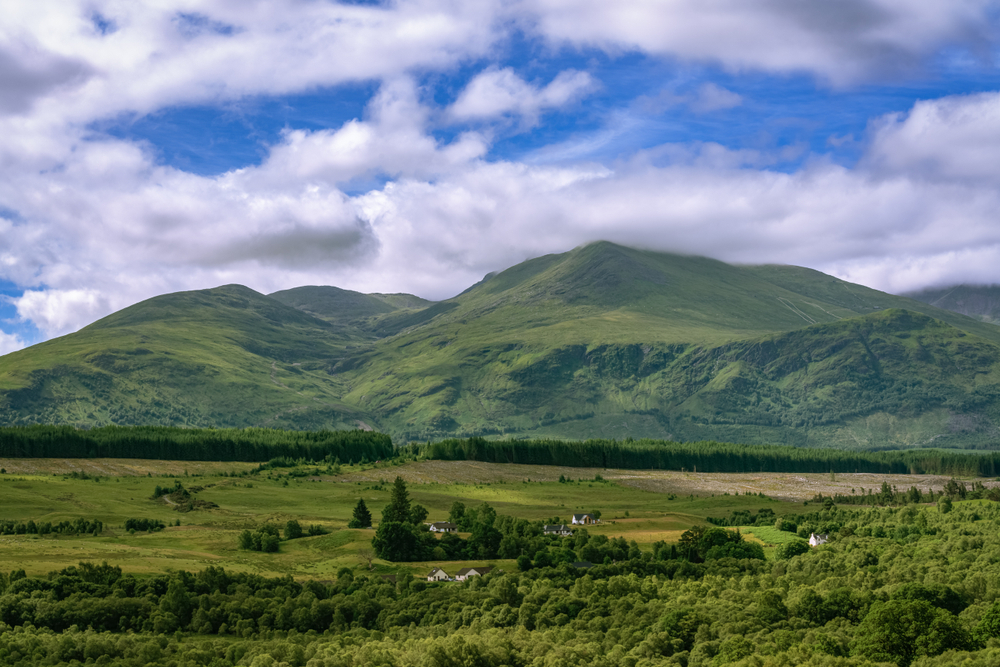
If you ask me, this is one of the best single-day walks in Scotland. Located in the Mamores, this route tackles four Munros. It also involves some Grade 1 scrambling and crosses a nerve-jangling wire bridge.
It’s a serious undertaking for experienced hikers with a head for heights, but the payoff is a feeling of being on top of the world, and with views across Glen Nevis that Ben Nevis hikers can only dream of.
For the Valley Seeker: Steall Falls and the Nevis Gorge
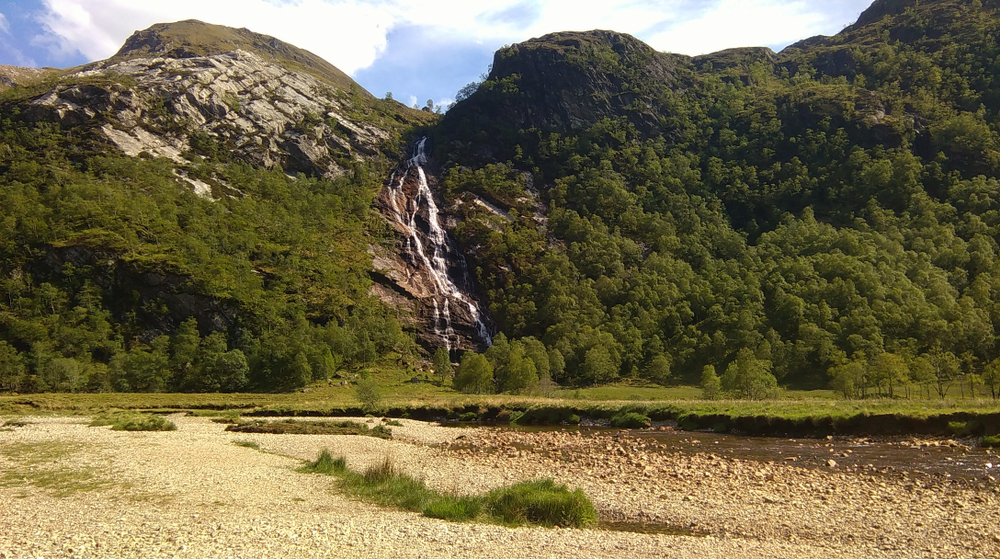
Are you looking for that epic Highland scenery without the epic ascent? The walk to Steall Falls could just be your answer. It’s a relatively low-level trail that winds through the dramatic Nevis Gorge, and it culminates at the UK’s second-highest waterfall.
The path is rocky and it can be quite slippery at certain places, but it delivers a massive sense of wilderness and adventure for a fraction of the effort of a Munro.
Advanced Prep: What the Guidebooks Don’t Tell You
You’ve picked your route and checked the forecast. Now there’s just a few final details that will separate a great day from a miserable one.
First, the midges. From late spring to early autumn, these tiny biting insects can be a nightmare. They are worst on still, damp days, especially near water. Pack a midge net and a good repellent (Smidge or Avon Skin So Soft are the local favorites).
You see, in Scotland, ‘waterproof’ is not a suggestion so much as it’s a requirement. A practical hiking layering system can also help you adapt to the dramatic changes in temperature and weather you may encounter throughout the day.
Your comfort and safety depend on having a quality waterproof jacket and trousers, even if the sun is shining when you set off.
Second, navigation.Before setting off, make sure you have the essential items for a day hike, particularly when tackling exposed mountain terrain where conditions can change quickly.
Your phone’s GPS is a useful tool, but it is not a substitute for a map and compass. Batteries die. Phones break. Signal is non-existent in many glens. The summit of Ben Nevis is a vast, flat plateau, and in a whiteout, it becomes dangerously disorienting.
Knowing how to take a bearing is a fundamental mountain skill that could save your life.
Finally, embrace the local culture. The hike doesn’t end when you get back to the car park. It ends in a cozy pub like The Grog & Gruel or the Ben Nevis Inn, with a pint of local ale and a hearty meal.
For those looking to experience another side of Highland walking culture, Highland bothies offer a unique way to experience Scotland’s mountain landscape. This is as much a part of the Fort William hiking experience as the walk itself!
For detailed itineraries and gear lists that we trust, you can explore our complete Scotland hiking guides.
🗒️ Free Checklist: “Never forget the essentials — grab your free Ultimate Hiking Packing List.”
Putting This Into Practice
As you plan your trip, keep these core principles in mind. If Fort William is part of a larger walking adventure, these trek planning tips can help you think through routes, logistics, preparation, and the practical details before you set off.
They’re the difference between being a tourist and being a true hillwalker. And remember that this isn’t just about conquering a summit; it’s also about moving through a landscape with respect and understanding.
Here’s what really matters:
- Respect the weather, not just the mountain. The environment is the real challenge here. A sunny forecast is an invitation, not a guarantee.
- The best hike isn’t always the highest. Some of the most profound moments of beauty and solitude are found in the glens and on the lower ridges.
- Prepare for midges or regret it. A simple head net can turn a torturous experience into a merely annoying one. It’s the best £5 you’ll spend!
- Your most important gear is knowledge. Knowing how to read a map, when to turn back, and what to expect makes you safer and more confident than any expensive gadget.
“First time on the trail? Hiking for Beginners has your back.”
Frequently Asked Questions
When is the best time of year to hike in Fort William?
The ideal window is late spring (May to June) or early autumn (September). You’ll find a good balance of long daylight hours, relatively stable weather, and fewer midges than in peak summer. Winter hiking is a serious undertaking reserved for experienced mountaineers with full winter equipment and skills.
Do I really need a map and compass in 2026?
Absolutely. While a GPS device or phone app is great for confirming your location, they should never be your primary navigation tool. In the mountains, battery failure is common and mobile signals are unreliable. A map and compass are your fail-safe for getting home safely when technology lets you down.
Where to Next?
- Ultimate Guides – your gateway to hiking across Europe
- Hikes & Trails – curated lists of the best hikes and local gems
- Walking Holidays – extended journeys for when a single day just isn’t enough
- General Blog – all the extras: gear reviews, planning tips, and personal stories
Can a beginner hike Ben Nevis?
A fit beginner can tackle the Mountain Track in good summer conditions, but it must be treated with respect.If you’re new to hiking, our guide to hiking for beginners can help you build a stronger foundation before taking on a long and demanding mountain day. I
t is a long, strenuous day (7 to 9 hours depending on your pace) over rough terrain. You must have proper hiking boots, full waterproofs, extra layers, and enough food and water. An early start is essential to give yourself plenty of time.