
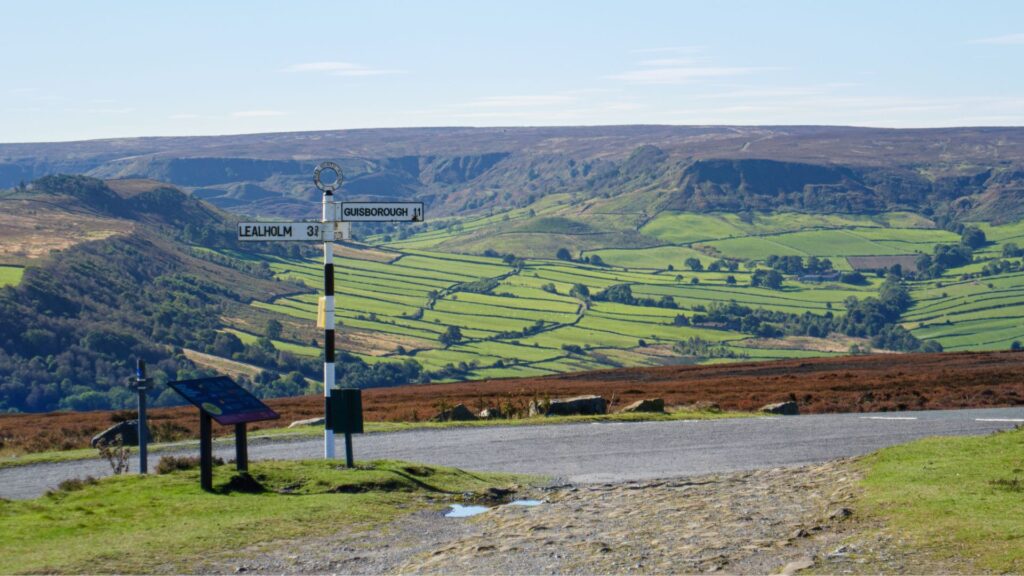
The North York Moors combine heather-covered uplands, wooded valleys, historic villages and dramatic coastal walking in one of northern England’s most varied hiking regions.
This guide covers when to visit, where to base yourself, the main walking areas, transport, viewpoints and the different styles of hiking available across the national park.
Why Hike in the North York Moors?
The North York Moors are one of those places that make people wonder why they ever bothered booking flights to faraway destinations!
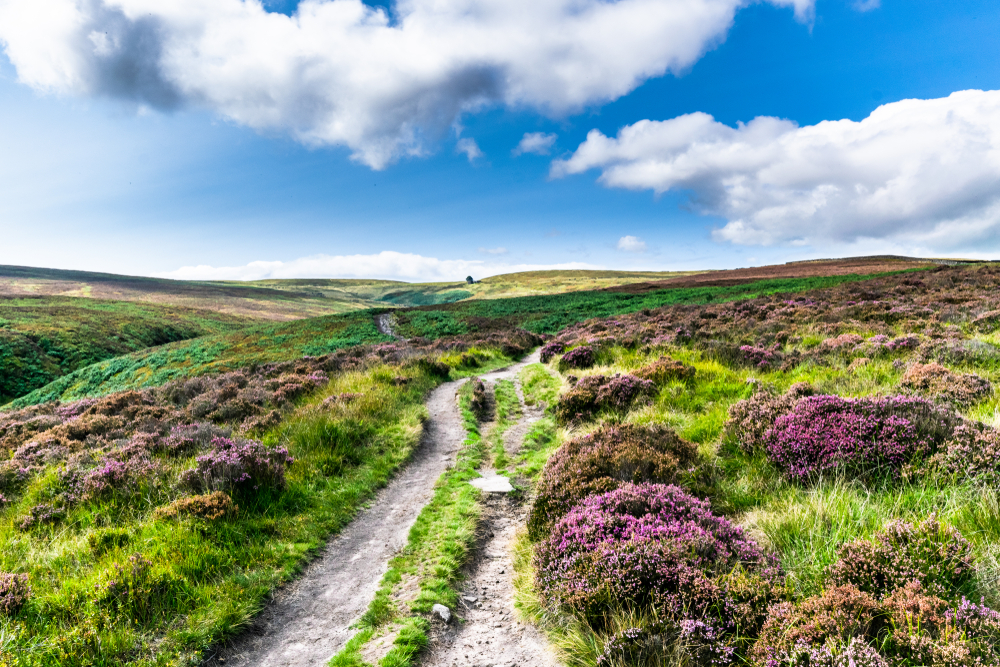
Spread out across 554 square miles, this national park is a patchwork of purple heather, rolling green dales, sleepy stone villages, and a coastline that could charm even the most reluctant walker.
There’s an old-world quality here, and one where ruins sit crumbling on hillsides, where the sheep seem to outnumber people, and where the trails feel like they’ve been walked for centuries.
This is hiking country, but it’s also holiday country, and it;s like the kind of place where a long day’s walk naturally ends with muddy boots outside the door and a fire crackling inside!
Let’s explore more.
“Avoid rookie mistakes. Our free ebook Hiking for Beginners shows you how.”
Best Time to Visit
May to September offers the easiest overall conditions, with late August particularly good for heather.
The moors have a personality for every season, and which one you meet depends on when you arrive.
Summer is perhaps the most obvious choice (with its long days and blooming heather), but it’s also easily the busiest.
You’ll often find yourself sharing the paths with families, ramblers, and the occasional dog that seems more determined to chase grouse than walk nicely on the lead.
But for those of you who prefer fewer people around, spring is a delight.
The air is fresher, the lambs are tumbling about in the fields, wildflowers brighten up shady paths, and the weather (while not perfect like in the summertime) is often kinder than expected.
Autumn is a different kind of magic, because it’s a little moodier and atmospheric.
Mist lingers over the valleys in the morning, the woodlands glow gold and russet, and the moors themselves look as if they’ve been painted in deeper and richer shades.
Best Areas and Landmarks for Hikers
There are names that always seem to rise to the top when people talk about the North York Moors, and for good reason.
Whitby
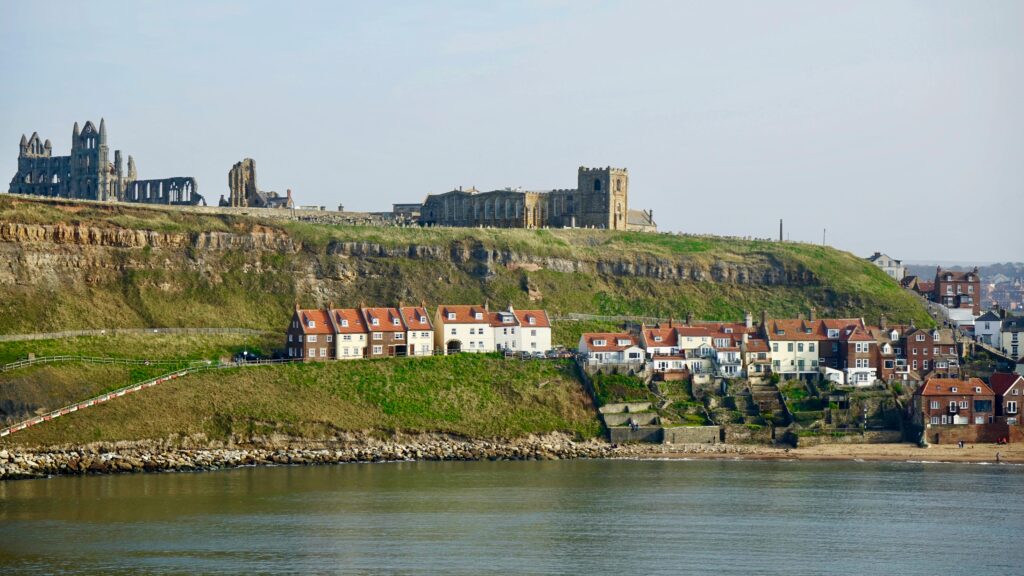
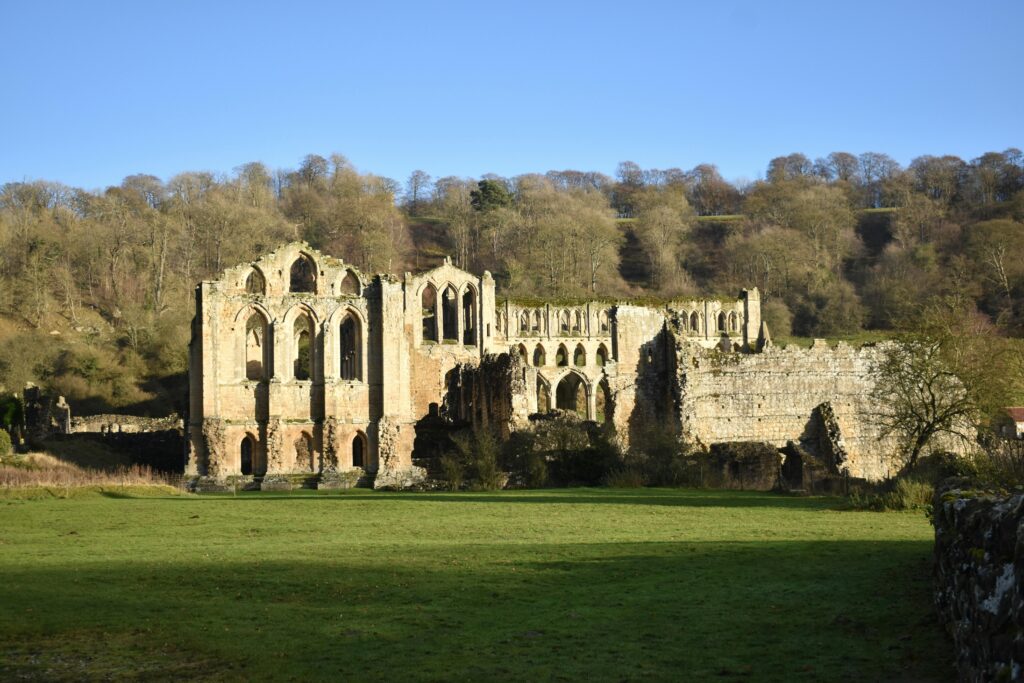
Whitby is the headline act, and it’s perched on the coast with its abbey ruins looming dramatically above the sea.
It’s a town with stories in its bones, it’s tied forever to Bram Stoker’s Dracula, and it’s also well-known across the country for its fish and chips (which really do taste better eaten with a view of the harbor!).
Helmsley
Helmsley is another gem. It’s a market town that many walkers use as a base and the official starting point of the Cleveland Way, and it’s also the kind of place where you can stock up on supplies in the morning, set out for a big day’s hike, and reward yourself with a hearty meal in the evening…all without leaving town.
Goathland
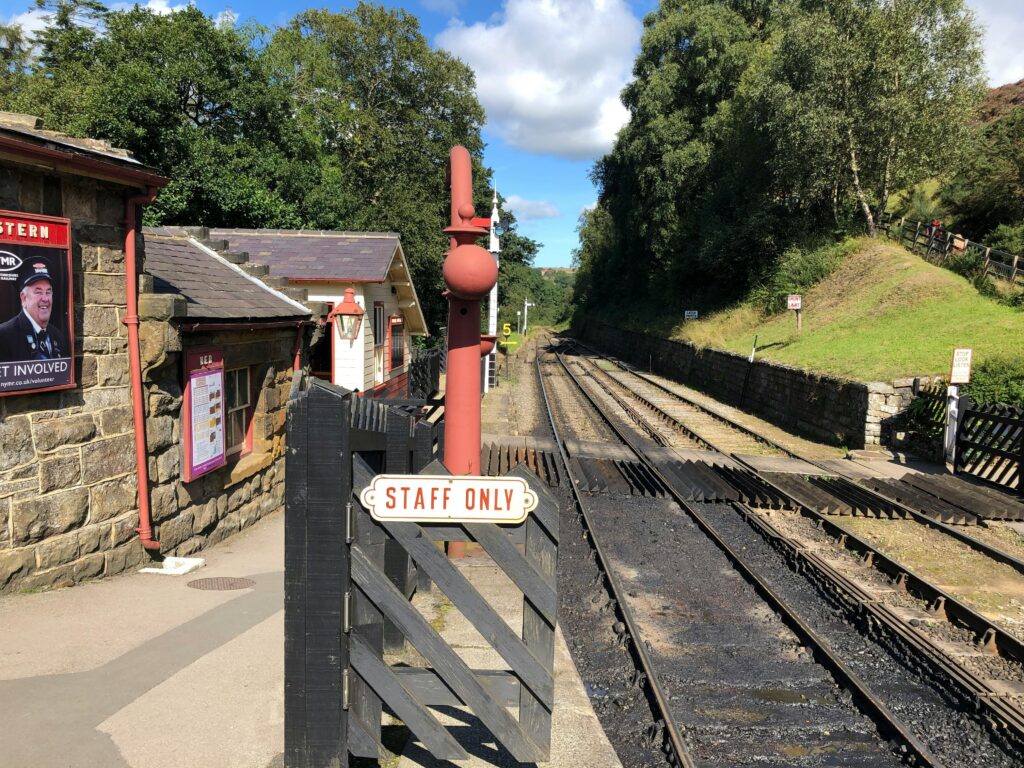
Goathland has its own claim to fame; it doubled as Hogsmeade Station in the Harry Potter films!
Fans still pile in to wave at the steam trains on the heritage railway, and even if you’re not a Potterhead, there’s something wonderfully nostalgic about the sight.
Best Viewpoints
If it’s sweeping views you’re after, Sutton Bank has a reputation to uphold.
Locals call it “the finest view in England,” and when you stand there looking out over the Vale of York…you might just find yourself agreeing.
It’s one of those places where the horizon seems to stretch on forever, and on a clear day you can see for literally miles.
Roseberry Topping is another must. This little peak, which is also sometimes called Yorkshire’s Matterhorn, stands out like a pyramid against the skyline.
The climb is short and sharp, but the payoff is huge because it offers a big view that makes you feel like you’ve conquered something far bigger.
For those of you who enjoy a bit of drama with less effort, this is the hill to climb.
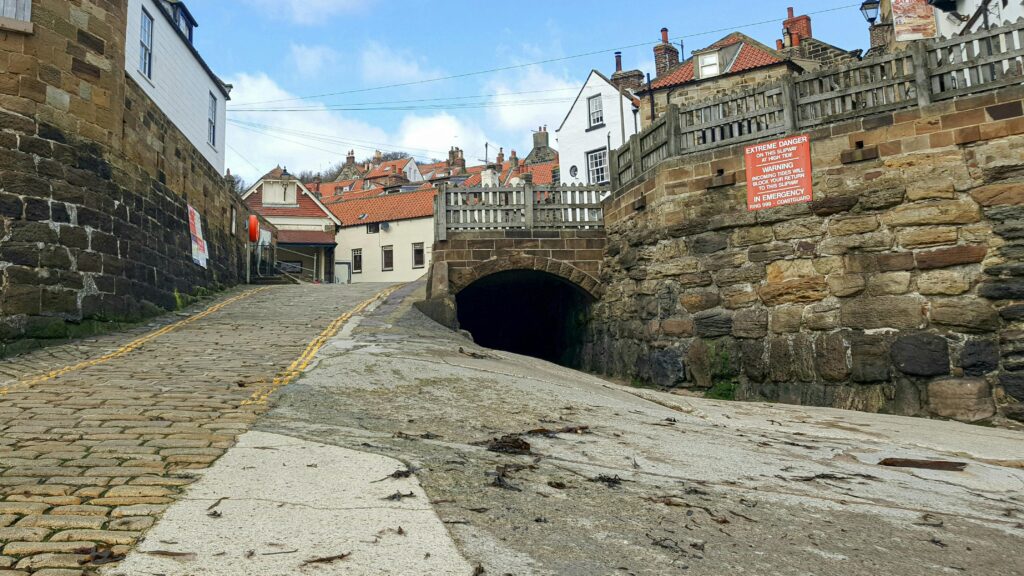
Then there’s Robin Hood’s Bay. The coastal cliffs here are the kind that stop you in your tracks, and if you can time it for sunset, the sea turns copper and gold while the rooftops of the village glow below. You’ll have to see it to believe it!
Best Bases for Hikers
The best base depends on which side of the North York Moors you want to explore, but a few towns and villages stand out for their mix of trail access, accommodation and easy day-hike options.
Helmsley
Helmsley is the traditional favorite, partly because it’s at the start of the Cleveland Way and partly because it feels so perfectly geared toward walkers.
It has good pubs, handy shops, and a certain friendliness that makes it easy to settle in.
Pickering
Pickering works well too, especially if you like the romance of combining hikes with rides on the steam railway.
You can hike one way and catch a train back, which is the sort of combination that makes for a memorable day.
Osmotherley
Osmotherley is another excellent base, especially if you want easy access to the western side of the North York Moors.
The village sits close to Cod Beck Reservoir and several walking routes across the Cleveland Hills, while the Cleveland Way also passes nearby. It’s smaller and quieter than Helmsley, but that’s part of the appeal.
If you want to explore the area properly, our guide to Osmotherley walks covers short reservoir loops, circular routes and longer walks towards Carlton Bank and Clay Bank.
Types of Hiking in the Moors
Day hikes rule the roost here. The park is compact, so you can easily plan a circular walk and be back at your base by tea time.
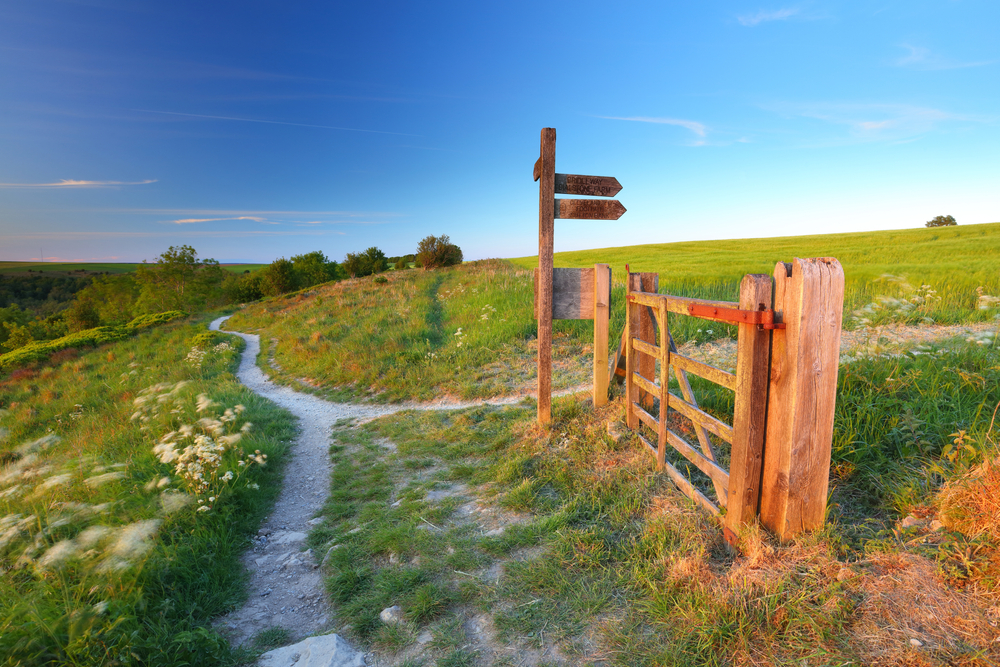
That said, the Cleveland Way is probably the single most popular long-distance trek, and it mixes moorland with clifftop views.
It’s the kind of trail that has everything in one neat package, which is exactly why so many people love it.
Day Hikes
Day hikers can enjoy circular routes through valleys, dales, and along rivers.
There are short woodland loops and ridge walks with wide views, well as riverside strolls for easy afternoons.
Long Distance Hikes
Longer-distance enthusiasts often gravitate to the Cleveland Way or the Lyke Wake Walk.
The Lyke Wake is particularly legendary; it’s a crossing of the moors in one day that tests even the fittest walkers.
Inn to Inn Hiking
For those of you who like to take it slow, Inn-to-Inn walking is a thing here, with cozy pubs and guesthouses strung out like pearls along popular routes.
There’s something wonderfully old-fashioned about it.
Curious about this style of trip? Our inn-to-inn hiking guide covers how it works, what to expect and how to plan one.
Quieter and Lesser-Known Trails
If you want to avoid crowds, you should head to Farndale outside the daffodil season. The valley is peaceful and has many streams that wind through meadows.
The Esk Valley Walk offers riverside charm and a quieter experience. It passes through villages where time seems to slow down.
The Rosedale Railway Path is another hidden gem, tracing the route of a long-gone industrial line through peaceful moorland. It’s history and scenery rolled into one.
What to Bring
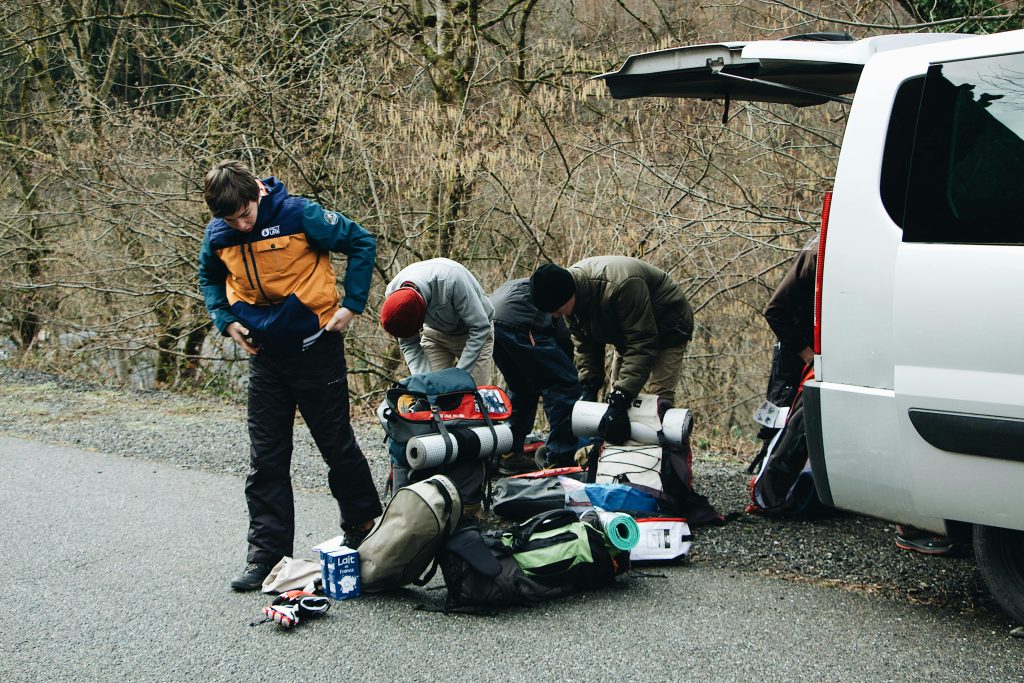
The North York Moors aren’t especially high, but exposed moorland, muddy paths and fast-changing weather mean it’s still worth packing properly.
For most walks, consider bringing:
- Walking shoes or hiking boots with reliable grip for wet, muddy and uneven ground
- A waterproof jacket — even a clear morning can turn wet surprisingly quickly
- A simple layering system for cooler ridges, coastal sections and changing temperatures
- A comfortable daypack for food, water and spare clothing
- Offline maps or reliable navigation, particularly if you’re heading onto quieter moorland trails
- Enough water for the route, especially on longer summer walks
- Trekking poles if you prefer extra stability on muddy descents or longer days
You can also browse our full collection of hiking buyer guides if you’re putting together your walking kit.
🗒️ Free Checklist: “Pack light, pack right — download The Ultimate Hiking Packing List.”
Getting Around the North York Moors
You don’t strictly need a car to hike in the North York Moors, but it does make reaching remote trailheads and smaller villages much easier.
The main towns and villages are connected by a mix of buses and rail services, while the North Yorkshire Moors Railway can be useful for combining walking with a scenic return journey between places such as Pickering, Goathland and the surrounding area.
For car-free trips, it makes sense to base yourself somewhere with reasonable transport links and choose walks that start directly from town or connect naturally with public transport.
A car gives you much more freedom if you want to reach quieter valleys, isolated moorland starts or fit several different areas into one trip.
For most visitors, the best approach is to decide on your main walking base first, then check how easily your chosen routes can be reached from there.
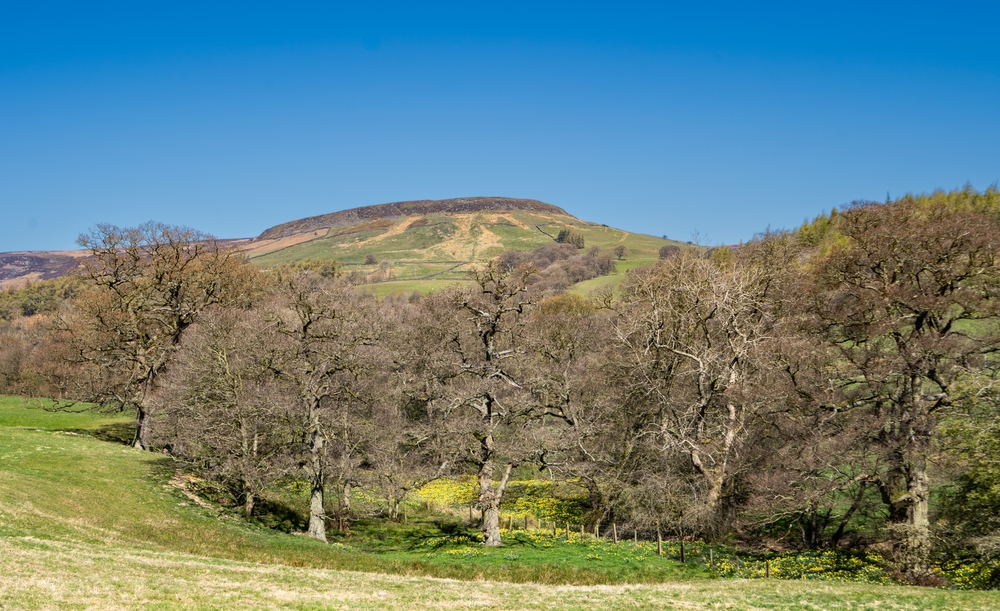
Tips for Hiking in the North York Moors
Weather changes quickly, so even in summer bring waterproofs. One sunny morning can turn into a soggy afternoon without warning.
Paths can be boggy (especially after rain) so gaiters are a friend you didn’t know you needed!
Mobile signal isn’t guaranteed everywhere, so bring a map or download offline routes. Paper maps never run out of battery.
And remember, sheep and grouse have the right of way here, so expect to share the trails. They were technically here first.
“From Alps to coastlines, our free Walking Holiday guide helps you plan smarter.”
FAQs
Is North York Moors good for walking?
Yes, it is one of the best walking regions in England, with trails for all levels and landscapes that range from heather moors to cliffs and valleys.
Can you wild camp in North York Moors?
Wild camping is not generally permitted in the North York Moors without the landowner’s permission.
If you want to stay overnight in the park, established campsites, hostels and walker-friendly accommodation are the simplest options.
What are the moors called in Yorkshire?
They are generally known as the North York Moors, and with smaller sections named for valleys or dales like Eskdale, Rosedale, and Farndale.
How to get to North York Moors National Park?
The easiest way is by train to York, then bus or rail to towns like Pickering, Whitby, or Malton. Driving gives the most flexibility, especially for remote trailheads.
A Final Word Before You Go
The North York Moors aren’t about racing to the finish line. They’re about savoring big skies and quiet trails and the little pleasures of a walking holiday.
For those of you who really enjoy a place that balances wild landscapes with warm hospitality, this corner of Yorkshire is worth every mile.
Where to Next?
If you’re planning more walking in Yorkshire, these guides are the most natural next step:
- Hiking in Yorkshire — get the wider picture with the main hiking regions, landscapes and planning information across the county.
- Best Walks in the Yorkshire Moors — discover more standout day hikes and walking routes across the North York Moors.
- Best Circular Walks in Yorkshire — find more loop routes across the county, from shorter countryside walks to longer hill days.
- Osmotherley Walks — explore one of the North York Moors’ best small-town walking bases, with reservoir, moorland and Cleveland Way routes.
- Best Waterfall Hikes in Yorkshire — add something different with scenic waterfall walks across the wider region.


