

Hikers need food that’s lightweight, nutrient-dense, non-perishable, and easy to prepare. Dehydrated meals tick all of these boxes.
This article will explore why dehydrated foods are ideal for hiking, highlight their numerous benefits, and provide you with 10 simple dehydrator recipes that are both easy to make and delicious to take on your next trek.
What Is a Dehydrator?
A dehydrator is a kitchen appliance designed to remove moisture from food by circulating warm air around it, preserving the food and enhancing its longevity.
Dehydrators come in both commercial and personal models, making it easy for anyone to create a variety of dehydrated foods in their kitchen.
They work by using low heat to draw out water content, which helps to prevent bacterial growth, thereby preserving the food without the need for artificial preservatives.
Preparing your own dehydrated foods also offers benefits over non-dried foods, such as ease of storage, extended shelf life, and controlled ingredients, making them ideal for dietary needs and flavor preferences.
Benefits of Dehydrated Foods
Dehydrated foods are packed with benefits that make them a popular choice for anyone on the go. Here are some universal advantages of dehydrated foods:
- Extended Shelf Life: Dehydrating removes the moisture that can cause spoilage, allowing food to last much longer without refrigeration.
- Lightweight and Compact: With water removed, dehydrated foods weigh significantly less and take up less space, making them easy to pack.
- Nutrient Retention: Dehydration preserves most of the vitamins, minerals, and natural flavors of the food, keeping the nutritional profile high.
- Cost-Effective: Making your own dehydrated foods at home is often cheaper than buying pre-packaged versions, saving you money in the long run.
- No Preservatives: Home dehydration allows you to control ingredients and avoid artificial additives, resulting in healthier food.
If you’re still deciding whether to make your own trail meals, this guide on whether dehydrating food for backpacking is worth the trouble breaks down the pros and cons.
Why Dehydrated Foods Are Ideal for Hiking
When it comes to hiking, dehydrated foods offer a number of specific advantages:
- Portability: Dehydrated foods are lightweight and easy to pack, which is essential when you’re carrying all your supplies on your back.
- Quick Preparation: Many dehydrated foods require only a bit of water to rehydrate, allowing for quick and easy meals on the trail.
- Energy-Dense: Dehydrated snacks provide high-calorie, nutrient-dense options that keep you fueled during long hikes.
- Long-Lasting: Dehydrated foods can withstand various weather conditions without spoiling, making them perfect for multi-day hikes or unpredictable environments.
These recipes below focus on simple, lightweight options that are easy to prepare at home and practical to carry on the trail.
10 Best Dehydrator Recipes Perfect for Hiking
These recipes focus on simple, lightweight, and trail-friendly options that are easy to prepare at home and practical to carry on multi-day hikes.
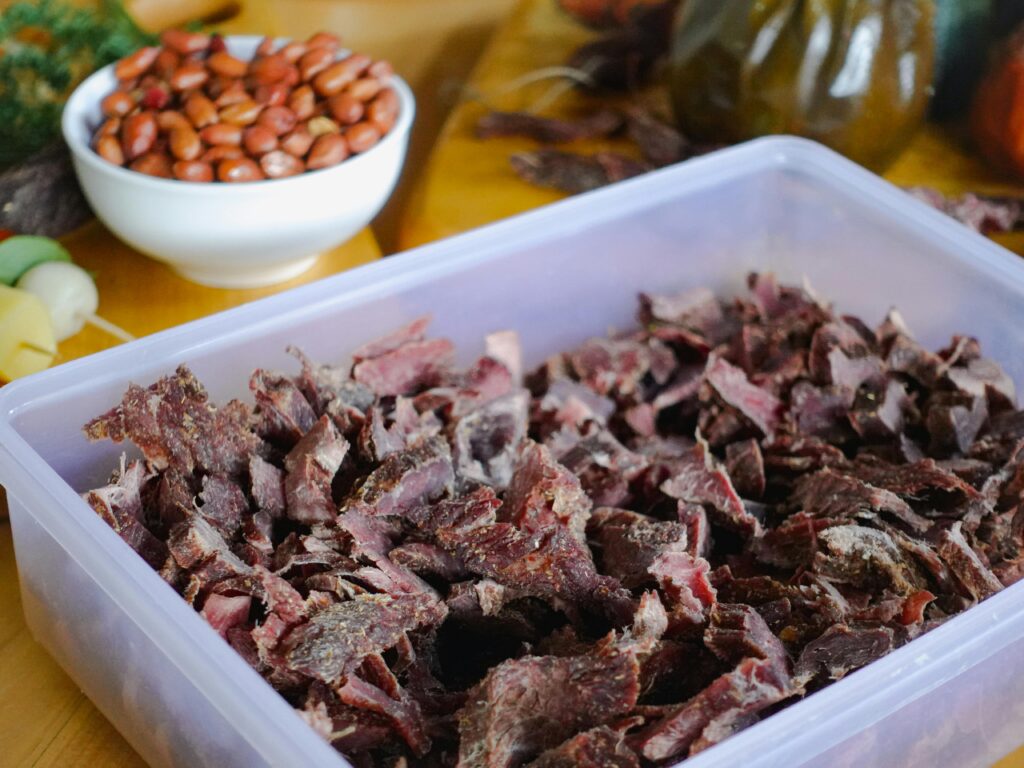
1. Beef Jerky
Beef jerky is an excellent choice for hiking because it’s lightweight, nutrient-dense, and packed with protein, providing sustained energy without taking up much space in your pack.
Its low moisture content prevents spoilage, so it doesn’t require refrigeration, making it ideal for long treks.
Jerky’s high protein content aids in muscle repair, which is essential after a long day of physical activity, and the savory flavor helps satisfy cravings, making it a practical and tasty option for the trail.
Ingredients:
- 1 lb lean beef
- ¼ cup soy sauce
- ¼ cup Worcestershire sauce
- 1 tsp black pepper
- 1 tsp garlic powder
- 1 tsp onion powder
Instructions:
- Slice beef into thin strips.
- Marinate with the ingredients for at least 4 hours.
- Place strips on dehydrator trays.
- Dehydrate at 160°F for 4-6 hours or until completely dry.
Storage: Store in an airtight container for up to 2 weeks, or freeze for longer storage.
2. Dehydrated Apples
Dehydrated apples are an excellent hiking snack due to their natural sugars, which provide a quick energy boost, and their high fiber content, which aids digestion on the trail.
Lightweight and easy to pack, dehydrated apples retain essential vitamins like Vitamin C, which helps combat fatigue. They’re also easy to rehydrate if desired, making them versatile for both snacking and adding to trail mixes or hot cereal.
Their natural sweetness and satisfying crunch make them an enjoyable, low-calorie treat for long hikes.
Ingredients:
- 4 apples
- 1 tbsp lemon juice
- 1 cup water
Instructions:
- Slice apples thinly.
- Soak slices in a lemon-water mixture for 5 minutes to prevent browning.
- Arrange slices on dehydrator trays.
- Dehydrate at 135°F for 6-8 hours until crisp.
Storage: Keep in a sealed bag or container for up to 6 months.
3. Dehydrated Bananas
Dehydrated bananas are ideal for hiking as they are rich in potassium, a crucial electrolyte that helps prevent muscle cramps and maintain energy levels during strenuous activities.
Their natural sugars provide an instant energy source, while their fiber content supports sustained energy release.
Lightweight and easy to store, dehydrated bananas don’t require refrigeration and are easy to incorporate into trail mixes or eat alone.
With a long shelf life, they make a convenient, nutrient-packed snack for hikes of any length.
Ingredients:
- 4 bananas
Instructions:
- Slice bananas into ¼-inch rounds.
- Arrange slices on dehydrator trays without overlapping.
- Dehydrate at 135°F for 8-10 hours or until leathery.
Storage: Store in an airtight container for up to 6 months.

4. Dehydrated Strawberries
Dehydrated strawberries are a great hiking snack because they’re packed with antioxidants, Vitamin C, and natural sugars, offering a refreshing and energy-boosting treat on the trail.
Their tart-sweet flavor makes them a favorite, while their lightweight, non-perishable form is easy to pack. Strawberries retain their nutritional benefits even after dehydration, supporting immune health and reducing fatigue.
They can be enjoyed alone or added to trail mix, oatmeal, or yogurt, providing a versatile and tasty option for outdoor adventures.
Ingredients:
- 1 lb strawberries
Instructions:
- Slice strawberries thinly.
- Place on dehydrator trays in a single layer.
- Dehydrate at 135°F for 6-8 hours or until leathery.
Storage: Store in a sealed container in a cool, dry place for up to a year.
“Every hiker starts somewhere — grab your free Hiking for Beginners guide.”
5. Dehydrated Marshmallows
Dehydrated marshmallows add a fun, lightweight, and energy-boosting snack to a hiker’s food kit.
They offer quick carbs, which help replenish energy on the trail, and their low weight makes them easy to carry in bulk without adding strain to your backpack.
They’re also versatile: enjoy them as a snack, add them to trail mixes, or mix into hot chocolate for a morale-boosting treat around the campfire.
Their long shelf life and non-perishable nature make them a convenient option for extended hikes.
Ingredients:
- Mini marshmallows
Instructions:
- Arrange marshmallows on the dehydrator trays.
- Dehydrate at 125°F for 6-8 hours or until they become hard and crunchy.
Storage: Store in an airtight container for up to 6 months.

6. Dehydrated Beef Stroganoff
Dehydrated beef stroganoff is a satisfying and protein-rich meal perfect for refueling after a long day of hiking.
High in calories, protein, and fats, it provides the energy needed for muscle recovery and sustained endurance.
Lightweight and easy to pack, dehydrated stroganoff can be quickly rehydrated with hot water, making it convenient for trail dining.
The flavors and heartiness of beef stroganoff also offer comfort and satisfaction, helping hikers feel energized and nourished for continued activity on multi-day treks.
Ingredients:
- 1 lb ground beef
- 1 cup mushrooms, sliced
- 1 onion, diced
- 1 cup egg noodles, cooked
- ½ cup sour cream powder
- Salt and pepper to taste
Instructions:
- Brown ground beef and drain excess fat.
- Sauté onions and mushrooms.
- Mix in noodles, sour cream powder, salt, and pepper.
- Spread mixture on dehydrator trays.
- Dehydrate at 160°F for 6-8 hours until completely dry.
Storage: Store in sealed bags for up to a month; rehydrate with hot water.
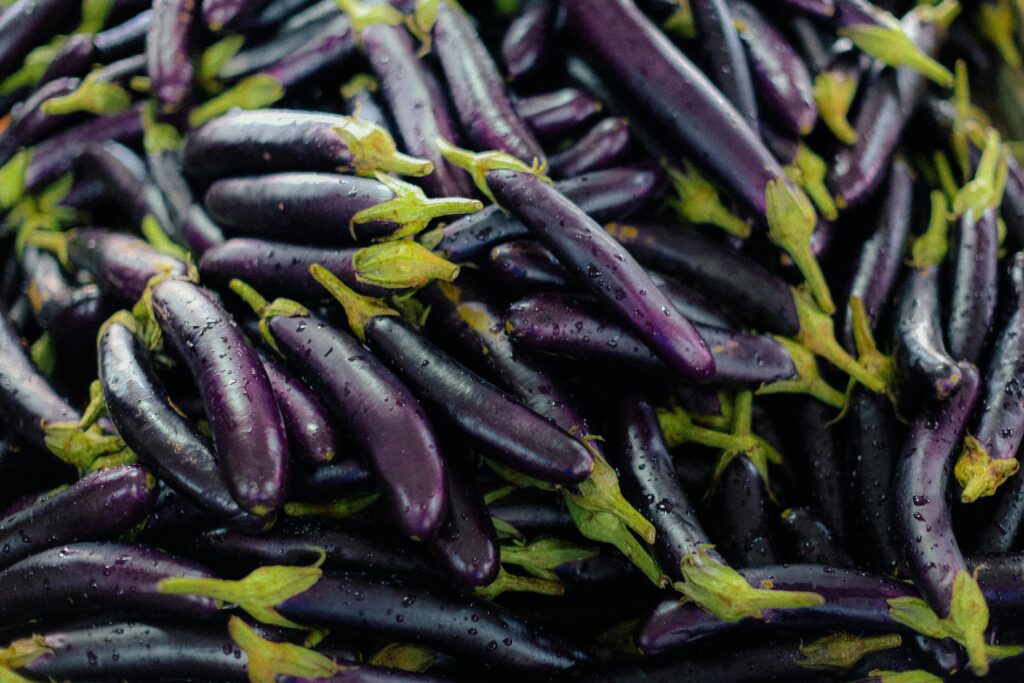
7. Eggplant Bacon
Dehydrated eggplant bacon is an excellent hiking snack because it’s lightweight, flavorful, and nutrient-rich, making it a versatile option for outdoor adventures.
Its smoky, savory flavor mimics traditional bacon while being low in calories and high in fiber, which helps hikers feel full and energized.
Eggplant bacon is also rich in essential vitamins and minerals, supporting overall health on the trail.
Since it’s plant-based, it caters to different dietary preferences and can be enjoyed as a snack on its own or added to wraps and salads, providing a satisfying crunch without adding bulk to your pack.
Ingredients:
- 1 large eggplant
- 2 tbsp soy sauce
- 1 tbsp maple syrup
- ½ tsp smoked paprika
Instructions:
- Slice eggplant thinly.
- Mix soy sauce, maple syrup, and smoked paprika.
- Coat eggplant slices and arrange on trays.
- Dehydrate at 125°F for 8-10 hours until crisp.
Storage: Store in an airtight container for up to a month.
8. Sauerkraut Crackers
Sauerkraut crackers are a crunchy, nutrient-dense snack packed with fiber and probiotics.
They’re lightweight, easy to carry, and provide a satisfying savory option on the trail.
Ingredients:
- 1 cup sauerkraut, drained
- 1 cup ground flaxseeds
- 1 cup water
Instructions:
- Mix sauerkraut, ground flaxseeds, and water.
- Spread thinly on dehydrator trays.
- Dehydrate at 135°F for 6-8 hours until crisp.
Storage: Store in an airtight container for up to a month.
9. Linzer Cookies
Dehydrated Linzer cookies are an indulgent yet practical hiking snack. Made from almond flour and oats, they’re nutrient-dense, offering protein, healthy fats, and sustained energy.
The dried raspberry or fruit filling provides natural sugars for a quick energy boost, while the crunchy texture satisfies cravings.
Lightweight and non-perishable, these cookies can be stored easily in a backpack. They make a sweet treat to enjoy on the trail, adding variety to hiking meals without compromising on portability or shelf life.
Ingredients:
- 1 cup almond flour
- ½ cup oats
- ½ cup dried raspberries
- 2 tbsp honey
Instructions:
- Blend oats and dried raspberries until powdered.
- Mix with almond flour and honey until dough forms.
- Shape into small cookies and place on dehydrator trays.
- Dehydrate at 135°F for 6-8 hours until firm.
Storage: Store in a sealed container for up to a month.

10. Portobello Meatloaf
Portobello meatloaf is a nutritious and filling option that’s ideal for hiking. High in fiber, protein, and essential nutrients, it provides long-lasting energy for physically demanding days.
Dehydrated portobello meatloaf is lightweight and easy to rehydrate, making it a convenient meal choice for multi-day treks. Its rich, hearty flavor is a comforting option for hikers looking to stay fueled with minimal cooking.
Packed with plant-based nutrients, it’s a tasty, compact food that can easily fit into any trekking meal plan.
Ingredients:
- 2 portobello mushrooms, chopped
- ½ cup walnuts, ground
- 1 onion, chopped
- Salt and pepper to taste
Instructions:
- Mix all ingredients until combined.
- Shape into mini loaves and place on dehydrator trays.
- Dehydrate at 145°F for 6-8 hours or until dry.
Storage: Store in a sealed bag for up to 2 weeks.
Key Considerations When Selecting Dehydrated Foods For Hiking
When choosing dehydrated foods for hiking, there are a few key factors to consider that can enhance your trekking experience.
First, prioritize nutrient density. Foods that are rich in calories, protein, and healthy fats will keep you energized for longer periods on the trail.
Look for options like dehydrated meats, nuts, and complex carbohydrates to provide sustained energy.
Weight and packability are also crucial since every ounce counts when you’re carrying your supplies. Dehydrated foods are naturally lightweight, but choosing items that compress well or fit into compact containers can save even more space.
Shelf life is another essential factor. Properly dehydrated foods typically have long shelf lives, but make sure they’re stored in airtight containers or vacuum-sealed bags to avoid spoilage.
Finally, consider ease of rehydration and preparation. Quick-to-rehydrate foods, like soups, stews, or pasta dishes, make meal prep on the trail faster and more convenient.
For added flavor and enjoyment, include a mix of sweet and savory options, like dried fruits and protein-packed snacks.
With these considerations, you can create a balanced, nutritious, and practical food plan that supports all your energy needs on the trail.
🗒️ Free Checklist: “Never forget the essentials — grab your free Ultimate Hiking Packing List.”
How to Combine These Recipes Into Trail Meals
These recipes can be combined to create simple, balanced meals on the trail:
- Breakfast: Dehydrated fruit with oats or granola
- Lunch: Jerky with crackers or trail mix
- Dinner: Beef stroganoff or portobello meatloaf
- Snacks: Fruit, marshmallows, or banana chips
Mixing and matching meals helps keep your food system lightweight, efficient, and enjoyable over multiple days on the trail.
In Conclusion
Dehydrated foods are ideal for hiking and trekking because they provide lightweight, nutrient-dense, and easily portable fuel. Making your own dehydrated snacks and meals allows you to customize flavors, save money, and avoid preservatives found in store-bought versions.
With recipes like beef jerky, dehydrated fruits, marshmallows, and unique savory options, you’ll have a variety of delicious and satisfying snacks that can keep you energized throughout your journey.
Try out some of these simple dehydrator recipes for your next trek, and discover how easy it is to create nutritious, trail-ready meals that fuel your adventure. By preparing your own dehydrated foods, you’ll be ready for anything the trail has to offer, all while enjoying healthy, tasty options.
Where to Next?
Ready to build out your full trail food and gear setup?
- Is Dehydrating Food for Backpacking Worth the Trouble? – Decide if making your own meals is right for your hiking style
- High-Protein Hiking Foods for Long Trails – Discover lightweight, energy-dense fuel options
- How to Pack a Hiking Backpack Like a Pro – Learn how to organize your food and gear efficiently
- 13 Practical Backpacking Tips for Beginners – Build the habits that make hiking easier and more enjoyable


