

Overview of the dangers of hiking at night and ways to mitigate any potential dangers…
Hiking at night can be a thrilling and serene experience, but it also comes with its own set of dangers that hikers need to be aware of.
The most significant risk is reduced visibility, which can make it difficult to navigate trails, spot obstacles, and avoid hazards like uneven terrain, tree roots, or loose rocks.
This lack of visibility increases the likelihood of trips, falls, and injuries. Additionally, night hiking can heighten the chances of wildlife encounters, as many animals are more active after dark.
The risk of getting lost is also greater, as familiar landmarks may be harder to recognize in the dark, and the disorientation caused by the darkness can make it difficult to stay on course.
However, these dangers can be effectively mitigated with proper preparation and precautions. Using high-quality lighting, such as headlamps or flashlights, ensures you can see the path ahead clearly.
Familiarizing yourself with the trail during daylight hours and sticking to well-marked, easy-to-navigate routes reduces the risk of getting lost.
Additionally, carrying essential safety gear, such as a compass, map, and first aid kit, can help you handle any unexpected situations. Hiking with a group rather than going alone also adds a layer of safety, as you can look out for each other.
By understanding the risks and taking the necessary steps to prepare, you can enjoy the unique experience of night hiking while minimizing the dangers associated with it.
Why Hike at Night?
For those who aren’t particularly fond of the dark, one might wonder why anyone would choose to hike at night.
Well, there are several interesting factors that entice people to walk long distances through a variety of hiking trails during nighttime hours. These factors include the following:
“Avoid rookie mistakes. Our free ebook Hiking for Beginners shows you how.”
- It’s beautiful (not like a dark room): The natural world takes on a different kind of beauty under the night sky, with moonlight casting shadows and highlighting the landscape in a soft, ethereal glow.
- Quieter than daytime: The trails are usually much quieter at night, allowing you to enjoy the sounds of nature without the hustle and bustle of daytime hikers.
- Cooler temperatures: Nighttime hiking is often more comfortable in warmer climates, as the temperature drops, making the hike less physically demanding.
- Better connection with nature: The tranquility of night hiking allows for a deeper connection with the natural world, fostering a sense of peace and mindfulness.
- See different aspects of nature: Many nocturnal animals and insects become active at night, offering a unique opportunity to observe wildlife that remains hidden during the day.

What Makes Hiking At Night Dangerous?
While hiking at night can be a magical experience, it does come with its own set of risks.
Reduced Visibility
The primary concern with night hiking is reduced visibility, which can make navigation more challenging and increase the likelihood of accidents.
Uneven terrain, tree roots, rocks, and other obstacles can be harder to see in the dark, leading to trips and falls.
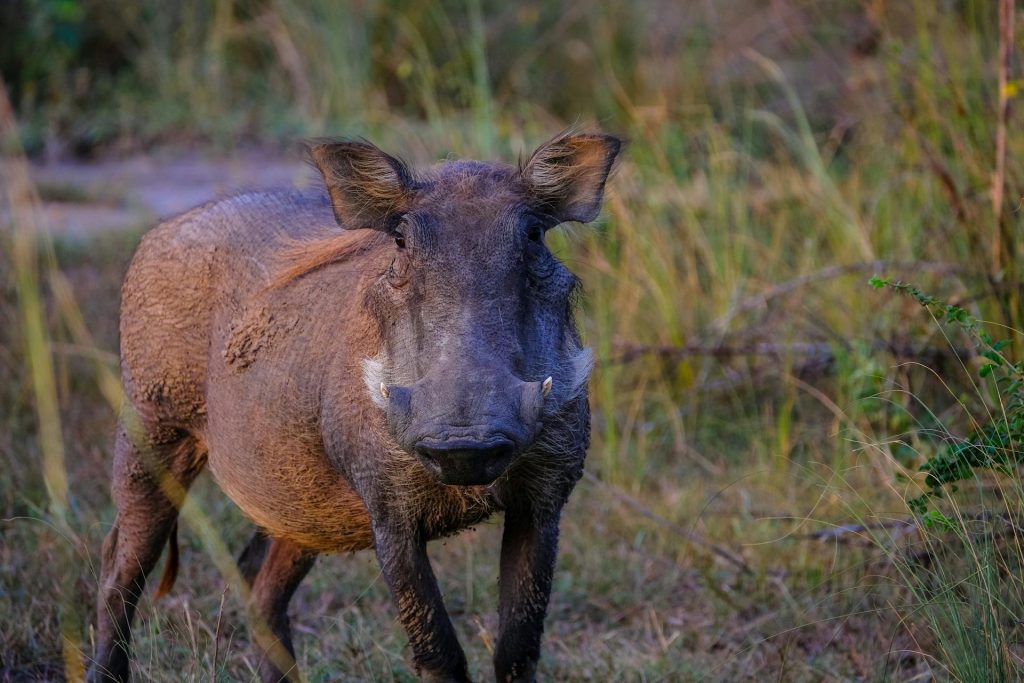
Wildlife Encounters
Wildlife encounters can also be more common at night, as many animals are nocturnal.
While most wildlife will avoid humans, the possibility of startling an animal or encountering a more aggressive species is a risk that needs to be considered.
In certain areas, predators like coyotes, mountain lions, or bears might be more active at night.
Disorientation and Getting Lost
Another risk associated with night hiking is the potential for disorientation. Even on familiar trails, the darkness can make it easy to lose your bearings.
This is especially true in dense forests or areas with limited landmarks. Getting lost at night can be more dangerous than during the day, as finding your way back can be more difficult, and the cooler nighttime temperatures can increase the risk of hypothermia if you are not properly dressed.
To minimize these risks, preparation is key. The main factor in avoiding danger when hiking at night is thorough preparation.
By understanding the unique challenges posed by night hiking and taking the necessary precautions, you can greatly reduce the risks and enjoy a safe and rewarding experience.
How To Prepare for Hiking at Night
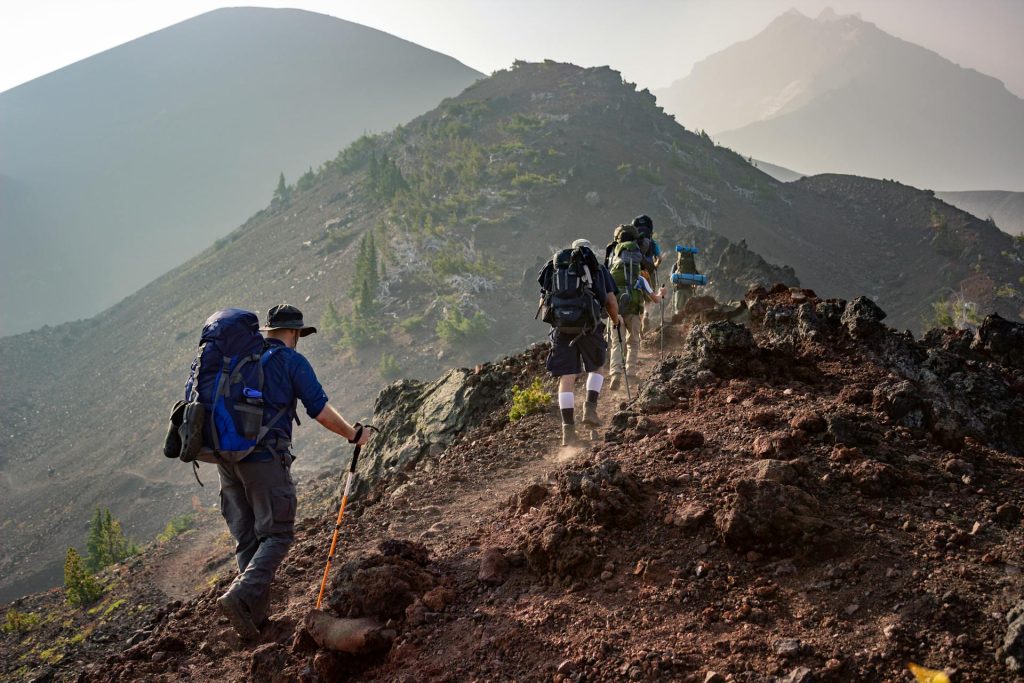
Hiking at night presents some potential dangers; however, as long as you select a suitable trail and are fully aware of the risks, which will be largely determined by the location and type of terrain, you can adequately prepare for any hazardous situations that might arise and ensure you remain safe along the journey.
Need help getting organised for your next hike? Our article ‘Top tips and advice on How to prepare for a hike the night before‘ has you covered
Here are some essential steps to prepare for hiking at night:
- Select the correct equipment: Invest in high-quality headlamps or flashlights with fresh batteries. A reliable light source is crucial for navigating the trails safely.
- Know your gear: Familiarize yourself with all the equipment you’ll be using, from your headlamp to your backpack. Practice using your gear in the dark before heading out on the trail.
- Choose the right trail: Opt for a trail that you are familiar with, ideally one that is well-marked and easy to navigate. Avoid trails with steep drops, loose rocks, or other hazards that could be dangerous in the dark.
- Check the weather: Always check the weather forecast before setting out. Nighttime temperatures can drop significantly, and sudden changes in weather can make your hike more dangerous.
- Learn to embrace the darkness: Understand that your vision will be limited, and accept the fact that hiking at night is a different experience. Adjust your pace and expectations accordingly.
- Learn the local wildlife: Be aware of the animals that are active at night in the area you’ll be hiking. Knowing what to expect can help you avoid potentially dangerous encounters.
- Learn to navigate with a compass: A compass can be a lifesaver if you lose your way. While GPS devices are helpful, they can fail, so knowing how to use a compass is an essential skill.

In Conclusion
In conclusion, hiking at night offers a unique and rewarding experience, allowing adventurers to explore familiar trails under the serene and mysterious cover of darkness.
However, this activity comes with inherent risks that must be carefully managed. Reduced visibility, the potential for wildlife encounters, and the increased likelihood of disorientation are all factors that can turn a night hike into a dangerous endeavor if not properly addressed.
By taking the time to prepare thoroughly, choosing the right equipment, and familiarizing yourself with the trail and local wildlife, you can significantly reduce these risks.
Additionally, following essential safety tips—such as hiking with a group, staying on marked trails, and being mindful of weather conditions—ensures that your nighttime adventure remains safe and enjoyable.
With the right precautions, you can embrace the beauty and tranquility of hiking at night, turning what might seem like a daunting challenge into a memorable outdoor experience.

