
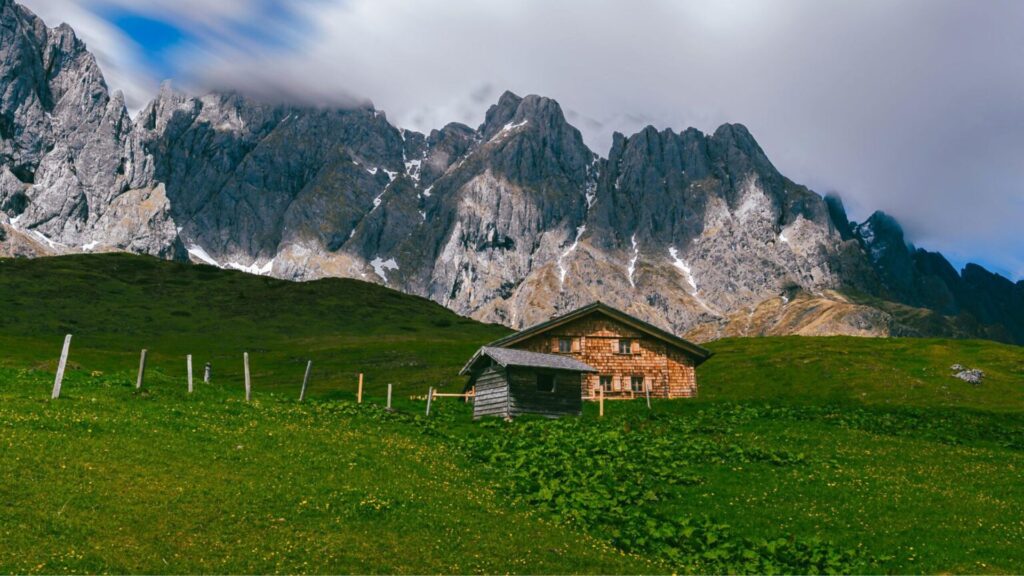
Austria is one of Europe’s best destinations for hut-to-hut hiking, with routes ranging from manageable three-day introductions to demanding high-alpine trails.
This guide covers how Austrian mountain huts work, the best routes to consider, when to go, what to pack and the key planning details to know before setting off.
- Why Go Hut-to-Hut Hiking in Austria?
- How Austrian Mountain Huts Work
- Choosing the Right Hut-to-Hut Route
- Best 3 day hut-to-hut Austria
- Best hut to hut hikes in Austria
- Planning Your Hut-to-Hut Hike in Austria
- Hut-to-Hut Hiking or a Walking Holiday in Austria?
- Is Hut-to-Hut Hiking in Austria Worth It?
- Conclusion
- Where to Next?
Why Go Hut-to-Hut Hiking in Austria?
Austria has perfected the art of making mountains feel welcoming.
The country’s network of alpine huts is one of the most extensive and well-organized in the world.
You will find huts that are perched on grassy slopes, nestled by lakes, and clinging to dramatic cliffsides.
They’re also spaced in such a way that you can walk from one to the next without needing to camp or haul days’ worth of food.
These huts, which are maintained by organizations like the Austrian Alpine Club, offer much more than just a roof.
Some serve full meals, while others pour schnapps with a grin, and many have bunk rooms that echo with the snores of happy hikers as well.
The atmosphere is communal and relaxed, which means you might end up sharing a table with fellow trekkers from half a dozen countries (and just like that, you’ll make some new friends).
And here’s the real kicker: Austria’s huts are remarkably affordable compared to their Swiss counterparts.
Hiking here gives you champagne views, but on a prosecco budget!
“First time on the trail? Hiking for Beginners has your back.”
Pop culture, history, and alpine charm
For anyone who has watched the 1965 classic film The Sound of Music, you might expect every Austrian hike to involve children in lederhosen belting out songs on a meadow!
While the film was mostly shot around Salzburg and nearby mountains, the vibe of those cinematic hills is not far from reality.
Hikers really do burst into song sometimes (and usually especially after a schnapps or two at a hut).
Historically, the hut system has roots in mountaineering’s golden age. As climbers pushed higher into the Alps in the 19th century, huts were built to provide shelter.
Over time, they evolved into cozy waypoints for hikers and trekkers of all abilities. Today, many huts are still family-run, which shoulda personal touch to the experience.
If books are more your thing, Austrian hut-to-hut hiking feels a lot like stepping into a Brothers Grimm fairytale.
The forests are thick, the peaks dramatic, and the alpine lakes glimmer like something enchanted.
Walking from hut to hut feels timeless, as though you are part of a centuries-old story (literally),
How Austrian Mountain Huts Work
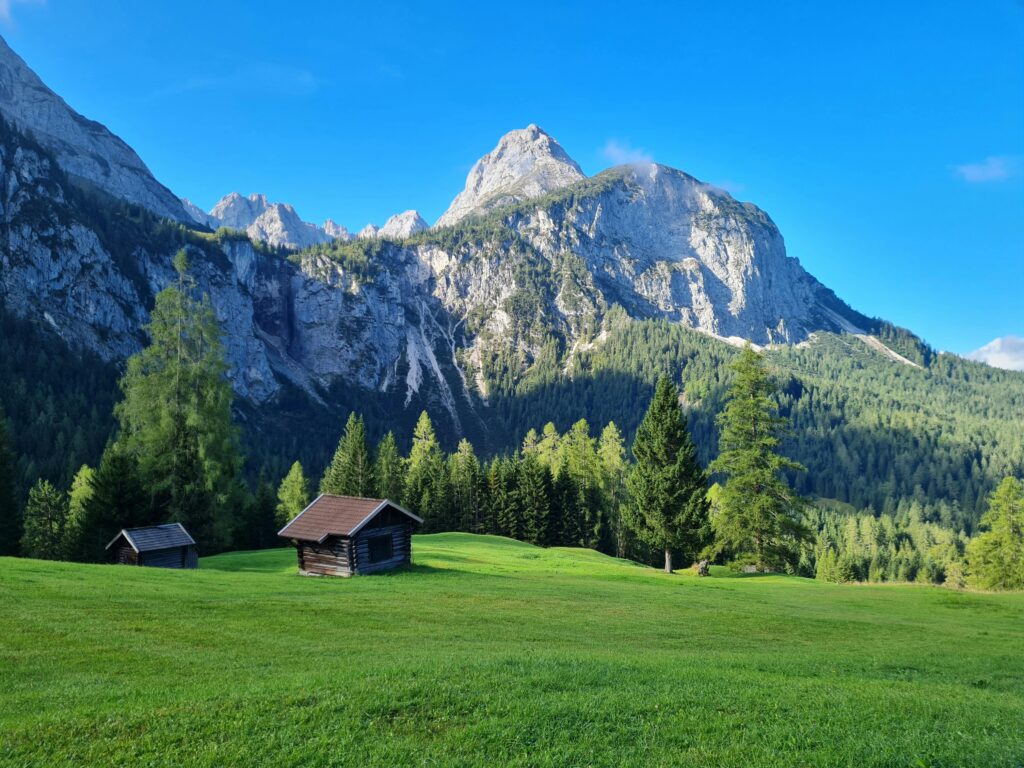
Austria’s mountain huts are usually more comfortable than the word “hut” suggests.
Most staffed huts provide shared accommodation, hot meals, drinks, toilets, and a communal dining area.
Some are large and relatively modern, while others are simple mountain shelters with limited electricity, water, and phone reception.
Accommodation normally comes in two forms. Shared rooms contain several individual beds or bunks, while mattress dormitories have sleeping spaces arranged closely together in one larger room.
Blankets and pillows are generally provided, but hikers are usually expected to bring a lightweight sleeping-bag liner.
Earplugs are also useful, particularly when you are sharing a dormitory with hikers leaving early the following morning.
Boots are normally removed near the entrance, and many huts provide basic indoor slippers.
Carrying your own lightweight sandals or hut shoes is still a good idea.
Meals are one of the highlights of the experience. Expect straightforward, filling mountain food such as soup, dumplings, pasta, stew, bread, cheese, and traditional desserts.
Some huts offer half-board, which normally includes dinner, accommodation, and breakfast.
Facilities vary considerably, so check each hut before booking. Showers, charging points, drinking water, and card payments should never be assumed.
Booking and Paying for Mountain Huts
Popular huts can fill quickly during July and August, particularly along well-known routes such as the Stubai High Trail and Eagle Walk.
Some huts accept reservations through an online booking system, while others need to be contacted directly by email or telephone.
Because each night depends on the next, plan your whole route before confirming the first stay.
When booking, check:
- The hut’s opening dates
- What type of sleeping space you are reserving
- Whether dinner and breakfast are included
- Accepted payment methods
- Cancellation requirements
- Whether a sleeping-bag liner is compulsory
Carry cash even when a hut appears to accept cards. Remote locations can have unreliable connections, and smaller huts may still operate on a cash-only basis.
Members of participating Alpine Clubs often receive discounted accommodation rates.
Membership may be worthwhile when a route includes several hut stays, although the exact savings vary.
Most importantly, contact the hut if your plans change. Hut staff need to know whether you are delayed, taking another route, or no longer arriving.
Popular huts worth visiting
Some huts have become legends in their own right, thanks to their location, the neat history, or just excellent food. Examples include:
Stüdlhütte (Grossglockner region)
This is a classic base for climbers, and it has jaw-dropping views of Austria’s highest peak.
Berliner Hütte (Zillertal Alps)
This is a grand and almost palatial hut with wood-paneled dining rooms and a touch of alpine nostalgia.
Karwendelhaus (Karwendel Alps)
Remote yet welcoming, and it offers a true escape into nature.
Seethalerhütte (Dachstein)
Sitting near the glacier, this hut feels like the edge of the world.
Edelweisshütte (Rax Mountains)
This is a popular hut near Vienna, and it’s great for those who want a hut experience without traveling far.
Visiting these huts is as much about atmosphere as it is about rest.
For those of you who enjoy a good story with your soup, these huts will deliver, and you’ll have to see it to believe it.
Choosing the Right Hut-to-Hut Route
Distance alone does not tell you how difficult an Austrian hut hike will be.
A relatively short stage can still involve long climbs, steep descents, loose rock, exposed traverses, or sections protected by cables.
Several demanding days in succession can also feel much harder than one isolated mountain walk.
Before choosing a route, compare:
- Daily walking distances
- Ascent and descent
- Highest point
- Exposure
- Technical sections
- Opportunities to descend into a valley
- The difficulty of reaching the next hut
Best 3 day hut-to-hut Austria
Not everyone can spend two weeks wandering from hut to hut, and the good news is you do not need to.
Austria offers plenty of shorter treks that pack all the alpine magic into a long weekend, such as:
Stubai High Trail Mini Loop
The Stubai High Trail is a famous long-distance trek, but you can experience a slice of it in three days.
You can start in Neustift, hike to the Dresdner Hütte, continue to the Sulzenauhütte, and loop back.
You can also fully expect waterfalls, glaciers, and scenery that looks like a postcard.
The Dachstein Circuit Sampler
Around the Dachstein massif, you can string together a three-day trek with nights at huts like Hofpürglhütte and Adamekhütte.
This route offers glacier views, dramatic cliffs, and peaceful meadows. It feels like Austria’s Alps on fast-forward!
Zillertal Valley Hike
Here you can begin in Mayrhofen and then you can spend three days exploring huts like Edelhütte and Kasseler Hütte.
The Zillertal Alps are known for rugged beauty and a rich hut network, which should make them perfect for a shorter introduction to hut hiking.
For those of you who like to dip your toes into hut hiking without committing to a marathon, these three-day trips are the perfect test run.
Best hut to hut hikes in Austria
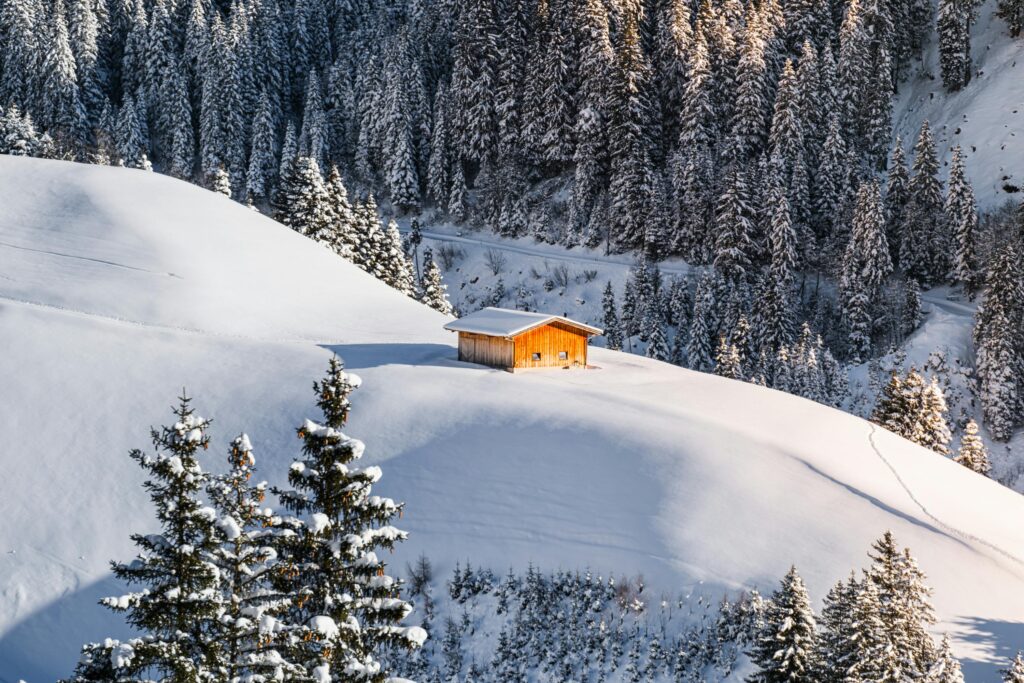
If you are ready to go bigger, Austria has multi-day hut-to-hut routes that are among Europe’s best.
The Eagle Walk (Adlerweg)
Austria’s most famous long-distance trail runs across Tyrol, with over 30 stages.
You do not need to walk the whole thing, as many hikers pick a section that matches their time frame.
The Eagle Walk combines valleys and ridges, along with everything in between.
The Lechweg Trail
Gentler than some alpine treks, the Lechweg follows the Lech River from its source in the mountains down to Germany.
It’s a perfect walk for those of you who enjoy scenic riverside walks mixed with alpine views.
The Rätikon Circuit
This loop runs along the Austrian, Swiss, and Liechtenstein borders.
It’s rich in variety, with limestone peaks, flower-filled meadows, and huts that feel welcoming after each stage.
The Schladminger Tauern High Trail
For those who like rugged adventure, this trail runs through wild alpine landscapes that are dotted with nice-looking lakes.
The huts here are wonderfully positioned for sunrise and sunset views.
Silvretta Alps Trek
If you like glaciers and high passes, the Silvretta Alps are a gem.
The huts here are well-equipped, and the scenery is both dramatic and approachable.
Planning Your Hut-to-Hut Hike in Austria
Once you have chosen a route, a little preparation around the season, navigation, safety and packing will make the experience considerably smoother.
Best Time for Hut-to-Hut Hiking in Austria
The main hut-hiking season in Austria runs through summer, although exact dates vary depending on the route, altitude, and remaining snow.
July and August normally offer the widest choice of open huts and accessible trails.
They also bring the biggest crowds, so advance booking is particularly important.
June can be quieter, but snow may remain on higher passes and shaded slopes.
September often brings cooler weather, quieter trails, and clearer conditions, although days are shorter and some huts begin closing toward the end of the month.
July and August offer the widest choice of open huts and accessible trails, while June and September are quieter but bring a greater chance of lingering snow, shorter days or seasonal closures.
Mountain weather remains unpredictable throughout the season. Even in midsummer, high ridges can be cold, windy, or covered by cloud.
Always check the opening dates of every hut and confirm the latest trail conditions shortly before beginning the hike.
Beginners should look for shorter stages, straightforward paths, and regular escape routes.
A two- or three-night trip is often the best way to learn whether hut hiking suits you before committing to a longer high trail.
More experienced hikers may prefer routes such as the Schladminger Tauern or sections of the Stubai High Trail, where the terrain feels more remote and sustained.
Whatever route you choose, make sure the difficulty matches your real experience rather than the trip you hope to be capable of.
Navigation and Mountain Safety
Austria’s hiking trails are generally well marked, but signs and painted waymarks should support your navigation rather than replace it.
Carry an offline map or navigation app, along with enough battery power for the full day.
A paper map is also useful on longer or more remote routes.
Before leaving each hut, check:
- The weather forecast
- The expected walking time
- The total ascent and descent
- Any exposed or difficult sections
- Alternative routes
- The quickest way down to the valley
Start early whenever possible. This gives you more time to deal with delays and may help you avoid afternoon thunderstorms.
Carry waterproof clothing and a warm layer even when the valley forecast looks good. Conditions can change quickly once you reach a pass or exposed ridge.
Hut staff are also an excellent source of local information. Ask about snow, storms, damaged paths, and route conditions before setting off.
Being flexible is part of safe mountain travel. Missing a hut reservation is inconvenient, but continuing through dangerous conditions is never worth it.
What to Pack for an Austrian Hut Hike
Staying in huts means you can carry far less than you would on a camping trip.
A sensible packing list includes:
- Waterproof jacket
- Warm insulating layer
- Spare socks and base layer
- Sleeping-bag liner
- Lightweight hut shoes
- Head torch
- Earplugs
- Water bottles
- Snacks
- First-aid and blister supplies
- Offline navigation
- Power bank
- Cash and bank card
- Identification
- Sunscreen and sunglasses
You normally do not need a full sleeping bag, cooking equipment, or several changes of clothing.
The aim is to carry enough for bad weather and unexpected delays without filling your backpack with items you are unlikely to use.
Every extra kilogram becomes more noticeable on a long climb.
Pack for the highest and most exposed part of the route, not simply the conditions in the valley where you begin.
🗒️ Free Checklist: “Never forget the essentials — grab your free Ultimate Hiking Packing List.”
Additional Safety Tips
The huts make things easier, but hiking in the Alps is not the same as strolling through a city park.
Mountain weather can turn faster than you can say “sachertorte,” so preparation is always a good idea.
With that in mind, here are some things to remember:
- Check the weather forecast before you head out each morning, without exception. Alpine thunderstorms can roll in with little warning, and snow is possible even in summer at higher altitudes.
- Carry layers. A sunny valley can feel like summer, while a ridge in the wind can feel like November. A lightweight rain jacket is a really good idea too.
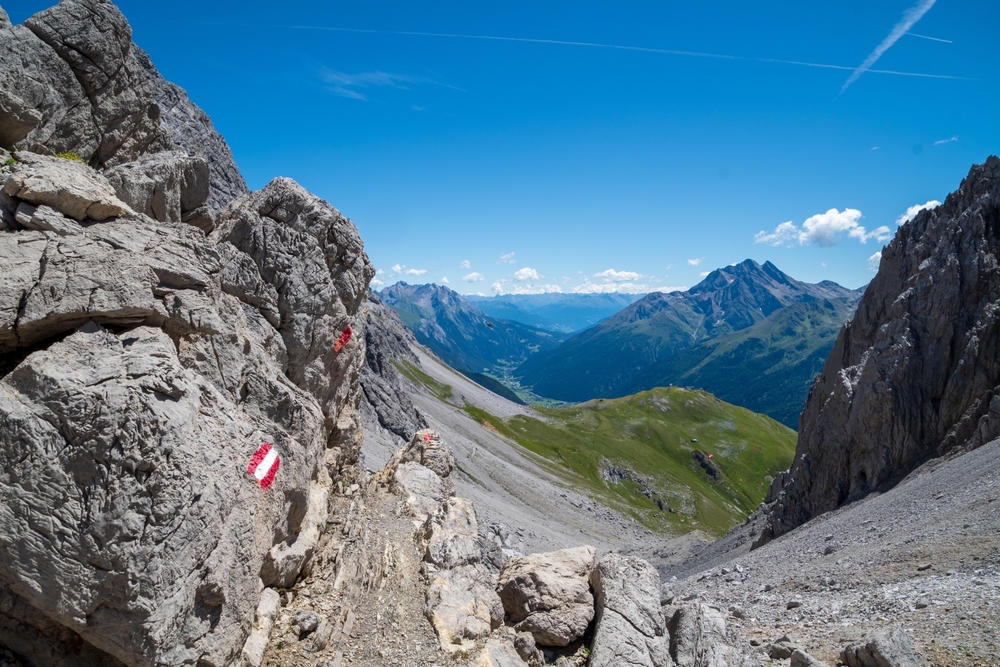
- Know your trail. Maps and GPS apps are helpful, but Austrian trails are also well-marked with red-white-red paint blazes. Stick to marked paths in order to avoid accidents.
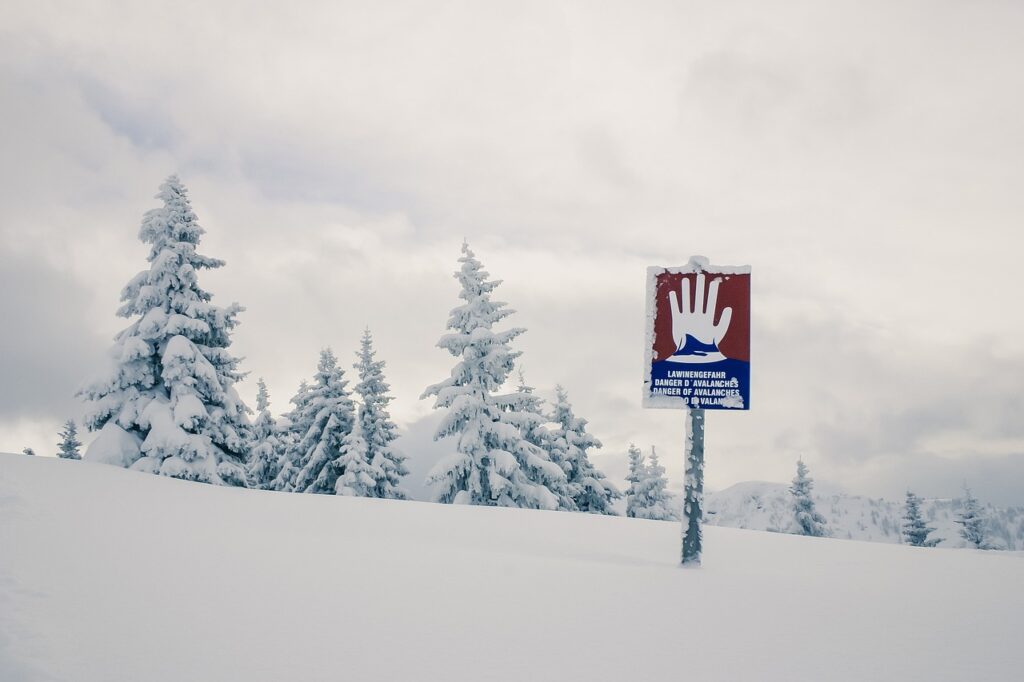
- Avalanche awareness. In winter and spring, avalanches are a real danger. If you are hut hiking outside the summer season, check avalanche reports and consider going with a guide.
- Respect altitude, always. Even moderate elevations can cause shortness of breath if you are not acclimated. Take it slow and stay hydrated.Reserve your hut stays. Many huts are booked up in the high season. A quick phone call or online booking can save you from a very long detour later on down the road.
Hut-to-Hut Hiking or a Walking Holiday in Austria?
Hut-to-hut hiking is just one piece of Austria’s walking puzzle.
The country is also a paradise for walking holidays that combine comfort with scenery and some Austrian cultural flavor.
Walking holidays often mean day hikes from a central base, only with the luxury of returning to the same cozy inn or spa hotel each night so you can unwind and relax.
Austria’s valleys, lakes, and gentle alpine pastures make it absolutely perfect for walkers of all abilities.
From family-friendly trails around Zell am See to more adventurous routes in Tyrol, there’s a lot that you can do.
And after your walk, you can relax with Austrian wine, traditional food, or even a soak in thermal baths.
For those who like the idea of exploring Austria on foot but without carrying a backpack from hut to hut, a walking holiday is the perfect choice.
It’s worth checking out the Austrian Walking Holiday Page to discover just how much variety is on offer.
“Plan less, walk more.” Pick a route, set your pace, and let Europe unfold under your boots: grab your free Walking Holiday ebook today”
Is Hut-to-Hut Hiking in Austria Worth It?
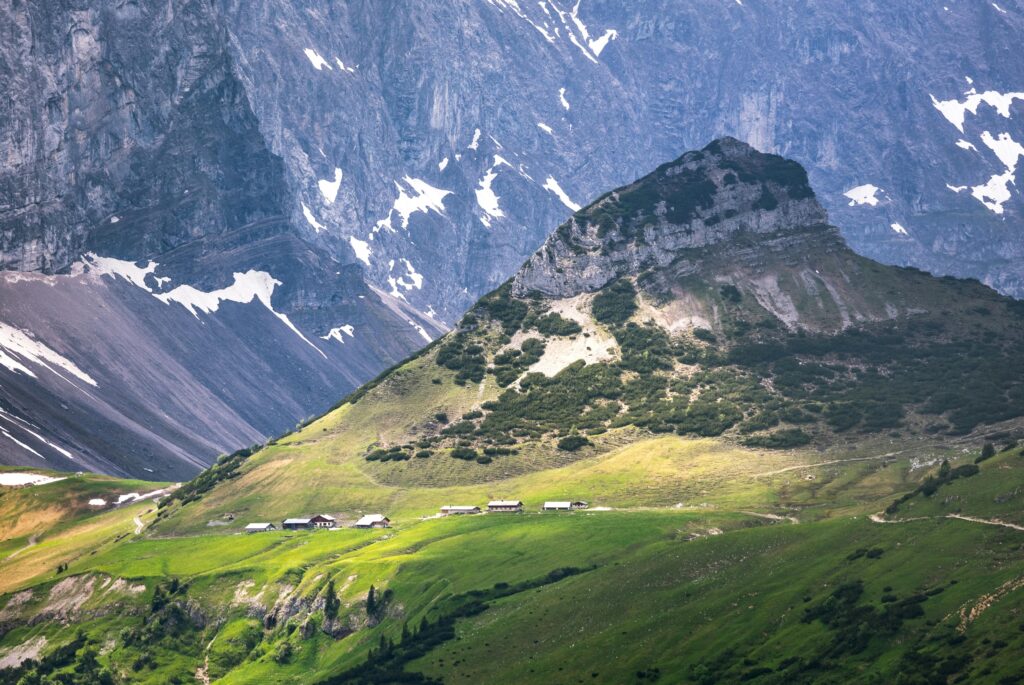
Hut-to-hut hiking in Austria blends adventure with comfort in a way few other places can.
You can trek through dramatic alpine landscapes without worrying about tents or cooking stoves.
You also get camaraderie with hearty food and the joy of waking up each day to a new horizon.
For those of you searching phrases like trek Austria, walking Austria’s Alps hut to hut, or Austria hut to hut hiking, just know this: it’s more than a hike.
It’s a cultural experience, which is a chance to slow down, connect with nature, and live a little alpine fairytale.
Conclusion
Hut-to-hut hiking in Austria is a rare combination of challenge and charm.
It gives you the thrill of trekking through high mountains while wrapping you in a blanket of hospitality at the end of the day.
So for those of you who enjoy fresh air, hearty food, and the feeling of being part of something timeless, you’ll be glad to hear that Austria’s hut-to-hut trails are waiting for you to come pay a visit.
And who knows, you might even find yourself humming The Hills Are Alive as you wander from one hut to the next.
Where to Next?
Need a bit more information on the hiking jewel that is Austria? Be sure to check out our range of guides, itineraries best of hike round up article!
Related Country Guides
- Austria Walking Holiday: A more comfortable way to explore Austria through day walks, valleys and alpine towns.
- Best Hikes in Austria: Compare Austria’s best day hikes, mountain routes and scenic trails.
- Eagle Walk Guide: Plan a longer journey through one of Austria’s best-known long-distance trail systems.
- Hut-to-Hut Hiking in Europe: Compare Austria with hut-hiking routes across the wider Alps and Europe.


