

Wales offers a diverse range of walking holidays, from long-distance coastal trails to mountainous routes and gentle countryside paths. You can explore rugged cliffs, hike through national parks, or enjoy quieter inland landscapes filled with rolling hills and historic landmarks.
Most trips work best when you focus on a single region, allowing for a more immersive and relaxed walking experience. This guide will help you choose where to go, decide whether to book a walking holiday or organise your own, and put together a trip that suits your pace.
- Quick Overview: Walking Holidays in Wales
- Choosing the Right Walking Holiday in Wales
- Guided, Self-Guided, or Plan Your Own?
- Why Should You Choose Wales for a Walking Holiday?
- Best Regions and Routes for a Walking Holiday in Wales
- Example Walking Holiday Itineraries in Wales
- Getting to Wales and Walking without a Car
- Where to Stay on a Walking Holiday in Wales
- Typical Costs of a Walking Holiday in Wales
- Best Time of Year for a Walking Holiday in Wales
- Difficulty, Preparation, and What to Bring
- What Else Can You Expect on a Walking Holiday in Wales?
- Common Walking Holiday Mistakes to Avoid
- Frequently Asked Questions
- Where to Next?
Quick Overview: Walking Holidays in Wales
- Best time to visit: Spring to early autumn for most walking holidays; choose dates around your route and the transport available.
- Suggested trip length: Three nights for a short break, or five to seven nights to explore one area at a more relaxed pace.
- Difficulty: Easy riverside walks through to demanding coastal stages and mountain hikes.
- Holiday styles: Guided groups, self-guided packages, or independently planned trips.
- Accommodation: B&Bs, inns, guesthouses, cottages, farm stays and hostels.
- Famous routes: Wales Coast Path, Pembrokeshire Coast Path, Offa’s Dyke Path and Glyndŵr’s Way.
You don’t need to complete a long-distance trail to enjoy a walking holiday. A few well-chosen walks from one comfortable base can be just as rewarding.
Choosing the Right Walking Holiday in Wales
Most walking holidays in Wales are based around a single region or long-distance trail, helping you minimise travel time and settle into a steady rhythm on foot.
Start with the kind of holiday you want, rather than the most famous route. Would you prefer returning to the same pub each evening, or arriving somewhere new with every day’s walk?
The suggested lengths below are for exploring an area or walking selected sections, rather than completing every trail.
| Region or route | Best for | Suggested holiday length | Possible bases | What to consider |
|---|---|---|---|---|
| Pembrokeshire | Dramatic cliffs, wildlife and sea views | 4–7 nights | St Davids, Solva or Tenby | Coastal paths can involve repeated climbs; linear walks need return transport. |
| Eryri (Snowdonia) | Mountain landscapes, lakes and varied day hikes | 4–7 nights | Betws-y-Coed, Beddgelert or Llanberis | Choose a base close to your intended walks; summit plans depend on conditions. |
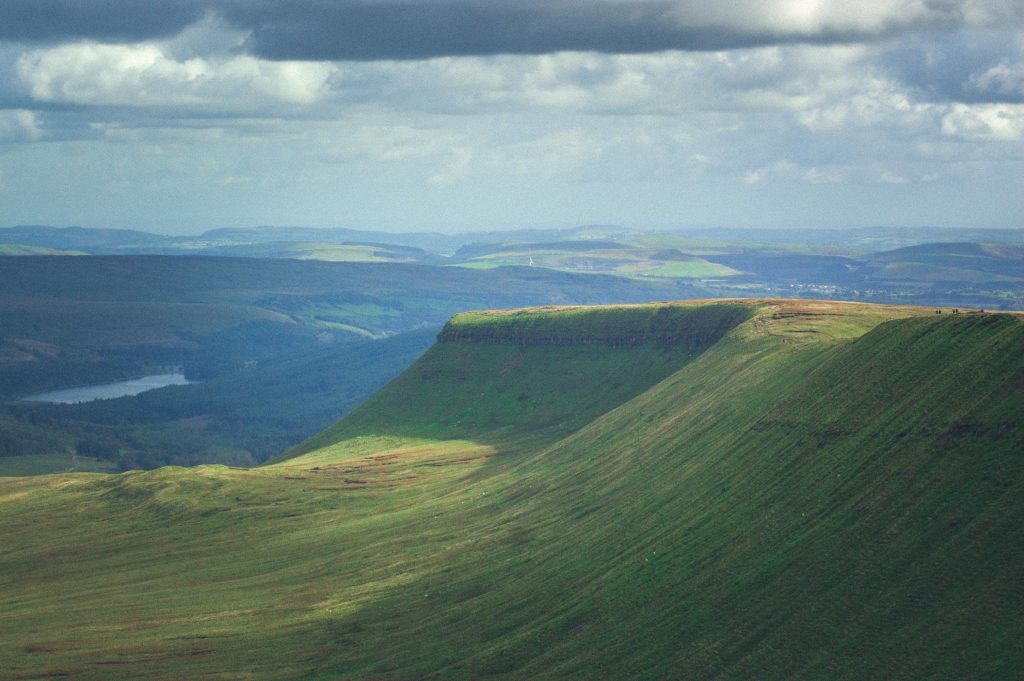
| Bannau Brycheiniog (Brecon Beacons) | A mix of hills, countryside and canal walks | 3–7 nights | Brecon, Crickhowell or Abergavenny | The park includes challenging mountain terrain as well as gentler options. |
| Gower Peninsula | Beaches, headlands and a shorter coastal break | 3–5 nights | Rhossili or a base near your chosen walks | Check transport carefully; crossing Worm’s Head requires tidal planning. |
| Anglesey | Island scenery, coastal sections and heritage | 4–7 nights | Holyhead, Trearddur Bay or Beaumaris | One base won’t put every part of the coast within easy reach. |
| Offa’s Dyke Path | History and walking between overnight stops | 4–7 nights for a selected section | Choose accommodation along your section | Stages vary considerably in ascent and difficulty. |
| Cambrian Mountains and Elan Valley | Quiet landscapes and a sense of escape | 3–5 nights | Rhayader or accommodation near your walks | Remote walks need more preparation; a car can widen your options. |
For a first trip, a holiday based in one town gives you room to adjust. You can take a shorter walk, enjoy a rest day, or change plans when the weather has other ideas.
If you love the sense of travelling somewhere on foot, walking between B&Bs may be a better fit. Just make sure your overnight stops suit the distances you actually want to walk.
“Every hiker starts somewhere — grab your free Hiking for Beginners guide.”
Guided, Self-Guided, or Plan Your Own?
These terms can sound similar, but they describe quite different holidays.
| Holiday style | How it works | Best suited to | Main trade-off |
|---|---|---|---|
| Guided walking holiday | A leader accompanies the walks, usually as part of a group. | Walkers who enjoy company or want help with navigation and local knowledge. | You follow the group’s programme and pace, although some holidays offer different walk grades. |
| Self-guided package | A company arranges the trip, usually including accommodation and route information; luggage transfers may also be included. You walk without an accompanying guide. | Walkers who want independence with less booking and logistics work. | You still need to follow the route and understand the arrangements; inclusions vary. |
| Independently planned holiday | You choose and book the accommodation, walks and transport yourself. | Walkers who want control over their budget, pace and rest days. | You handle bookings, navigation, transfers and any changes. |
A self-guided package doesn’t necessarily mean carrying everything on your back. Many operators move your main bag between accommodation, leaving you with a daypack. Check luggage limits, collection arrangements and what happens if you need to miss a stage.
Planning your own holiday can work particularly well when you stay in one place and take day walks. For a trip with a new overnight stop each day, compare the cost and work involved in booking everything yourself with the convenience of a package.
Before booking, check the daily distances and ascent, meals included, room arrangements, transfers and support available. A headline price tells you only part of the story.
Why Should You Choose Wales for a Walking Holiday?
If you’re searching for a walking holiday filled with breathtaking scenery, fascinating history, and a good sense of adventure, Wales should be at the top of your list.
Wales is home to some of the most iconic walking routes in the UK, including the Wales Coast Path, which follows the country’s coastline. Along the way, the landscape changes from rugged headlands and sandy bays to harbour towns and quieter coastal stretches.
Do you prefer something more relaxed? Then you’ll be glad to hear that countryside paths, canal walks and shorter coastal outings can provide a gentler pace, perfect for soaking up the beauty of the Welsh landscape.
What sets Wales apart is its deep connection to history and culture. Along your walk, you’ll encounter ancient castles, medieval ruins, and villages where the Welsh language and traditions are still very much alive.
Add to that the warmth of the Welsh welcome, cosy inns, and the chance to indulge in hearty local dishes like cawl and bara brith, and you’ve got the perfect mix for a fun walking holiday.
Best Regions and Routes for a Walking Holiday in Wales
Pembrokeshire and the Wales Coast Path
Wales’ coastline is a treasure trove for walkers. The Wales Coast Path stretches for 870 miles, so most visitors choose a section rather than trying to take on the entire route.
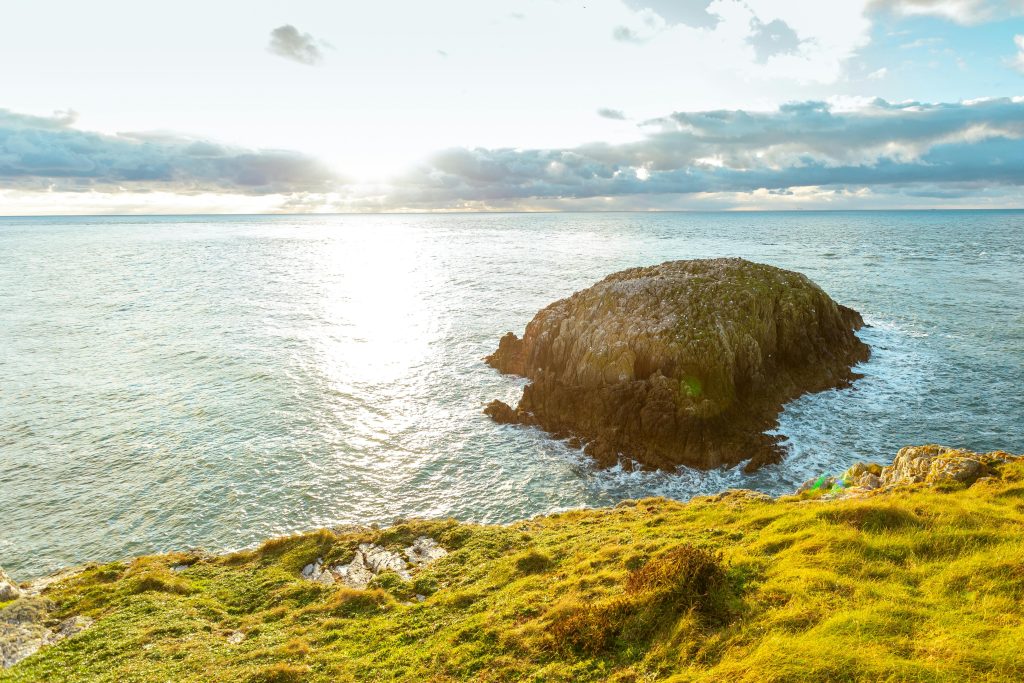
Pembrokeshire is a standout choice for dramatic cliffs, sheltered coves and sea views. You can build a holiday around St Davids and Solva, or choose overnight stops along a section of the coast path.
Keep an eye out for seals in the coves and seabirds along the cliffs. If puffins are high on your wish list, research a seasonal visit to Skomer rather than expecting to see them on any mainland walk.
St Davids suits a holiday exploring the peninsula, with the cathedral and local cafés adding variety between walks. Solva offers a harbour setting and nearby coastal paths, while Tenby gives you a different base for exploring southern Pembrokeshire.
What to consider: Coastal walking isn’t automatically easy. Repeated descents into coves and climbs back onto headlands can make a day more tiring than the distance suggests. For linear walks, organise the return journey before setting off.
Eryri (Snowdonia)
Eryri National Park is one of the most iconic walking destinations in Wales, known for its rugged mountain scenery, glacial lakes, and dramatic valleys.
The most famous route is the climb up Yr Wyddfa (Snowdon), but there’s much more to a walking holiday here than reaching one summit. Walkers can explore Cwm Idwal, riverside paths near Beddgelert, and woodland walks around Betws-y-Coed.
Betws-y-Coed makes a useful base for a mix of local walks and trips into the mountains. Beddgelert suits walkers drawn to the Glaslyn valley and nearby trails, while Llanberis is worth considering if Yr Wyddfa is a central part of your plans.
What to consider: All six main routes to Yr Wyddfa’s summit are graded hard or strenuous by the park authority. A popular path is still a mountain walk. Include alternatives and choose your summit day around conditions, rather than a fixed place in the itinerary.
Bannau Brycheiniog (Brecon Beacons)
Bannau Brycheiniog is a walker’s haven. It has everything from gentler valley outings to challenging ascents.
For a quieter day, consider a suitable section of the Monmouthshire and Brecon Canal. For a hill walk, Sugar Loaf offers wide views across the surrounding countryside, although the climb still needs a realistic assessment of your fitness and the conditions.
Brecon, Crickhowell and Abergavenny are possible bases, but each gives access to a different selection of walks. Choose your routes first, then look for somewhere convenient to stay.
What to consider: Don’t treat the whole park as an easy countryside destination. Match the individual walks to your ability, and avoid booking accommodation that leaves you with a long drive before every outing.
The Gower Peninsula
The Gower Peninsula offers some of the country’s most stunning coastal walks. Rhossili Bay brings sweeping sands and views towards the iconic Worm’s Head rock formation, while Three Cliffs Bay offers another rewarding outing.
A shorter holiday works well here if you want time for beaches, walking and relaxed evenings without moving accommodation every day.
What to consider: Viewing Worm’s Head from the mainland and crossing onto it are different outings. The crossing is tidal: check the local lookout’s advice and crossing window, and allow time to return safely. You can enjoy the coastline without making the crossing.
Anglesey
The Anglesey Coastal Path offers changing island scenery, from cliffs and dunes to farmland and quieter bays. South Stack is a highlight for sea views and seabirds, while walks around Trearddur Bay give you another way to explore the island’s coast.
Choose a few sections close to your accommodation, or arrange overnight stops if you want to make progress around the island. A holiday combining walks with ancient sites and small towns can be just as enjoyable as completing a set mileage each day.
What to consider: Anglesey’s lower hills don’t make every walk flat or sheltered. Coastal exposure, uneven ground and transport between sections still matter.
Offa’s Dyke Path
If you’re looking for a walk steeped in history, Offa’s Dyke Path is a must. This 177-mile National Trail follows the border country of Wales and England, taking in varied landscapes and sections of the ancient earthwork associated with King Offa.
Don’t worry, you don’t have to tackle the whole thing! Choose a section that fits your time and preferred daily distances, then arrange overnight stops along the way.
Hay-on-Wye can add bookshops and a relaxed town stop to a walking holiday, while other sections bring wooded valleys, open hills and historic landmarks.
What to consider: The trail’s character changes considerably. Choose a particular section for its terrain and accommodation options rather than assuming that the whole route has one difficulty level.
Explore More Walking Routes in Wales
If you’re planning more hikes across the country, these guides explore more of Wales’ best walking regions and trails:
- Ultimate Guide to Hiking in Wales
- Best Hikes in Wales
- Hiking Guide to North Wales
The Cambrian Mountains and Elan Valley
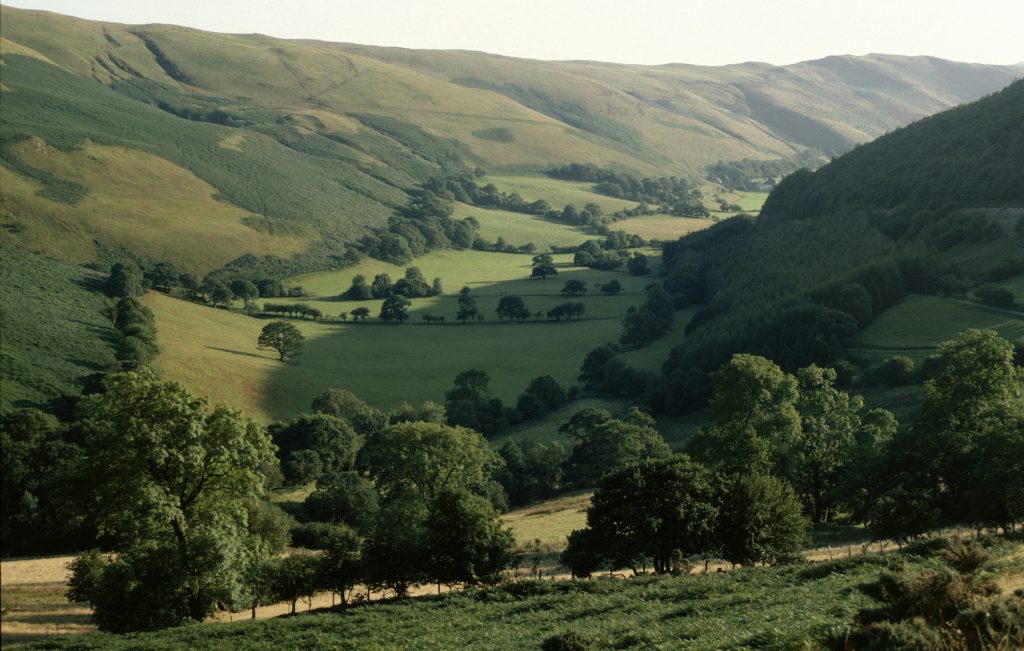
The Cambrian Mountains are a quieter choice for walkers looking for solitude and wide-open landscapes. Remote moorlands, reservoirs and small settlements offer a different experience from the better-known mountain and coastal destinations.
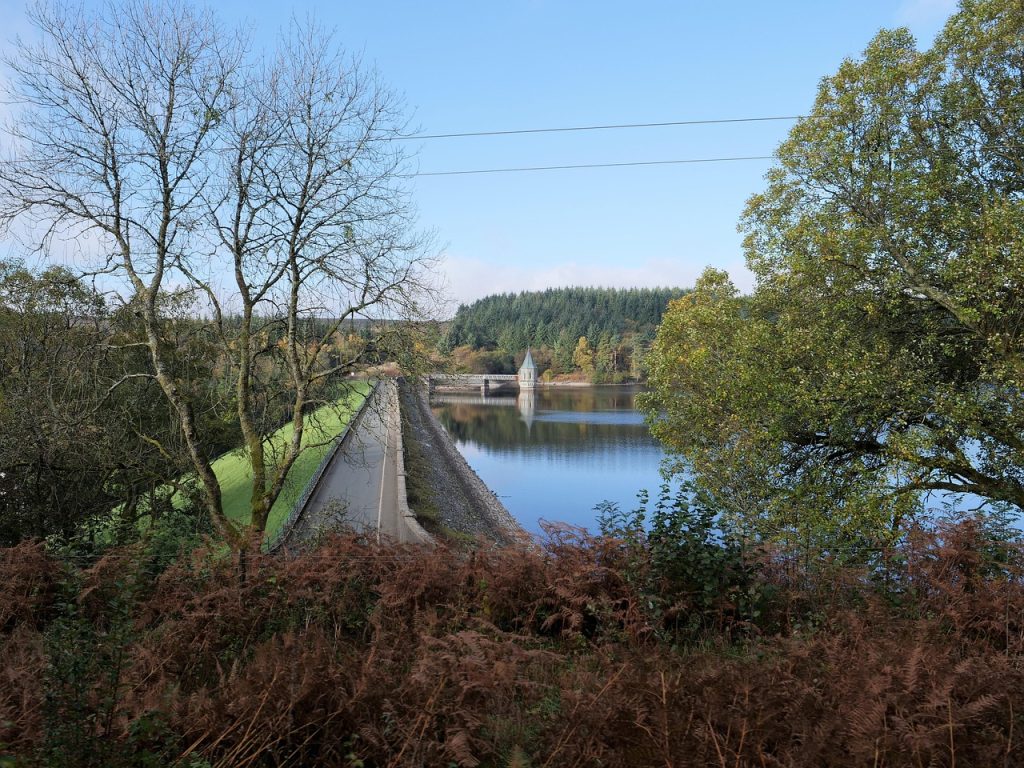
Elan Valley combines moorland beauty with engineering marvels. Walks around its reservoirs and Victorian dams can bring peaceful picnic stops and panoramic viewpoints, with Rhayader a possible base for exploring the area.
What to consider: Choose a published route with a clear distance and terrain description. Reservoir-side scenery doesn’t guarantee a gentle circuit, and remote moorland walks require more navigation and preparation. Check access to your chosen walks before booking a rural stay.
Glyndŵr’s Way
For walkers who want a quieter trail with a strong sense of Welsh history, Glyndŵr’s Way offers a unique experience through the heart of mid-Wales.
Named after the Welsh prince Owain Glyndŵr, this 135-mile National Trail passes through rolling countryside, remote hills, and small market towns where Welsh culture still feels deeply rooted.
Choose a shorter section if you don’t have time for the complete route. Machynlleth can make a rewarding stop, with its historic connections and independent shops adding something beyond the walking.
What to consider: The quieter setting comes with more planning. Check accommodation, food supplies and transport for each stage before committing to daily distances.
Example Walking Holiday Itineraries in Wales
Here are two ways a trip might come together without spending half your holiday travelling between regions. These are suggested combinations of published walks, rather than accounts of a personally tested holiday.
Distances refer to the linked routes and exclude travel or extra walking from your accommodation. Follow the official maps and directions, and allow extra time for breaks and conditions.
A Five-Day Coastal Holiday around St Davids
Base: St Davids for four nights.
Style: Day walks from one base.
Transport: A car or pre-arranged taxis offer flexibility; a trip using buses needs checking against your dates and the exact trailheads.
| Day | Suggested plan | Distance and time | Practical details |
|---|---|---|---|
| 1 | Arrive, settle in and explore St Davids. | Keep the walking short and flexible. | Visit the cathedral or enjoy a relaxed evening before the coastal walks. |
| 2 | Follow the park authority’s St David’s Head walk from Whitesands. | 7.9 km / 4.9 miles; around 3 hours. | Rugged coast and hills; arrange travel to and from Whitesands. |
| 3 | Walk the National Trust’s Treginnis circuit from Porth Clais. | 9.6 km / 6 miles; published walking time around 3 hours. | Moderate route; allow longer for stops. The distance excludes access from St Davids. |
| 4 | Choose the longer Porthgain–Whitesands coast-path stage. | 16.1 km / 10 miles; allow approximately 5–7 hours as a planning estimate. | A more demanding day. Arrange transport at both ends in advance; use a shorter walk if it doesn’t suit your pace. |
| 5 | Explore Solva before departing. | The park’s Gribyn headland circuit is 1.3 km / 0.8 miles; allow roughly 45–60 minutes with stops. | Short but steep in places. Allow time to travel onward after your walk. |
Use the official routes for St David’s Head, Treginnis, Porthgain to Whitesands and Solva.
For a shorter break, use the arrival day, one coastal walk and departure day. To extend it to a week, add a rest day and another published walk that suits your ability. There’s no need to make every day longer than the last.
A Five-Day Mountain and Valley Holiday in Eryri
Base: Beddgelert for four nights.
Style: A mix of shorter walks and one more challenging day.
Transport: This example assumes a car or arranged transfers for walks away from the village, particularly Ogwen.
| Day | Suggested plan | Distance and time | Practical details |
|---|---|---|---|
| 1 | Arrive and follow the Gelert’s Grave riverside walk. | 1.6 km / 1 mile; 40–60 minutes. | A gentle introduction from Beddgelert. |
| 2 | Travel to Ogwen for the National Trust’s Cwm Idwal walk. | 4.8 km / 3 miles; around 3 hours. | Moderately strenuous, with rough and steep sections. A short distance doesn’t make this an easy stroll. |
| 3 | Take a rest day or repeat a short local walk. | Flexible. | Keep space for cafés, village exploring and changes in the weather. |
| 4 | Follow the Aberglaslyn, Llyn Dinas and Cwm Bychan circuit. | Approximately 9.1 km / 5.7 miles; allow about 4–5 hours as a planning estimate. | Challenging terrain. Use the official route starting at Nantmor and arrange access; choose a gentler alternative if needed. |
| 5 | Enjoy a relaxed morning in Beddgelert before departing. | Optional short walk. | Leave enough time for the journey home. |
Use the National Trust’s directions for Gelert’s Grave, Cwm Idwal and Aberglaslyn, Llyn Dinas and Cwm Bychan.
If Yr Wyddfa is a priority, extend the holiday and plan a suitable summit route separately. Keep the day flexible and don’t substitute a mountain ascent simply because it looks like a similar distance on paper.
“Turn your dream trek into a plan — get your free Plan Your Own European Walking Holiday ebook ”
Getting to Wales and Walking without a Car
A walking holiday without a car is possible, but it works best when you choose the walks and transport together.
In Pembrokeshire, rail gateways include Haverfordwest, Fishguard Harbour, Tenby and other coastal stations. Your best arrival point depends on where you’re staying. St Davids requires an onward journey by bus or taxi; it isn’t a railway destination.
Coastal buses can help you walk a linear stage and return to your accommodation, but some services are seasonal or infrequent. Check the park authority’s public transport guidance and the current timetable before settling on an itinerary.
In Eryri, Sherpa’r Wyddfa buses provide access around Yr Wyddfa, while services to Ogwen connect with places including Bangor and Betws-y-Coed.
These networks serve different journeys, so don’t assume one bus covers every walk. Use the park’s getting around guidance to check your options.
For any linear walk, check the last return service and consider taking transport to the start, then walking back towards your accommodation. That can make for a more relaxed day than trying to finish in time for the final bus.
A car offers more choice for remote walks and rural stays, but it doesn’t solve every problem. Parking at the start of a linear route still leaves you needing a way back.
Where to Stay on a Walking Holiday in Wales
Where you stay can add a whole new dimension to your experience. Imagine finishing a day on the Pembrokeshire Coast Path and settling into a seaside cottage in Solva or St Davids, or waking up in a stone farmhouse with rolling hills as your backdrop.
Those cosy hideaways are part of the appeal, but location matters just as much as character.
Staying in One Place
A B&B, cottage or guesthouse makes a useful base if you want day walks, flexible plans and the occasional rest day. You unpack once and can adjust the walking to suit how you feel.
Check the distance to your chosen trailheads, access to evening meals, parking or nearby bus stops, and somewhere to dry wet clothing. A charming rural cottage may be less convenient if every walk and dinner needs a drive.
Moving Accommodation along a Trail
Walking between inns and guesthouses offers the satisfaction of reaching a new place each evening. For Offa’s Dyke, Glyndŵr’s Way or a coastal section, build the stages around available overnight stops.
Check how far each stay is from the trail. Extra walking at the end of a long day can make a bigger difference than you expect. If luggage transfers are part of your plans, confirm they serve every accommodation before booking.
Farm stays, mountain lodges and shepherd’s huts can offer a wonderful retreat, but compare the practical details too. A comfortable bed, a hearty breakfast and a nearby evening meal are a lovely combination after a day outside.
Typical Costs of a Walking Holiday in Wales
Costs vary with the season, region, accommodation and how much you organise yourself. Rather than treating one weekly price as a rule, work out the cost of your actual trip.
Here’s an illustrative budget, not a set of live quotes, for two people sharing a room on an independently planned seven-night holiday. It assumes breakfast is included and that you already own your walking gear.
| Item | Budget assumption | Cost per person |
|---|---|---|
| Accommodation | £100–£160 per room per night, shared by two people | £350–£560 for seven nights |
| Lunch and dinner | £25–£40 per person per day across eight days | £200–£320 |
| Local transport | An allowance for buses and some shared taxis | £50–£150 |
| Illustrative total | Accommodation, food and local transport | £600–£1,030 |
This excludes travel to Wales, car hire, fuel, parking, luggage transfers, paid attractions and additional drinks. A solo traveller paying for a room alone may spend considerably more on accommodation.
For organised trips, compare quotes for the same number of nights, walking days and room arrangements. Check whether meals, luggage transfers and local taxis are included.
Published packages can begin with short breaks of a few nights and extend to much longer trail holidays, so a “from” price isn’t a reliable weekly comparison.
Organising your own holiday may reduce costs, but it isn’t automatically cheaper once transfers and luggage arrangements are added. Staying in one base, sharing accommodation and mixing pub meals with simpler lunches gives you more control over spending.
Best Time of Year for a Walking Holiday in Wales
Wales can be walked year-round, but conditions vary by season and location. A sheltered valley and an exposed mountain can feel very different on the same day.
Spring brings lengthening days and fresh colour in the landscape. It can be a lovely time for coastal and countryside walks, although mountain conditions and seasonal transport still need checking.
Summer gives you the longest daylight hours and more room for leisurely days. Popular coastal towns and mountain routes can be busy, so arrange accommodation early and expect company at the best-known spots.
Autumn brings seasonal colours and the chance of quieter paths. Check daylight and transport carefully as the season progresses, particularly if your holiday depends on coastal buses.
Winter suits shorter, carefully chosen outings for walkers prepared for the conditions. High mountain routes can require winter skills and equipment, while exposed coastal paths can be unpleasant in strong winds.
For a first walking holiday, start by looking at late spring or early autumn dates, then check whether the accommodation and transport work for your chosen region. No season guarantees dry weather, so leave room to change plans.
Difficulty, Preparation, and What to Bring
The right walking holiday should leave you pleasantly tired, rather than wondering how you’ll manage the next day.
Look beyond distance. Check ascent, surface, exposure and the number of consecutive walking days. A short mountain route can be tougher than a longer valley walk, and coastal paths can add plenty of climbing without reaching a high summit.
Before travelling, try walking on consecutive days in the footwear you plan to use. If you’re new to multi-day trips, keep the first few days manageable and include a rest day or shorter alternative.
For most day walks, a basic kit includes:
- Comfortable walking footwear with suitable grip.
- Waterproof jacket and trousers.
- Layers for changing conditions.
- A daypack, food and sufficient drinking water.
- A map or reliable route information, with an offline navigation option.
- A charged phone and backup power where needed.
- A small first-aid kit and any personal medication.
- A headtorch, particularly for longer or remote walks.
Check the forecast and route conditions before each outing. In the mountains, use a mountain forecast as well as a town forecast; on tidal routes, check the crossing information separately.
🗒️ Free Checklist: Planning your next hiking trip?? Download our printable hiking checklist to make sure you don’t miss the essentials.
What Else Can You Expect on a Walking Holiday in Wales?
Adventures beyond Walking
A walking holiday in Wales isn’t just about putting one foot in front of the other. It’s also about the unexpected adventures waiting just off the trail.
History buffs will find Wales full of surprises. Along your walks, you might encounter an ancient hillfort, a ruined chapel or a harbour with stories stretching back centuries.
A visit to Harlech or Conwy Castle can add another layer to a North Wales holiday, especially on a rest day.
Then there are the moments of discovery that only a walk can bring. Perhaps you’ll find a quiet beach on the Gower Peninsula, a pub tucked into a village, or an unexpected viewpoint above an Elan Valley reservoir.
From ancient legends to hidden coves, Wales rewards curious walkers. Leave a little space in the itinerary to enjoy what you find along the way.
The Food and Drink Experience
One of the joys of a walking holiday in Wales is discovering its hearty, locally inspired food and drink.
After a day on the trails, there’s nothing better than sitting down to a rustic pub meal or fresh coastal seafood. In Pembrokeshire, look out for crab sandwiches and local seafood, while laverbread offers a taste of a Welsh speciality made from seaweed.
Walking through the countryside, you’ll find pubs offering traditional Welsh comfort food. A steaming bowl of cawl, a hearty stew, is a lovely way to refuel after a hike. Add a slice of bara brith with a cup of tea, and you’ve got another good reason to stop for a break.
Try Welsh rarebit, with its savoury cheese topping on toast, or look out for local ales from Welsh breweries. In Wales, hearty food and warm pubs are part of the walking experience.
On quieter trails, check your evening meal arrangements and buy lunch before setting off. A picnic with a view is much more enjoyable when you’ve remembered to pack it.

Common Walking Holiday Mistakes to Avoid
- Trying to cover too much of Wales in one week. Focus on one region unless travelling between areas is part of the holiday you want.
- Assuming coastal means flat. Check the climbs and descents as well as the distance.
- Booking accommodation before checking the stages. Make sure the overnight stops create walking days you can comfortably manage.
- Leaving return transport until the end of a walk. Check services and arrange taxis before setting off.
- Filling every day with a demanding route. Keep shorter alternatives and time for rest.
- Treating a summit as compulsory. Change the plan when conditions call for it; the mountains will still be there another day.
Frequently Asked Questions
Where Is Best for a First Walking Holiday in Wales?
For a first trip, choose one base with a selection of walks you can shorten or change. Pembrokeshire can suit walkers drawn to the coast, while Eryri offers mountain scenery alongside some shorter valley outings. The individual routes matter more than the region’s reputation.
Can You Organise a Walking Holiday in Wales Yourself?
Yes. Staying in one place and taking day walks is a straightforward starting point: book accommodation, choose published routes, and arrange trail access. A holiday moving between overnight stops needs more coordination, particularly for luggage, meals and transfers.
Does a Self-Guided Walking Holiday Include a Guide?
Usually, no. You walk independently using the information provided by the organiser. Accommodation and luggage transfers may be arranged, but check the exact package and the support available before booking.
Can You Enjoy a Walking Holiday without Climbing Mountains?
Absolutely. You can build a holiday around coastal sections, woodland paths, canal walks and shorter countryside outings. Check each route’s terrain: avoiding a summit doesn’t always mean avoiding steep ground.
How Many Days Do You Need?
A three-night break gives you time for a couple of walks, while five to seven nights allows more variety and a rest day. For a long-distance trail, work backwards from the selected section, realistic daily distances and available accommodation.
Where to Next?
Wales isn’t a place to overlook when you’re thinking about a walking holiday. Whether you’re following a cliff path, exploring a mountain valley or settling into a village pub after a day outside, there’s plenty to enjoy at your own pace.
Choose a region that suits the kind of days you want, keep the practical details manageable, and leave a little room for discovery. Wales is waiting for you!
Explore More of Wales
- Ultimate Guide to Hiking in Wales
- Best Hikes in Wales
- Hiking Guide to North Wales
- Cardiff: A City Guide for Hikers
Nearby Walking Holidays


