

Vienna might wear a fancy coat of imperial history and classical music, but underneath, it is a sturdy pair of walking shoes waiting to be laced up.
For hikers and wanderers like yourself, you should be glad to hear that this city offers more than coffeehouse charm and Baroque flair.
Vienna is walkable and wonderfully green, and it’s also surprisingly well-positioned for day hikes and outdoor adventures.
Let’s explore more, shall we?
Best Hikes in Vienna
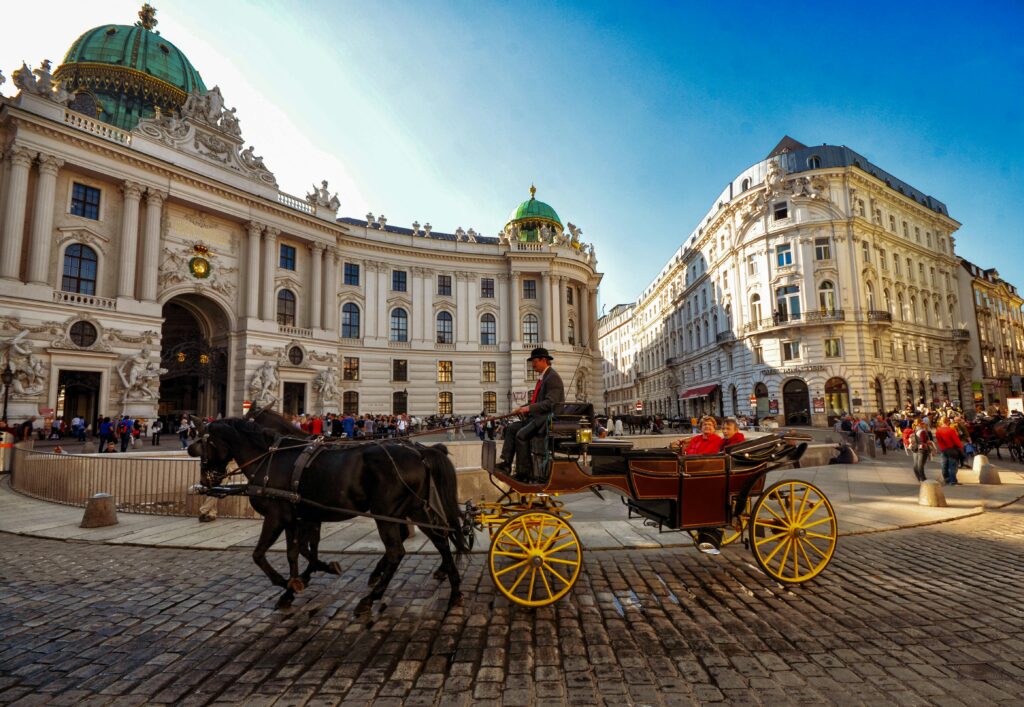
Vienna isn’t just a city you admire from a horse-drawn carriage. It’s one you can explore by boot and backpack.
The local hiking scene is well-loved and well-marked…and also refreshingly varied.
You don’t need to leave the city to feel like you’ve escaped it, which is one of the biggest perks for hikers using Vienna as a base.
For more detailed info on the below hikes (and others) don’t forget to check out 8 of the Best Hikes Near Vienna That You Won’t Want To Miss Out On!
“First time on the trail? Hiking for Beginners has your back.”
Stadtwanderwege: The Local Legends
Vienna’s Stadtwanderwege (City Hiking Trails) are a series of officially maintained routes that circle and dip through different parts of the city and its outskirts.
There are 14 in total that range from easy vineyard strolls to longer forest trails with solid elevation.
Stadtwanderweg 1 is a fan favorite that starts at Nussdorf and winds up through the vineyards of Kahlenberg for panoramic views over the Danube and the entire city.
Stadtwanderweg 4a is another gem, and it takes you through the peaceful paths of the Vienna Woods.
Kahlenberg and Leopoldsberg
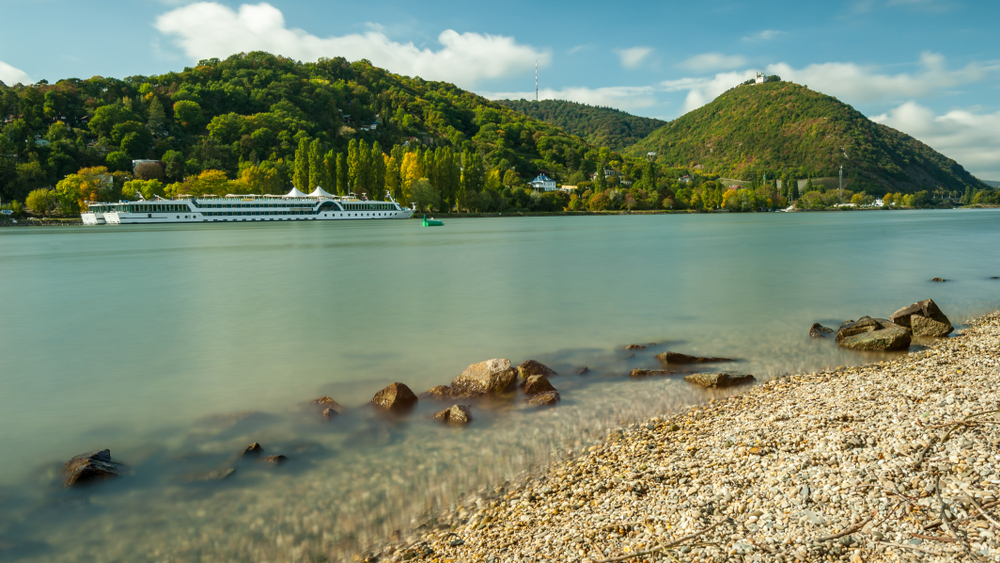
If it’s views you’re after, Kahlenberg and its neighbor Leopoldsberg deliver.
These forested hills to the north of the city are crisscrossed with hiking paths that reward you with sweeping views over Vienna and the Danube Valley.
You can make a loop, finish at a heuriger (local wine tavern), and be back in the city for dinner!
Lainzer Tiergarten: Wildlife and Imperial Quiet
This former imperial hunting ground in the west of Vienna is now a protected nature reserve. It’s great for hikers who want a more woodsy and peaceful vibe.
Trails lead past wild boar, fallow deer, and the charming Hermesvilla,which was once Empress Sisi’s “castle of dreams.”
The Hubertuswarte lookout tower offers a great view and a decent leg stretch to earn it too.
The Vienna Woods (Wienerwald)
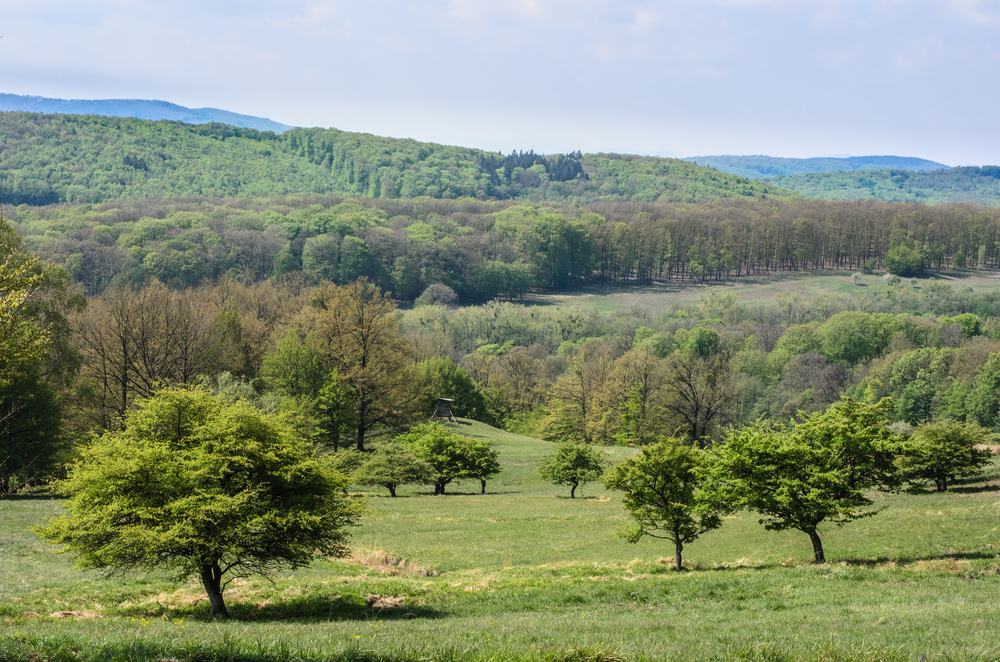
Technically part of the Eastern Alps, the Vienna Woods form a clear green belt around the city’s edge.
Easily reached by public transport, these trails offer longe and more rugged hiking options, and often with fewer crowds.
Try the trail around Peilstein or the routes near Gumpoldskirchen for a full-day hike that still feels local.
Bonus: Vineyard Walks
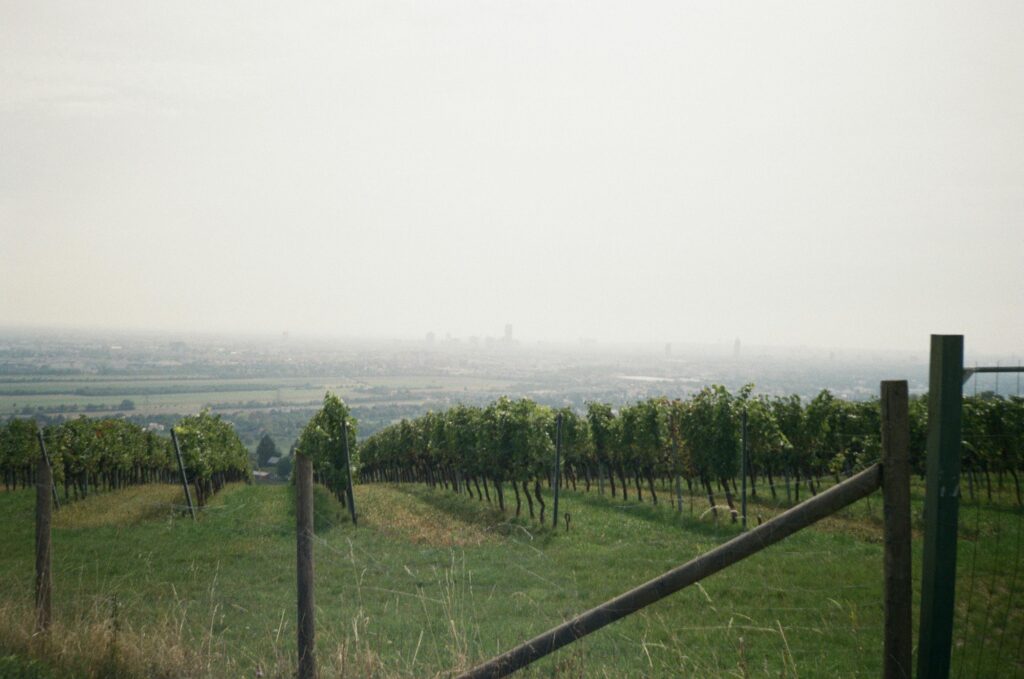
For those of you who like your hikes with a side of wine, the routes through Grinzing and Neustift am Walde are most ideal.
These gentle vineyard paths offer some of the most scenic urban-edge walking you’ll find, and especially during autumn when the leaves turn golden and the wine flows freely.
Walking Holiday in Vienna
If you’re the sort who prefers to pack comfortable shoes over fancy outfits, Vienna is your kind of city.
It’s compact, it’s just and green, and yes, it’s absolutely layed out for walking.
Sidewalk cafés, leafy boulevards, and hiking trails that practically start at tram stops make Vienna one of Europe’s best choices for a walking holiday that will feel invigorating and refreshing.
You can start your morning wandering past Habsburg palaces and quiet courtyards, and then take a detour through a sprawling park, and then end your afternoon hiking through vineyards or into the nearby woods.
Looking for a broader Austrian getaway? Be sure to read our Walking Holiday in Austria article to see if its the right country for you!
The seamless blend of city and nature means you don’t need to choose between museums and mountain air. You get both, and often on the same day.
Thanks to a top-notch public transport system and an abundance of trail options, there’s no need to pack up and move between towns.
Vienna lets you unpack once and still get a walking holiday that feels wide-ranging and refreshing.
And if your idea of hiking includes a pastry stop or a glass of Grüner Veltliner at the finish line, well, you’re in the right place.
“Plan less, walk more.” Pick a route, set your pace, and let Europe unfold under your boots: grab your free Walking Holiday ebook today”
Planning a Hiking Trip to Vienna
Hiking in and around Vienna is easy to love, but even better with a few insider tips in your back pocket.
Best Time to Visit
Spring and autumn are prime hiking seasons in Vienna.
April to June brings mild weather, blooming parks, and longer days, while September to early November offers golden vineyards and crisp and clear air.
Summer is doable too, though it can get hot in the city and crowded on popular trails.
Summer hikers should carry extra water and sun protection, particularly on exposed vineyard routes.
Winter is quiet and atmospheric, and especially if there’s snow in the woods, but some trails can be muddy or icy so bring proper gear and check the conditions before you head out.
In winter, waterproof footwear and additional grip may be needed where paths become muddy, snowy, or icy.
For more seasonal ideas, the guide to winter hiking in Austria covers suitable destinations and routes across the country.
Where to Walk in the City
For urban hiking, you’re spoiled for choice in Vienna. The Prater is more than a funfair. It’s a massive park with tree-lined paths and even some hidden trails.
Donauinsel (Danube Island) is another local favorite. It’s a 21-km stretch of flat paths that is perfect for long walks, river views, and picnic stops.
Schönbrunn Palace gardens offer a mix of regal charm and uphill paths to the Gloriette, which is a great city view spot.
Types of Hiking Near Vienna
You’ve got options! Vineyard walks in areas like Grinzing or Nussdorf are ideal for gentle strolls with scenic rewards.
For forest hikes, you should head to the Vienna Woods or Lainzer Tiergarten. Or are you looking for something a little tougher?
The Rax and Schneeberg regions (about 1.5–2 hours away by train) offer alpine hiking that’s still accessible as a day trip.
What to Bring for Hiking in Vienna
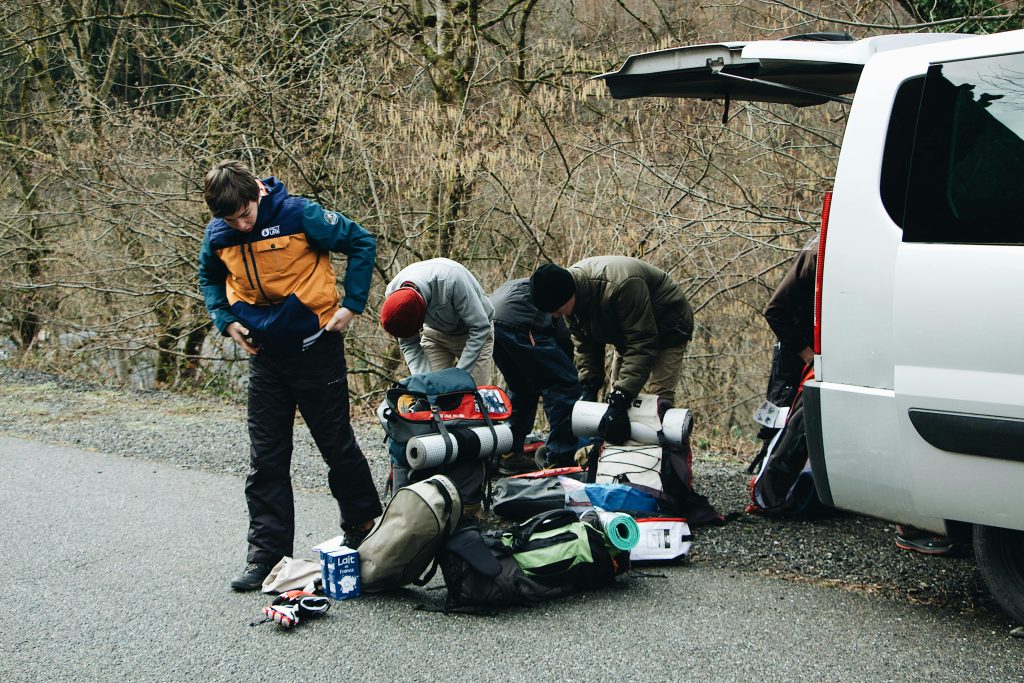
You do not need specialist alpine equipment for most walks within Vienna, but comfortable footwear and a few practical layers will make the day much easier.
For urban walks, vineyard routes, and the Stadtwanderwege, supportive walking shoes or light hiking shoes are usually enough.
Trails in the Vienna Woods can become muddy after rain, so footwear with reliable grip is worth bringing if you plan to explore beyond the paved paths.
During summer, an early start and extra water are particularly important on exposed vineyard trails.
For more demanding day trips to Rax, Schneeberg, or Semmering, bring proper hiking footwear, additional layers, offline navigation, and clothing suited to faster-changing mountain conditions.
Building your hiking kit? Explore the site’s Buyers Guides to hiking footwear, waterproof jackets, daypacks, and other trail essentials.

Public Transport or Car Hire?
No car needed! Vienna’s public transport is efficient and cheap, and it’s laso trailhead-friendly.
U-Bahn, S-Bahn, trams, and regional trains will get you close to most hikes, which are often located within 30 to 60 minutes.
Even further-out spots like Semmering or the Raxalpe are reachable by train and bus, and especially if you plan ahead with ÖBB (Austrian Railways) routes.
Using Vienna as a Hiking Base
Vienna is one of those rare cities where you can start your day with a cappuccino in a chandelier-lit café and still make it to a mountain trail by lunch.
Thanks particularly to its excellent public transport system and central location, it works surprisingly well as a base for hikers looking to explore beyond the city limits.
Getting to the Vienna Woods
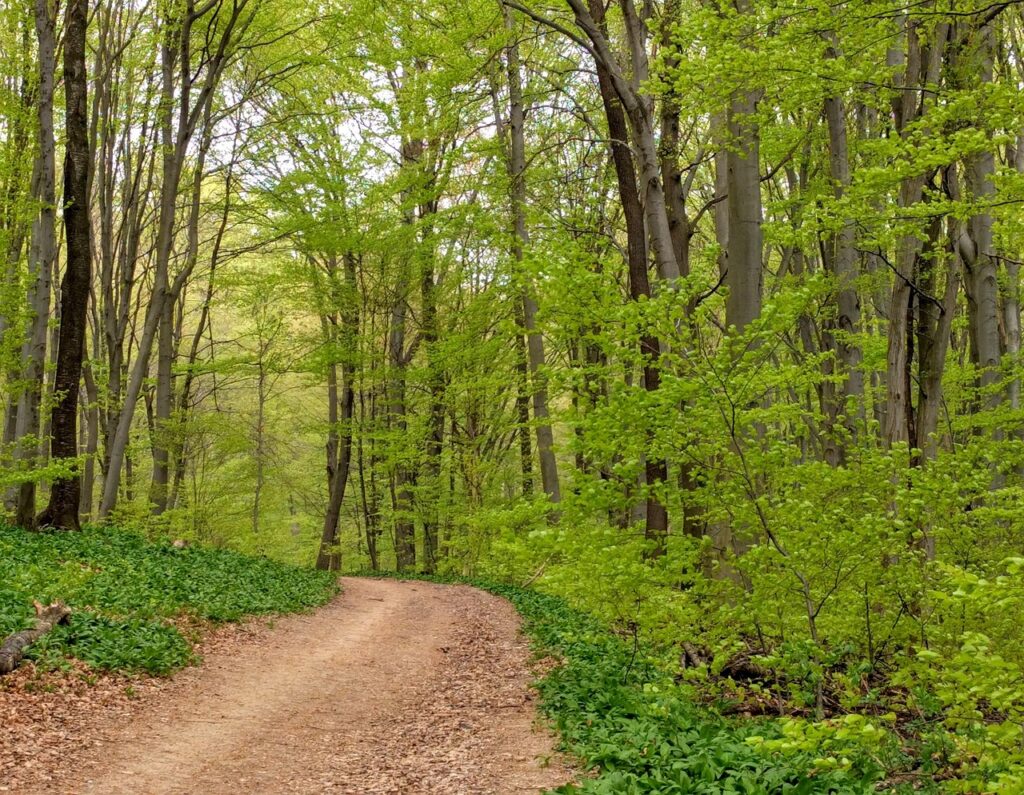
The Vienna Woods (Wienerwald) are practically part of the city’s backyard. You can hop on a tram, bus, or S-Bahn and be on a forest trail within 30 minutes.
Popular entry points include Nussdorf, Hütteldorf, and Neuwaldegg.
The local Stadtwanderwege (city hiking trails) network starts right from these spots and it’s also clearly signposted so you shouldn’t miss it.
Day Trips to the Alps: Rax and Schneeberg
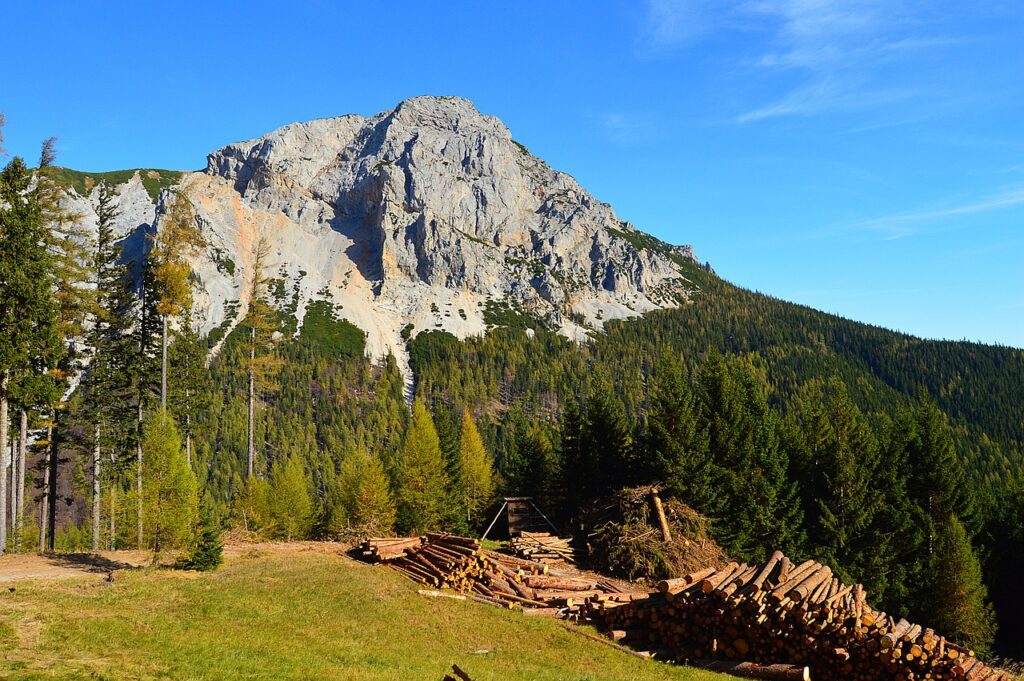
Do you want something a bit more alpine? The Raxalpe and Schneeberg regions offer proper mountain hiking with views, elevation, and cable cars…and they’re still accessible as day trips.
The trains from Wien Hauptbahnhof or Meidling take you to Payerbach-Reichenau or Puchberg am Schneeberg in around 90 minutes.
From there, the shuttle buses or gondolas can get you up to the trailheads.
These spots are great for those who want to add a touch of the Alps to their itinerary without committing to a full mountain escape.
Semmering Pass and the World’s First Mountain Railway
Semmering is a UNESCO-listed area famous for both its scenic hiking trails and the 19th-century railway that still gets you there.
It’s a great option for medium-grade hiking with forest paths and viaduct viewpoints.
The trains run directly from Vienna in just over an hour, which makes it one of the most rewarding and easy-to-reach spots for a full day out in total.
Wachau Valley: Vineyards, Villages, and Danube Views
For something gentler than a full alpine day, the Wachau Valley combines vineyard paths, wooded hills, historic villages, and wide views over the Danube.
Towns such as Krems, Dürnstein, and Spitz make useful starting points for walks through the surrounding landscape.
Routes range from shorter vineyard loops to longer sections of the Wachau World Heritage Trail, so you can shape the day around how far you want to walk.
The area is reachable from Vienna by train, although some routes may require a local bus, ferry, or additional connection.
It is a strong choice for hikers who want scenery, culture, and a relaxed walking pace without heading into higher mountain terrain.
How to Plan It
Use the ÖBB Scotty app or website for schedules and connections.
Hikes around the Vienna Woods often start and end at public transit stops, while the alpine destinations have shuttle links or trailheads near stations.
For vineyard walks, just take a tram or bus to neighborhoods like Grinzing, Sievering, or Nussdorf.
🗒️ Free Checklist: “Never forget the essentials — grab your free Ultimate Hiking Packing List.”
Conclusion
Vienna is more than palaces and pastries. For hikers and walkers, it is a surprisingly varied destination that combines the accessibility of a capital city with vineyards, forests, riverside paths, and mountain day trips.
You can spend the morning exploring Vienna on foot, follow a city hiking trail into the surrounding hills, or use the excellent transport network to reach the Vienna Woods, Wachau Valley, Semmering, Rax, or Schneeberg.
Whether you want an easy urban walk or a taste of the Austrian Alps, Vienna makes it possible to build an active trip without giving up the comforts and culture of the city.
Where to Next?
Ready to continue planning your time on foot in Austria? These guides are the most natural next steps:
- Best Hikes Near Vienna – Compare the city’s standout trails, vineyard walks, forest routes, and nearby day hikes.
- Hiking in Salzburg State – Explore lakes, valleys, alpine routes, and mountain towns farther west.
- Zell am See for Hikers – Plan a hiking trip around the lake, surrounding peaks, and nearby trail network.
- Innsbruck for Hikers: A City Guide – Discover another Austrian city with direct access to high mountain trails.
- Best Treks in Austria – Move beyond day hikes with a selection of the country’s longer and more demanding routes.


