
Last Edited: 22 November 2026
A walking holiday in Slovenia can be anything from easy lake walks around Bled to hut-to-hut days below Triglav, and the best trips pick one or two regions rather than trying to see the whole country.
If you’re looking for a walking holiday in an often overlooked European country that combines jaw-dropping scenery with some rich history, as well as a nice touch of adventure, Slovenia should definitely be on your radar.
Tucked between Italy, Austria, Hungary, and Croatia, this tiny country is actually a walking paradise, for the simple reasons that it’s packed with scenic trails that take you through rolling hills, alpine meadows, sparkling lakes, and charming medieval villages.
Slovenia may be small, but it’s brimming with these kinds of hidden gems and natural wonders, and it’s all just waiting to be explored on foot. Get ready to experience the magic of this beautiful little country!
- Walking Holidays in Slovenia at a Glance
- Best Regions for a Walking Holiday in Slovenia
- What Can You Expect on a Walking Holiday in Slovenia?
- Guided, Self-Guided or Plan It Yourself?
- How Long Do You Need for a Walking Holiday in Slovenia?
- When Is the Best Time for a Walking Holiday in Slovenia?
- Getting Around
- Costs and What's Included
- What to Pack
- FAQs About Walking Holidays in Slovenia
- Conclusion
- Where to Next?
- Where This Information Comes From
Walking Holidays in Slovenia at a Glance
Most trips last 4 to 7 days in one or two regions, from one base, two bases, hut to hut, or on a long-distance trail such as the Juliana Trail.
You’ll sleep in guesthouses, hotels and farm stays (or huts, in the mountains), and trains and buses link Ljubljana with the main walking bases.
| Region | Best for | Best time | Difficulty | Well-known walks | What to check |
|---|---|---|---|---|---|
| Bled and Bohinj | Easy lake walks | Spring to late autumn | Easy to moderate | Lake Bled loop, Vintgar Gorge, Lake Bohinj | Vintgar Gorge needs a timed ticket booked online, and closes in winter |
| The Soča Valley | River scenery | Late spring to autumn | Easy to moderate | The Soča Trail | The trail is linear, so plan a bus back |
| Triglav National Park | Alpine adventure | June to September | Moderate to very difficult | Triglav | High huts open roughly June to September and take guests by reservation only |
| The Kamnik–Savinja Alps | Quiet mountains and herders’ culture | Summer and early autumn | Easy to challenging | Velika Planina | The Velika Planina lifts close for maintenance each autumn |
| Ljubljana | A city base without a car | Spring and autumn | Easy to moderate | Rožnik, Šmarna Gora | Easiest base for a first or short trip |
| The Karst | Caves and karst villages | Spring and autumn | Easy | Škocjan Education Trail | Cave visits are guided tours with set times |
Best Regions for a Walking Holiday in Slovenia
Most walking holidays in Slovenia centre on the Julian Alps, but the Kamnik–Savinja Alps, Ljubljana and the Karst each make a good trip of their own. Here are the top destinations in Slovenia for a walking holiday:
Lakes and Rivers
For those of you who enjoy peaceful walks beside sparkling lakes and rivers, Slovenia offers some of the most stunning water-based routes, such as…
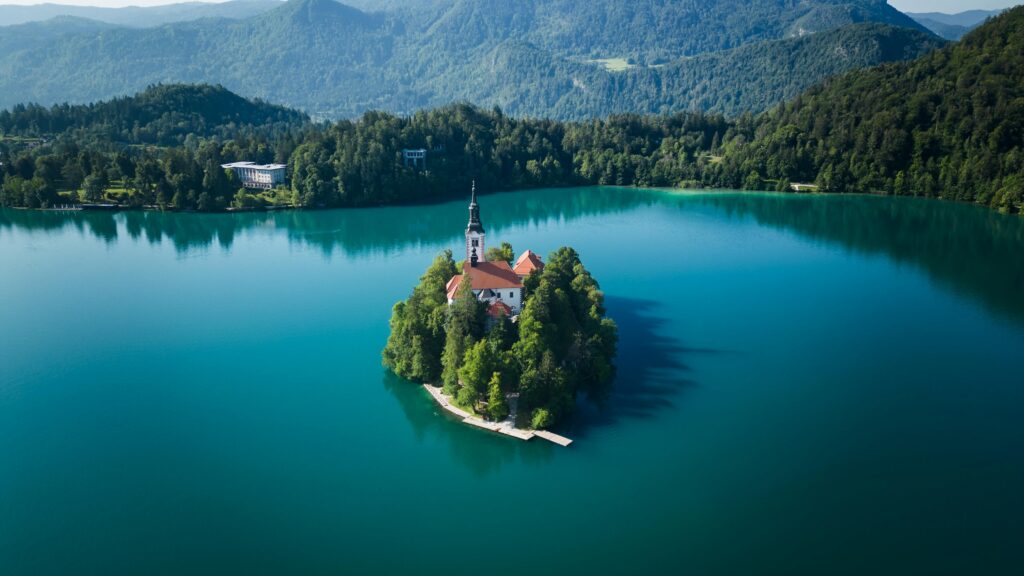
Lake Bled
No trip to Slovenia is complete without a visit to Lake Bled, and for good reason…it’s one of the most picturesque spots in the entire country!
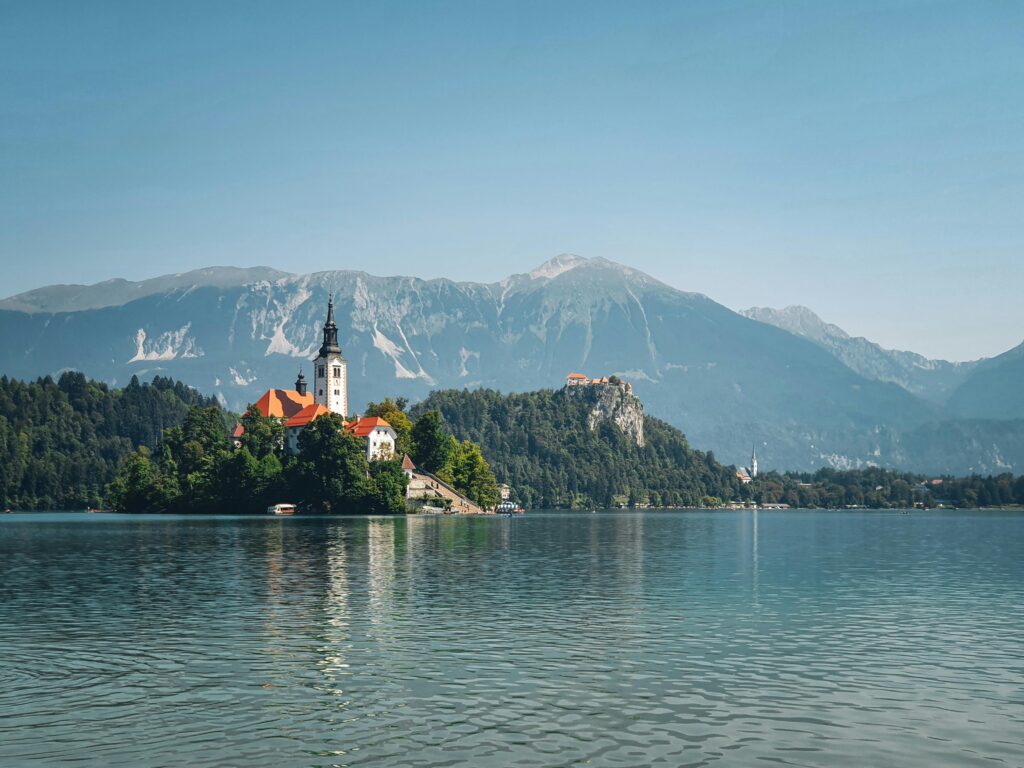
The walking trail that circles the lake offers stunning views of the emerald water, Bled Castle perched high on the cliffs, and the tiny island with its iconic church in the middle of the lake.
The path is easy, which makes it perfect for a leisurely stroll, but the scenery will leave you feeling like you’re walking through a fairytale.
For an extra adventure, you could hop on a traditional “pletna” boat to visit the island itself.
Bled works best as a base for three or four nights, with Vintgar Gorge and the Pokljuka plateau on the doorstep.
The Soča River
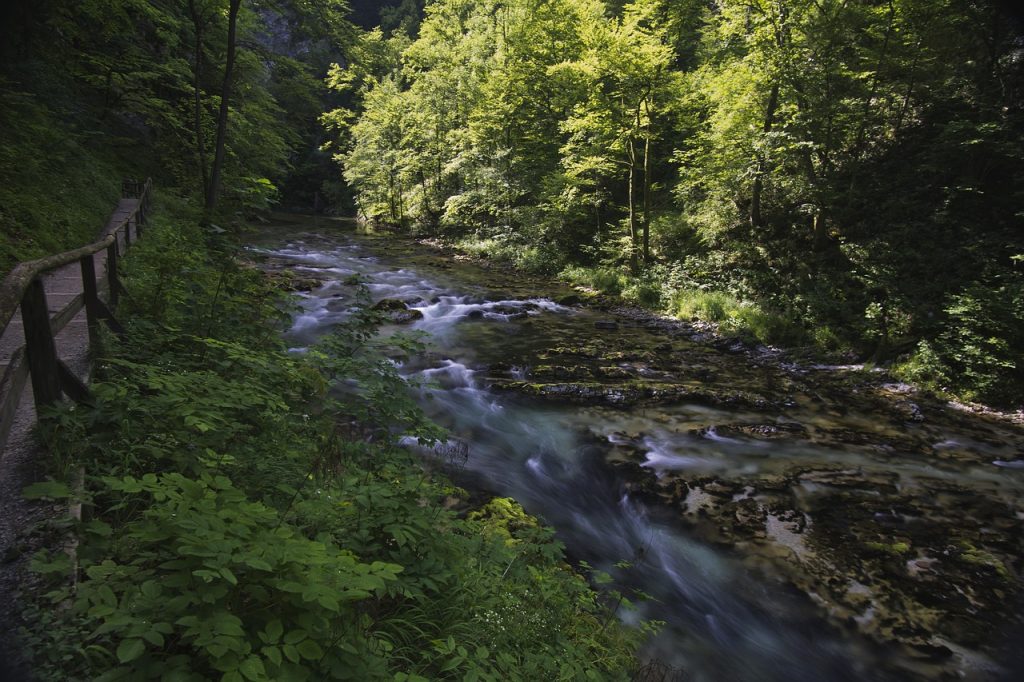
For those of you looking to explore more rugged terrain, the Soča Trail offers a thrilling walking experience along one of Slovenia’s most beautiful rivers.
Known for its crystal-clear turquoise waters and dramatic landscapes, the Soča River is a dream for hikers.
You can follow the river from its source through the Trenta Valley towards Bovec and marvel at the surrounding mountain scenery.
The trail is linear, so most people walk it in sections from a base in Bovec and use the bus to get back.\
Our guide to hiking in the Julian Alps covers Bled, Bohinj and the Soča Valley in more depth.
Mountains
For the adventure seekers and those who enjoy a challenge, Slovenia’s mountains and alpine meadows offer some incredible hiking routes:
Triglav National Park
Triglav National Park is the crown jewel of Slovenia’s natural beauty, and for good reason.
Home to Mount Triglav, which is the country’s highest peak, the park offers a wide range of trails for all levels of hikers.
For the experienced, the ascent to Triglav itself is a thrilling challenge that will reward you with panoramic views of the Julian Alps.
For something less strenuous, you can explore the many lakes, valleys, and rivers within the park.
If your plans include a night in a high hut, book early: the park’s huts take guests by reservation only.
Logar Valley
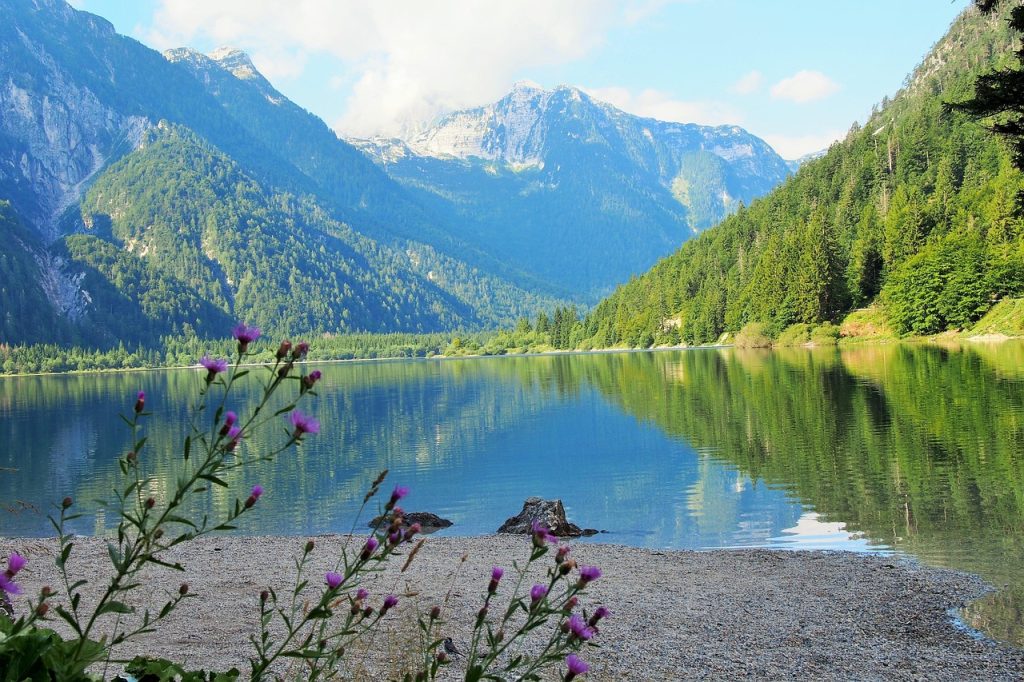
If you’re looking for a peaceful escape into nature, the stunning Logar Valley is one of Slovenia’s most beautiful spots.
This glacial valley is surrounded by towering peaks and lush meadows, which makes it perfect for a serene walk.
The Logar Valley Walking Trail takes you through alpine forests and past traditional Slovenian farmhouses.
You should also head to Rinka Falls, which is one of Slovenia’s most impressive waterfalls and cascades down the valley’s cliffs.
The valley sits in the Kamnik–Savinja Alps, so it pairs well with a few days around Kamnik and Velika Planina.
“First time on the trail? Hiking for Beginners has your back.”
Historic and Cultural Walks
For those of you who like to blend history with nature, Slovenia is rich in cultural heritage that you can explore on foot:
Ljubljana Old Town
Slovenia’s capital, Ljubljana, is a charming mix of old-world charm and modern vibrancy, and walking through its Old Town feels like stepping back in time.
The narrow and cobbled streets are lined with beautiful Baroque architecture, and you can easily stroll past historic landmarks like Ljubljana Castle and the Triple Bridge.
Ljubljana also makes a great base without a car, with forest hills and marshland walks on the city’s edge; see our guide to hiking in Ljubljana.
Predjama Castle
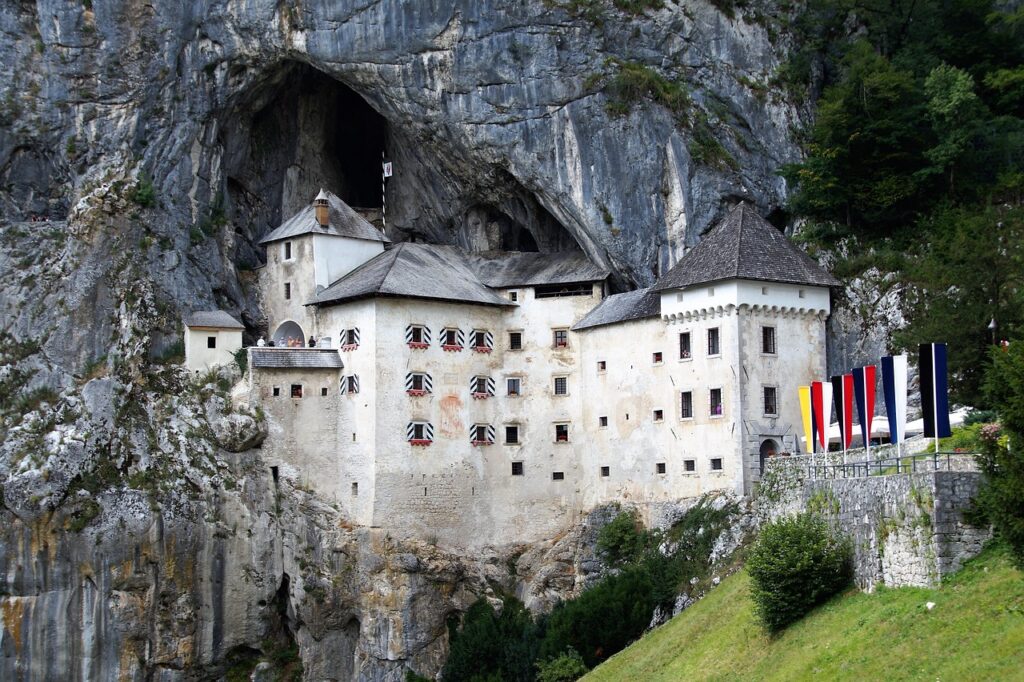
For those of you who are interested in a more historical walk, Predjama Castle is a must-see.
This stunning castle, which is built into a cave mouth, is one of the most impressive sights in Slovenia.
The walk around the castle allows you to marvel at its unique structure and the surrounding landscape, while also offering insight into Slovenia’s rich history. It’s an easy add-on to a few days in the Karst.
What Can You Expect on a Walking Holiday in Slovenia?
Good food, comfortable stays and plenty to do on your rest days. Here’s what you can really expect from a fun walking holiday in Slovenia:
Adventures Beyond Walking
For those of you who want to take your Slovenia adventure to the next level, the country offers plenty of thrilling activities to complement your walking holiday.
If you’re a fan of water sports, rafting on the Soča River is an absolute must. Known for its crystal-clear waters and stunning scenery, the Soča River offers some of the best rafting in Europe.
It doesn’t matter whether you’re a beginner or an experienced rafter because the river’s rapids will get your heart racing as you navigate through the stunning Julian Alps.
For a more relaxed experience, you can try kayaking or paddleboarding on Lake Bled, where you’ll float peacefully on turquoise-looking waters.
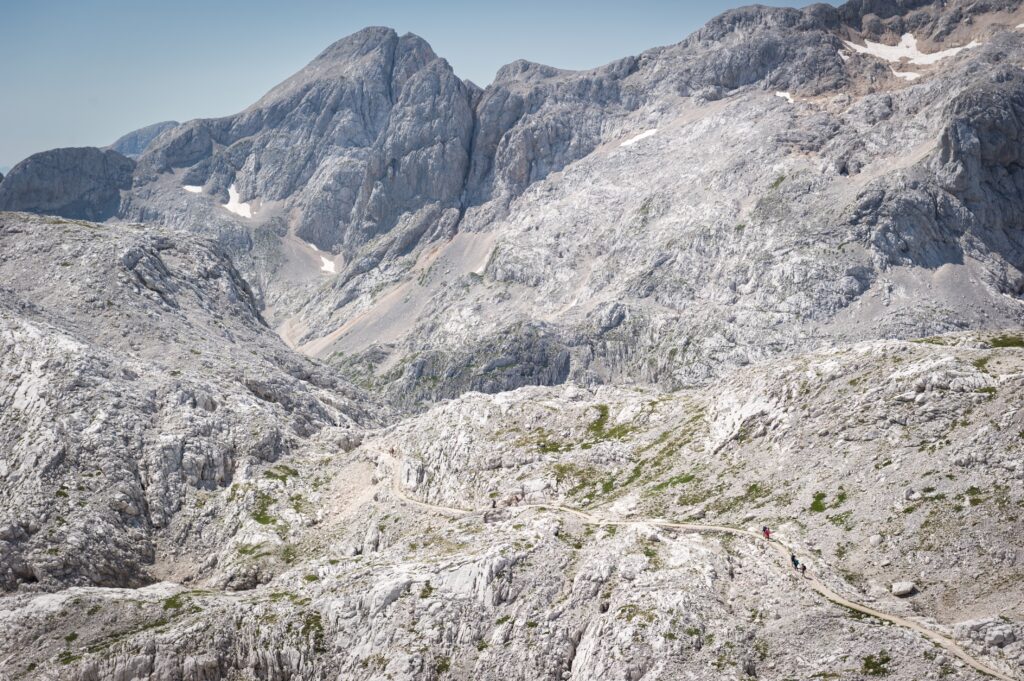
For those of you looking to get a little higher, rock climbing in Slovenia’s rugged terrain offers some of the most thrilling experiences.
The cliffs of Osp in the Karst region are famous among climbers for their challenging routes, and the limestone cliffs of Triglav National Park provide epic climbing opportunities with jaw-dropping views.
If you’re new to climbing, there are plenty of beginner-friendly routes too, so don’t be worried!
If you want to explore Slovenia’s natural wonders from below the surface, caving is a must-try. It’s a little-known fact that Slovenia is home to some incredible karst caves, including the famous Postojna Cave and the Škocjan Caves, a UNESCO World Heritage site.
You can take guided tours through these vast, underground labyrinths, and you’ll get to marvel at the eerie stalactites, stalagmites, and subterranean rivers.
For the ultimate thrill, why not take to the skies with a paragliding adventure over Lake Bled or the Julian Alps? The views from above are nothing short of spectacular.
The Food and Drink Experience
If you’re a foodie, Slovenia is going to win your heart. With its diverse landscapes and rich history, the country’s cuisine reflects a unique blend of Mediterranean, Alpine, and Central European influences.
For those of you who enjoy hearty and comforting meals, žlikrofi (which is a traditional Slovenian dumpling) should definitely be on your list.
These tasty parcels come from the town of Idrija, where they’re known as Idrija žlikrofi, and they’re usually served with a rich meat sauce or gravy.
They’re a perfect warm-up after a chilly mountain hike, and they offer a taste of Slovenia’s rural heart.
For meat lovers, Slovenia’s kranjska klobasa, which is also known as Carniolan sausage, is a must-try.
This smoky and flavourful sausage is made with pork, bacon, and a few carefully selected spices, and this makes it the perfect snack or meal when paired with fresh bread and mustard.
And if you’re a fan of grilled meats, pečenka (a succulent roast pork or beef dish often served with potatoes and sauerkraut) is an essential part of Slovenian cuisine.
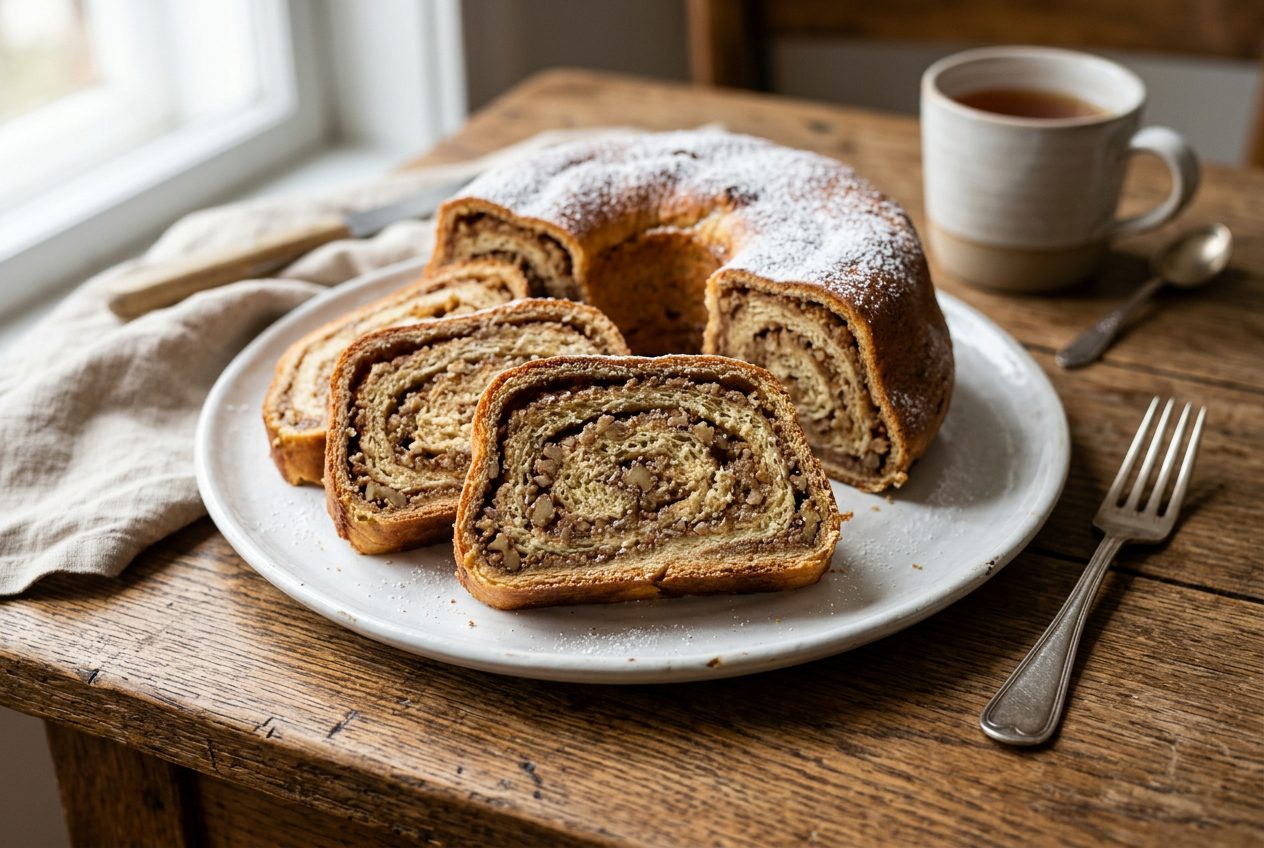
Of course, no Slovenian meal would be complete without potica, which is a delicious nut-filled pastry that’s often served as a dessert.
This traditional sweet is made from a rich and buttery dough filled with a variety of fillings, from walnut to poppy seeds, and it is a favourite here during holidays and family gatherings.
When it comes to drinks, Slovenia’s wine scene is a hidden treat. The country makes some excellent wines, with white wines like Rebula and Pinela standing out for their crisp and refreshing qualities.
If you’re more of a red wine person, Teran is a rich and full-bodied wine from the Karst region that you will want to try.
And let’s not forget Slovenia’s beer culture, which has been booming in recent years.
With numerous craft breweries popping up around the country, you’ll have the chance to sample a wide variety of unique and flavourful beers. Local favourites like Laško and Zlatorog are widely enjoyed, for instance.
Fun Accommodations
Slovenia offers an array of accommodations that perfectly complement the country’s breathtaking landscapes and adventurous spirit.
For those who want to treat themselves to a little luxury, a lakeside hotel near Bled is an ideal choice, combining old-world charm with modern amenities.
The lakeside views are simply stunning, and after a day of hiking, you can relax in a wellness centre or enjoy a delicious dinner on site.
If that’s your style, our look at luxury European walking holidays explains what the extra spend gets you.
If you’re seeking something a bit more rustic but equally charming, you should consider staying at an eco-lodge in Triglav National Park.
These eco-friendly retreats provide the perfect balance of comfort and sustainability. Imagine spending your nights in a cosy wooden cabin surrounded by the serene beauty of the Julian Alps.
Wake up to birds chirping and crisp mountain air, and then you can head out for a hike or a relaxing day by Lake Bohinj.
For a truly unique and immersive experience, why not stay in a glamping tent by Lake Bled?
These luxury camping setups provide all the comforts of a hotel, but with the added benefit of being surrounded by nature.
Think plush bedding, cosy furniture, and private bathrooms, all while being just steps away from the stunning lake.
For those seeking something completely off the beaten path, why not stay in a treehouse in Slovenia’s forests?
These treehouses are built high among the trees, and they offer a true escape into nature. You’ll be surrounded by forest and wildlife, with panoramic views of the landscape.
And finally, if you’re looking for something with a rich cultural twist, try staying in a traditional farmhouse or charming guesthouse in the countryside.
Many of these places are family-owned, and you’ll get the chance to experience Slovenia’s authentic rural life. You might even be invited to join a family dinner or help out with some light farming tasks!
Up in the mountains, nights are spent in huts, where dinner and breakfast are served and you’ll need a sleeping sheet rather than a sleeping bag.
Guided, Self-Guided or Plan It Yourself?
All three work well in Slovenia, because the paths are well marked and the main bases are on bus and rail routes. The choice comes down to how much planning you want to do.
- Self-guided: an operator books your accommodation and gives you route notes, and many arrange luggage transfers between bases. You walk on your own schedule.
- Guided: the same, plus a leader who handles the navigation and, on mountain trips, the safety. Worth considering for Triglav, where the park itself recommends a licensed mountain guide.
- Plan it yourself: you book everything directly, including mountain huts (many book through the Alpine Association’s hut reservation system), which in the Triglav area means booking well ahead.
What’s included varies by operator, so compare carefully.
Our guide to choosing a guided or self-guided walking holiday goes through the trade-offs.
“Plan less, walk more.” Pick a route, set your pace, and let Europe unfold under your boots: grab your free Walking Holiday ebook today”
How Long Do You Need for a Walking Holiday in Slovenia?
Four to seven days covers one or two regions comfortably. Most trips stay in one area to keep travel time low, and it helps to know the main types of walking holiday before you choose between one base, two bases or a long trail.
Here are two sample plans, built from walks with official figures, plus the long-distance option.
Bled and Bohinj in Six Nights
Two bases, six easy-to-moderate walks, and no driving needed once you’re there.
Three nights in Bled, then three in Bohinj, is a classic centre-based walking holiday with a change of scene halfway.
| Day | Walk | Distance | Time | Climb | Where you sleep |
|---|---|---|---|---|---|
| 1 | Around Lake Bled | 6.5 km | 2 h | 33 m | Bled (guesthouse or hotel) |
| 2 | Vintgar Gorge (timed ticket) | 5.7 km | 1 h 50 min | 150 m | Bled |
| 3 | Pokljuka Gorge, from Gorje | 9 km | 3 h | 300 m | Bled |
| 4 | Move to Bohinj; around Lake Bohinj from Ribčev Laz | 11.5 km | 3 h | 100 m | Lake Bohinj (guesthouse or hotel) |
| 5 | Mostnica Gorge, from Stara Fužina (ticketed) | 12 km | 4 h | 240 m | Lake Bohinj |
| 6 | Savica Waterfall, from Koča pri Savici | 1.5 km | 45 min | 140 m | Lake Bohinj |
Tip: You can shorten the Bohinj circuit on day 4 with the lake’s panoramic boat.
Ljubljana and the Kamnik Alps in Four Days
One base, no car, and a mix of city hills and proper mountains, all reached by city or regional bus.
| Day | Walk | Distance | Time | Climb | Where you sleep |
|---|---|---|---|---|---|
| 1 | Rožnik (Cankar’s Peak), from Tivoli Park | 2.7 km | About 1 h | 94 m | Ljubljana |
| 2 | Šmarna Gora via Spodnja Kuhinja, from Tacen (city bus 8) | 1.9 km each way | 1 h 30 min return | 366 m | Ljubljana |
| 3 | Velika Planina by cable car, from Kamniška Bistrica (regional bus) | About 6 km (estimate) | 2–3 h | Small with the cable car | Ljubljana |
| 4 | Krim, from Jezero (city bus 19B) | 7.1 km each way | About 4 h return | 817 m | Ljubljana |
Bus details for each trailhead are on Visit Ljubljana’s hiking trails page.
For more walks from the capital, see our guide to the best hikes in and around Ljubljana.
Long-Distance Trails: Juliana and Alpe-Adria
For a longer trip, the Juliana Trail loops 270 km around the Julian Alps in 16 stages averaging about 17.5 km, and most stages start and finish at a railway station or bus stop.
Our Juliana Trail guide has the stages, so we won’t repeat them here.
For something that crosses borders, the Alpe-Adria Trail runs from Austria through Slovenia to the Adriatic.
Its Slovenian stages go from Kranjska Gora to Trenta and on down the Soča Valley through Bovec to Tolmin, so you can walk a few of them as a week in the Julian Alps.
When Is the Best Time for a Walking Holiday in Slovenia?
June to September if your trip includes the high mountains; May, June, September and October for lakes, valleys and the Karst.
Slovenia’s walking season depends on elevation, with lakeside, city and valley routes open for longer than the higher alpine trails.
| Region or style | Best time | What changes the plan |
|---|---|---|
| High mountains (Triglav, Stol) | June to September | High huts usually open only from June to the end of September; snow lingers on high routes into early summer |
| Lakes and gorges (Bled, Bohinj) | Spring to late autumn | Vintgar closes for winter; Bled is busiest in July and August |
| Kamnik–Savinja Alps | Summer and early autumn | The Velika Planina lifts close for maintenance each autumn |
| Ljubljana and the Karst | Spring and autumn | July days in Ljubljana average around 28 °C |
| Winter | December to February | Better suited to city walks and snowy scenery than classic walking holidays |
Getting Around
You don’t need a car for a walking holiday in Slovenia. Slovenske železnice runs the trains, and intercity buses, run by operators such as Nomago and Arriva, link Ljubljana with the main walking bases.
In season, a free shuttle runs from Bled to Vintgar Gorge, and in Ljubljana, city buses (paid with the Urbana card) reach the trailheads at Tacen and Jezero.
A car helps for remote trailheads and for linking regions in one day, but it isn’t essential for either sample itinerary above.
Costs and What’s Included
Prices vary too much by season, region and operator to quote fairly, so compare these when you’re weighing up a package against booking it yourself:
- Number of nights, and whether they’re in hotels, guesthouses or mountain huts
- Which meals are included (half board is common in huts)
- Luggage transfers between bases
- Transfers to and from Ljubljana Airport and between regions
- Single supplements
- Local tourist taxes
- Entry tickets for places like Vintgar Gorge, Mostnica Gorge and the caves
Packing for several days on the move? Here’s how to pack a hiking backpack like a pro.
What to Pack
- Walking shoes or boots with good grip; boots if you’re heading above the treeline.
- A day pack for water, food and layers.
- A waterproof jacket, because mountain weather changes fast.
- An offline map or navigation app, as signal drops in the deeper valleys.
- A small first aid and blister kit.
- A sleeping sheet if you’ll stay in mountain huts.
- Swimwear for the lakes (but not the high mountain lakes, where swimming is banned).
🗒️ Free Checklist: “Never forget the essentials — grab your free Ultimate Hiking Packing List.”
FAQs About Walking Holidays in Slovenia
Which region is best for a first walking holiday in Slovenia?
Bled and Bohinj. The walks are easy to moderate, the bases are well connected, and you can add a harder day in Triglav National Park if you want one.
Can you organise a walking holiday in Slovenia yourself?
Yes. Paths are well marked and the main bases are on bus routes, so it’s easy to plan independently. The one thing to sort early is any mountain hut, which in the Triglav area needs booking well ahead.
How many days do you need for a walking holiday in Slovenia?
Four to seven days covers one or two regions. The Juliana Trail takes much longer: it’s 270 km in 16 stages.
Can you do a walking holiday in Slovenia using only public transport?
Yes. Both sample itineraries on this page work by bus, and most Juliana Trail stages start and finish at a station or bus stop. The rail and bus operators are covered in the Getting Around section of our guide to hiking in Slovenia.
Is a walking holiday in Slovenia hard?
It doesn’t have to be. Most walks around the lakes and valleys are easy, and almost 99% of the country’s mountaineering trails are graded easy. Triglav is the big exception.
Are mountain huts included in walking holiday packages?
Sometimes. Valley trips usually use hotels and guesthouses; hut nights mainly come into mountain and hut-to-hut trips. Check what each operator includes.
Do you need to speak Slovene?
Not for a walking holiday. Waymarks and signposts are easy to follow without the language, and the Knafelc blaze (a red circle with a white dot) marks mountain paths across the country.
Conclusion
Slovenia may be small, but it’s packed with diverse landscapes and unforgettable experiences, which makes it a very underrated destination for a walking holiday.
From the breathtaking lakes and majestic mountains to charming villages and historic towns, every step you take here will reveal something new!
Where to Next?
If Slovenia has inspired you to explore more of Europe on foot, here’s where to look next.
More in Slovenia
- Ultimate Guide to Hiking in Slovenia: regions, seasons, huts and the rules of the trail.
- Best Hikes in Slovenia: six standout walks with distances and climbs.
- Hiking in the Julian Alps: Bled, Bohinj, Kranjska Gora and the Soča Valley in depth.
More Walking Holidays Nearby
- Walking Holiday in Austria: alps, lakes and hut-to-hut trips over the northern border.
- Walking Holiday in Croatia: coastal paths, islands and national parks to the south.
Plan Your Trip
- Plan Your Own European Walking Holiday: a step-by-step guide to designing your own trip.
Where This Information Comes From
Last checked: 15 October 2026.
- Alpine Association of Slovenia (PZS): mountain huts
- Vintgar Gorge official site
- Visit Ljubljana: hiking trails brochure
- Slovenian Tourist Board: Juliana Trail press release
- UNESCO World Heritage Centre: Slovenia
- Government of Slovenia: national rail and bus services
- LPP Ljubljana city buses


