

Jet Lag can be horrible, throwing your whole sleeping and eating pattern into disarray, disrupting your first few days on vacation, throwing you off work, or generally driving you a bit crazy by waking up at inhuman times.
This article covers jetlag, what it is, and some practical ways to avoid it so you feel more like a human and less like a zombie on the first days of your holiday and for the return trip home.
Understanding Jet Lag
In simple terms, jet lag occurs when a traveller has passed multiple time zones during their travels, and their bodies’ circadian rhythm (science talk for how light and melatonin affect your body clock) has a hard time catching up to the new time shown on your watch and can cause a whole range of issues.
Common Issues Caused by Jet Lag
Jet Lag affects where in time your body thinks it is and, therefore, can cause a variety of discomforts.
You might be out strolling around somewhere in Germany while your internal clock is still trying to figure out why you’re not tucked away in bed back in California.
Some common symptoms include;
- Difficulty sleeping or daytime drowsiness
- Disrupted digestion and bowel function
- Reduced mental and physical abilities
- Generally feeling ‘a bit off’
“Every hiker starts somewhere — grab your free Hiking for Beginners guide.”
Jet Lag Prevention at each stage of Travel
There is no ‘cure’ for jetlag; while some people will barely notice it, it can impact days of another’s holiday; in saying that, though, there are some tips, tricks and medications that can alleviate a lot of the discomfort.
Pre Flight
Preparing for your flight ahead of your booking is a great way to get prepared and ‘front load’ some of the fatigue issues you may experience from jet lag
Sleep
If practical, adjust your sleep schedule a few days before departure to match up more closely with your intended destination’s time zone. Though it can be tempting to skip, it can really kickstart your body’s adaptation to its upcoming environment.
Food and Diet
Keep yourself hydrated and stick to meals your body is familiar with. Adding in a lot of extra fibre or some exotic meals in the hours or days leading up to a flight can lead to some (a lot) of discomfort once you’re 20000 feet up. Speaking from experience here!
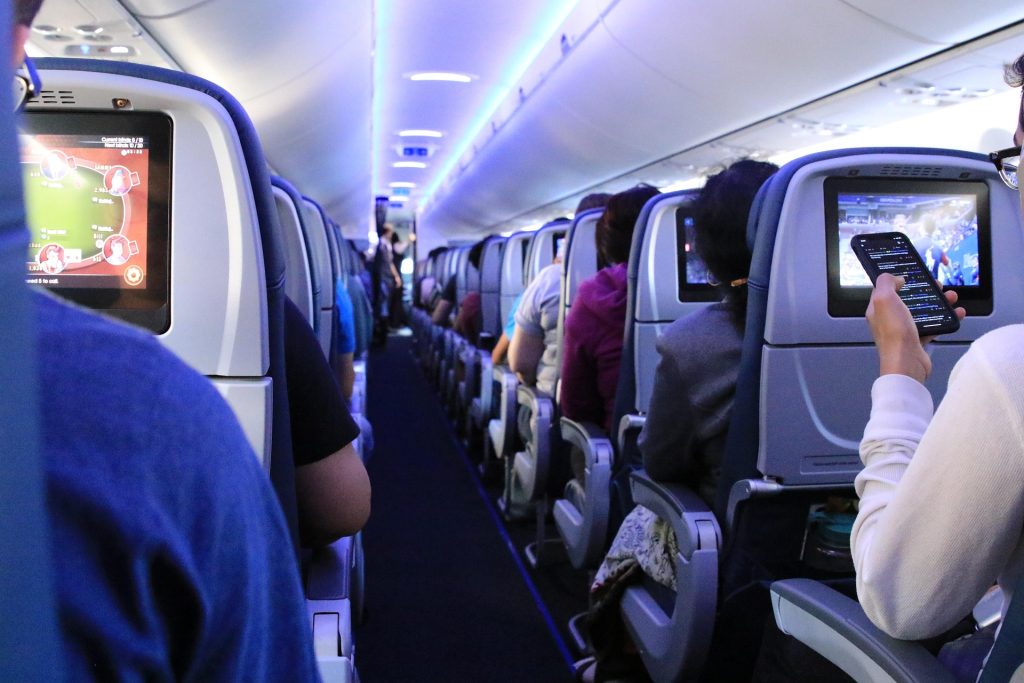
Onboard
Unless you’re flying business class or above, planes aren’t exactly known for their comfort or serenity. Taking a few steps (and some travelling items) can go a long way to make the whole experience a little more enjoyable.
Comfort
I have written an article detailing what I always carry to make flights a bit more comfortable. The best take away from that article is that a sleeping mask and noise-cancelling headphones should be high on your list if you want to drown out the crowd during transit.
Medications
This is really a personal preference (also, not a doctor 🙂). I find sleeping tablets’ hangovers’ make me feel worse than any jet lag does. However, sensible use of these, and melatonin to aid in sleep is a popular choice for many travellers.
Upon Arrival
You’ve arrived! Congratulations, you may know what time it is, but your body clock is still catching up.
Sleep
If you arrive early in the day, avoid the temptation of a day nap or siesta. Getting outside and moving around in the fresh air and sunlight will set you up for a much-needed sleep at a sensible time later that day.
The same applies to arriving later in the day; it just may be a little less of a struggle to make it to bedtime, though, but there is more temptation to try out the local pubs!
Adjusting to the Time Zone
Caffeinate, move and use sleep aids and alarm clocks as much as you need to catch up to the local time. Sticking to local meal times is a great way to force yourself out of bed and jump-start your body’s digestion and overall ability to adjust. Hopefully, the excitement of your journey will curtail most of the effects!
My Experience with Jet Lag and My Body Clock
I travel regularly, and as a chef, I have a long, unloving relationship with shift changes, which throws your body out of whack, similar to jet lag, without the benefit of going anywhere fun!
Through personal and anecdotal experience, 72 hours is about how long it takes to adjust, and that’s generally through forcing yourself out of bed, staying active (and drinking a lot of coffee!).
Although, again, it really depends on the person and the extent of the time zones. Even then, the severity can differ.
On a 2 week holiday (and highland trek) in the Scotland and a return trip to Australia, apart from being completely over airports, aeroplanes and fluorescent lights, I had no issues at all getting back into my normal routines.
After a 5 week trip to Europe, it took me over a week to fell normal again. Mostly my own fault for not following point 4 of my own advice in the summary below.
To Summarize: 5 Tips for Managing Jet Lag
1. Adjust Your Sleep Schedule Early
A few days before departure, try shifting your sleep and wake times closer to your destination’s time zone. This small change can help your body start adjusting before you even board the plane.
2. Stay Hydrated & Eat Smart
Drink plenty of water and stick to familiar foods before and during your flight. Avoid excessive caffeine, alcohol, or heavy meals that could upset your digestion at high altitudes.
3. Maximize Comfort In-Flight
Bring essential travel items like a sleep mask and noise-cancelling headphones to help you rest. If using sleep aids, be mindful of their effects—melatonin can be helpful, but some medications may leave you groggy.
4. Adapt Quickly Upon Arrival
Fight the urge to nap if you land during the day—get outside, move around, and soak in natural sunlight to help reset your body clock. If you arrive late, try to stick to local bedtime hours.
5. Use Caffeine, Movement, & Meal Timing
Drinking coffee strategically, staying active, and eating meals at local times can all help speed up your body’s adjustment to the new time zone.
🗒️ Free Checklist: “Never forget the essentials — grab your free Ultimate Hiking Packing List.”
Conclusion
Jet lag affects everyone differently, but with a bit of planning and self-discipline, you can minimize its impact. It typically takes around 72 hours to fully adjust, but staying active, sticking to a routine, and embracing local time cues will help.
Whether it’s a short vacation or a long-haul trip, managing jet lag well ensures you can make the most of your travels!


