

A good daypack is invisible.
You put it on, you head out, and then you spend zero time thinking about it because it fits well, carries comfortably, and everything you need is where you expect it to be.
A bad one, on the other hand, reminds you it exists every twenty minutes through a sore shoulder, a sweaty back, or the mild frustration of unpacking half of it to find your waterproof!
For most day hiking and walking holiday scenarios, somewhere in the 20 to 30 litre range is where the majority of people land.
Big enough to carry layers, food, water, and whatever extras the day demands. Small enough that it doesn’t start feeling like a burden on a long climb or a warm afternoon.
This guide works through what actually matters when choosing a daypack, based on how you hike rather than which brand is currently getting the most attention.
But in short, the right pack is the one that fits your body, suits your days out, and gets out of the way so you can focus on the walking itself.
- Quick Guide: Choosing the Right Daypack at a Glance
- How to Choose a Daypack (20–30L)
- Daypacks in Real Hiking Conditions
- Common Mistakes to Avoid
- Fit, Comfort & Practical Tips
- How a Daypack Fits Into Your Overall Setup
- Care, Maintenance & Lifespan
- Best Day Packs (By use Case)
- FAQs About Daypacks
- Where to Next?
Quick Guide: Choosing the Right Daypack at a Glance
Use these as starting points to match your pack to the type of hiking you do most.
Short to Moderate Day Hikes
Simple, lightweight packs that carry essentials without adding unnecessary bulk.
Long Day Hikes (6–10 Hours)
Packs with better support, organisation, and space for extra layers, food, and water.
Warm Weather & Summer Hiking
Lightweight packs with good ventilation to reduce heat build-up.
Multi-Purpose Travel & Hiking
Versatile packs that work for both trails and city use during walking holidays.
High-Output or Steep Hiking
Stable, close-fitting packs that stay comfortable while moving quickly or climbing.
“First time on the trail? Hiking for Beginners has your back.”
How to Choose a Daypack (20–30L)
Choosing the right daypack isn’t about capacity alone; it’s really much more about how that space is carried and how comfortable it feels over time.
Why 20–30L Is the Sweet Spot
For most hikers, this size range offers the best balance between space and comfort for the following reasons:
- It’s large enough for layers, food, and essentialsIt’s also large enough to carry your everyday hiking kit without feeling overloaded.
- It’s small enough to remain lightweight and manageable
- It’s versatile across different types of hikes
Smaller packs can feel restrictive on longer days, while larger packs often encourage overpacking.
If you’re unsure what should go inside, our guide to day hike essentials covers everything most hikers need for a successful day on the trail.
Fit and Comfort: What Really Matters
A daypack should feel stable and comfortable without needing constant adjustment.
That’s why you should look for:
- Shoulder straps that sit comfortably without digging in
- A close, stable fit that doesn’t bounce while walking
- A shape that sits naturally against your back
Unlike larger backpacks, most daypacks rely less on structured support and more on overall fit and balance.
Weight vs. Structure
A minimal, lightweight daypack is a genuinely pleasant thing to wear on a warm day with a light load.
It moves with you, you barely notice it’s there, and for shorter outings where you’re not carrying much that’s often all you need.
Push the weight up and that changes.
A pack without enough structure starts transferring load poorly, the shoulder straps dig in, and what felt comfortable with five kilograms in it becomes noticeably less comfortable with eight – Longer days amplify everything.
More structured packs with a proper back panel and frame sheet handle heavier loads in a way that lightweight designs simply can’t match, but they add bulk and weight before you’ve put anything in them.
For most day hiking a well balanced middle ground is the right call. Enough structure to carry a full day’s kit comfortably without the pack itself becoming part of the load you’re managing.
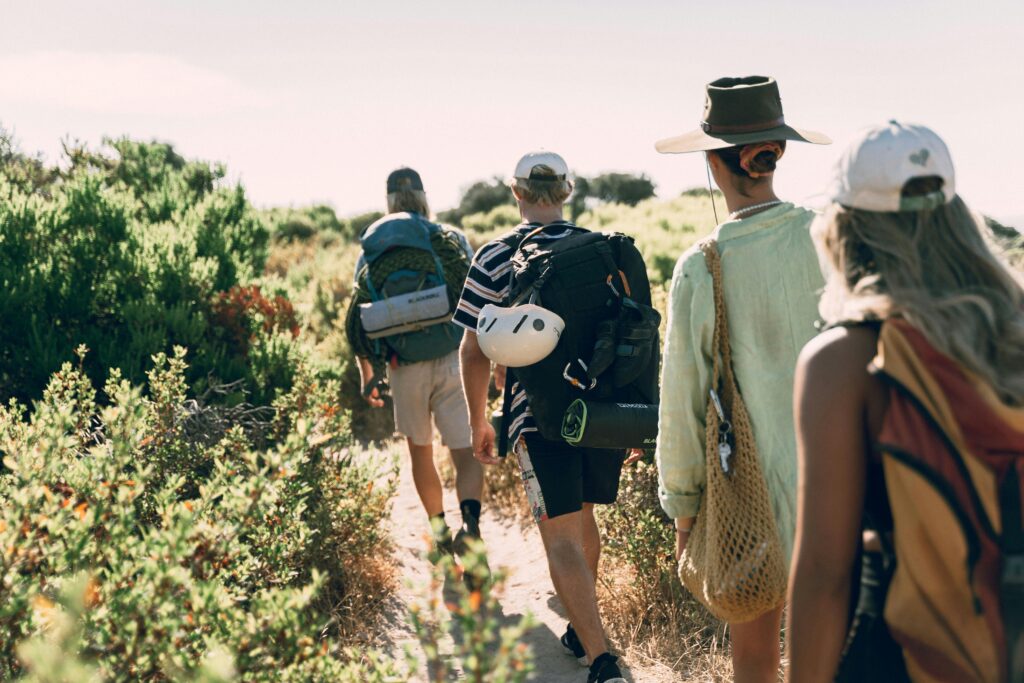
Ventilation and Back Panels
Anyone who has taken a poorly ventilated pack off after a long summer day and peeled their shirt away from their back understands why this matters.
Heat build-up is one of the most consistent complaints about daypacks and it’s also more than worth thinking about before you buy rather than after
Proper ventilation becomes even more important when you’re carrying extra fluids in warm conditions.
Packs that have a tensioned mesh back panel create a natural gap between the pack and your back, which lets air circulate and makes a noticeable difference on warm days or long climbs.
The trade off is that the pack sits slightly further away from your body, which affects how stable it feels on technical ground.
Packs that sit flush against your back transfer load more efficiently and feel more secure when you’re moving fast or scrambling, but they trap heat in a way that becomes genuinely unpleasant in warm conditions.
Neither is wrong. It comes down to where and when you hike most, and which trade off you’re more willing to live with.
Organisation and Accessibility
The measure of a well organised daypack is how rarely you have to stop to find something.
Waterproof jacket accessible without unpacking everything else, snacks and phone reachable without taking the pack off, the things you need once a day buried at the bottom where they belong.
A clean main compartment, a couple of external pockets in sensible places, and hip belt pockets if you like keeping small things genuinely close to hand.
That covers most people’s needs without overcomplicating things.Good organisation starts before you leave home.
Learning how to pack a hiking backpack can help you keep frequently used items accessible while maintaining better balance throughout the day.
Where daypacks go wrong is too much organisation.
Lots of pouches and dividers that seemed logical in the shop but in practice just mean more places to lose things and more decisions about where everything lives.
Simple and intuitive beats elaborate every single time on the trail.
Hydration Compatibility
Side pockets work fine for most people. Grab the bottle, drink, put it back. Simple enough and there’s nothing wrong with it.
Hydration reservoirs let you drink without breaking stride, which on long hot days or technical terrain is genuinely useful.
The trade off is more effort to fill, clean, and dry out, and a leak inside your pack is an unpleasant discovery.
Neither is better. Just pick the one that matches how you actually hike!
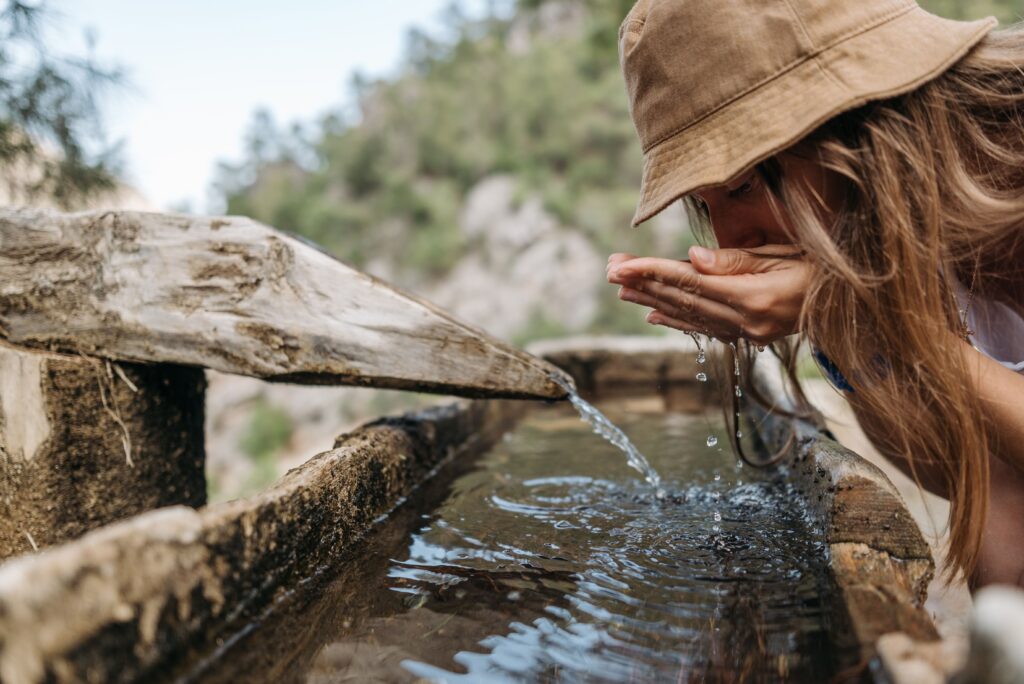
If you’re unsure whether bottles or a reservoir make more sense for your trips, it helps to first understand how much water to take on a hike based on distance, terrain, and weather conditions.
Daypacks in Real Hiking Conditions
Daypacks often perform differently depending on the type of hike:
Short to Moderate Day Hikes
For shorter outings you don’t need much and the pack should reflect that.
Something lightweight, simple, and comfortable to wear is really all the brief requires.
You’re not solving complex load management problems on a four hour walk, you’re carrying a jacket, some food, water, and whatever the day calls for.
Overthinking it is the main trap. A clean, well fitting pack in the 20 to 25 litre range handles this kind of hiking without any fuss.
Long Day Hikes
Everything that felt fine at hour two has a way of making itself known by hour six.
A shoulder strap that sits slightly wrong, a load that shifts around, a back panel that traps heat.
Long days expose the weaknesses in kit that shorter outings let you get away with.
Space matters more too. Extra layers, more food, additional water, a full kit for changing conditions adds up quickly and a pack that was borderline at the start of the day becomes genuinely uncomfortable once it’s properly loaded.
A bit more structure and a bit more capacity is worth the marginal extra weight when the day is long enough to feel the difference.
Planning longer hikes becomes easier when you understand your average hiking speed,helping you estimate how much food, water, and extra gear you’ll need throughout the day.
Warm Weather Hiking
Heat changes the calculation. Everything that seemed fine in cooler conditions becomes more noticeable when you’re working hard in warm weather, and a pack that traps heat against your back will remind you about it for the entire day.
Ventilation matters more than almost anything else here.
A tensioned mesh back panel, lighter materials, and keeping the overall load as minimal as possible all contribute to a more bearable experience when the temperature is up.
A breathable pack won’t make a hot day cool but it makes a genuine difference over several hours and your back will thank you for it
Pairing a well-ventilated pack with a solid hydration strategy is equally important.
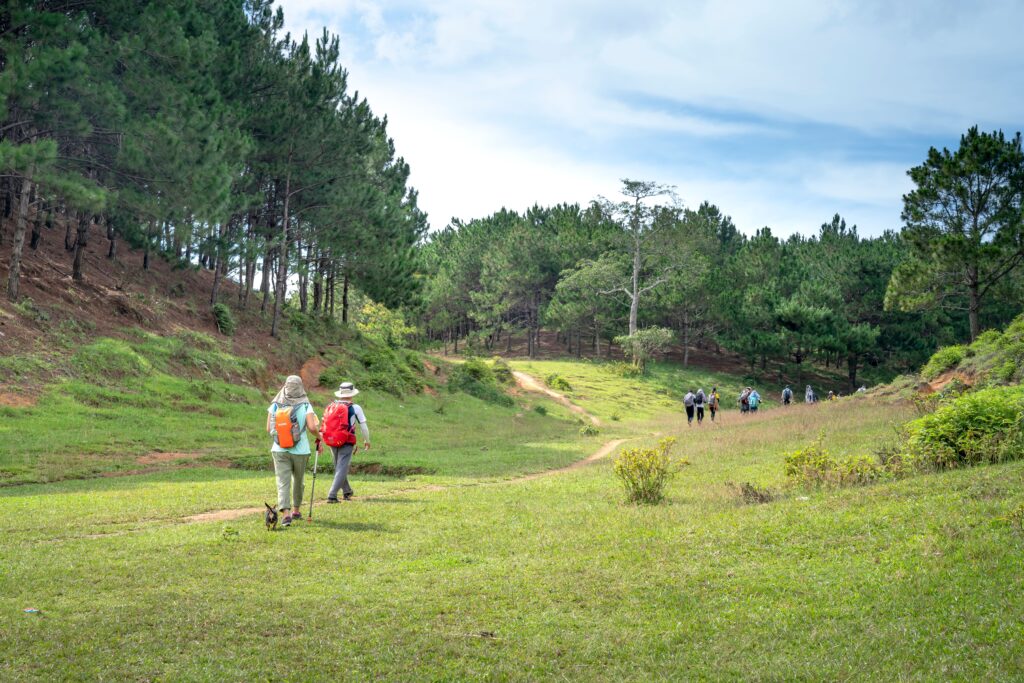
Walking Holidays and Travel Use
A walking holiday asks slightly different things of a daypack than a straightforward day on the trail.
You might be heading out from a village in the morning, stopping somewhere for lunch, wandering around a town in the afternoon, and the pack needs to handle all of it without looking ridiculous or feeling like overkill.
Versatility and simplicity matter here more than technical features. Something that sits comfortably through repeated daily use, doesn’t scream hardcore hiking kit when you’re off the trail, and works just as well on day seven as it did on day one.
A clean, well balanced design without unnecessary straps and attachments hanging off it tends to travel better and feel better across the kind of varied days a walking holiday actually involves.
If you’re planning a multi-day adventure abroad, our guide to walking holidays in Europe can help you choose destinations where a versatile daypack really shines – or if you want some help planning your own, see our free guide below!
“Turn your dream trek into a plan — get your free Plan Your Own European Walking Holiday ebook ”
Common Mistakes to Avoid
Most daypack issues come from small decisions that add up over time. Examples of common mistakes that can be easy to make (but that you’ll avoid because now you’re aware of them) include:
- choosing a pack that’s too large for day use
- overpacking “just in case” items
- prioritising features over comfort
- ignoring how the pack feels when fully loaded
- assuming all 20–30L packs feel the same
In short, keeping things simple usually leads to better results!
Fit, Comfort & Practical Tips
Basic tips that you’ll want to remember include:
- Try packs with some weight inside them
- Adjust straps properly before judging comfort
- Walk around and simulate movement
- Make sure it stays stable when moving
A pack that feels good empty is going to feel very different when it’s loaded!
How a Daypack Fits Into Your Overall Setup
Your daypack doesn’t exist in isolation and the rest of your kit directly affects how much space you actually need.
A layering system built around compressible, lightweight pieces takes up a fraction of the space that bulkier alternatives demand.
A waterproof that packs down small is a completely different proposition to one that needs half the main compartment to itself
Smaller gear choices matter too.
Quality hiking socks lightweight layers, and compact accessories can significantly reduce the amount of space your pack needs to carry.
The terrain and the route matter too. A straightforward well marked trail in reasonable conditions needs less kit than a long day on exposed ground where the weather could go either way.
The hikers who consistently carry the most comfortable loads are the ones who made good decisions across their whole setup rather than just their pack.
Everything working together means you carry less, pack more efficiently, and spend the day focused on hiking rather than what’s on your back.
🗒️ Free Checklist: “Never forget the essentials — grab your free Ultimate Hiking Packing List.”
Care, Maintenance & Lifespan
A decent daypack will last a long time if you give it basic attention.
Clean it after muddy or wet days, let it dry out properly before it goes into storage, and check the zips and straps occasionally for signs of wear before they become a problem on the trail rather than at home where it’s easy to fix.
Overloading regularly is the thing that shortens a daypack’s life fastest.
The stitching around shoulder attachment points takes the most punishment and it tends to give out quietly over time rather than all at once.
The back panel padding and shoulder straps compress with heavy use and eventually stop doing their job as well as they did when the pack was new.
By the time it’s noticeably uncomfortable it has usually been declining for a while.
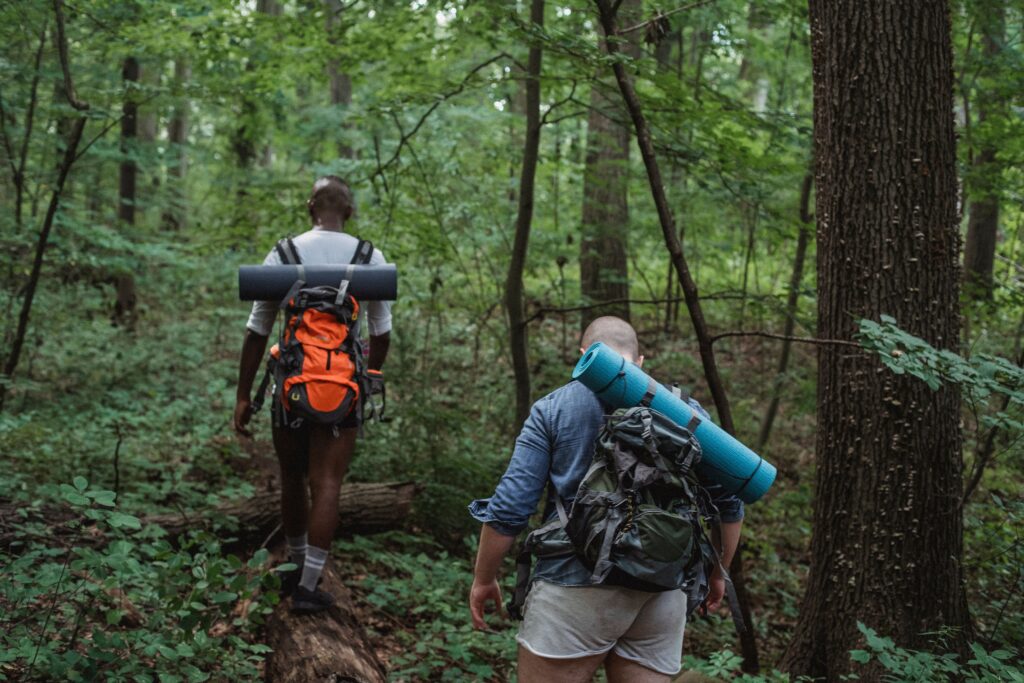
Best Day Packs (By use Case)
If you want to refine your choice further, these guides break things down into more specific scenarios:
Best Daypacks for Hiking (20–30L)
Well-balanced packs suitable for a wide range of day hikes.
Best Lightweight Hiking Daypacks
Minimal designs focused on reducing weight and improving comfort.
Best Daypacks for Long Day Hikes
Packs built for extended use with better support and organisation.
Best Daypacks for Warm Weather Hiking
Ventilated designs that improve comfort in hot conditions.
FAQs About Daypacks
Is 20L enough for hiking?
For shorter hikes, yes. For longer days, 25–30L is often more comfortable.
Should I go bigger just in case?
Usually not, since larger packs often just lead to overpacking.
Are expensive daypacks worth it?
Comfort and fit matter more than price alone.
Do I need a hydration system?
Not necessarily; bottles work just as well for many hikers.
How long should a daypack last?
With proper care, most will last for years of regular use.
Where to Next?
To complete your setup, you may also want to explore the following topics as you continue your research:
- Buyers Guide: Footwear
- Buyers Guide: Headtorches
- Buyers Guide: Trekking Poles
Many of our hiking guides, including Best Hikes in Scotland show how daypacks perform in real-world conditions across a variety of European landscapes and trail types.


