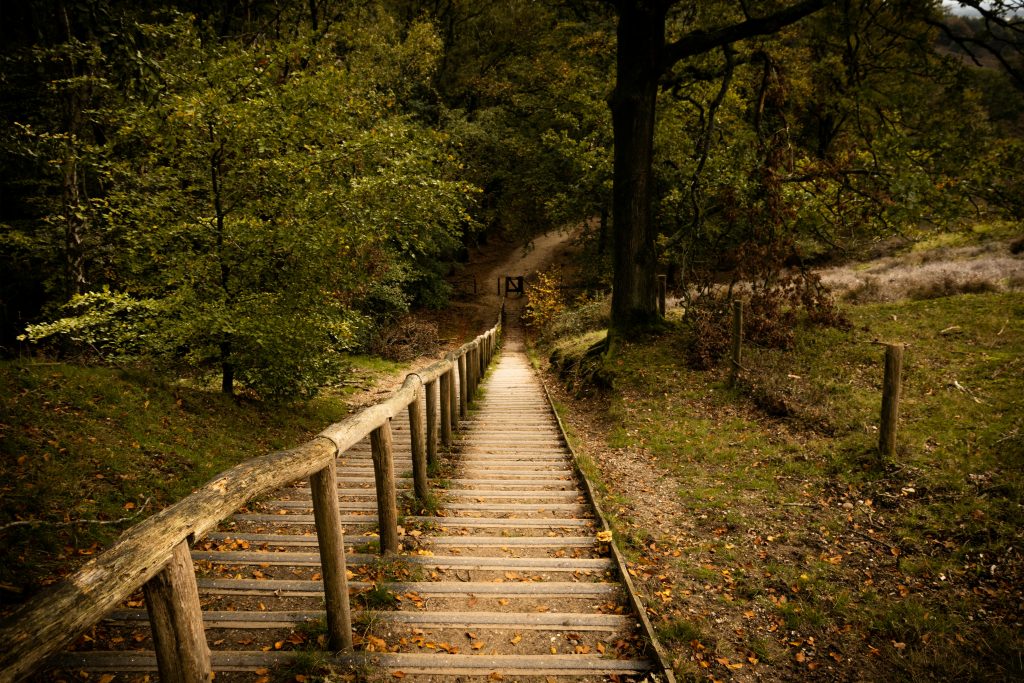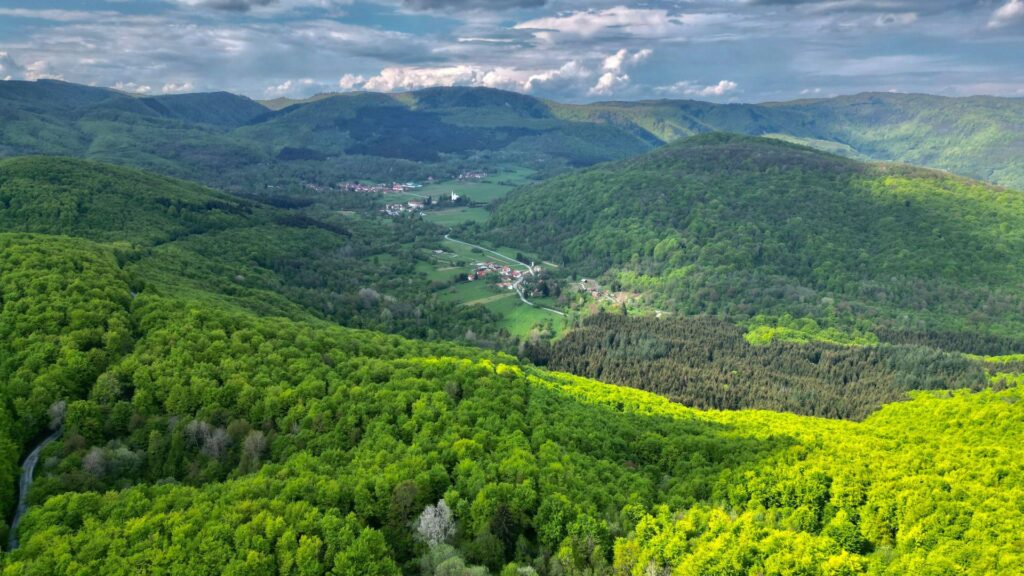
Zagreb is one of the easiest European capitals to combine with hiking, with forested mountains, hill-country trails and national park day trips all within reach of the city.
These six hikes from Zagreb range from shorter historic walks to full-day summit routes and longer outings into the Croatian countryside.
- Why Hike in Zagreb?
- 1. Best Classic Mountain Hike from Zagreb: Medvednica Mountain and Sljeme Peak
- 2. Best Beginner Hike Near Zagreb: Medvedgrad Fortress Trail
- 3. Best Quiet Summit Hike Near Zagreb: Japetić in the Žumberak-Samobor Hills
- 4. Best Full-Day Hike from Samobor: Samobor to Oštrc Peak
- 5. Best Off-the-Beaten-Track Hike Near Zagreb: Žumberak Highlands – Noršićka Plešivica
- 6. Best National Park Day Hike from Zagreb: Plitvice Lakes – K2 Program
- When Is the Best Time to Hike Around Zagreb?
- What to Pack for Hiking Around Zagreb
- Conclusion
- Where to Next?
Why Hike in Zagreb?
Zagreb may be Croatia’s lively capital, but it’s also a city that practically hugs the outdoors.
Step just a little outside the cafés and cobblestone squares, and you are suddenly finding yourself in forests, mountains, and trails that feel miles away from urban life!
For those of you who love the idea of balancing culture with nature, Zagreb is the dream.
You can sip coffee in Ban Jelačić Square in the morning and then climb a mountain by mid-afternoon.
The best part, however, is the variety. If you enjoy short woodland strolls that’s shaded by beech and oak, there are plenty of those right on the city’s doorstep
If a full-day mountain adventure is more your style, the Dinaric Alps are close enough to keep you sweating and smiling all the way up to the ridges.
Planning the rest of your stay? My Zagreb for Hikers: A City Guide covers transport, getting to Medvednica and Samobor, seasonal planning and how to use Zagreb as a hiking base.
1. Best Classic Mountain Hike from Zagreb: Medvednica Mountain and Sljeme Peak
Medvednica is the big one, and it’s literally looming over Zagreb. Sljeme, its highest peak, is a classic for locals and visitors alike.
The trail starts at the base of the mountain and then it winds steadily upward through dense forest.
For those of you who enjoy the rhythm of climbing and the satisfaction of reaching a summit, this is a must.
If you’re preparing for longer climbs like Sljeme, spending a few weeks improving your hiking fitness can make the ascent much more enjoyable.
What makes this hike even better is that you can tailor it to your mood. Some routes up are steeper and more direct, and others are gentler and meander through quiet woodland.
The peak itself has mountain huts serving hearty Croatian fare (think bean stews, sausages, and strudels) which taste even better after a climb.
Since this is a fairly long climb, it’s worth packing properly before you head out. Here’s our guide to what to bring on a day hike.
Medvednica Mountain and Sljeme Peak Details
- Difficulty: Moderate to difficult
- Average time: Approx. 4–6 hours depending on route
- Distance: Approx. 14–16 km / 8.7–9.9 miles round trip
- Elevation gain: Approx. 800–900 m / 2,625–2,953 ft
- Route type: Out-and-back or loop depending on trailhead
- Start point: Several options from the northern edge of Zagreb
- Highest point: Sljeme, 1,033 m / 3,389 ft
- Best for: A classic Zagreb mountain day
- Highlights: Medvednica forest, mountain huts, Sljeme summit and views over Zagreb
- Trail highlight: Reaching Sljeme after climbing directly from the city-side forests is the quintessential Zagreb hiking experience.
2. Best Beginner Hike Near Zagreb: Medvedgrad Fortress Trail
If you enjoy history with your hiking, the Medvedgrad Fortress Trail is a gem.
Tucked into the lower slopes of Medvednica, this medieval fortress dates back to the 13th century.
The trail up winds through shady woodland, which makes it a pleasant climb even on a hot day.
When the fortress finally comes into view (perched proudly above the city no less), it feels like stepping back in time.
The payoff is not just the fortress itself but the view. From its walls, Zagreb stretches out below in full panorama and it’s going to be begging you to take photos of it.
The hike is shorter and less strenuous than climbing to Sljeme, so it is ideal for families or anyone who wants to spend a few hours outdoors without committing to a full day.
This is one of the best beginner hikes near Zagreb, combining history, scenery, and just enough effort to feel rewarding.
Medvedgrad Fortress Trail Details
- Difficulty: Easy to moderate
- Average time: Approx. 2–3 hours
- Distance: Approx. 7 km / 4.3 miles round trip
- Elevation gain: Approx. 350 m / 1,148 ft
- Route type: Out-and-back
- Start/end: Lower Medvednica / Šestine area
- Best for: History, forest walking and an easier alternative to Sljeme
- Highlights: Medvednica woodland, medieval Medvedgrad Fortress and views across Zagreb
- Trail highlight: The fortress terraces provide one of the best elevated views back across the Croatian capital.
“Avoid rookie mistakes. Our free ebook Hiking for Beginners shows you how.”
3. Best Quiet Summit Hike Near Zagreb: Japetić in the Žumberak-Samobor Hills
For those of you who like hikes with a bit of everything (forest, open meadows, mountain ridges) Japetić is really hard to beat.
Located in the Žumberak-Samobor Hills Nature Park, about an hour from Zagreb, Japetić is the highest peak in the Samobor Hills.
The trail leads through tranquil woodland before climbing higher into meadows and ridges with wide-open views.
One of the best parts of this hike is its peacefulness. While Medvednica can be busy with locals, Japetić often feels quieter and more remote.
The views from the top are spectacular, and specifically you’ll see views stretching across central Croatia and, on a clear day, even as far as Slovenia.
On a clear day, you can even see into Slovenia, making it a great preview if you’re planning to explore the best hikes in Slovenia next.
Japetić in the Žumberak-Samobor Hills Details
- Difficulty: Moderate
- Average time: Approx. 4 hours return
- Distance: Approx. 11 km / 6.8 miles
- Route type: Out-and-back
- Start/end: Mali Lipovec / Šoićeva kuća
- Highest point: Japetić, 815 m / 2,674 ft
- Best for: A quieter summit hike in the Samobor Hills
- Highlights: Forest, open meadows, Žitnica mountain hut and panoramic summit views
- Trail highlight: The lookout structure near Japetić opens up views across the surrounding hills and, in clear conditions, towards Slovenia.
4. Best Full-Day Hike from Samobor: Samobor to Oštrc Peak
If you enjoy hikes that end with a sense of accomplishment (and maybe a hearty meal), Oštrc Peak delivers.
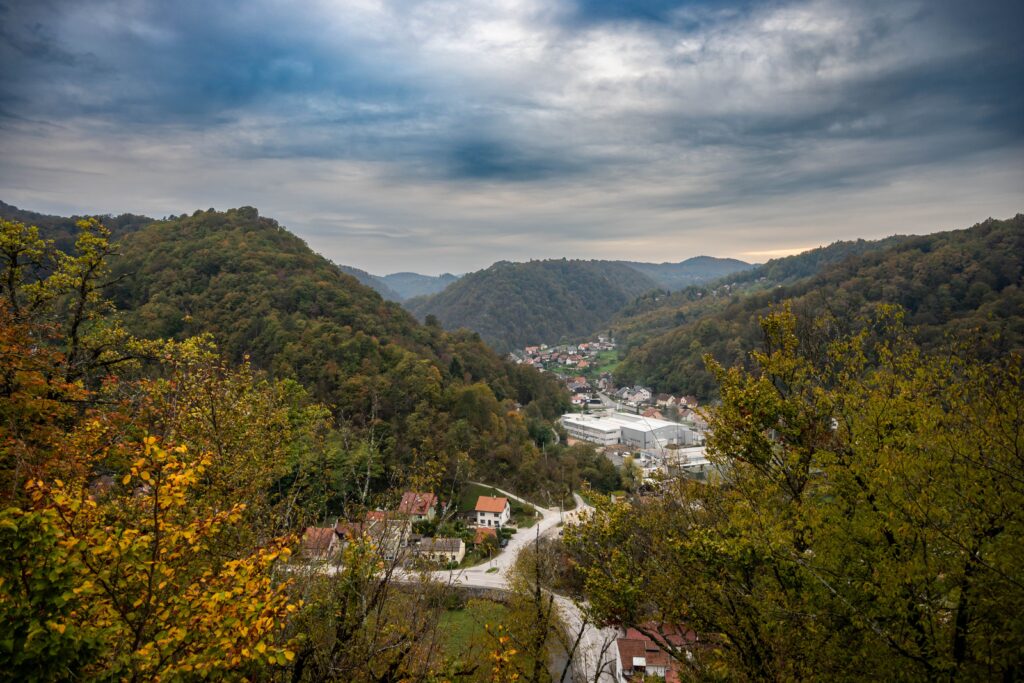
Starting from the charming town of Samobor (which is most famous for its kremšnita cream cake) the trail climbs steadily into the Samobor Hills.
The forest paths are beautiful year-round, with spring flowers, autumn colors, and even a dusting of snow in winter.
At the summit of Oštrc, a small mountain hut offers food and drinks, which makes it a perfect place to rest and enjoy the scenery.
It is a moderately challenging hike, and just enough to get the blood pumping but not so tough it becomes overwhelming.
If you like to pair a walk with local culture and cuisine, this should be one of the very best day hikes from Samobor.
Samobor to Oštrc Peak Details
- Difficulty: Moderate
- Average time: Approx. 5 hours return
- Distance: 17.4 km / 10.8 miles
- Route type: Out-and-back
- Start/end: Samobor
- Highest point: Oštrc, 752 m / 2,467 ft
- Best for: A full hiking day directly from Samobor
- Highlights: Forest trails, Samobor Hills, Veliki Dol and Oštrc
- Trail highlight: The mountain-hut country around Oštrc makes an excellent turnaround point before heading back towards Samobor.
“From Alps to coastlines, our free Walking Holiday guide helps you plan smarter.”
5. Best Off-the-Beaten-Track Hike Near Zagreb: Žumberak Highlands – Noršićka Plešivica
If variety is what you’re after, Žumberak Nature Park has it in spades.
The route takes you through a mix of dense forest, rolling meadows and quieter rural landscapes as you climb towards Noršićka Plešivica.
The landscape here feels a little wilder than the trails right outside Zagreb, so it is perfect for those of you who enjoy exploring somewhere that feels more off the beaten track.
The terrain is mixed but manageable, making this a great choice for intermediate hikers who want a quieter few hours in the Žumberak-Samobor highlands without committing to a huge mountain day.
Žumberak Highlands: Noršićka Plešivica Details
- Difficulty: Moderate
- Average time: Approx. 3 hours
- Distance: Approx. 7.4 km / 4.6 miles
- Route type: Out-and-back
- Start/end: Koretići
- Highest point: Noršićka Plešivica, 728 m / 2,388 ft
- Best for: Quieter walking in the Žumberak-Samobor highlands
- Highlights: Forest, rural landscapes, mountain meadows and quieter countryside
- Trail highlight: The route gives you a more peaceful taste of the Žumberak landscape away from the busier trails closer to Samobor.
If you’re turning this into a Croatian hiking trip, check out our complete guide to the best hikes in Croatia for more unforgettable trails.
6. Best National Park Day Hike from Zagreb: Plitvice Lakes – K2 Program
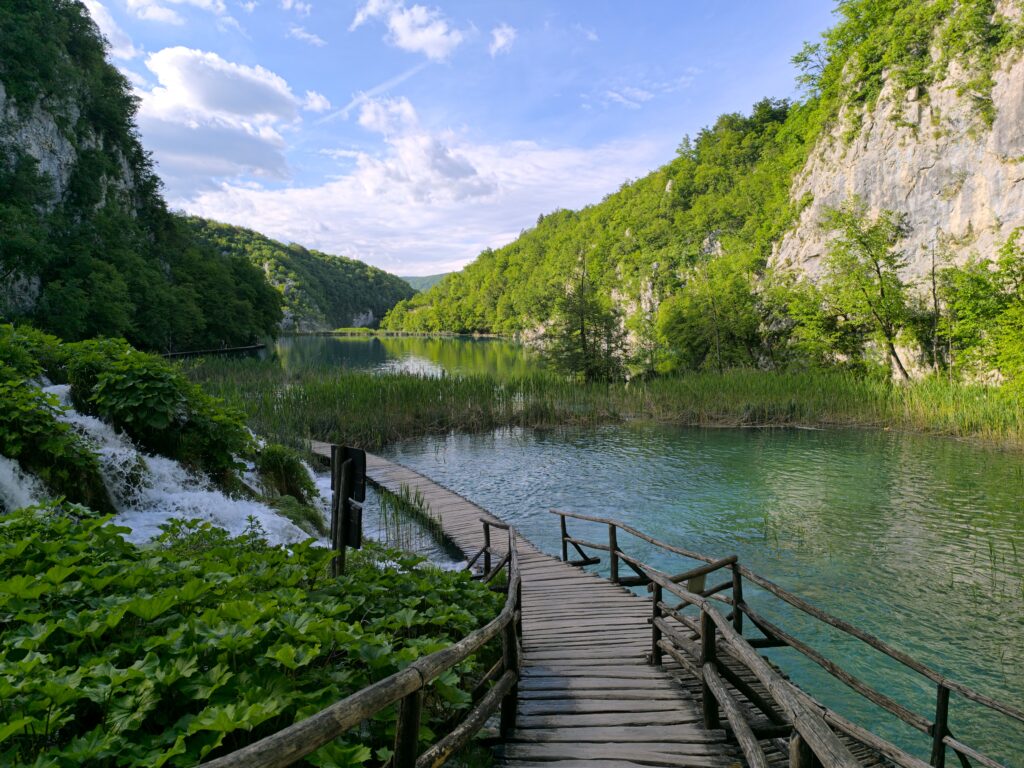
Yes, Plitvice Lakes is famous for boardwalks and turquoise waterfalls, but it also offers hiking trails that stretch beyond the crowds.
Located about two hours from Zagreb, it is easily one of Croatia’s most famous national parks and worth the trip.
The trails lead to quieter spots where the lakes feel almost untouched, and it offers the best of both worlds: iconic sights and peaceful escapes.
For those of you who like combining sightseeing with a proper hike, the K2 Program is the one to look at.
This longer circuit takes you through both the Upper and Lower Lakes, giving you far more time on foot than the park’s shorter sightseeing routes.
While it is further from Zagreb, it’s hands-down one of the best full-day walking options from the city for anyone who wants world-class scenery and a much more immersive look at Plitvice.
Plitvice Lakes – K2 Program Details
- Difficulty: Moderate
- Average time: Approx. 6–8 hours
- Distance: 17.5 km / 10.9 miles
- Route type: Long circuit through the lake zone
- Start/end: Entrance 2, Plitvice Lakes National Park
- Best for: A full-day walk through both the Upper and Lower Lakes
- Highlights: Great Waterfall, Lower Lakes canyon, Kozjak Lake, Prštavci waterfalls, Upper Lakes and Tomićevo Pogledalo viewpoint
- Trail highlight: The longer K2 programme lets you experience a large part of the lake system on foot rather than limiting the day to the busiest boardwalk sections.
When Is the Best Time to Hike Around Zagreb?
Spring and autumn generally offer the best hiking conditions around Zagreb, with milder temperatures, greener forests and more comfortable weather for longer days on the trail.
April to early June is a particularly good time for Medvednica, Sljeme and the Samobor Hills, with fresh greenery, wildflowers and comfortable temperatures for climbing.
July and August can be hot and humid in Zagreb itself, although higher routes on Medvednica are often cooler. Start earlier in the day where possible and carry extra water on longer hikes.
Late September through October brings cooler air, autumn colour and some of the best forest walking conditions of the year.
Winter can still work for lower routes and city walks, while snow and ice may affect higher areas around Sljeme and the Žumberak-Samobor Hills. Check current trail conditions before heading higher.
Planning the rest of your stay? My Zagreb for Hikers: A City Guide covers transport, getting to Medvednica and Samobor, seasonal planning and how to use Zagreb as a hiking base.
What to Pack for Hiking Around Zagreb
What you need will depend on whether you’re taking a shorter walk to Medvedgrad or spending most of the day on Sljeme, Japetić or Plitvice, but the mix of forest trails, mud after rain and changeable mountain weather makes a few basics worth carrying.
For most hikes around Zagreb, consider packing:
- Comfortable hiking shoes or boots with reliable grip for woodland trails, rocky ground and muddy sections
- A lightweight waterproof jacket for sudden showers and cooler conditions higher up
- A practical layering system so you can adjust between warm climbs and cooler forest or summit sections
- A 20–30L daypack for food, water and spare clothing
- Sun protection, especially on more open trails and longer summer hikes
- Enough water for the full route, particularly during hotter months
- Offline maps or a GPS device for longer routes or areas with multiple trail junctions
- Trekking poles if you prefer extra stability on steeper climbs, rough ground or long descents
- Buyers Guides: See our Full collection of Hiking Buyers Guides !
🗒️ Free Checklist: “Pack light, pack right — download The Ultimate Hiking Packing List.”
Conclusion
Zagreb might be better known for its cafés, markets and historic centre, but the amount of hiking within easy reach of the city is one of its biggest strengths.
You can spend a morning climbing through Medvednica forest, take a shorter walk to a medieval fortress, head out towards the quieter Samobor Hills or turn the day into a full national park trip at Plitvice.
That variety makes Zagreb a particularly useful base for hikers. You don’t need to commit to one type of walking, and good transport links mean it’s easy to mix city time with proper trail days.
Whether you’re after a forest climb, a quieter summit, a historic route or a longer Croatian day trip, these hikes give you plenty of ways to explore beyond the city streets.
Where to Next?
Planning more hiking in Croatia? These guides will help you keep building your trip:
- Zagreb for Hikers: A City Guide — plan transport, seasonal timing and how to use the capital as a hiking base.
- Ultimate Guide to Hiking in Croatia — get a broader overview of Croatia’s main hiking regions, landscapes and practical planning information.
- Best Hikes in Croatia — discover more standout mountain, coastal and national park routes across the country.
- Walking Holiday in Croatia — turn individual day hikes into a longer walking-focused trip through Croatia.
- Best Hikes in the Balkans — broaden your plans with standout trails across southeastern Europe.