

If you’re a hiker currently training for a high elevation hike in a mountainous area but you’re stuck at sea level, no worries, check out this guide on how to train for high altitude performance whilst residing at sea level…
High-altitude hiking can challenge even the fittest of athletes. At high altitudes the air pressure is significantly lower, which means there’s less oxygen to breath. This lack of oxygen greatly reduces muscle function and endurance, therefore making it harder to perform physically intensive tasks.
Simply being at high altitudes when the body is unacclimatized often causes altitude sickness; a condition that brings on symptoms of, like dizziness, headaches, and nausea.
This guide explains how altitude affects the body first, then shows how to prepare effectively at sea level.
How High Altitude Affects the Body
Interestingly, on a more positive high-altitude training can have substantial benefits for endurance and stamina. This occurs because training at high elevations forces the body to adapt to the lower levels of oxygen, and in turn, produce more red blood cells to increase oxygen transport to muscles.
These adaptations not only reduce the risk of altitude sickness but also improve performance when returning to lower altitudes. Many elite athletes, from runners to climbers, use high-altitude training as a performance-enhancing tool.
Although not everyone has the luxury of training at high altitudes, there are ways to simulate the effects of altitude training even at sea level.
Benefits and Risks of Training at Altitude
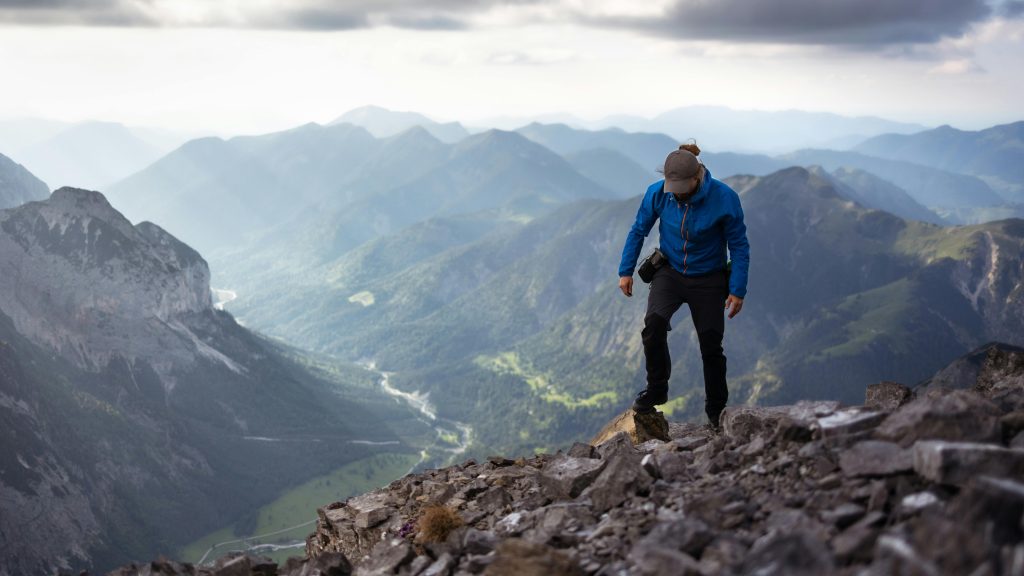
Training at altitude — or preparing for it — is often discussed in terms of performance gains, but it comes with trade-offs. While the body can adapt in ways that improve endurance and oxygen efficiency, these adaptations also place added stress on recovery and overall health. Weighing both sides helps hikers set realistic expectations, especially when training at sea level.
Potential Performance Benefits
Training at altitude provides distinct advantages:
- Enhanced Endurance and Stamina: High-altitude conditions force the body to adapt by increasing red blood cell production, boosting endurance.
- Increased Lung Capacity and Efficiency: Over time, high-altitude training enhances the body’s ability to use oxygen efficiently.s
- Reduced Symptoms of Altitude Sickness: Training at high altitudes helps the body adjust to lower oxygen levels, making acclimatization easier for hikers and climbers.
- Performance Boost at Sea Level: Returning to sea level after high-altitude training gives athletes a significant edge in oxygen availability.
For those at sea level, it’s possible to gain some of these benefits through specialized training routines and equipment that simulate high-altitude conditions.
To get the most out of your hike, consider preparing with exercises that can also enhance your stamina. Learn more in our article How to Improve Hiking Stamina.
Exposure to lower oxygen levels encourages the body to become more efficient at using what’s available, which can improve endurance and fatigue resistance.
Risks and Limitations
While altituds training has its perks, it also comes with challenges:
- Blood Viscosity and Blood Flow Issues: Reduced oxygen increases blood viscosity, impairing muscle blood flow and restricting cardiac output.
- Limited Protein Synthesis: High-altitude training can inhibit protein synthesis, affecting muscle repair and growth.
- Potential for Acute Mountain Sicksess (AMS): Symptoms like nausea, fatigue, and headaches can be dangerous.
- Severe Health Risks: In extreme cases, high-altitude training risks high-altitude pulmonary edema (HAPE) and high-altitude cerebral edema (HACE), both of which can be life-threatening.
However, most of these risks apply to those training directly at high altitudes, not to people simulating altitude training at sea level.
Altitude adaptation comes with trade-offs, including slower recovery and increased stress on the body. Training can reduce risk, but it can’t eliminate altitude-related challenges entirely.
How to Train for a High Altitude Hike at Sea Level
While sea-level training can’t fully replicate high-altitude conditions, it can prepare your body for many of the physical demands you’ll face on the trail.
The goal is to build leg strength, cardiovascular capacity, and fatigue resistance in ways that closely resemble sustained uphill hiking.
Perform Mountaineering-Focused Exercises
Mountaineering-specific exercises were initially developed to help mountaineers strengthen the muscles needed for steep, high-stress terrain, and have over the years, become foundational part of how to train for a high altitude hike.
These exercises mimic the uphill and downhill motions involved in hiking and climbing, targeting leg strength, balance, and endurance—vital for those preparing to hike at high elevations but residing at sea level.
This Exercise May Include:
- Climbing Stairs: An effective way to simulate elevation gain, stair climbing builds lower body and core strength while increasing stamina.
- Running Up Ramps: Practicing on ramps or inclined surfaces replicates uphill hiking, pushing the cardiovascular system to adapt.
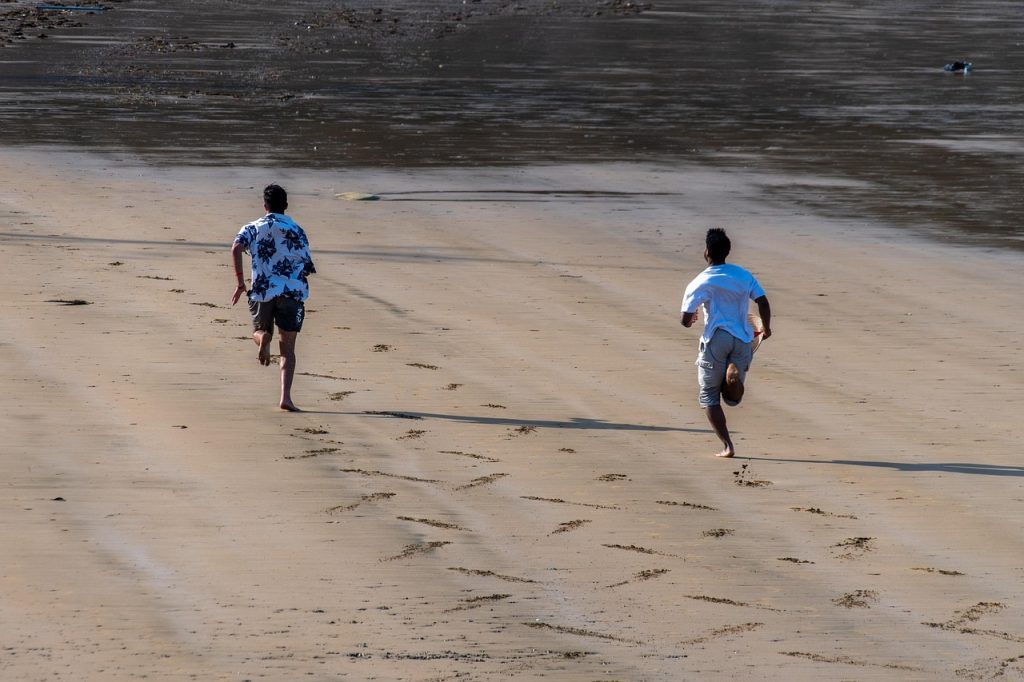
- Short Hill Sprints: Quick sprints up hills improve fast-twitch muscle response and leg strength.
- Longer Hill Repeats: These exercises develop endurance and mental resilience, both essential for extended periods on challenging terrains.
- Step-Up Workouts: Using a sturdy bench or platform, step-up workouts simulate stepping over rocks or uneven terrain, essential for hikers.
For hikers, a solid training regime that involves consistent mountain-like exercises will not only help in preparing for the climb but also avoid frequent injuries due to overexertion.
Additional Tips On How To Train For A High Altitude Hike
Altitude affects everyone differently, and preparation isn’t just about fitness. Factors such as hydration, ascent speed, and individual tolerance play a major role in how your body responds once elevation increases. Recognising these variables can help hikers adjust expectations and make safer decisions on the trail.
Exercise in Uncomfortable Environments (Within Reason)
While high-altitude climates can be challenging to simulate at sea level, training in warmer or busier settings can somewhat mimic the physical strain.
Running in hot environments, for example, places more demand on the respiratory and cardiovascular systems. Similarly, jogging through congested urban areas can test lung efficiency and increase stamina.
Safety Note: Hydration and core temperature are critical. If you feel overheated, dizzy, or nauseous, pause, rehydrate, and cool down. Persistent symptoms should prompt medical attention.
Break Down Long Workouts into 2 or 3 Shorter Ones and Work Up to Longer Durations
Increasing workout length gradually is the most effective way to build endurance. If tackling lengthy workouts initially feels overwhelming, break them into two or three shorter sessions. Over time, extend the duration to improve stamina and prepare your body for prolonged high-altitude hiking.
Consistency, gradual progression, and listening to your body matter more than chasing extreme conditions. Small, repeatable training habits often deliver better results than occasional all-out sessions.
Stay Focused, Don’t Procrastinate
Consistency is key when preparing for high-altitude hiking. Setting small, achievable goals builds a strong foundation, leading to longer, more intense workouts over time.
Frequent shorter sessions are better for building endurance than infrequent longer sessions. Avoid procrastinating—regular practice, even in small doses, brings you closer to your ultimate goal.
Get Social Support
Motivation often comes from the support of friends, family, or fellow hikers with similar ambitions. Finding a local training group or online community with shared goals can boost morale and keep you accountable.
Set Goals and Reward Yourself for Each Achievement
Setting milestones helps break down a long-term goal into manageable steps. Rewarding yourself after achieving each one reinforces the desire to continue, ensuring you stay motivated throughout your training journey.
Know Your Trigger Points at High Altitude
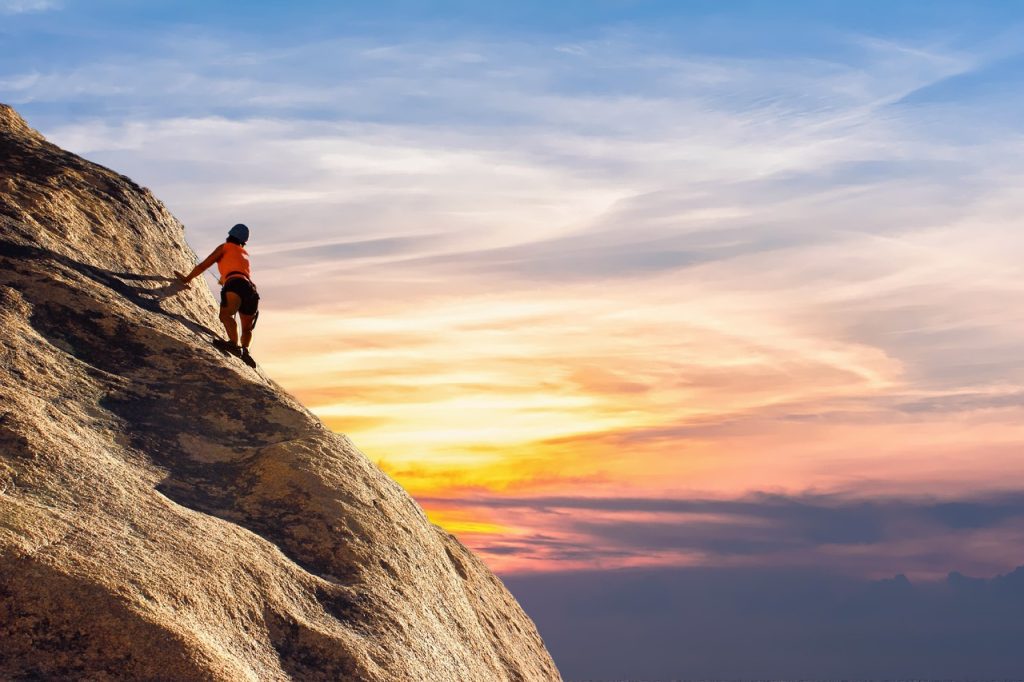
Altitude affects people differently, with some individuals more prone to altitude sickness than others. Trigger points are elevations where symptoms may start appearing, commonly around 8,000 feet and above.
At these levels, hikers might experience headaches, nausea, and fatigue, all of which signal the body’s struggle with oxygen scarcity.
Hydration and High Altitude
Staying hydrated is crucial at high altitudes since oxygen scarcity can lead to quicker dehydration. Knowing your trigger points helps monitor hydration needs to avoid altitude sickness and ensure a safe, comfortable hike.
Genetics
Though unchangeable, genetics play a role in altitude tolerance. Some populations, like the Sherpas in the Himalayas or the Andean people of South America, have developed adaptations to high elevations, showing that some individuals naturally handle altitude better.
Understanding your genetic predisposition can help you prepare and recognize your body’s limitations.
Additional Training Tools
For those training at sea level, a range of tools can enhance the experience:
Educational Resources
Books, tutorials, and audiobooks offer valuable guidance on high-altitude hiking.
Online Resources
Platforms like YouTube host free tutorials and informational videos on altitude training.
Workout Tools
Heart rate monitors, training apps, and altitude simulation tools like tents or chambers help monitor progress.
High-Altitude Gyms
Some gyms offer altitude rooms that simulate high-altitude conditions, useful for those who want an authentic training experience without leaving sea level
“First time on the trail? Hiking for Beginners has your back.”
Conclusion
Training for a high-altitude hike at sea level is challenging but entirely possible. Whilst it may not be immediately clear how to train for a high altitude hike at sea level, with the right exercises, tools, and consistent effort, you can replicate some of the physical benefits of altitude training without having to workout at high elevation. From stair climbing to breaking down workouts, each strategy builds endurance and strength to prepare for the demands of high-altitude hiking.
By incorporating these exercises and staying mindful of hydration, environmental challenges, and personal limits, you’ll be well-prepared to conquer high-altitude trails with confidence.
So, if you’re looking for tips and advice on how to train for high altitude hike when residing at sea level, the information in this article should provide you with the basics from which you can build experience and begin to gain a more professional understanding of all aspects of this popular and enjoyable activity.


