

Hiking is a fantastic way for seniors to stay active, connect with nature, and enjoy the outdoors. However, it’s important to approach hiking with the right preparation and mindset to ensure a safe and enjoyable experience.
Whether you’re a seasoned hiker looking to re-engage with the trails or a beginner eager to explore, this article will provide a range of practical tips tailored specifically for seniors.
These suggestions cover everything from health checks to proper training and essential gear, helping you confidently embark on your next adventure.
The Best Hiking Tips for Seniors
Here are the top tips for seniors to ensure a safe and rewarding hiking experience:
Check In With Your Health Professional
Before starting any new physical activity, consult your healthcare provider to ensure it’s safe for you to hike. Discuss your overall fitness level, any medical conditions, and specific concerns like joint pain or medication that may affect your hike. Your doctor can also advise on suitable physical activities to complement your hiking preparation.

Understand Your Motivation and the Type of Hike You Should Take
Knowing why you want to hike can guide your planning. Are you looking for a relaxing walk through nature, a physical challenge, or an opportunity to connect with friends? Match your goals with a suitable hike—whether it’s a flat, scenic trail for relaxation or a moderate trek for exercise.
Choose the Right Hike
Selecting a hike appropriate for your fitness level and experience is crucial. Look for trails with manageable distances and inclines. Online resources and local hiking groups can provide valuable information about trail difficulty and amenities like rest stops.
“Small adjustments—like choosing an easier trail or hiking with a companion—can dramatically increase comfort and confidence for senior hikers.”
Acknowledge Strengths and Weaknesses
It’s important to be realistic about your physical capabilities. While hiking is a great way to stay active, it’s also essential to acknowledge limitations. Pace yourself, take breaks when needed, and avoid overexertion to reduce the risk of injury.
Address Existing Injuries That May Arise
Before heading out on a hike, it’s essential to address any existing injuries or health concerns. Chronic issues like joint pain, back problems, or prior injuries can be exacerbated by hiking if not managed properly.
Consult your healthcare provider or physical therapist for advice on managing these conditions. They may recommend specific exercises, supportive braces, or adjustments to your hiking style to prevent further strain.
During the hike, listen to your body closely. Stop and rest if you notice any discomfort or unusual pain. Using aids like compression gear or a hiking stick can provide extra support. By being proactive about injury management, seniors can enjoy the benefits of hiking without risking their health.
“Avoid rookie mistakes. Our free ebook Hiking for Beginners shows you how.”
Check the Weather
Weather plays a crucial role in the safety and enjoyment of any hike, especially for seniors. Before setting out, check the forecast for your destination and pack accordingly.
Sudden weather changes can turn a pleasant hike into a risky adventure, so prepare for rain, wind, or extreme temperatures.
In hot weather, dress in lightweight, breathable clothing and bring sunscreen. For cooler or rainy conditions, layer your clothing to stay warm and dry.
Avoid hiking during extreme weather events like storms, snow, or intense heatwaves. Monitoring the weather ensures you stay comfortable and avoid unnecessary risks.

Drink Lots of Water
Staying hydrated is vital for seniors on a hike. Dehydration can lead to fatigue, dizziness, and muscle cramps, all of which can compromise your safety on the trail. Bring enough water to last the entire hike, and if the weather is particularly warm, carry extra.
Take small sips of water regularly instead of waiting until you feel thirsty. Electrolyte drinks or snacks like fruit can also help maintain hydration levels.
Plan your hike near water sources if possible, but remember to carry a portable filter or purification tablets for safety. Staying hydrated ensures you have the energy and focus needed to enjoy your hike.
Hike in a Group Where Possible
Hiking in a group offers companionship, safety, and support, especially for seniors. Being part of a group reduces the risk of getting lost, as multiple people can assist with navigation. In case of an emergency, like an injury or unexpected weather, having others around provides immediate help and reassurance.
Join local hiking groups or invite family and friends to join your adventure. Choose companions with similar fitness levels to ensure the pace is comfortable for everyone. Hiking together fosters camaraderie and makes the experience more enjoyable, while also providing an added layer of security.
“If fitness levels vary, agree on a comfortable pace beforehand so the group stays together and no one feels rushed.”
Use a Hiking Stick If Necessary
Hiking sticks or trekking poles are invaluable tools for seniors, offering extra stability and reducing strain on joints. They’re particularly helpful on uneven terrain, steep inclines, or during stream crossings. By distributing weight, they lessen the impact on knees and ankles, making long hikes more manageable.
Choose an adjustable, lightweight stick to suit your height and trail conditions. Practice using it before your hike to ensure it feels natural and comfortable. A hiking stick can enhance your confidence on the trail and help prevent trips or falls, making it a worthwhile addition to your gear.
Recognize When to Rest
Knowing when to rest is an essential skill for seniors while hiking. Overexertion can lead to fatigue, increased risk of injury, and reduced enjoyment of the hike. Pay attention to signs of tiredness, like heavy breathing, muscle strain, or dizziness, and take breaks as needed.
During rest stops, hydrate, snack on energy-rich foods, and stretch lightly to prevent stiffness. Choose scenic spots to pause and enjoy the surroundings, turning rest into an opportunity to appreciate the beauty of the trail. Recognizing when to rest ensures you can complete your hike safely and comfortably.
Preparation
Proper preparation is key to a successful hike. Here’s what seniors should focus on:
Clothing
Wear weather-appropriate attire. For cold weather, dress in layers, including thermal undergarments and a waterproof jacket. For warm weather, opt for lightweight, breathable fabrics, and wear a wide-brimmed hat for sun protection. Always use a sturdy daypack or a proper hiking backpack for longer treks.
Items/Accessories
Pack essentials such as navigation tools (maps, GPS devices), a first aid kit, cooking items, non-perishable food, and a fire starter. These items can make your hike safer and more comfortable.
🗒️ Free Checklist: “Never forget the essentials — grab your free Ultimate Hiking Packing List.”
Plan Route & Schedule, Plus Backup Plan
Plan Route & Schedule, Plus Backup Plan: Plan your route and establish a realistic schedule. Include a backup plan in case you need to modify the trail or return earlier due to unforeseen circumstances like bad weather or fatigue.
Contingency Plan
Always have a solid contingency plan. Share your itinerary with family or friends and establish check-in points during your hike. In emergencies, ensure they know how to reach you or summon help.
Train
Physical preparation is essential for hikers of any age but even more critical for seniors. Start with light training to build endurance, balance, and strength. Ideally, spend several months progressively improving your fitness routine to make it a sustainable habit. Activities like walking, light jogging, or yoga can complement your training.
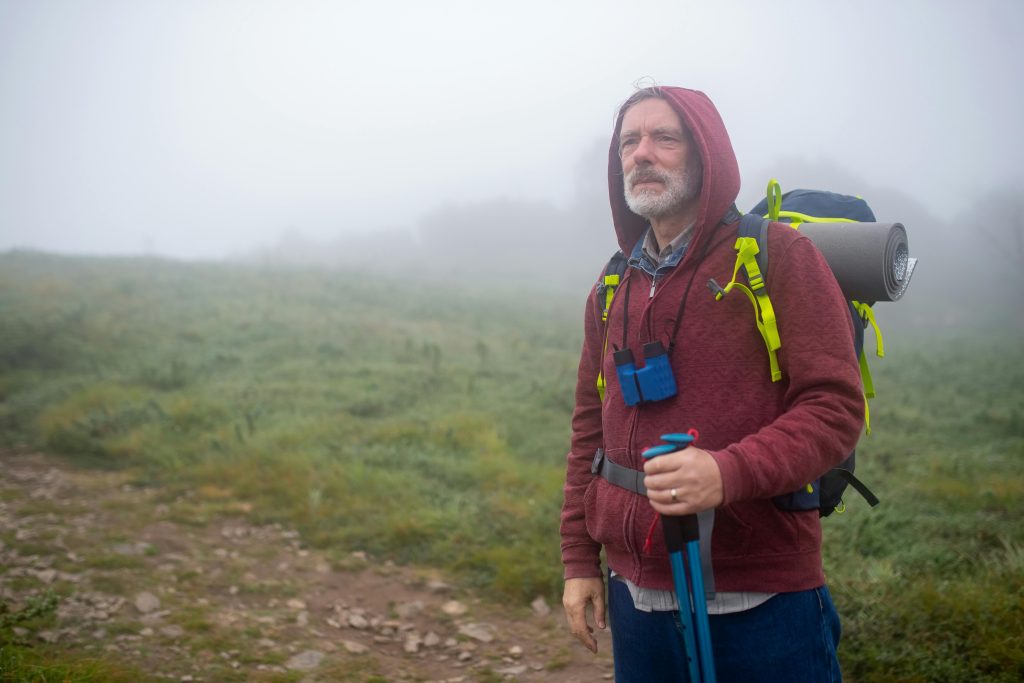
Key Considerations for Seniors Going On a Hike
Seniors should consider the following points to ensure their hikes are both safe and enjoyable:
- Hydration and Nutrition: Bring plenty of water and energy-packed snacks. Staying hydrated and fueled helps maintain energy and reduces fatigue.
- Footwear: Invest in quality hiking boots that offer excellent support and are broken in before the hike. Proper footwear minimizes the risk of blisters and injuries.
- Trail Conditions: Research the trail’s current conditions, including weather forecasts, terrain difficulty, and potential hazards.
- Pace and Rest: Hiking isn’t a race. Take your time, rest when needed, and enjoy the journey. Overexertion can lead to accidents and injuries.
- Emergency Preparedness: Carry essential tools like a whistle, flashlight, and personal identification. Ensure you know basic first-aid techniques.
- Hiking Companions: If possible, hike with a group or a companion for added safety and support.
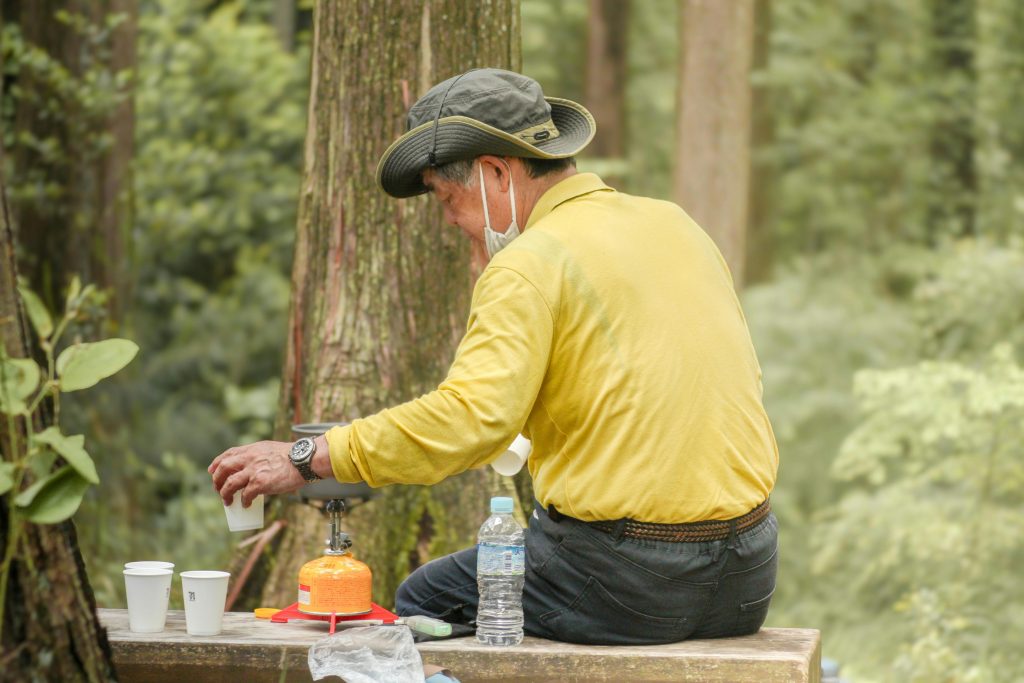
In Conclusion
Hiking is an enriching activity that offers physical and mental health benefits for seniors, fostering a deeper connection to the natural world. With the right preparation, planning, and mindset, it can be an enjoyable and safe experience for people of all fitness levels.
From consulting your healthcare provider to selecting suitable trails and training your body, every step of preparation contributes to a fulfilling journey.
Seniors can make the most of their hiking adventures by following these practical tips and embracing the outdoors at their own pace.
Whether you’re exploring a local nature reserve or embarking on a scenic mountain trail, the beauty and serenity of nature await you. Happy hiking!


