
A simple stretching regime that greatly assist with your strength and mobility, which in turn can will make hiking more enjoyable, and also help to improve your skill and stamina level…
Hiking is a fantastic way to explore the great outdoors, but it also places significant demands on your body. One of the most effective ways to ensure that your body remains in top condition for those long trails is to incorporate daily stretches for hikers.
Regular stretching reduces stiffness, enhances mobility, and prepares your muscles for the physical exertion of hiking.
Whether you’re tackling a steep incline or navigating rocky terrain, staying limber is crucial for both performance and injury prevention.
In this article, we’ll explore a series of simple daily stretches designed specifically for hikers to help you stay flexible, reduce stiffness, and enhance your overall hiking experience.
Why Stretching Prior to Hiking Is Important
Stretching before a hike is essential for several reasons. First and foremost, it helps to increase your flexibility, mobility, and range of motion, all of which are critical when navigating uneven terrains.
When your muscles are properly stretched, they are more pliable, which reduces the risk of strains and sprains. Stretching also enhances your stability and stamina, enabling you to hike longer distances with less fatigue.
“Loose muscles handle uneven terrain far better than stiff ones — even a short stretch can dramatically reduce your risk of tweaks and strains.”
Additionally, stretching can help stave off and reduce joint pain, which is a common issue for hikers, especially those carrying heavy packs. By loosening up your muscles and joints, you are less likely to experience stiffness or discomfort during your hike.
Moreover, stretching isn’t just about physical preparation—it also helps prepare you mentally. Engaging in a stretching routine before a hike allows you to focus and mentally prepare for the challenges ahead.
This self-imposed discipline trains your mind to become more resilient, which is just as important as physical endurance on the trail.
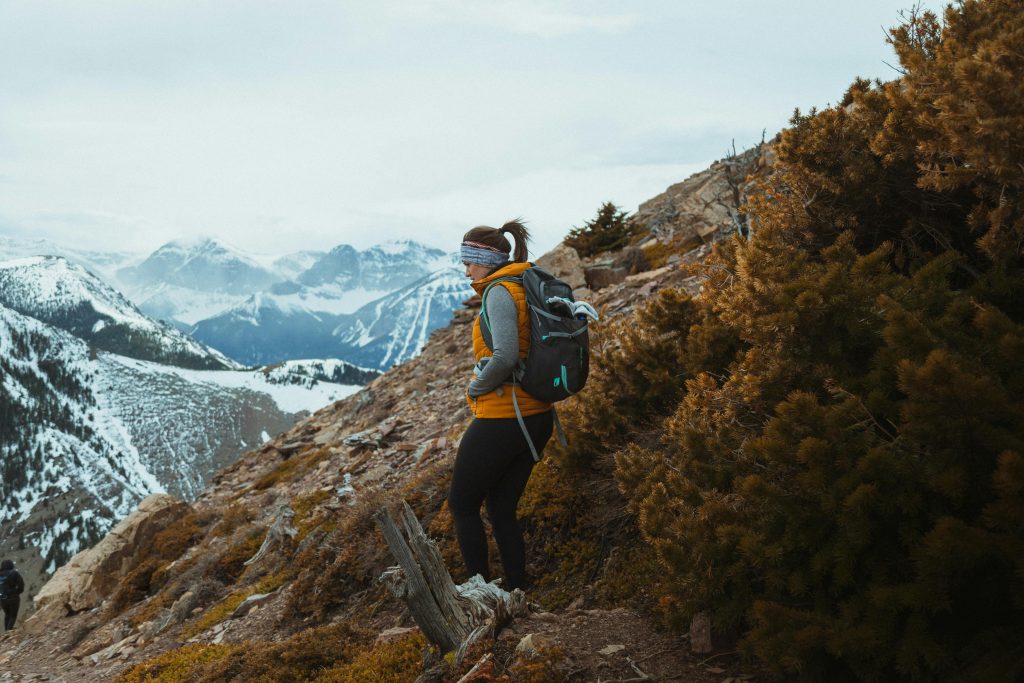
The Benefits of Daily Stretching for Hikers
Performing a series of daily stretches offers a myriad of benefits that can significantly enhance your hiking experience. Here are some of the key benefits you can gain by incorporating stretching into your daily routine:
“Avoid rookie mistakes. Our free ebook Hiking for Beginners shows you how.”
- Improved Flexibility: Stretching helps lengthen your muscles, increasing your overall flexibility. This is crucial for navigating challenging terrain and performing activities that require a wide range of motion, such as climbing over rocks or ducking under low branches.
- Enhanced Mobility: Regular stretching improves joint mobility, allowing you to move more freely and efficiently. This is particularly important for hikers, as it helps you maintain proper posture and stride, reducing the risk of injury.
- Strengthened Muscles: Stretching isn’t just about flexibility; it also helps to strengthen your muscles. By holding stretches for an extended period, you engage your muscles in a low-intensity workout that builds endurance and strength.
- Reduced Muscle Tension: Daily stretching helps release tension in your muscles, which can build up over time, especially after long hikes. This not only makes you feel more relaxed but also helps prevent muscle cramps and spasms.
- Better Circulation: Stretching increases blood flow to your muscles, delivering more oxygen and nutrients, which aids in muscle recovery and reduces soreness after a hike.
“Daily stretching works like long-term maintenance — small efforts that make every hike feel smoother, lighter, and more comfortable.”
To perform these stretches effectively, aim to hold each stretch for about 20-30 seconds. This duration is sufficient to gently lengthen the muscles without causing strain or discomfort.

Different Types of Stretches
When it comes to stretching, there are two main types: static and dynamic stretches. Understanding the difference between these two techniques and knowing when to use each is crucial for hikers.
- Static Stretches: These are stretches where you hold a position for a period of time, usually between 20-30 seconds. Static stretching is best done after a hike, during your cool-down period, to help relax your muscles and improve flexibility. For hikers, static stretches are ideal for targeting specific muscle groups that may feel tight after a long day on the trail.
Dynamic stretches wake your muscles up; static stretches help them unwind — both matter for hikers in very different ways.”
- Dynamic Stretches: These involve moving parts of your body through a full range of motion repeatedly. Dynamic stretches are best done before a hike as part of your warm-up routine. They help to prepare your muscles for the activity ahead by increasing blood flow and warming up the muscles.
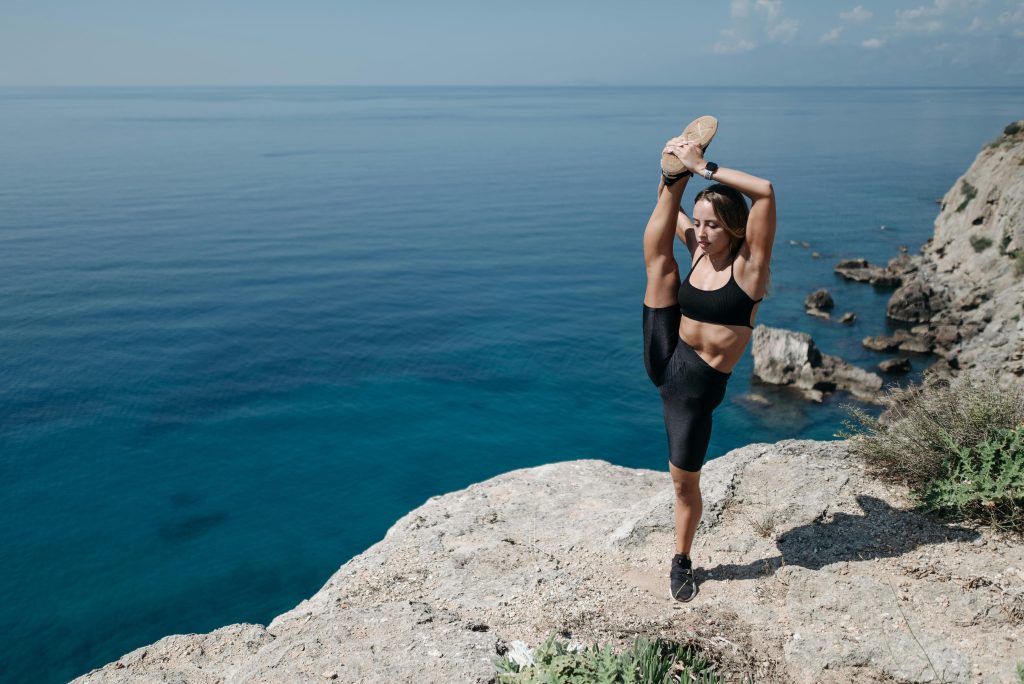
In addition to choosing between static and dynamic stretches, you may also incorporate accessories, equipment, or tools to aid in your stretching routine. For example, a foam roller can be used to perform myofascial release, which helps to release tightness and improve flexibility.
Stretching bands are another useful tool that can add resistance to your stretches, making them more effective. While these tools can be beneficial, they are not essential, and hikers can still achieve great results with simple bodyweight stretches.

The Best Daily Stretches for Hikers
Here are some of the best stretches that hikers can perform daily to help improve flexibility and mobility. These stretches target both the upper and lower body, ensuring that all major muscle groups are adequately prepared for the trail.
“A few minutes a day can undo most of the tightness created by long miles, heavy packs, and extended desk time.”
Upper Body Stretches for Hikers Include:
Neck Stretches
- Neck Tilt: Sit or stand upright. Slowly tilt your head towards your right shoulder, trying to bring your ear as close as possible without straining. Hold for 20-30 seconds, then switch to the left side. This static stretch helps relieve tension in the neck muscles, which can become tight from carrying a backpack.
- Neck Rotation: Sit or stand upright. Slowly rotate your head in a circular motion, moving from your right shoulder to your chest, then to your left shoulder, and back around. Perform this dynamic stretch for 10-15 seconds in each direction. This helps to loosen up the neck muscles and improve mobility.

Shoulder Stretches
- Shoulder Shrugs: Stand with your feet shoulder-width apart. Raise your shoulders towards your ears as high as you can, hold for 2-3 seconds, then relax and lower them back down. Repeat for 15-20 seconds. This dynamic stretch helps to release tension in the shoulders, especially after carrying a heavy backpack.
- Cross-Body Shoulder Stretch: Bring your right arm across your body at chest level. Use your left hand to gently pull the right arm closer to your chest, feeling the stretch in your shoulder. Hold for 20-30 seconds, then switch sides. This static stretch is great for loosening tight shoulder muscles.

Arm Stretches
- Triceps Stretch: Raise your right arm overhead and bend the elbow so your hand reaches down towards the middle of your back. Use your left hand to gently press on your right elbow to deepen the stretch. Hold for 20-30 seconds, then switch arms. This static stretch targets the triceps, which can get tight from using trekking poles.
- Bicep Stretch: Stand with your arms extended out to the sides at shoulder height, palms facing forward. Slowly rotate your arms so that your palms face behind you, feeling the stretch in your biceps. Hold for 20-30 seconds. This stretch helps to open up the chest and stretch the biceps.

Upper Back Stretches
- Cat-Cow Stretch: Start on your hands and knees in a tabletop position. Arch your back, bringing your head and tailbone upwards (Cow Pose). Then, round your back, tucking your chin to your chest and drawing your belly button towards your spine (Cat Pose). Repeat this dynamic stretch for 30 seconds. This movement helps to mobilize the spine and stretch the upper back.
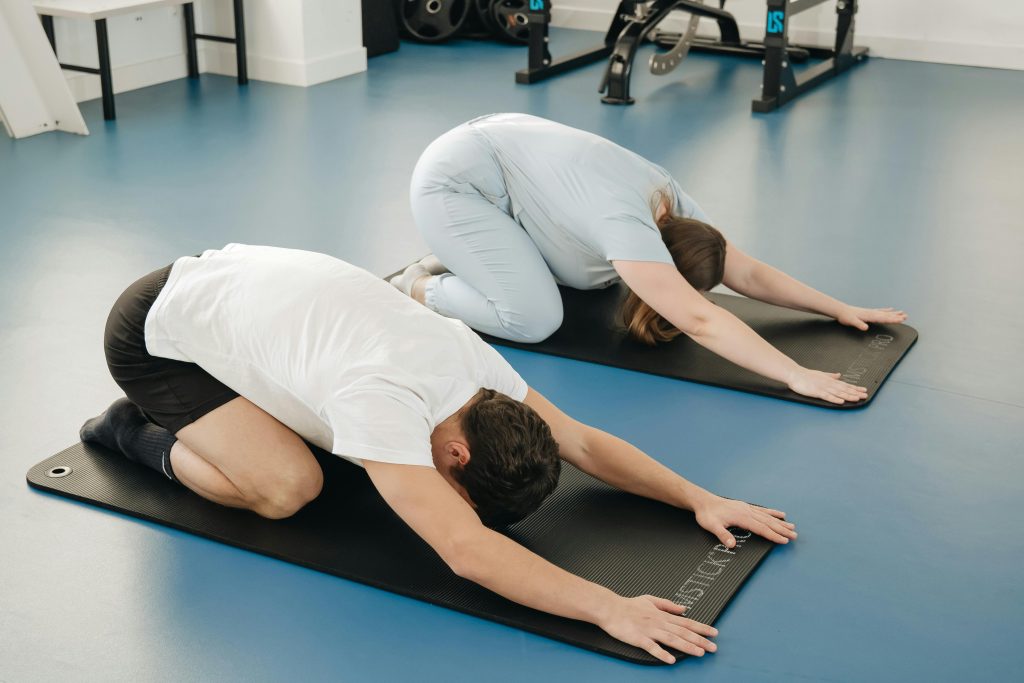
- Child’s Pose: Kneel on the floor with your big toes touching and knees spread apart. Sit back on your heels and extend your arms forward, lowering your chest towards the ground. Hold this static stretch for 20-30 seconds. It’s great for releasing tension in the upper back and shoulders.
Lower Body Stretches for Hikers Include
Lower Back Stretches
- Knee-to-Chest Stretch: Lie on your back with your legs extended. Bring one knee towards your chest, holding it with both hands. Keep the other leg straight and pressed against the floor. Hold for 20-30 seconds, then switch legs. This static stretch helps relieve lower back tension.
- Seated Forward Bend: Sit with your legs extended straight in front of you. Slowly reach forward towards your toes, keeping your back as straight as possible. Hold for 20-30 seconds. This stretch helps to release tension in the lower back and hamstrings.

Abdomen Stretches
- Cobra Stretch: Lie face down on the ground with your hands under your shoulders. Press into your hands to lift your chest off the ground, extending your back. Hold for 15-20 seconds. This stretch helps to open up the abdominal muscles and stretch the lower back.
- Standing Side Stretch: Stand with your feet shoulder-width apart. Reach your right arm overhead and bend your torso to the left, stretching the side of your abdomen. Hold for 20-30 seconds, then switch sides. This stretch targets the obliques and helps improve flexibility in the torso.

Hip Stretches
- Hip Flexor Stretch: Kneel on your right knee with your left foot in front, forming a 90-degree angle. Push your hips forward slightly while keeping your back straight. Hold for 20-30 seconds, then switch sides. This static stretch helps open up the hip flexors, which can become tight from prolonged sitting or hiking uphill.
- Figure Four Stretch: Lie on your back and cross your right ankle over your left knee. Grab the back of your left thigh and gently pull it towards your chest, feeling the stretch in your right hip. Hold for 20-30 seconds, then switch sides. This stretch is excellent for targeting the hip muscles and glutes.
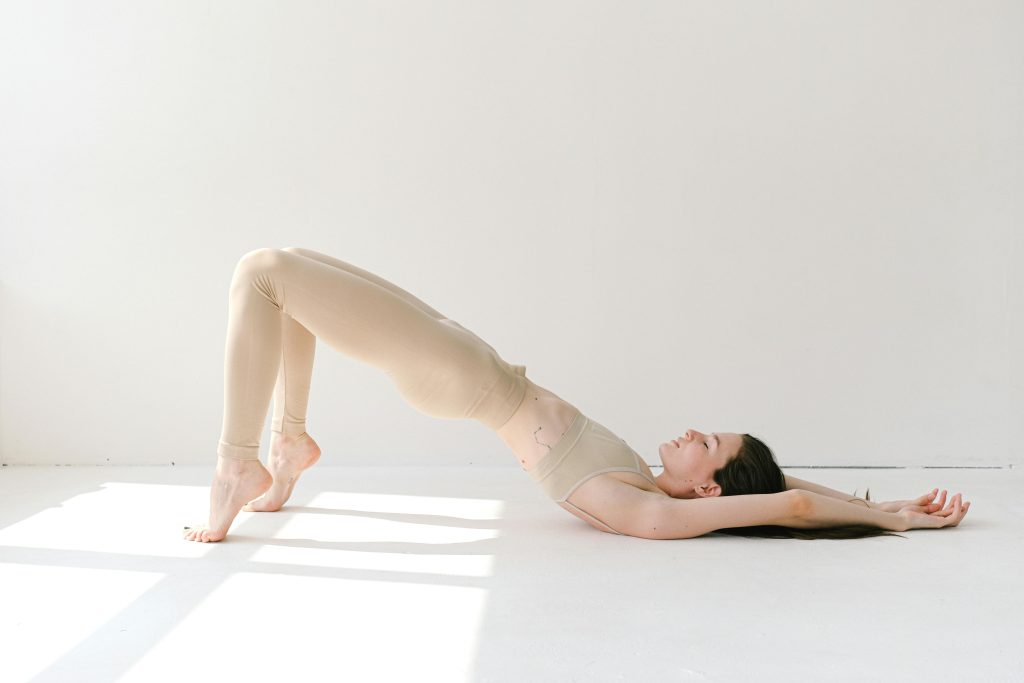
Glute Stretches
- Pigeon Pose: Start in a tabletop position, then bring your right knee forward towards your right hand. Extend your left leg straight back behind you. Lower your hips towards the ground, keeping your back straight. Hold for 20-30 seconds, then switch sides. This stretch is great for releasing tension in the glutes and hips.
- Standing Glute Stretch: Stand on one leg and cross your other ankle over your knee, forming a figure four with your legs. Slowly bend your standing leg, lowering your hips as if sitting back into a chair. Hold for 20-30 seconds, then switch legs. This dynamic stretch helps to activate and stretch the glute muscles.

Abductor Stretches
- Side Lunge Stretch: Stand with your feet wide apart. Shift your weight to one side, bending your knee while keeping the other leg straight. Hold for 20-30 seconds, then switch sides. This stretch targets the inner thighs and abductors.
- Butterfly Stretch: Sit on the ground with the soles of your feet together and knees bent out to the sides. Hold your feet with your hands and gently press your knees towards the ground. Hold for 20-30 seconds. This stretch is great for opening up the hips and stretching the inner thighs.

Leg Stretches (Thighs/Calves/Ankles)
- Quad Stretch: Stand on one leg and pull the other foot towards your buttocks, holding your ankle with your hand. Keep your knees together and push your hips forward slightly. Hold for 20-30 seconds, then switch sides. This stretch targets the quadriceps, which are heavily used during hiking.
- Calf Stretch: Stand facing a wall with your hands on the wall at shoulder height. Step one foot back and press the heel into the ground while keeping your leg straight. Hold for 20-30 seconds, then switch sides. This stretch helps to loosen up the calves, which can become tight after hiking.

How to Stretch Safely for Hikers
Stretching safely is crucial to avoid injury and get the most out of your routine. Here are some key tips for safe stretching:
- Warm-Up Before Stretching: Always warm up your muscles with light activity (e.g., brisk walking) before stretching. Stretching cold muscles can lead to strains.
- Avoid Bouncing: When performing static stretches, avoid bouncing or jerking movements. Stretch slowly and steadily to prevent injury.
- Listen to Your Body: Stretch until you feel a gentle pull in the muscle, but not pain. If you feel pain, ease off the stretch.
- Breathe Deeply: Focus on deep, steady breathing while stretching. This helps to relax your muscles and increase the effectiveness of the stretch.
- Stay Hydrated: Drink plenty of water before and after stretching to keep your muscles hydrated and reduce the risk of cramping.
- Consistency Is Key: Incorporate stretching into your daily routine for the best results. Regular practice helps to maintain flexibility and mobility.

In Conclusion
For regular hikers and novices alike, establishing a simple stretching routine before, during, and after a hike is one of the most effective ways to improve flexibility, mobility, and overall performance.
These exercises can be performed almost anywhere, meaning you can continue to build strength and flexibility even when you’re off the trail.
If you’re dreaming of breathtaking alpine adventures, check out this guide to the best spots for hiking in Switzerland and start planning your next trek.
By adding these stretches into your daily routine, you’ll not only reduce stiffness and the risk of injury but also enhance your hiking experience, making each trek more enjoyable and less physically demanding.


