

No gym, no worries! No equipment needed when training for hiking using bodyweight exercises…
When it comes to hiking, building a fitness base through functional, bodyweight exercises can enhance your strength, balance, and endurance—traits that are essential on the trails.
The best part? No equipment is needed. You can perform these exercises at home, in a park, or even at your campsite, ensuring you’re always training to tackle the next hike.
If you’re a hiker looking to improve your overall fitness, you can create a bodyweight training program that includes exercises specifically designed to increase strength, balance, and stamina. Using bodyweight exercises as part of your training helps you build the necessary physical abilities for hiking without requiring complex equipment or expensive gym memberships.
In this article, we’ll explore the best, most functional bodyweight exercises ideal for hiking training, so you can hit the trails with more strength, endurance, and stability.
Why Bodyweight Exercises for Hikers
Training off the trails can significantly improve your performance when you’re out hiking. By targeting the specific muscle groups and movements that are commonly used in hiking, you can prepare your body for the demands of rough terrain, steep ascents, and long durations on your feet.
A customized fitness regime focused on bodyweight exercises can make you stronger, fitter, and more resilient, helping you hike further, faster, and with greater confidence. The adaptability and accessibility of bodyweight exercises make them ideal for hikers of all levels.

Benefits of Bodyweight Exercises for Hikers
Bodyweight exercises offer a range of benefits that are particularly useful for hikers. Here are a few key advantages:
- Low Cost/Free: Since bodyweight exercises require no equipment, they are cost-effective and accessible to everyone.
- No Equipment Needed: You don’t need any special tools, making it easy to start these exercises anywhere.
- Low Barrier to Entry: Most bodyweight exercises are simple to learn, even for beginners.
- Easy to Incorporate into Existing Programs: These exercises can complement any current workout or hiking routine.
- Can Perform Anywhere: Whether you’re indoors or outdoors, at home or on the go, bodyweight exercises can be done anywhere, anytime.
- Full-Body Engagement: Many bodyweight exercises engage multiple muscle groups, building functional strength and endurance suited for hiking.
🗒️ Free Checklist: “Never forget the essentials — grab your free Ultimate Hiking Packing List.”
15 of the Best Bodyweight Exercises for Hikers
The following 15 exercises are some of the best bodyweight moves for hikers, focusing on the muscle groups and skills required for trail navigation and endurance.
1. Single Leg Deadlift
This bodyweight leg exercise challenges your balance and strengthens the hamstrings, glutes, and lower back—key areas for stabilizing yourself on uneven terrain. To perform, stand on one leg and hinge forward at the hips, extending your other leg behind you until your torso is parallel to the ground. Return to standing for one rep. This move improves stability and leg strength, aiding balance on rocky paths.
2. Eccentric Box Pistol Squat
This exercise builds single-leg strength and stability. Stand on a low box or platform, then slowly lower yourself on one leg until seated, keeping control as you descend. This bodyweight leg exercise engages the quads, hamstrings, and glutes, improving your control and strength for steep descents during hikes.

3. Squat Jumps
When it comes to bodyweight leg exercise squat jumps are highly effective in developing explosive leg power that targets the quads, glutes, and calves. Start in a squat position, then explode upwards as high as possible, landing softly and returning to a squat. This exercise improves power and stamina, preparing your legs for steep ascents.
4. Dead Bugs
A core-strengthening move, dead bugs are essential for stability. Lie on your back with arms and legs raised, then slowly extend opposite arms and legs, keeping your lower back pressed to the ground. This strengthens your core, aiding balance and reducing strain on your back during long hikes.
5. Leg Raises
Lie on your back and lift your legs up to a 90-degree angle, then slowly lower them down without touching the ground. This bodyweight core exercise targets your lower abdominal muscles, which help stabilize your core and reduce fatigue on rugged trails.

6. Calf Raises
Calf raises strengthen your calves, which play a crucial role in ascending and descending slopes. Stand on one foot and raise your heel, then lower slowly. Strong calves reduce strain on your legs and improve endurance on hilly sections of the trail, so be sure to include this when performing your bodyweight leg exercises.
7. Single Leg Glute Bridge
Lie on your back with one foot on the ground and the other leg extended. Lift your hips, pressing through your grounded heel. This bodyweight leg exercise strengthens the glutes and hamstrings, supporting your stability and balance on uneven surfaces.
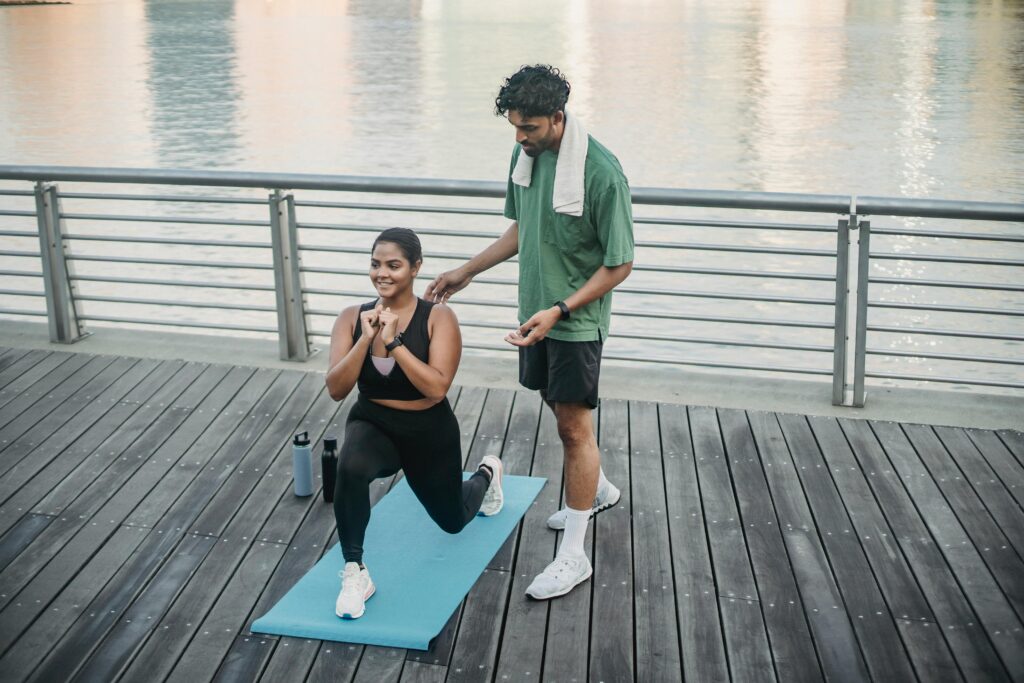
8. Lunges
Lunges are essential for building leg strength and balance. Step forward with one leg, lowering until both knees are at 90 degrees, then push back to the starting position. Lunges strengthen your quads, glutes, and hamstrings, preparing you for the demands of uphill and downhill sections of a hike.
9. Bulgarian Split Squat
Elevate one foot on a bench behind you and lower yourself into a squat on the other leg. Perhaps one of the most effective bodyweight leg exercise, this advanced move builds strength in the quads and glutes and enhances balance, making it easier to manage tricky terrains.
10. Mountain Climbers
Mountain climbers are a dynamic exercise that builds core strength and cardiovascular endurance. Start in a plank position and alternate bringing each knee to your chest. This move boosts your stamina and strengthens the core and lower body, enhancing your overall endurance.
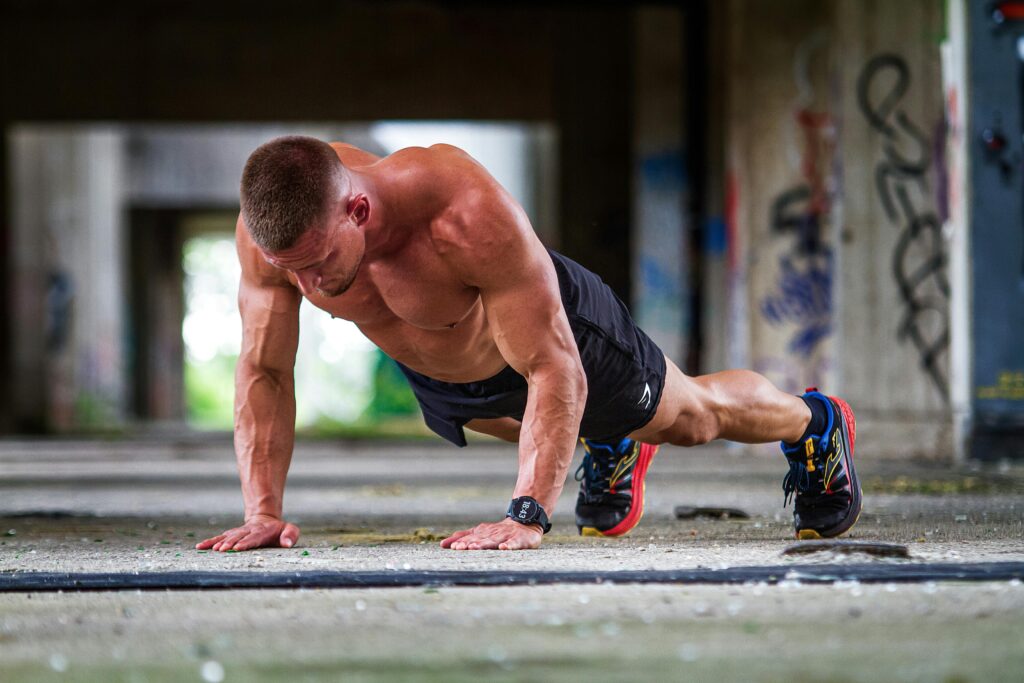
11. Push-Ups
Push-ups are great bodyweight chest exercise that focuses on the upper body, shoulders, and core. They improve body strength, which is beneficial for carrying a heavy backpack. Perform them by placing hands shoulder-width apart and lowering your chest to the floor, then pushing up.
12. Leopard Crawl
The leopard crawl improves core stability, coordination, and overall strength. Begin on hands and knees, lift your knees slightly, and crawl forward with alternating arm and leg movements. This move prepares you for navigating low obstacles and uneven surfaces.
13. Hip Hinge
Stand with feet shoulder-width apart and hinge forward at the hips, keeping your back flat and knees slightly bent. This move targets the hamstrings, glutes, and lower back, helping you manage prolonged downhill hikes.
14. Side Plank
Another bodyweight core exercise, side planks strengthen your obliques and improve lateral stability. Lie on your side with legs straight, then lift your hips off the ground, supporting yourself on one forearm. This exercise stabilizes your core, which is essential for maintaining balance on rocky trails.

15. Shoulder CARs (Controlled Articular Rotations)
To perform shoulder CARs, stand straight, extend one arm, and slowly move it in a circular motion, focusing on control and range. This move improves shoulder mobility and strengthens stabilizing muscles, making it easier to carry a backpack.
Training & Recovery Tips for Bodyweight Hiking Exercises
When starting a bodyweight exercise routine, especially one designed to enhance your hiking abilities, there are some essential points to keep in mind.
Proper preparation, execution, and recovery can make all the difference in preventing injury, maximizing gains, and ensuring your training translates effectively to the trail. Here are some crucial aspects to consider:
Warm-Up & Mobility
Before starting any bodyweight workout, take a few minutes to warm up and mobilise your joints. A proper warm-up increases blood flow, raises body temperature, and prepares your muscles for movement, reducing the risk of strains or stiffness.
Focus on dynamic movements such as leg swings, hip circles, arm rotations, and gentle bodyweight squats to loosen the hips, ankles, shoulders, and spine — all areas heavily used when hiking.
Cool Down & Recovery
Cooling down after training helps your body gradually return to a resting state and reduces post-workout soreness. Light stretching and slow, controlled movements improve circulation and help muscles recover more efficiently.
Recovery is just as important as the workout itself — allow time between sessions for your body to adapt and rebuild, especially if you’re combining training with regular hikes.
Fuel & Hydration
Fueling your body properly supports both performance and recovery. Carbohydrates replenish energy stores, protein aids muscle repair, and healthy fats support joint and connective tissue health.
Staying well hydrated is equally important, as dehydration can lead to fatigue, cramping, and reduced balance. Drink water consistently throughout the day and increase intake around training sessions and longer hikes.
Listen to Your Body
Progress comes from consistency, not pushing through pain. Muscle fatigue is normal, but persistent soreness, joint pain, or sharp discomfort are signs to slow down or rest.
Build gradually, prioritise good form over speed or reps, and don’t be afraid to scale exercises back when needed. Rest days are a key part of training and help keep you healthy, motivated, and injury-free over the long term.

Where to Next?
If you’re enjoying bodyweight training and want to keep building trail-ready strength, these articles expand on the same principles — adding structure, variety, and progression depending on how you prefer to train.
- 10 Best Hiking Exercises to Build Stamina, Strength, and Balance
A broader look at hiking-specific exercises that blend strength, balance, and endurance. - 14 Best Leg Strengthening Exercises for Hikers
Targeted lower-body training to improve climbing power, downhill control, and injury resilience. - Best Gym Exercises for Hikers: How to Build Trail-Ready Strength Indoors
Ideal if you want to supplement hiking with structured gym-based strength work.
Each of these builds on the same foundation — helping you move better, feel stronger, and stay comfortable on longer, more demanding hikes.
In Conclusion
Incorporating bodyweight exercises into your training routine is a highly effective way to build the strength, stability, and endurance needed for hiking, without the need for equipment or gym access.
By focusing on functional movements that replicate the demands of the trail, you can prepare your body to handle diverse terrain, steep climbs, and the physical challenges that come with hiking.
Whether you’re a beginner or an experienced hiker, these 15 exercises will help you get trail-ready, enhancing your hiking experience and allowing you to tackle new heights with confidence and ease.


