
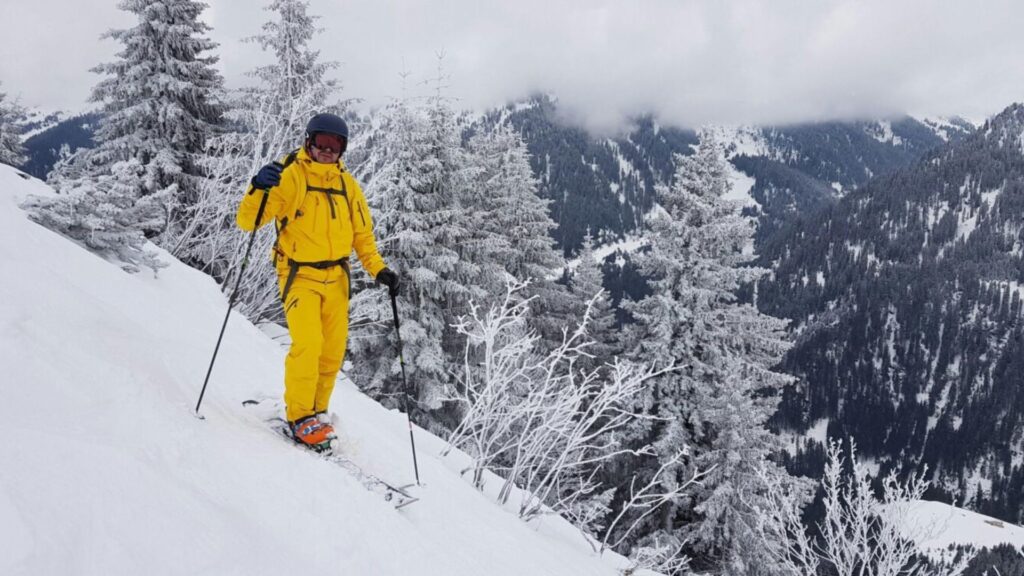
An overview of the main differences and similarities between these three walking activities…
While all three activities—hiking, trekking, and backpacking—involve walking, they differ in their demands, duration, and purpose. Each has distinct characteristics that set it apart from the others, and understanding these differences can help you choose the right activity for your preferences and skill level.
In this article, we’ll break down the definitions, main features, and differences between hiking, trekking, and backpacking so you can determine which activity best suits your next outdoor adventure.
What Is Hiking?
Hiking generally refers to an outdoor activity that involves a walk on trails or paths, often through scenic landscapes. It typically involves routes longer than one mile, with most hikes lasting anywhere from one hour to a full day, making them a manageable option for anyone looking to enjoy a day in nature without extended preparation.
Hiking can range from easy, leisurely strolls to more challenging routes that require moderate fitness and stamina, and the primary goal is often recreation or fitness.
Best for day adventures where simplicity, scenery, and minimal gear matter more than distance or duration.
One common way to differentiate hiking from walking is by the terrain and distance covered. Hikes often take place on nature trails, forest paths, or national parks, whereas a walk can be as simple as a short, casual trip around the neighborhood.
Interestingly, research suggests that hiking generally burns more calories than walking, especially if done on rugged terrain with a loaded backpack.
While walking has shown positive effects on mental health and weight management, hiking on uneven or inclined surfaces can further increase physical exertion and cardiovascular benefits.

What Is Trekking?
While hiking and trekking are sometimes used interchangeably, trekking tends to involve a longer and more challenging journey, often on unmarked or less-traveled paths that may not be easily accessible.
According to the Oxford Dictionary, trekking involves making a long, often arduous journey, primarily on foot. Unlike hiking, which is typically undertaken for pleasure, trekking is more physically demanding and is usually carried out for the journey itself, often involving multiple days on the trail.
Ideal for hikers who want longer, more demanding journeys that test endurance rather than speed.
Trekking routes can include rough, mountainous terrain, remote villages, or even jungle trails. It often requires more endurance, as trekkers frequently encounter significant elevation changes, unpredictable weather, and longer distances.
Trekking can be a test of physical and mental resilience, as treks are often designed to take adventurers far from the comforts of civilization and into more rugged, untouched natural landscapes.
What is Backpacking?
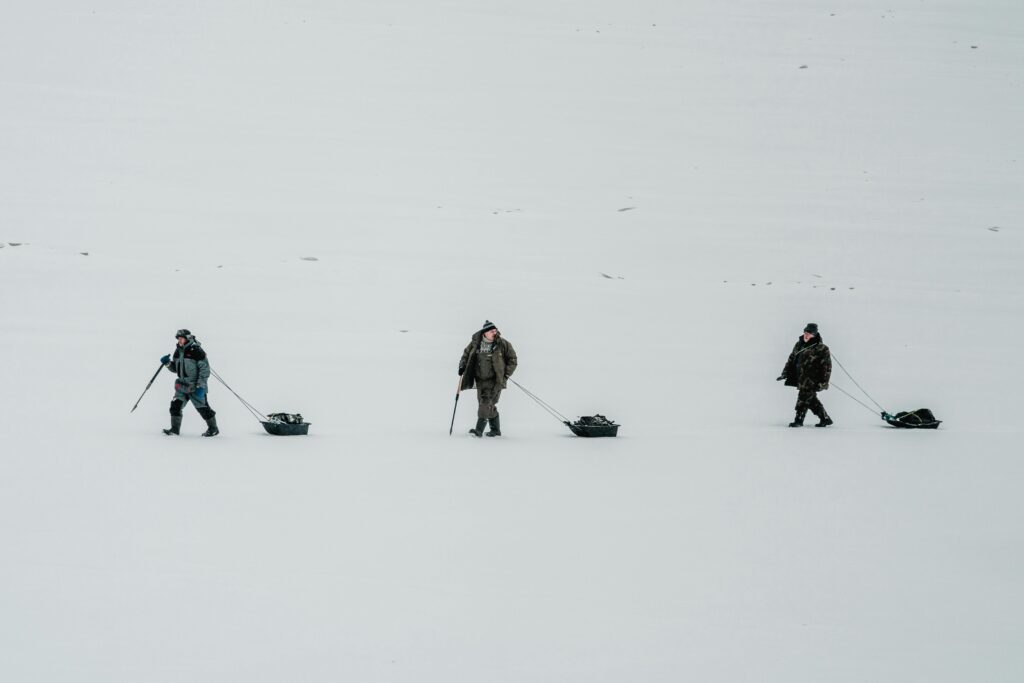
Backpacking is the most extended and resource-intensive of the three activities. Unlike hiking, which is typically limited to day trips, or trekking, which can span a few days to a couple of weeks, backpacking trips often last weeks, months, or even years and frequently cross multiple regions or countries.
Backpacking is popular in areas like Southeast Asia, South America, and Europe, and it blends aspects of hiking with the self-sufficiency and minimalism required for long-term travel.
Designed for extended, self-sufficient travel where everything you need comes with you.
A hallmark of backpacking is carrying everything needed for survival in a backpack, including food, water, shelter, clothing, and often cooking equipment.
Backpacking usually requires more planning and logistical preparation than hiking or trekking, as backpackers need to consider access to food supplies, shelter options, and sometimes even permits for crossing borders.
However, some backpackers choose routes where accommodation options like hostels or guesthouses are available along the way, reducing the need for extensive camping gear.

Comparing Hiking, Trekking, and Backpacking
While all three activities involve walking and exploration, several factors set them apart. Below, we’ll compare hiking, trekking, and backpacking based on their differences in duration, terrain, equipment, and clothing needs.
“Every hiker starts somewhere — grab your free Hiking for Beginners guide.”
Duration
The primary distinction among hiking, trekking, and backpacking is the time commitment required.
- Hiking: Typically lasts a few hours to a full day, with minimal overnight preparation.
- Trekking: Usually spans a full day or several days, with some treks lasting over a week, requiring additional planning for sustenance and rest.
- Backpacking: Involves the longest duration, often spanning weeks, months, or even years, especially if the journey crosses multiple regions or countries. Backpacking requires extensive planning, preparation, and resource management.

Terrain
Each activity also differs in the type of terrain it involves, which can significantly impact the required level of fitness and experience.
- Hiking: Primarily done on marked trails, paths, or national park routes. Hiking trails vary from easy flat paths to moderately challenging inclines, typically remaining accessible and not overly remote.
- Trekking: Often occurs on rougher, more remote, and unmarked terrain. Trekkers may encounter steep inclines, river crossings, and challenging landscapes that require strong navigation skills and sometimes assistance from local guides.
- Backpacking: Like trekking, backpacking can include diverse terrain but covers an even wider range of landscapes, from cities and towns to wilderness trails and mountainous regions. Backpacking routes are often more flexible, allowing travelers to adapt their paths based on accommodation availability, local advice, and trail accessibility.
Equipment
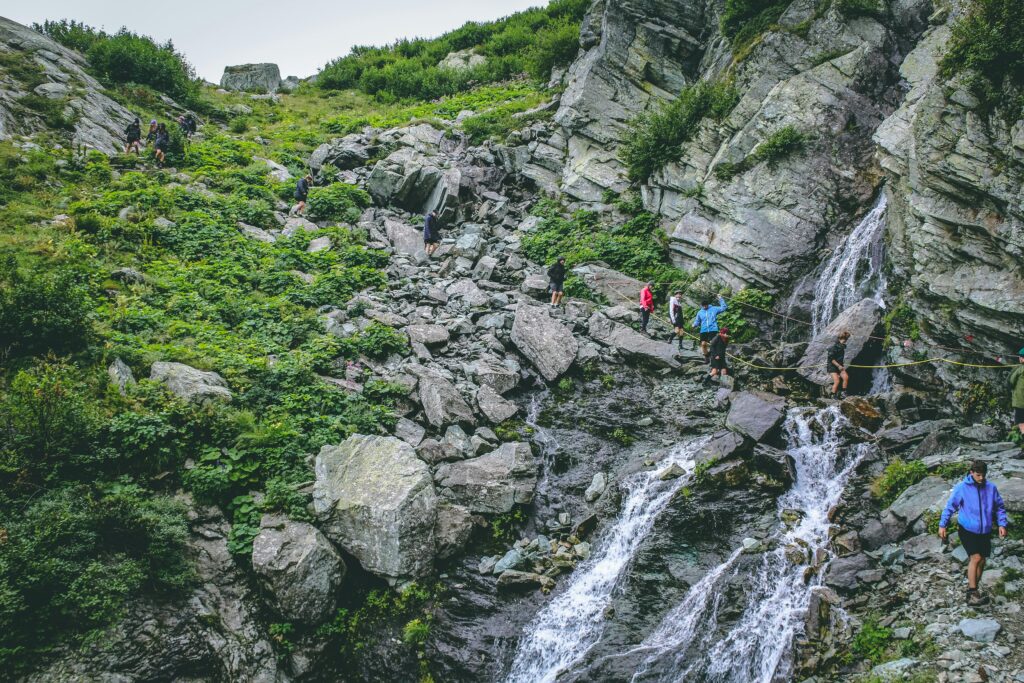
Due to the varying intensity and duration of these activities, the gear needed differs for each.
- Hiking: For a short day hike, a small backpack with essentials like water, snacks, a map, and a first-aid kit may be enough. Many hikers also bring trekking poles, sunscreen, and a hat.
- Trekking: Requires more comprehensive equipment, as the journey is longer and more demanding. Trekkers often carry a larger backpack that includes water, food, a tent, sleeping bag, and additional clothing layers. Other trekking essentials might include a headlamp, navigation tools, portable stove, and a basic repair kit.
- Backpacking: As backpacking trips are extended, they require a well-planned, versatile set of gear that supports long-term travel. Backpackers often pack multi-use clothing, toiletries, a camping stove, cooking utensils, food rations, water purification tools, and compact, lightweight sleeping equipment. Since backpackers cross multiple environments, they need versatile gear that can adapt to various climates and terrains.
Clothing
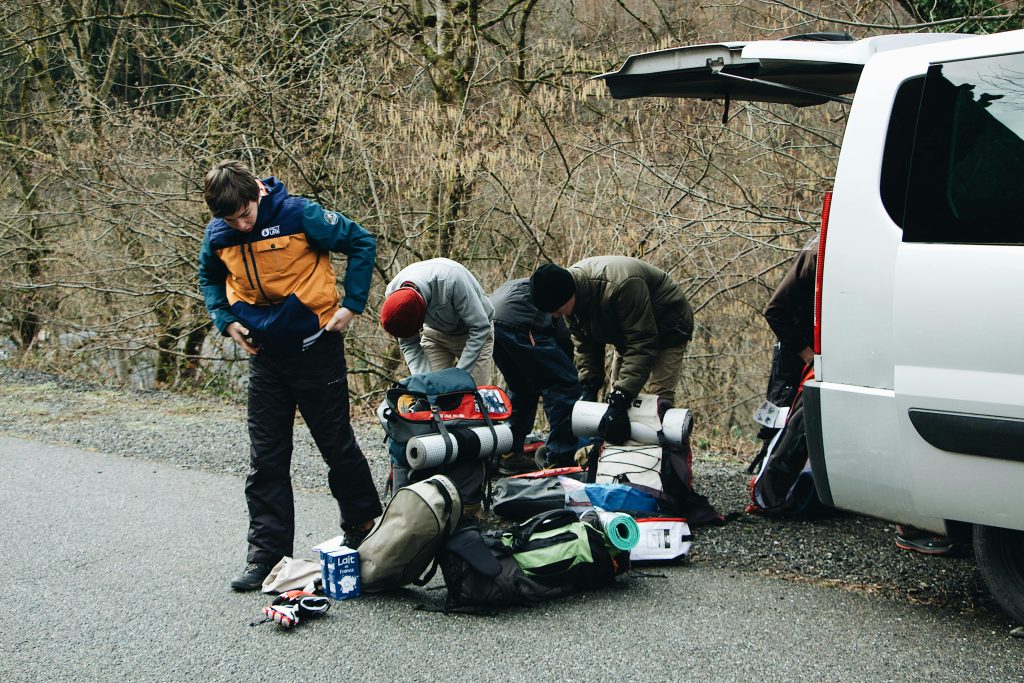
Just like equipment, clothing choices vary significantly between hiking, trekking, and backpacking due to different environmental exposures and the length of time spent outdoors.
🗒️ Free Checklist: “Never forget the essentials — grab your free Ultimate Hiking Packing List.”
- Hiking: Hikers usually dress in comfortable, moisture-wicking layers suitable for the local climate. Sturdy hiking boots, weather-appropriate outerwear, and sun protection are generally sufficient.
- Trekking: Trekkers often require more durable, weather-resistant clothing suited for rugged terrain and varying conditions. Layering is crucial, as trekkers may encounter multiple weather shifts throughout the day, especially at higher elevations. A reliable rain jacket, thermal layers, gloves, and a hat are often necessary for trekking.
- Backpacking: Since backpacking involves long-term travel, backpackers often prioritize lightweight, versatile clothing. Multi-functional layers, quick-drying fabrics, and compact outerwear are ideal for managing diverse weather conditions and minimizing pack weight. Backpackers also carry multiple clothing options to allow for changes in temperature and unexpected conditions.
In Conclusion
While hiking, trekking, and backpacking all involve walking, each activity offers a unique experience shaped by its demands, duration, and purpose. Hiking is the most accessible, providing a fun day out on marked trails with minimal preparation.
Trekking, on the other hand, is more intense, challenging participants to navigate rugged, often unmarked paths over multiple days, requiring more gear and physical resilience.
Backpacking, the most involved of the three, combines elements of hiking and trekking into a long-term journey that spans diverse environments and requires a comprehensive, self-sufficient approach to travel.
Choosing between hiking, trekking, and backpacking depends on your preferences, fitness level, and appetite for adventure.
Whether you’re looking for a day in nature, a challenging multi-day trek, or an extended journey through new landscapes, understanding these differences will help you prepare accordingly and make the most of your outdoor experience.
Where to Next?
- Ultimate Guides – your gateway to hiking across Europe
- Hikes & Trails – curated lists of the best hikes and local gems
- Walking Holidays – extended journeys for when a single day just isn’t enough
- General Blog – all the extras: gear reviews, planning tips, and personal stories


