
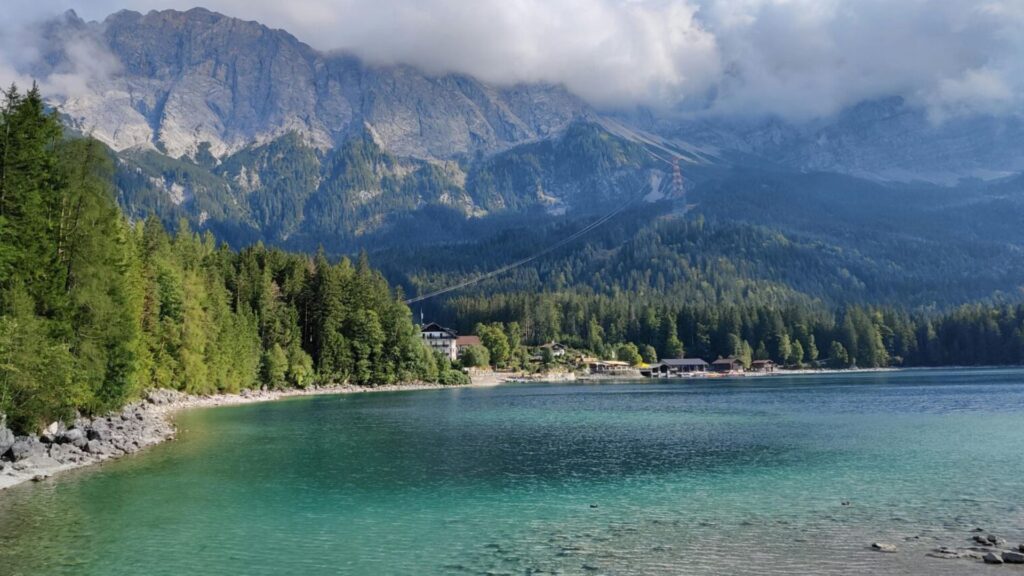
A comprehensive summary of the Alps, their formation, and all you need to know for hiking, trekking, and backpacking in the region…
Hiking through the European Alps offers one of the most exhilarating and breathtaking experiences imaginable.
Covering multiple countries and providing endless trails of varying difficulty levels, the Alps cater to everyone from novice hikers to seasoned mountaineers.
With countless paths that stretch across diverse landscapes, from verdant valleys to rugged peaks, there is something to suit every skill level.
Whether you’re seeking an adrenaline-pumping trek or a scenic walk through picturesque meadows, the Alps promise a hiking adventure for everyone.
Where and What Are the Alps?
The Alps span eight countries in Europe, creating an iconic mountain range that extends across France, Switzerland, Italy, Germany, Austria, Slovenia, Monaco, and Liechtenstein.
This breathtaking range covers around 750 miles (1,200 kilometers) and is home to some of the tallest and most famous peaks in Europe, such as Mont Blanc, the Matterhorn, and the Eiger.
“Plan less, walk more.” Pick a route, set your pace, and let Europe unfold under your boots: grab your free Walking Holiday ebook today”
Major Peaks in the Alps
- Mont Blanc: The highest peak in the Alps, towering at 4,808 meters (15,774 feet), located on the border between France and Italy.
- Matterhorn: An iconic and challenging peak that reaches 4,478 meters (14,692 feet) on the Swiss-Italian border.
- The Eiger: A famous peak in the Bernese Alps of Switzerland, known for its challenging north face, at an elevation of 3,967 meters (13,015 feet).
The diverse geography of the Alps, combined with the range of trails and natural wonders, makes it a haven for hikers from all over the world.
The region is also historically and culturally rich, with remnants of ancient trade routes, war sites, and charming alpine villages that reflect centuries of European heritage.
Why Hike in the European Alps?
Exploring the Alps offers unique and extensive benefits for hikers, trekkers, and backpackers alike:
- Endless Trails and Difficulty Levels: The Alps provide a range of routes suitable for all skill levels, from short scenic hikes to more challenging treks and backcountry expeditions.
- Well-Developed Infrastructure: The Alps are known for their excellent infrastructure, with mountain huts, hotels, and hostels available along many trails, which is rare in other mountain ranges.
- Culinary Richness: Hikers in the Alps can indulge in a variety of regional cuisines and local wines. Each area has its own specialty dishes, making the Alps a delight for culinary enthusiasts.
- Easy Accessibility: The Alps are well-connected by Europe’s efficient transportation system, with international airports and rail networks making it easy to reach any starting point.
- Rich History and Culture: Along the trails, you’ll encounter historical sites, including World War I landmarks in the Dolomites and ancient trade paths that have been used for centuries.
- Generally No Entry Permits Required: Unlike some trekking regions around the world, the Alps require no special permits for entry. Once in the European Union, travelers can freely cross borders between the alpine countries—just be sure to carry your passport.
Essential Gear for Hiking in the Alps
Packing the right gear is essential when hiking in the Alps due to changing weather and varying terrain. Here’s what you’ll need:
🗒️ Free Checklist: “Never forget the essentials — grab your free Ultimate Hiking Packing List.”
- Hiking Boots: Invest in waterproof, durable hiking boots with ankle support to handle rugged alpine paths and provide comfort on longer hikes.
- Backpack: Choose a well-fitted backpack, ideally with adjustable straps and a capacity between 20-30 liters for day hikes, or larger for multi-day trips.
- Trekking Poles: Poles provide balance and stability, especially on steep or uneven terrain, making them valuable for both beginners and experienced hikers.
- Navigation Tools: Bring maps, compasses, or a GPS device, as certain areas may lack consistent reception.
- First Aid Kit: A compact first aid kit with essentials like bandages, antiseptic, and pain relievers is a must-have.
- Hydration System: Consider a hydration bladder or water bottles and pack a water purification method in case of an emergency.
- Emergency Supplies: Space blankets, multi-tools, and a fire starter are all useful to have in case you encounter unexpected situations on remote trails.

What to Wear in the Alps
Alpine climates can be unpredictable, so it’s important to dress in layers to adapt to sudden weather changes.
- Base Layer: Moisture-wicking thermal wear to keep you warm and dry.
- Mid-Layer: Fleece or down jacket for insulation.
- Outer Layer: Waterproof and windproof jacket and pants to protect against rain and strong winds.
- Hat and Gloves: Essential for cooler temperatures, especially at higher elevations.
- Socks: Invest in quality hiking socks made of wool or synthetic blends to prevent blisters and provide comfort.
- Sunglasses and Sunscreen: UV exposure is intense at high altitudes, so sun protection is vital.

When to Go Hiking in the Alps
The best time to hike in the Alps generally falls between late spring and early autumn, from June to September.
During these months, trails are accessible, and temperatures are comfortable, with minimal snow cover on most routes.
- June and July: Ideal for blooming alpine meadows and clear trails, as well as long daylight hours for extended hiking.
- August: Often warmer but can be busier with tourists, especially in popular regions like the Mont Blanc area.
- September: Fewer crowds and vibrant fall foliage make September a beautiful time to hike, but check trail conditions as weather begins to shift toward autumn.
Winter hiking in the Alps, while possible, is more challenging and often limited to specific routes due to heavy snow cover.
Many trails remain open for snowshoeing or ski touring, though these activities require specialized gear and experience in cold-weather trekking.
“First time on the trail? Hiking for Beginners has your back.”
Best Trails to Hike in the Alps
The very best locations for walking in the Alps…
With hundreds of trails across eight countries, the Alps offer numerous iconic hikes with stunning views and varied terrain. Here are some top recommendations:
Chamonix to Zermatt ‘Trekkers Haute Route’:
This classic high-altitude trail links France to Switzerland, covering around 180 kilometers (111 miles) through mountain passes, glaciers, and alpine meadows.
Mont Blanc Encompassed
Circling Mont Blanc, this famous route traverses parts of France, Italy, and Switzerland, offering breathtaking views of Europe’s highest peak.
Mont Blanc Rambler
A gentler option compared to the full Mont Blanc Circuit, this trail provides shorter segments with stunning views suitable for intermediate hikers.
High Trails of the Bernese Oberland
Located in Switzerland, this trail passes iconic peaks like the Eiger and offers views of Switzerland’s most majestic glaciers.
Gran Paradiso Adventure
Italy’s Gran Paradiso National Park features rugged landscapes, wildlife, and scenic valleys. The Gran Paradiso peak is Italy’s tallest, accessible solely within Italian borders.
Tour de Monte Rosa
A challenging trek around the Monte Rosa massif, this multi-day hike spans the Swiss-Italian border and offers a rewarding journey through remote valleys.
Dolomites Guided Walk
In northern Italy, the Dolomites offer a blend of historical significance and surreal landscapes with jagged peaks and lush valleys.
Via Ferrata Guided Walk
Also in the Dolomites, these trails incorporate fixed cables and ladders, making it a thrilling adventure for experienced hikers.
The Alpine Pass Route
This 390-kilometer trail stretches across Switzerland, covering the entire country east to west and offering spectacular views of Swiss alpine landscapes.
Tyrol – Austria & Germany
Tyrol offers a mix of challenging mountain routes and easier paths through lush meadows. Popular areas include the Zugspitze, Germany’s highest peak, and Austria’s scenic Stubai Valley.
Practical Tips for Hiking in the Alps
When hiking in the Alps, preparation and local knowledge are essential. Consider these additional tips:
- Use Online Resources and Social Media: Websites and social media platforms provide updated trail conditions, weather reports, and local hiking recommendations.
- Pick Up Local Guides and Maps: Many areas in the Alps may have limited phone reception, so it’s wise to carry physical maps and guides.
- Brush Up on Outdoor Survival Knowledge: Understanding basic outdoor survival skills, especially in colder, mountainous climates, can be invaluable. Knowledge of first aid, navigating in fog, and staying safe during storms can make a big difference.

In Conclusion
The European Alps offer a unique hiking experience with unparalleled landscapes, rich cultural heritage, and diverse trails that cater to all skill levels. Whether you’re setting out for a leisurely hike, a challenging trek, or an extended backpacking adventure, the Alps have something extraordinary to offer.
With the right preparation, gear, and awareness of trail conditions, hiking in the Alps promises an unforgettable adventure filled with natural beauty and the thrill of exploring one of the world’s most iconic mountain ranges.
Where to Next?
If the Alps have sparked your interest, here’s where to continue planning your adventure:
- Best Hikes in Italy – From the Dolomites to Gran Paradiso, discover Italy’s most scenic mountain trails.
- Walking Holidays in France – Explore guided and self-guided options across the French Alps.
- Best Hikes in Austria – Tyrol, alpine lakes, and dramatic ridgelines.
- Hiking in Liechtenstein – Small country, big mountain views.


