

As they say, all good things must come to an end, and that’s certainly true for hiking. However, it’s possible to extend your adventure without resorting to camping in exposed environments.
Many popular hiking trails across Europe feature huts along the route, offering travelers a place to take shelter, enjoy food and drink, and rest for the night.This style of trekking, known as hut-to-hut hiking, offers significant advantages over one-day hikes or multi-day trips requiring camping.
In this article, we’ll explore those benefits, highlight popular European destinations for hut-to-hut hiking, and spotlight five incredible trails for those looking to immerse themselves in nature and experience unforgettable treks through the great outdoors.
So, if you’re considering a hiking trip that involves hut-to-hut trekking, keep reading to learn what’s in store for your adventure!
- What is Hut-To-Hut Hiking?
- Types of Hiking Huts
- What Facilities to Expect When Staying in Hiking Huts
- Pros and Cons of Hut-To-Hut Hiking
- What Locations Are Best for Hut-To-Hut Hiking?
- Other Types of Walking Holidays to Consider
- The Best Trails for Hut-To-Hut Hiking in Europe
- Must-Visit Famous Trails & Huts
- Key Considerations for Hut-To-Hut Hiking
- In Conclusion
- Where to Next?
What is Hut-To-Hut Hiking?
Hut-to-hut hiking refers to multi-day trekking experiences along trails equipped with strategically located mountain huts. These purpose-built shelters allow hikers to extend their journeys without needing to carry heavy camping gear.
Officially, hut-to-hut hiking is defined as a form of trekking where designated accommodations along the trail provide resting points, meals, and sometimes additional amenities like showers or guide services.
In simpler terms, this type of hiking enables you to focus on the trail and scenery without the logistical headaches of setting up camp.
Depending on the region, huts may vary in amenities, ranging from basic, unstaffed shelters with just a roof over your head to well-equipped lodges offering full board, private rooms, and hot meals. Regardless of their style, these huts are maintained to ensure safety and comfort for hikers.
Types of Hiking Huts
Hiking huts across Europe vary widely in comfort, service, and style, depending on the region, altitude, and level of remoteness. Understanding the different hut types helps set realistic expectations before you plan your route.
Serviced Huts
Fully staffed accommodations offering meals, drinks, and sometimes bedding. These are common in regions like the Alps, where luxury lodges blend with traditional alpine hospitality.
Self-Service Huts
These provide basic facilities such as cooking equipment and a roof over your head. Hikers must bring their own food and sometimes even sleeping gear.
🗒️ Free Checklist: “Never forget the essentials — grab your free Ultimate Hiking Packing List.”
Dorm-Style Huts
These huts feature shared sleeping areas, accommodating multiple travelers. They are ideal for groups or solo hikers on a budget.
Private Rooms in Huts
Available in some regions, these rooms offer privacy for individuals or small groups.
Bothies
Unique to the Scottish Highlands, bothies are simple stone cottages or huts open to hikers free of charge. They are often very basic, with no electricity or running water.
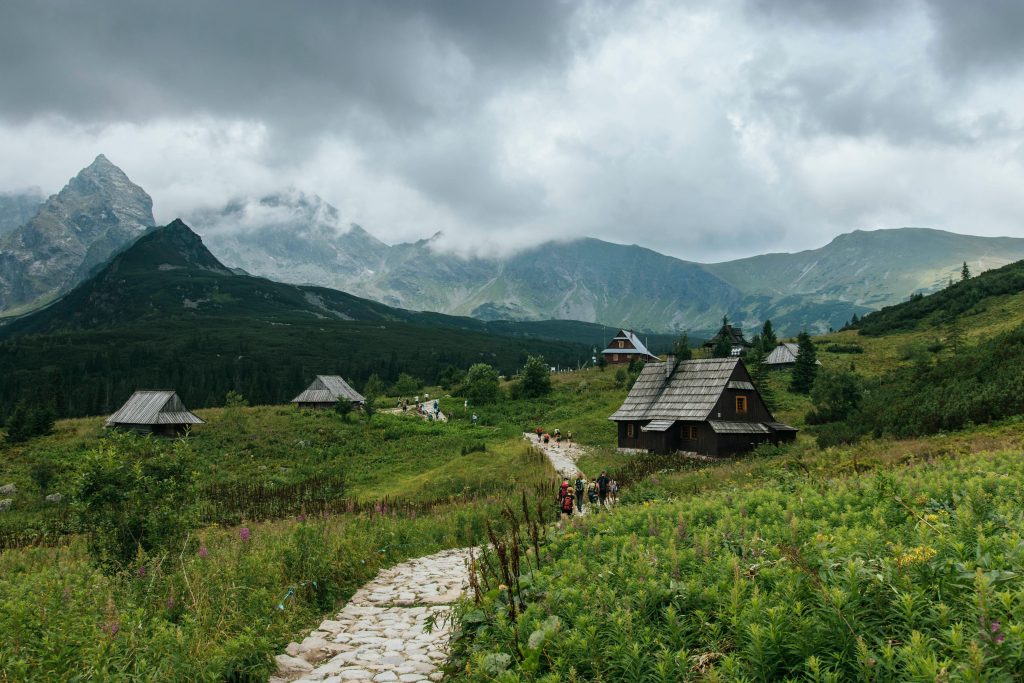
Architecturally, European hiking huts often reflect local traditions, using materials like wood, stone, and slate to harmonize with their surroundings. From rustic lodges in the Dolomites to sleek, modern alpine refuges, hikers can expect a variety of styles across Europe.
What Facilities to Expect When Staying in Hiking Huts
Facilities in hiking huts depend on their type and location. Basic huts might only provide shelter and a water source, while serviced huts can include hot meals, Wi-Fi, and even sauna facilities. Here’s what you might encounter:
- Sleeping Arrangements: Ranging from dormitory-style bunks to private rooms, typically equipped with mattresses and blankets.
- Food and Drink: Many huts offer hearty local cuisine and drinks, though some may only provide a kitchen for self-catering.
- Sanitation: Bathrooms vary from outhouses to modern restrooms with hot showers.
- Power and Connectivity: Limited electricity and Wi-Fi availability in remote areas.
Always check in advance what a specific hut offers to plan your trip accordingly.
Pros and Cons of Hut-To-Hut Hiking
Hut-to-hut hiking offers numerous benefits, but it also has its downsides. Knowing these pros and cons will help you prepare for a safe and enjoyable experience.
Benefits of Hut-To-Hut Hiking:
- Lightened Load: No need to carry heavy camping equipment or extensive food supplies.
- Extended Treks: Allows access to trails too long for single-day hikes.
- Comfort: A roof over your head and warm meals provide a welcome break from the elements.
- Community: Shared huts foster camaraderie with fellow hikers.
- Safety: Huts serve as safe havens in bad weather or emergencies.
While hut-to-hut hiking offers convenience and comfort, it still demands preparation, awareness, and realistic expectations — especially in remote or high-altitude environments.
Drawbacks of Hut-To-Hut Hiking:
- False Sense of Security: Inexperienced hikers may overestimate their safety due to the presence of huts.
- Limited Availability: Popular huts often require reservations far in advance.
- Less Privacy: Shared accommodations may lack solitude.
- Cost: While often cheaper than hotels, serviced huts can still be pricey compared to camping.

What Locations Are Best for Hut-To-Hut Hiking?
Europe’s diverse climates and landscapes make it a paradise for hut-to-hut hiking. Whether you prefer warm, sunlit trails or challenging snow-covered routes, there’s something for everyone.
Warm Climate Locations for Hut-To-Hut Hiking in Europe
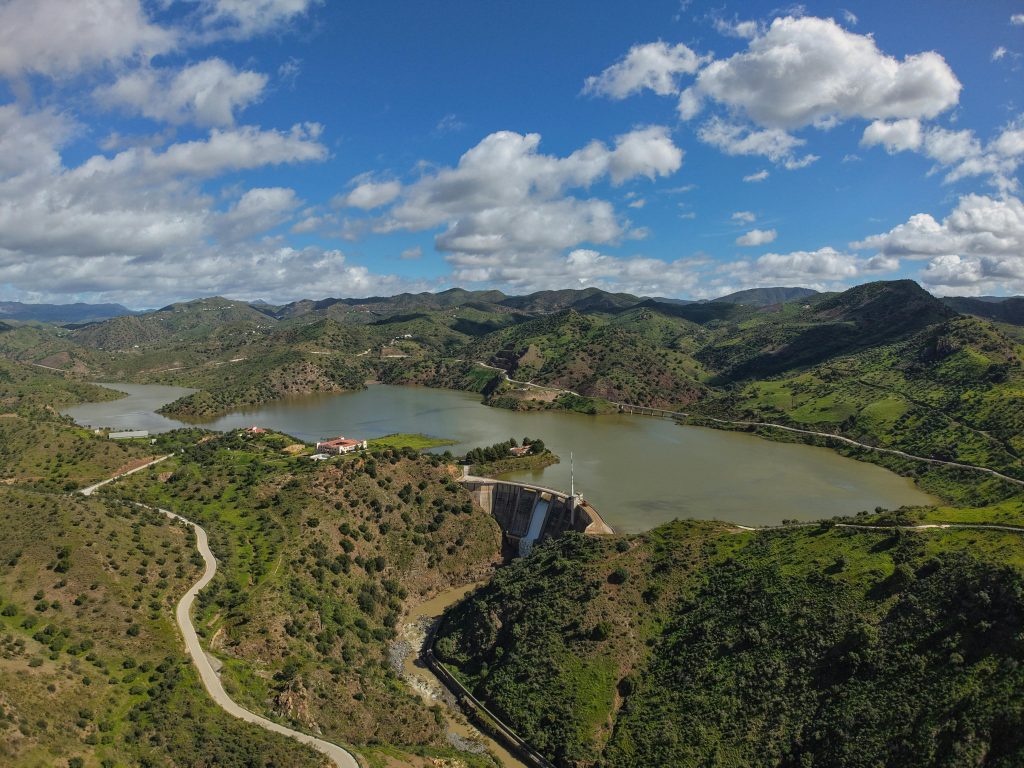
Southern European hut-to-hut routes tend to offer longer seasons, milder conditions, and a mix of coastal, forest, and lower-altitude mountain trails.
- Cinque Terre, Italy: Famous for its colorful villages and coastal views, Cinque Terre offers year-round mild weather.
- Madeira, Portugal: Known as the “Island of Eternal Spring,” Madeira’s levadas provide unique hiking experiences.
- Andalusia, Spain: Offers sun-soaked trails, perfect for exploring even in winter.
Cold & Alpine Regions for Hut-To-Hut Hiking
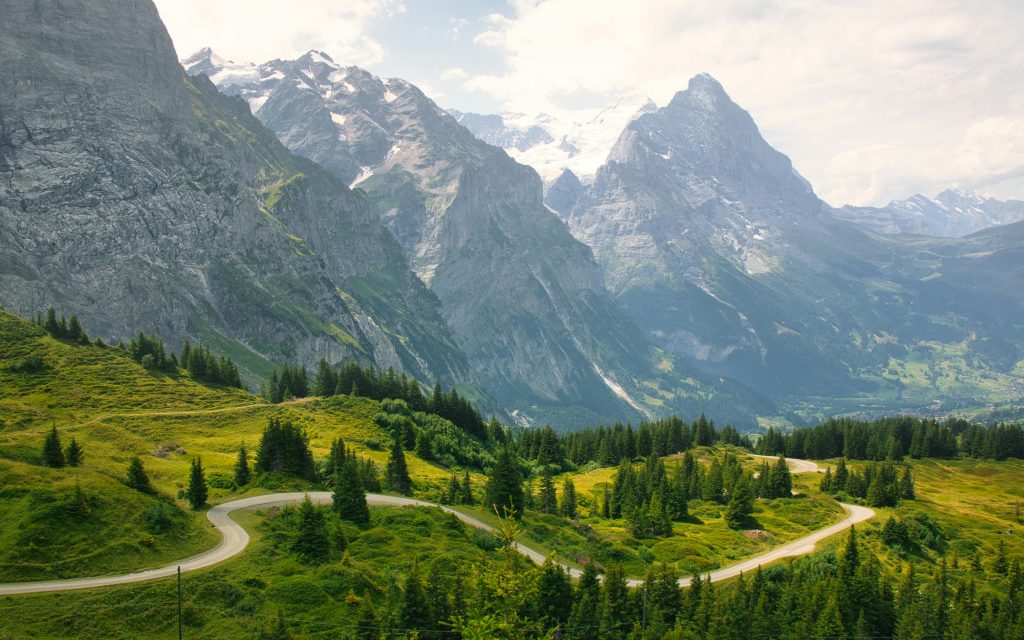
Alpine and northern regions provide dramatic landscapes and classic hut networks, but often require stronger fitness, weather awareness, and seasonal planning.
- The Alps (France, Switzerland, Austria): The classic choice for mountaineers, with trails accessible year-round.
- Lapland (Finland, Sweden, Norway): Offers breathtaking Arctic landscapes and opportunities for spotting the Northern Lights.
- Scottish Highlands: Rugged, wild, and ideal for lovers of crisp mountain air (and hairy cows!)
Other Types of Walking Holidays to Consider
Hut-to-hut hiking is just one way to explore Europe on foot, and it won’t suit every traveller or destination. Depending on how much structure, comfort, and flexibility you want, other walking holiday styles may be a better fit.
If you like covering new ground each day but prefer village accommodation and lighter logistics, point-to-point walking holidays follow a linear route with overnight stays arranged along the way. Luggage transfers are often included, making them a popular middle ground between hut trekking and hotel-based travel.
For a slower pace or more flexibility, centre-based walking holidays allow you to stay in one location and explore nearby trails each day. This style works well in scenic regions with varied loop walks or unpredictable weather.
“Every hiker starts somewhere — grab your free Hiking for Beginners guide.”
The Best Trails for Hut-To-Hut Hiking in Europe
Hut-to-hut trails in Europe range from short scenic walks to demanding multi-day mountain journeys, making this hiking style accessible to both beginners and experienced trekkers.
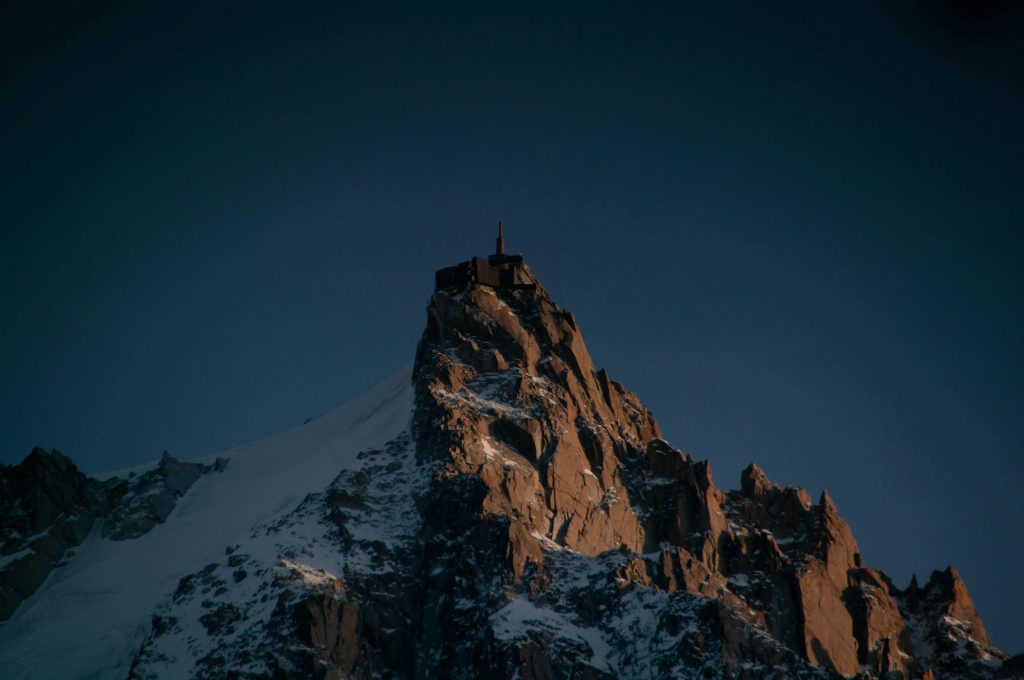
1. Tour du Mont Blanc and Aiguille de Midi – France
One of Europe’s most iconic alpine routes, the Tour du Mont Blanc loops around the Mont Blanc massif, linking classic mountain huts across France, Italy, and Switzerland.
- Best for: Stunning alpine scenery and challenging mountain trails.
- Distance: 58.2 miles (93.7 km).
- Huts Available: Full/Half Board options.
- Duration: 3-4 days.
- Skill Level: Intermediate to Advanced.
- Famous Huts/Viewpoints: Refuge des Cosmiques; views of Mont Blanc.
This iconic trail offers dramatic alpine views, glacier crossings, and wildflower meadows, making it a bucket-list destination.
2. El Camino de Santiago – France and Spain
The Camino de Santiago is a legendary long-distance pilgrimage that combines accessible walking, rich cultural history, and a vast network of simple trail-side accommodation.
- Best for: Spiritual journey and cultural immersion.
- Distance: Varies; the French Way is 500 miles (800 km).
- Huts Available: Half Board.
- Duration: 30+ days (can be broken into sections).
- Skill Level: Beginner to Intermediate.
- Famous Huts/Viewpoints: Albergues in Pamplona and Santiago Cathedral.
This ancient pilgrimage route combines natural beauty with rich history.
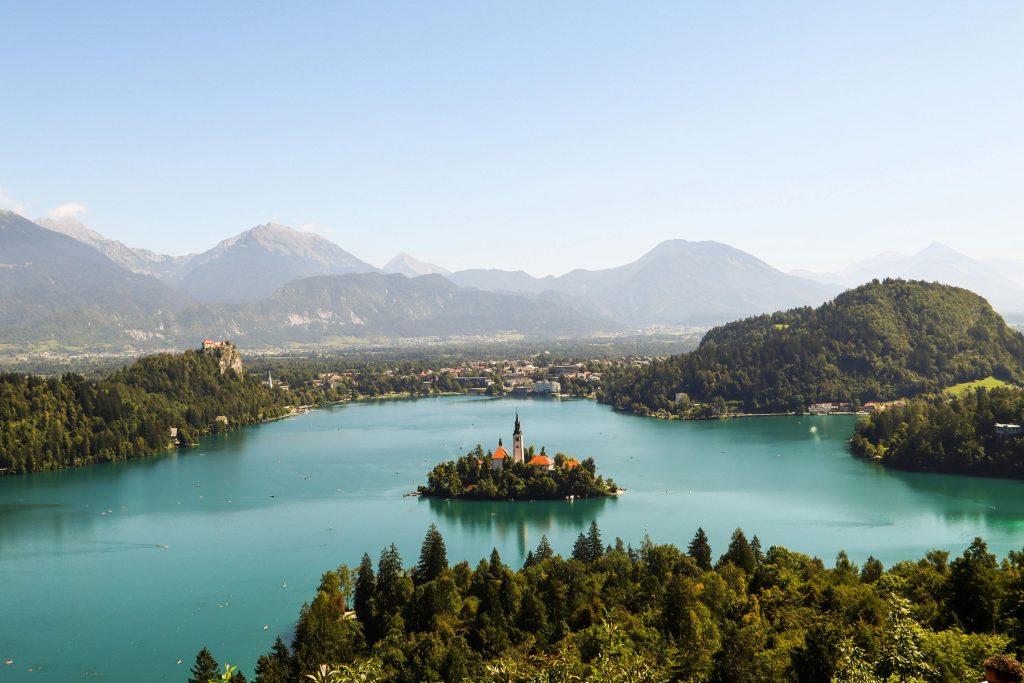
3. Bled and Triglav National Park – Slovenia
Hut-to-hut hiking in Triglav National Park offers a compact alpine experience, pairing dramatic mountain scenery with welcoming Slovenian mountain huts.
- Best for: Lake and mountain views.
- Distance: 31 miles (50 km).
- Huts Available: Half Board.
- Duration: 3-5 days.
- Skill Level: Intermediate.
- Famous Huts/Viewpoints: Triglavski Dom; Lake Bled.
Hiking here offers tranquil alpine settings and postcard-perfect lakes.
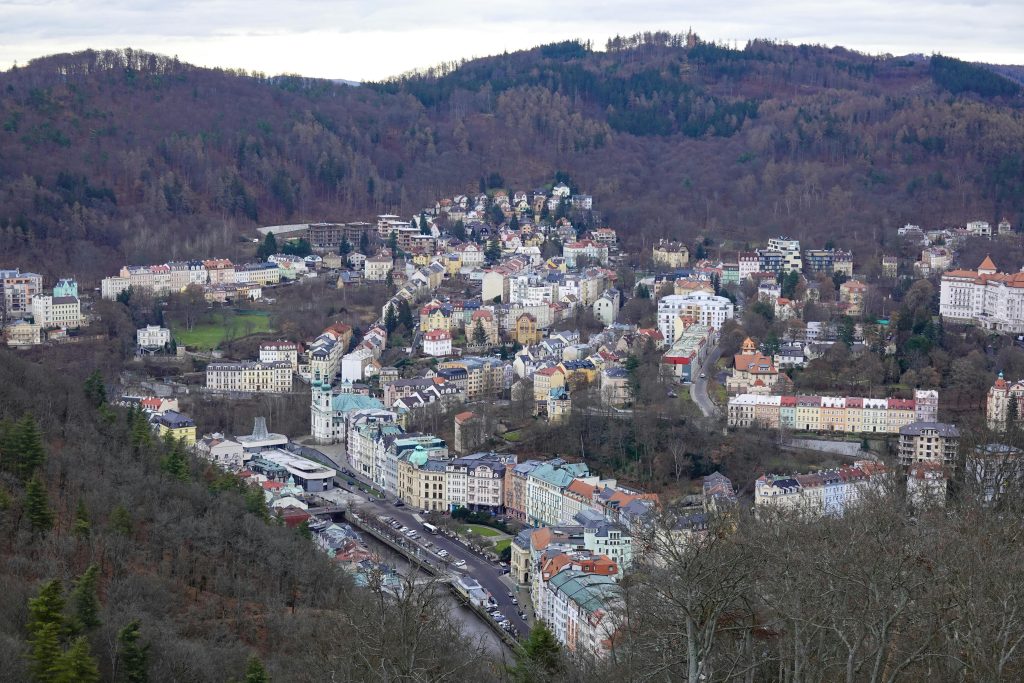
4. Karlovy Vary to Loket – Czech Republic
This short but scenic route follows river valleys and historic towns, making it an ideal introduction to hut-supported walking in Central Europe.
- Best for: Charming towns and river valleys.
- Distance: 12 miles (19 km).
- Huts Available: Half Board.
- Duration: 1-2 days.
- Skill Level: Beginner.
- Famous Huts/Viewpoints: Loket Castle.
Short but scenic, this trail is ideal for history buffs.
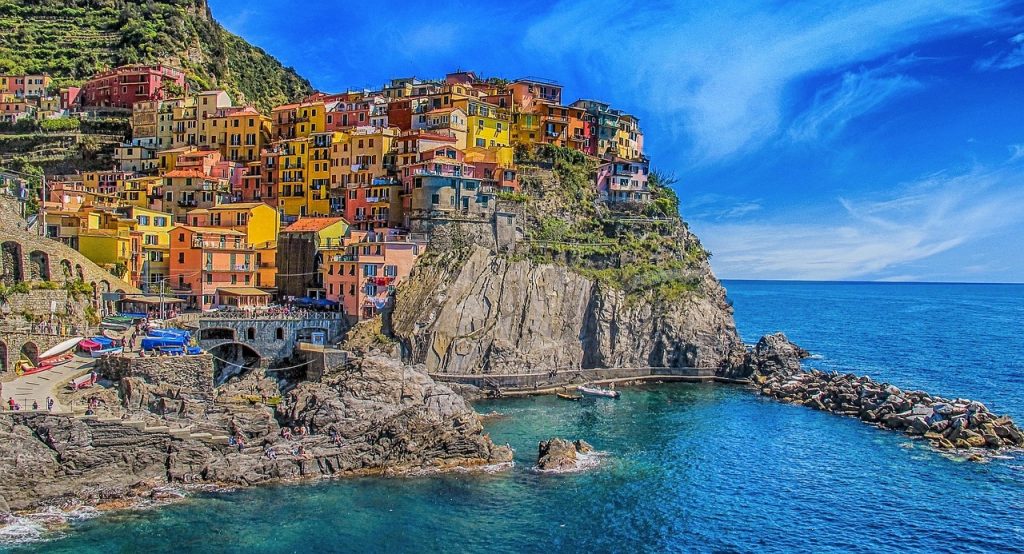
5. Cinque Terre National Park – Italy
Cinque Terre’s coastal trails connect colourful cliffside villages, offering a gentler hut-to-hut-style experience with Mediterranean views throughout.
- Best for: Coastal charm and Mediterranean views.
- Distance: 7.5 miles (12 km).
- Huts Available: Limited; Half Board options nearby.
- Duration: 2-3 days.
- Skill Level: Beginner to Intermediate.
- Famous Huts/Viewpoints: Vernazza and Manarola viewpoints.
This UNESCO World Heritage Site blends vibrant culture with stunning cliffs.
Must-Visit Famous Trails & Huts
Europe features numerous iconic huts, including:
- Refuge du Goûter (France): A favorite for Mont Blanc climbers.
- Rifugio Lagazuoi (Italy): Known for its breathtaking views in the Dolomites.
- Cabane du Trient (Switzerland): Offers a spectacular glacier backdrop.
“Turn your dream trek into a plan — get your free Plan Your Own European Walking Holiday ebook ”
Key Considerations for Hut-To-Hut Hiking
Before embarking on a hut-to-hut adventure, keep the following in mind:
- Research and Book Ahead: Some huts require reservations months in advance.
- Know the Rules: Understand local customs and regulations.
- Pack Appropriately: Bring essentials like a sleeping bag liner, headlamp, and sturdy footwear.
- Respect the Environment: Leave no trace and follow hut etiquette.
- Prepare for Emergencies: Familiarize yourself with local safety services.
In Conclusion
Where to Next?
- Ultimate Guides – your gateway to hiking across Europe
- Hikes & Trails – curated lists of the best hikes and local gems
- Walking Holidays – extended journeys for when a single day just isn’t enough
- General Blog – all the extras: gear reviews, planning tips, and personal stories
Hut-to-hut hiking is one of the most rewarding ways to explore Europe’s stunning landscapes. Whether you prefer the rugged peaks of the Alps, the historic paths of the Camino de Santiago, or the serene lakes of Slovenia, there’s a trail for every adventurer. With proper preparation and a spirit of exploration, you’re sure to create unforgettable memories on your next trek. Happy hiking!


