
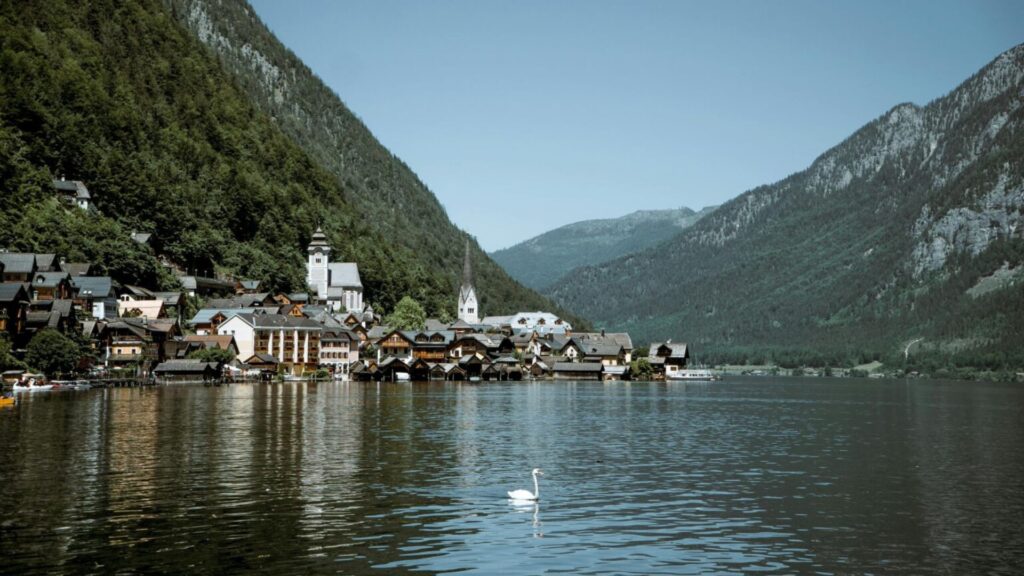
Europe offers one of the world’s most varied walking holiday landscapes, from alpine hut-to-hut routes and rugged coastal trails to countryside paths and historic pilgrimage journeys.
This guide explores some of the best walking destinations in Europe, grouped by the type of experience they suit best, helping you decide where to begin exploring further.
How to Use This Guide
Europe’s best walking destinations are not all trying to offer the same experience.
Some focus on dramatic mountain scenery and physical challenge, while others are built around coastline, culture, food, or slower-paced countryside travel.
This guide groups destinations by the type of experience they suit best, helping you decide where to explore further.
Still unsure what style of trip suits you best? Explore the different types of walking holidays in Europe.
- Why Europe Is Perfect for Walking Holidays
- Alpine & Mountain Walking Destinations
- Coastal & Island Walking Destinations
- Countryside & Cultural Routes
- Pilgrimage & Historic Trails
- Remote & Off-the-Beaten-Track Destinations
- How to Choose the Best Destination for Your Walking Holiday
- Where to Next?
- Final Thoughts on Walking Holidays in Europe
Why Europe Is Perfect for Walking Holidays
Europe is not short on places to walk. What it is short on, however, is places that all feel the same.
One walking holiday might have you climbing switchbacks above glacier-fed valleys, while another takes you meandering between vineyards with a bakery that’s never truly far away.
Some destinations are all about raw scenery and sore legs, while others are much more about rhythm and culture, as well as that quiet satisfaction that comes with moving slowly through a lived-in landscape.
In fact, Europe is actually one of the very few places in the world where walking actually feels like a completely natural way to travel rather than merely a niche hobby! Long before there were cars, trains, and flight routes, people moved through these landscapes on foot.
Villages were spaced a day’s walk apart. Trade followed rivers and valleys. Pilgrims crossed entire regions guided only by landmarks and faith. Many of those same routes still exist, and they are quietly maintained and deeply woven into daily life even today.
So for those of you who enjoy travel that feels grounded rather than rushed, taking a walking holiday in Europe will offer a special kind of freedom that is hard to replicate elsewhere.
That’s because you are not racing from highlight to highlight. Instead, we are going to be watching landscapes that change gradually, hearing different languages over the course of a week, and ending each day with a strong sense of an earned rest!
“First time on the trail? Hiking for Beginners has your back.”
Alpine & Mountain Walking Destinations
Mountain walking is often where people realize how transformative a walking holiday can be.
The physical effort clears mental space and the scenery demands attention, and each day also feels purposeful in a way that modern travel simply often lacks.
Europe’s mountain regions are particularly rewarding because they combine dramatic landscapes along with centuries of experience supporting people on foot.
Switzerland
Switzerland has elevated walking to something close to a science. The trails here are meticulously maintained, signposting is logical and frequent, and the public transport also reaches deep into mountain valleys.
This means that walkers can plan very confidently while still feeling immersed in wild landscapes.
For those of you who enjoy reliability, Switzerland is reassuring but only without being boring. You can choose gentle valley walks one day and high alpine routes the next and then adjust as weather and energy levels shift.
Lakes mirror snow capped peaks and waterfalls tumble down cliffs, and alpine meadows also explode with flowers in summer. Everything feels orderly, yes, but the scenery never feels tame.
Switzerland also suits walkers who appreciate comfort. Accommodation is consistent and the food is dependable, and as an added benefit, the logistics are straightforward. It’s a destination that removes friction so you can focus fully on walking.
Example trail: The Walker’s Haute Route, and especially the sections near Zermatt that come with uninterrupted Matterhorn views.
France, Alps and Pyrenees
France offers two mountain personalities that feel genuinely distinct. The Alps are bold and iconic and polished, while the Pyrenees feel quieter and wilder, and also a lot more traditional. Both are outstanding, but they speak to totally different kinds of walkers.
For those of you who really enjoy classic long distance routes with strong infrastructure, the French Alps deliver in every sense.
Trails are clear and refuges are plentiful, and the scenery is relentlessly dramatic.
The Pyrenees, by contrast, reward patience. The days feel slower and the sense of isolation is a bit stronger, for instance.
France is also ideal for walkers who value food and culture as much as scenery. Even in remote areas, you’ll find that the meals are thoughtful and local, and that’s why they are deeply satisfying.
Example trail: The Tour du Mont Blanc in the Alps, or the GR10 traversing the Pyrenees from coast to coast.
Austria
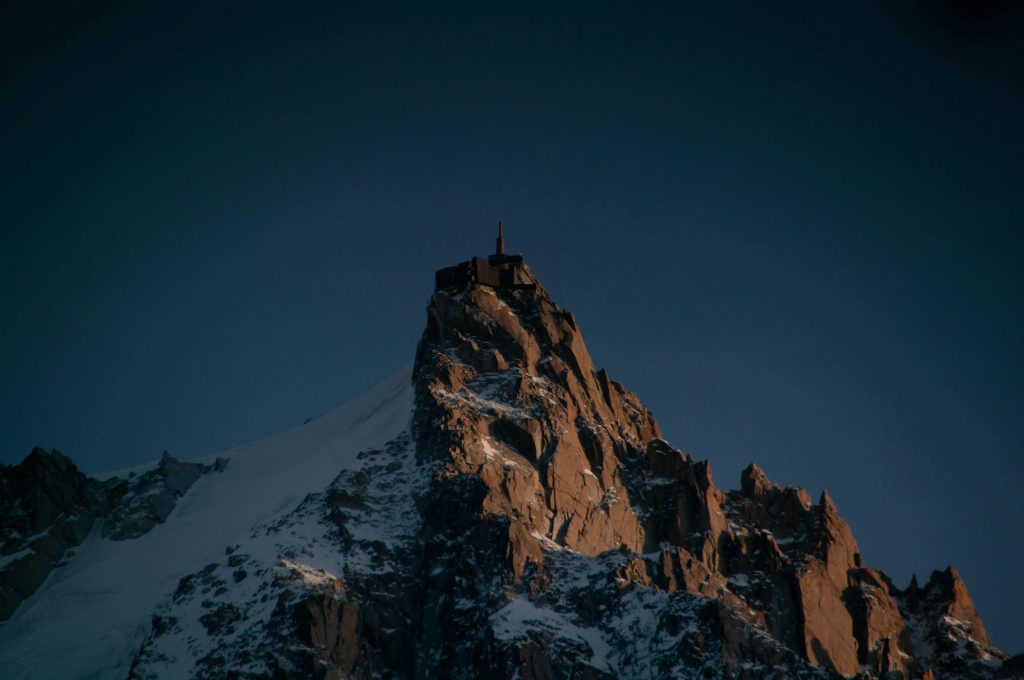
Austria’s walking culture feels quietly confident and also deeply practical. The trails follow natural contours rather than forcing dramatic climbs, and the alpine huts feel welcoming rather than intimidating. Walking here feels woven into everyday life too.
For those of you who enjoy steady progress, Austria is deeply satisfying. The routes often begin in meadows or forests before they climb toward panoramic ridges. Evenings are spent in huts or villages where conversation flows easily and food is hearty and comforting.
Austria is also excellent for walkers who appreciate balance. The days feel full without being exhausting, and the landscapes feel grand without overwhelming too.
Example trail: The Lechweg Trail, which follows the river from its alpine source through gorges and valleys.
Italy, Dolomites and Alps
Italy’s mountain regions bring drama with personality. The Dolomites stand apart visually thanks to their jagged limestone peaks that are often glowing pink and gold at sunrise and sunset.
Even short walks feel cinematic because the terrain itself is so expressive!
For those of you who really enjoy walking as part of a broader cultural experience, Italy excels incredibly easy.
The trails pass rifugi serving excellent food, the villages feel lively rather than sleepy, and the coffee breaks are always treated as essential rather than merely optional!
Walking here feels social and sensory and deeply enjoyable.
Italy’s alpine regions also suit walkers who want variety. You can mix demanding days with gentler walks and cultural visits, and you can also have long lunches without feeling like you are compromising the experience.
Example trail: Alta Via 1, which is a classic hut to hut route straight through the heart of the Dolomites.
Slovenia, Julian Alps
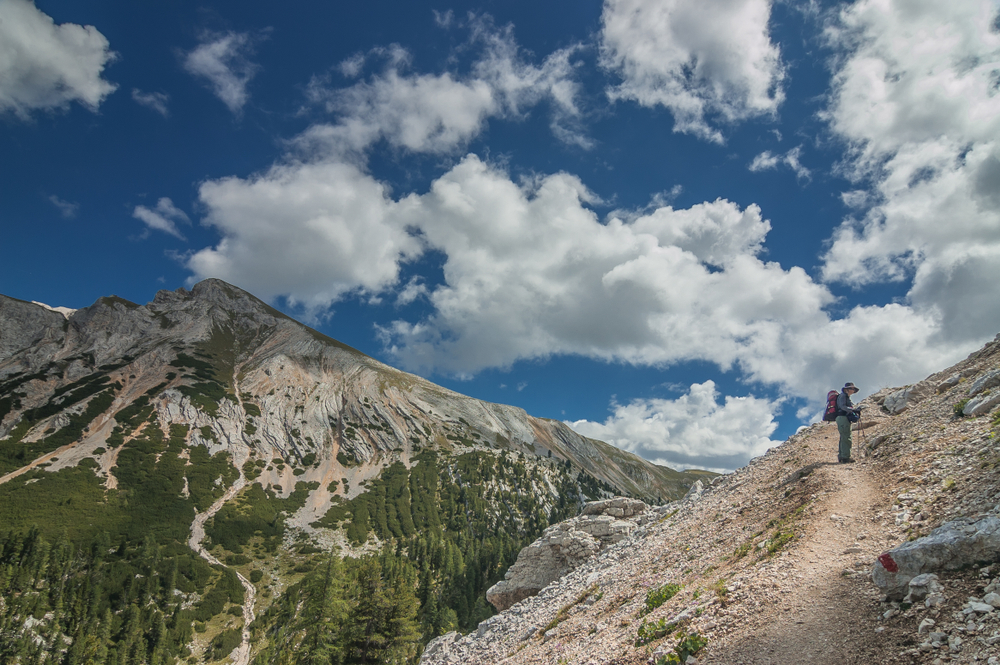
Slovenia remains one of Europe’s most underrated walking destinations. The Julian Alps are compact but striking because they offer emerald lakes with dense forests and sharp peaks within a relatively small area.
The trails here are well maintained, and yet the crowds are light.
For those of you who really enjoy discovering places that still feel relaxed and authentic, Slovenia is an excellent choice.
Distances between highlights are short, which makes it very easy to combine walking with swimming with sightseeing or rest days.
Walking here often feels intimate too. You move easily between wild landscapes and small towns, and you are never far from a warm meal or a quiet place to rest!
Example trail: Triglav National Park routes around Lake Bohinj and Mount Triglav.
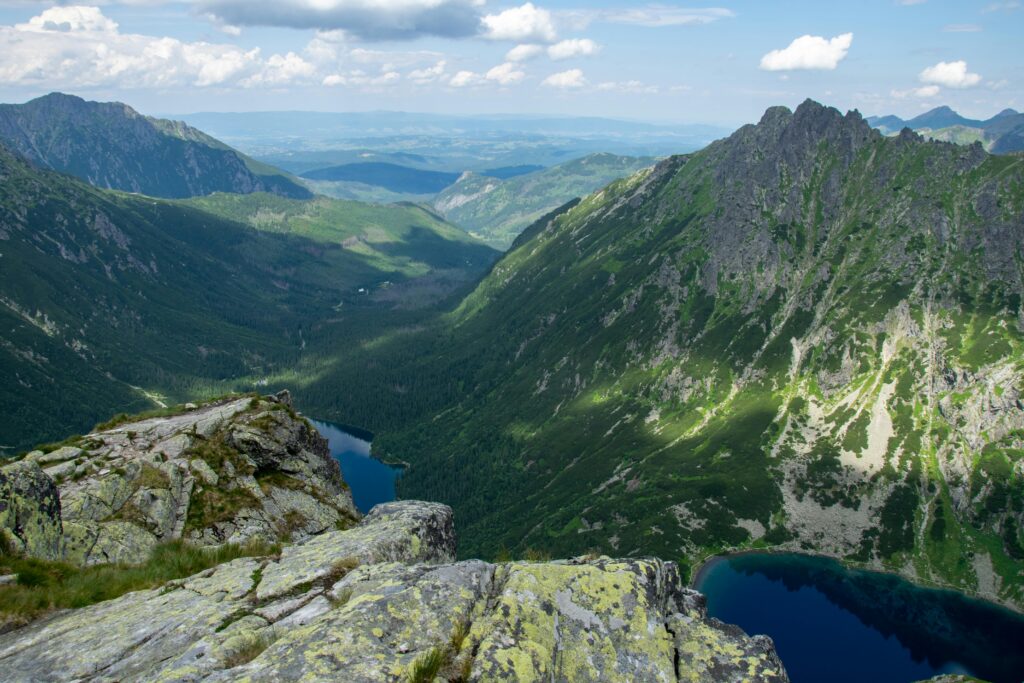
Slovakia and Poland, High Tatras
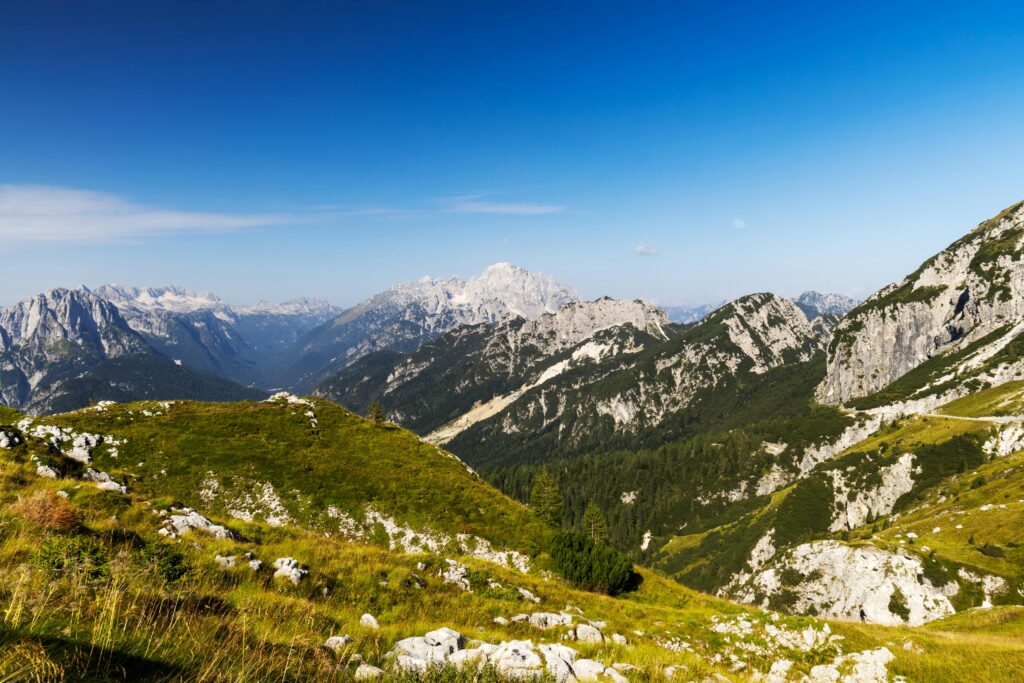
The High Tatras rise abruptly from surrounding lowlands, which creates an immediate sense of mountain drama.
The peaks are rugged and alpine lakes appear suddenly, and the walking feels adventurous without demanding extreme endurance too.
For those of you who want serious scenery without the scale or crowds of the Alps, this region is ideal.
That’s because the infrastructure is solid, and yet the atmosphere remains refreshingly unpolished.
The High Tatras suit walkers who enjoy full days on the trail with manageable distances and frequent visual rewards.
Example trail: The Tatra Magistrala, which is a long traverse through the heart of the range.
🗒️ Free Checklist: “Never forget the essentials — grab your free Ultimate Hiking Packing List.”
Norway, Jotunheimen
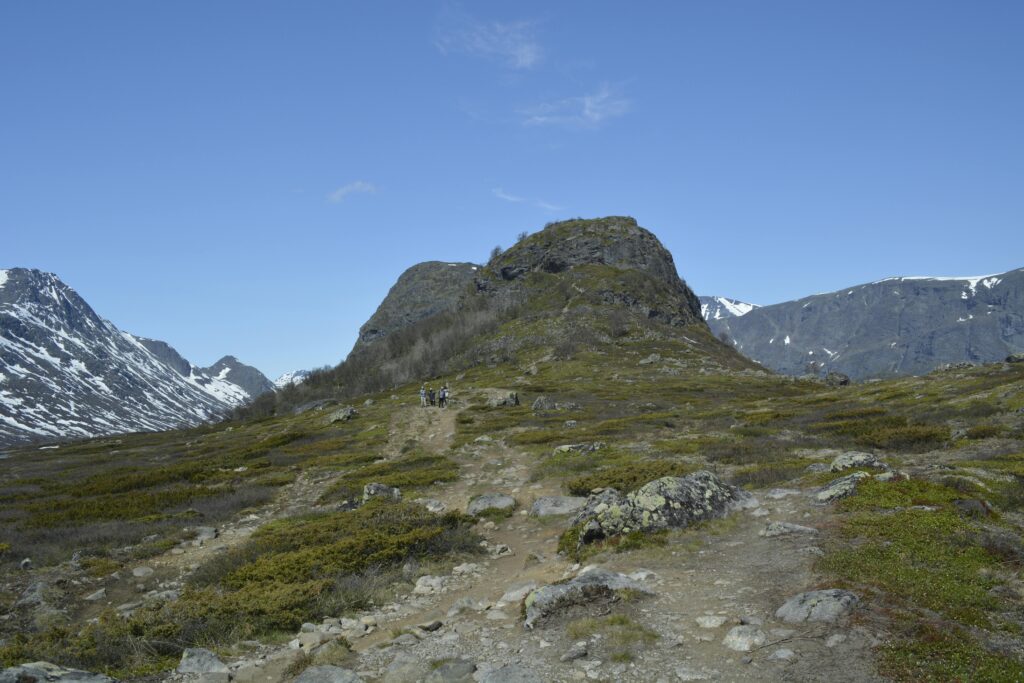
Jotunheimen translates roughly to “home of the giants,” and the name feels accurate once you start walking here!
The landscapes are vast and open, and they have long sightlines that make weather and terrain feel very present.
For those of you who enjoy solitude, raw nature, and a strong sense of place, Jotunheimen is unforgettable.
Trails are marked, but the environment demands respect. Days are shaped by light with wind and clouds rather than rigid schedules.
Walking here feels elemental. You are not just passing through scenery because you are literally responding to it moment-by-moment.
Example trail: The Jotunheimen Traverse, a multi-day route through Norway’s most dramatic mountain landscapes, linking rugged ridgelines, alpine lakes, and remote hiking huts.
Coastal & Island Walking Destinations
Coastal walking offers a different rhythm from mountain walking.
The gradients are gentler and the horizons are wider, and the constant presence of water also helps to create a calming backdrop.
Portugal, Rota Vicentina
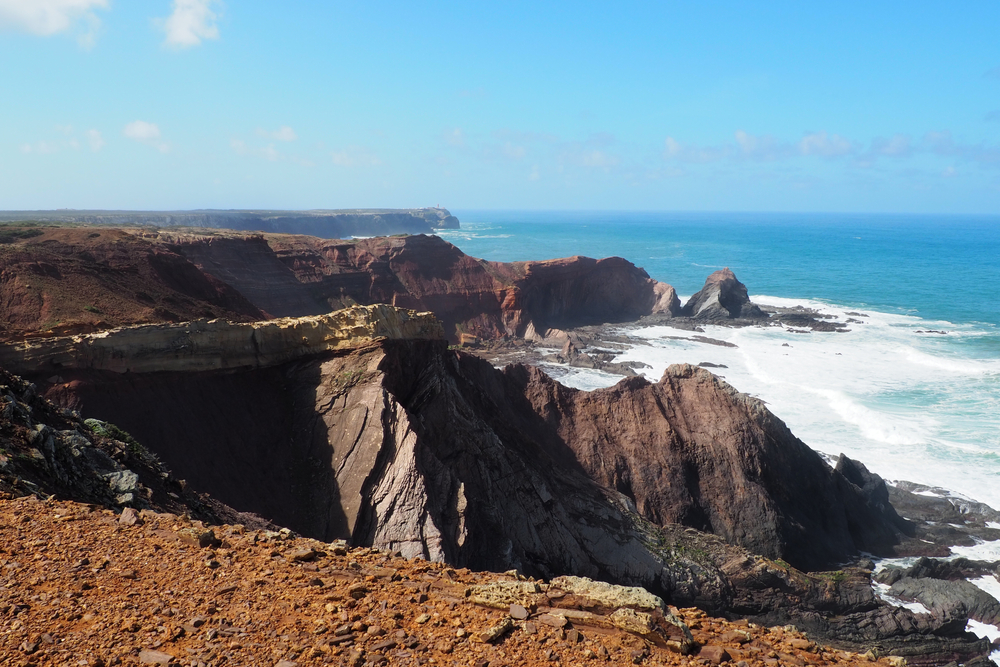
The Rota Vicentina follows Portugal’s southwest coast, which is a region that is shaped by fishing rather than by mass tourism.
Clifftop paths run above empty beaches, and villages feel grounded and working too.
For those of you who enjoy long distance coastal walking with minimal fuss, this route flows beautifully.
Daily stages feel natural and accommodation is straightforward, and the Atlantic also provides constant drama (naturally!).
Wind, light, and tide shape each day, which adds a bit of texture but without any needless complications.
Example trail: The Fishermen’s Trail between Porto Covo and Odeceixe.
Spain, Canary and Balearic Islands
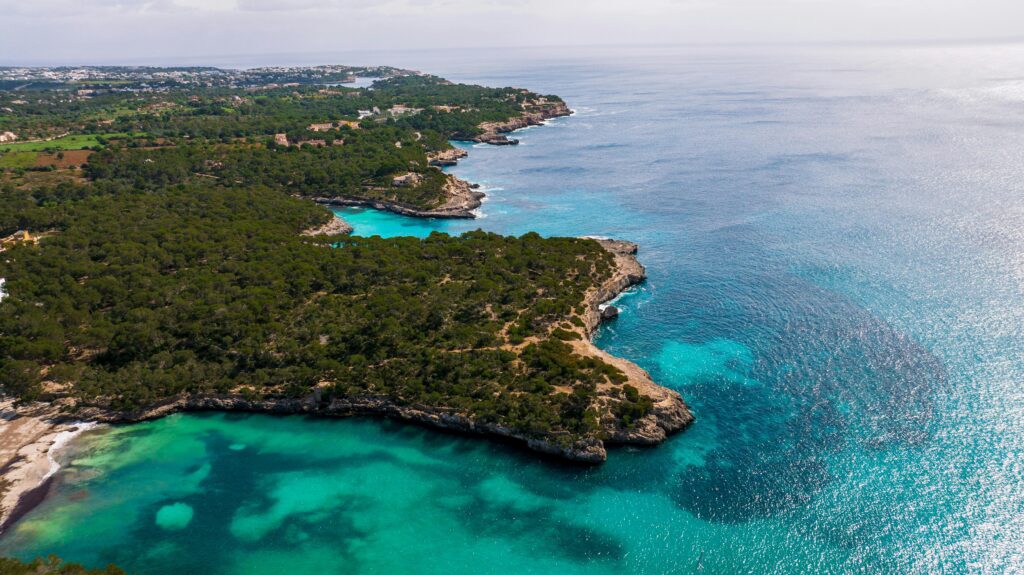
Spain’s islands are remarkably versatile walking destinations.
The Canary Islands feel volcanic and otherworldly, and they also often have deep ravines and exposed ridges while the Balearic Islands offer gentler terrain with classic Mediterranean scenery.
For those of you who enjoy sunshine and year round walking opportunities, Spain’s islands allow trips outside peak seasons without sacrificing quality.
Walking here often combines dramatic landscapes with relaxed evenings and good food.
Example trail: GR131 on La Gomera, or the Serra de Tramuntana routes in Mallorca.
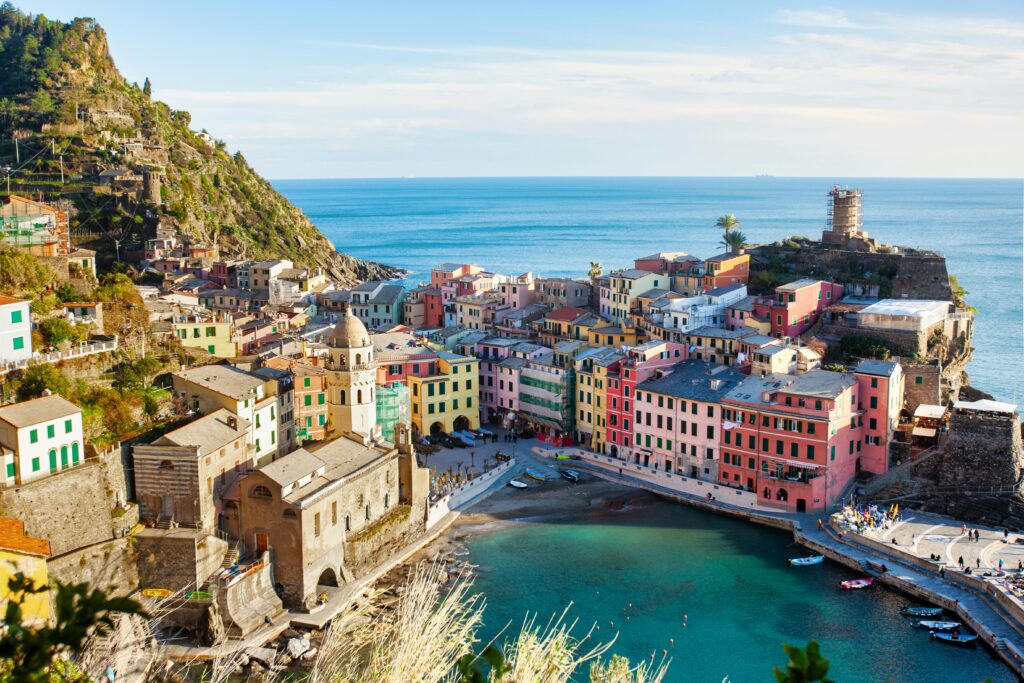
Italy, Sardinia, Sicily, and Cinque Terre
Italy’s coastal walking ranges from iconic to quietly wild. Cinque Terre delivers famous village to village paths clinging to cliffs, while Sardinia and Sicily feel broader and more rugged and also a lot less crowded.
For those of you who enjoy blending walking with swimming with food and some history, Italy’s coastlines are endlessly rewarding.
The contrast between hard walking days and leisurely evenings is part of the appeal.
Example trail: Vernazza to Monterosso coastal path in Cinque Terre.
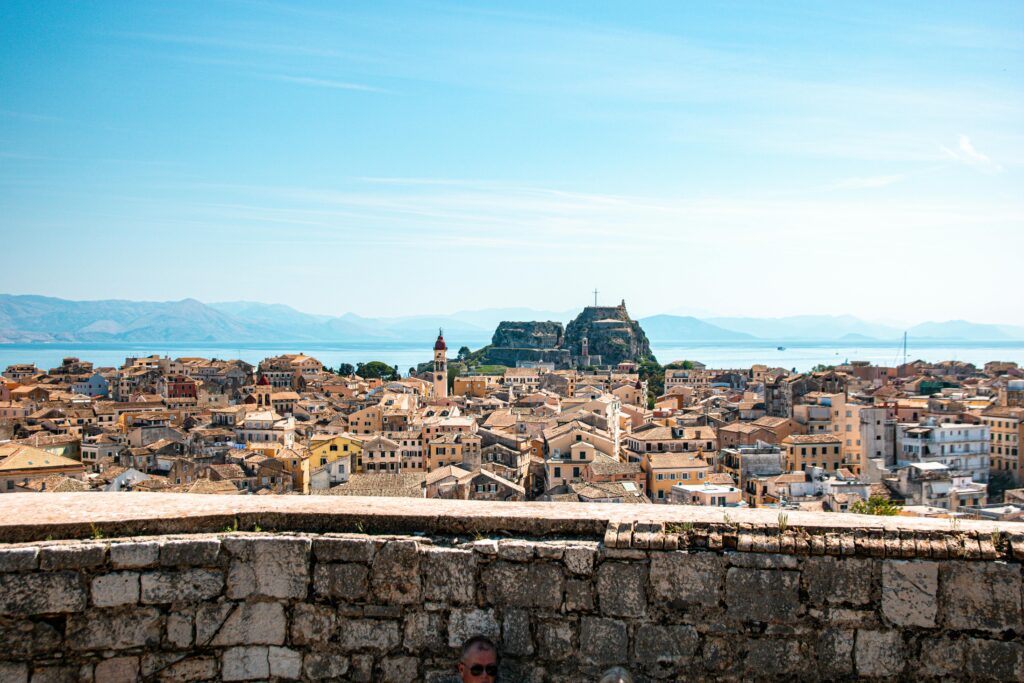
Greece, Crete and Corfu
Greece’s islands are layered with history and human scale landscapes.
Ancient stone paths connect villages while monasteries overlook valleys, and the olive groves then soften much of the terrain.
Islands like Crete offer dramatic gorges and rugged mountain scenery, while Corfu is better suited to gentler coastal walking and relaxed village-to-village routes.
Example trail: Samaria Gorge in Crete.
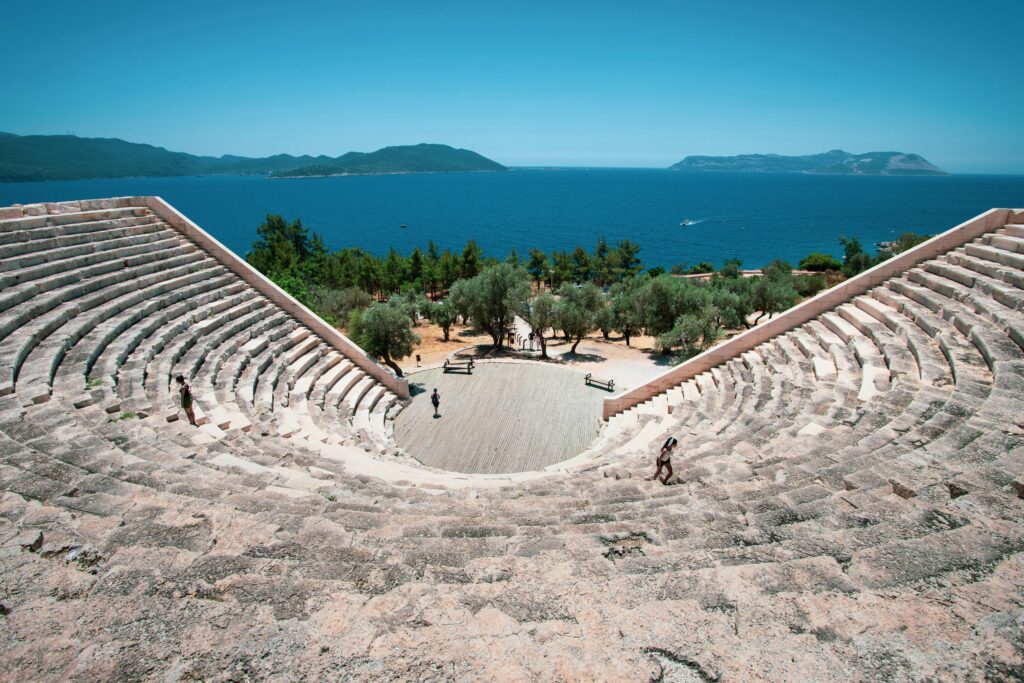
Turkey, Lycian Way
The Lycian Way blends ancient ruins with pine forests and turquoise water into a long distance journey that feels richly textured.
The trail moves between coast and mountains, and is constantly changing mood too.
For those of you who enjoy walking with a strong sense of narrative and discovery, the Lycian Way stands out.
Each day reveals something new, and that’s true regardless of whether it’s a ruined city, a hidden beach, or a mountain village.
Example trail: The section between Kaş and Çıralı. Check it out!
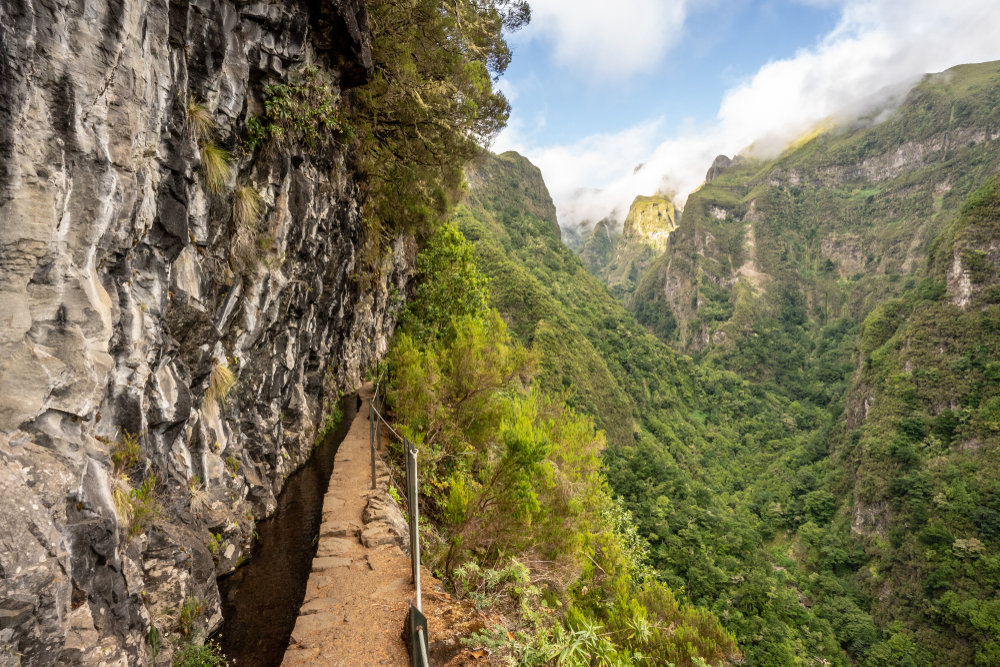
Madeira
Madeira feels like a floating garden in the Atlantic. Levada walks follow historic irrigation channels across steep hillsides, which creates steady gradients and continuous views.
For those of you who enjoy scenic walking without relentless climbs, Madeira is an excellent choice.
The island feels lush and vertical and endlessly green, and you’ll find ocean views appearing unexpectedly!
Example trail: Levada do Caldeirão Verde.
Countryside & Cultural Routes
Not every great walking holiday needs dramatic peaks or crashing waves. Countryside walking is about rhythm, detail, and connection:
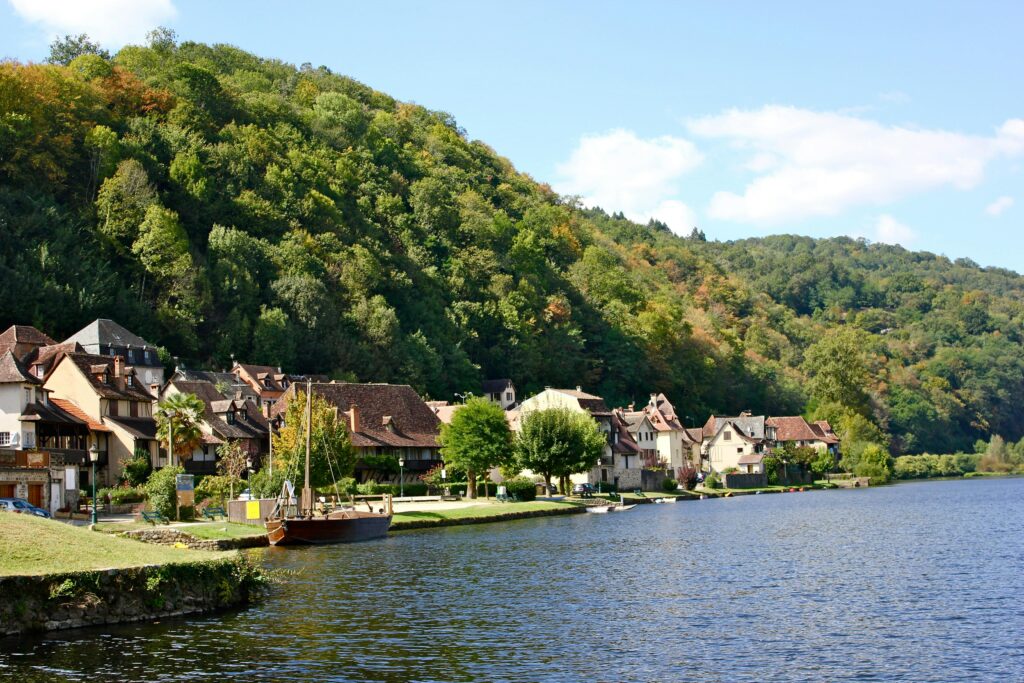
France, Dordogne and Burgundy
Across France, walking trails often feel less rushed and more connected to the landscapes, food, and villages that surround them.
Walking here feels gentle and generous because the paths wind through farmland, forests, and medieval villages where lingering is actually encouraged.
Markets, bakeries, and vineyards shape the rhythm of each day.
For those of you who enjoy shorter walking days paired with excellent food and wine, this style of walking feels deeply nourishing rather than demanding.
Example trail: Village to village routes along the Dordogne River.
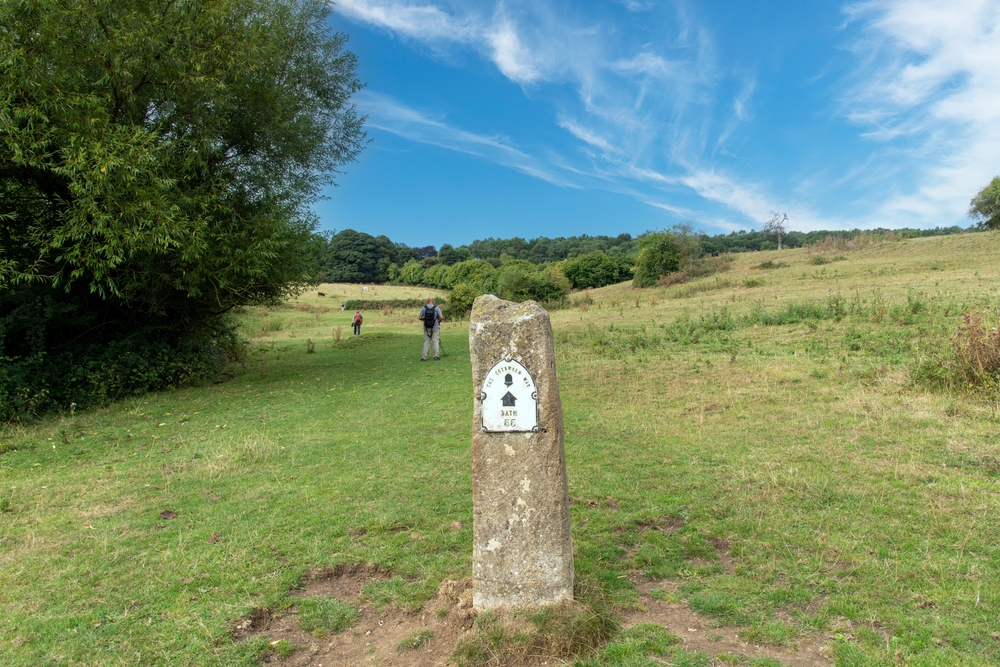
United Kingdom Regions
The UK’s footpath network is one of the most extensive in Europe.
Trails cross private land along with the open countryside and historical towns in ways that feel uniquely accessible.
For those of you who enjoy variety and tradition (and pub lunches at the end of the day), walking in the UK remains a classic choice.
Weather adds unpredictability, but it also adds just a bit of character.
Example trail: The Cotswold Way or the South West Coast Path.
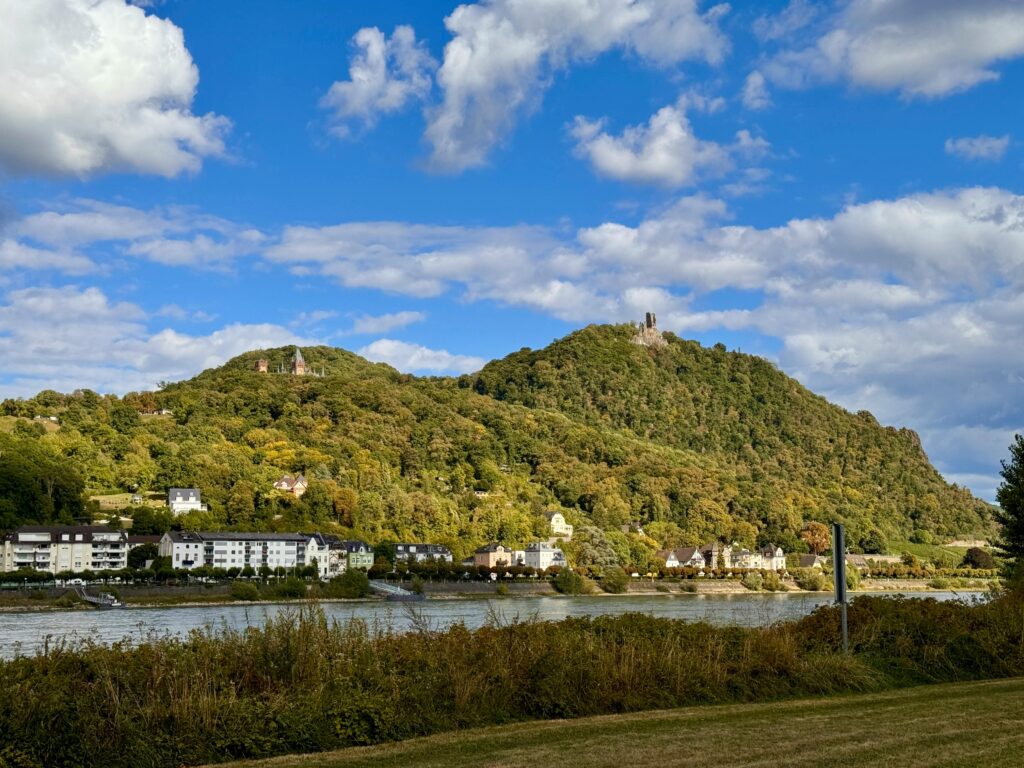
Germany Wine Routes
Germany’s wine regions offer relaxed walking through vineyards, river valleys, and historic towns.
The trails are well-maintained and sociable in feel too.
For those of you who enjoy walking balanced with culture and comfort, these routes feel easygoing and quietly rewarding.
Example trail: The Rheinsteig along the Rhine Gorge.
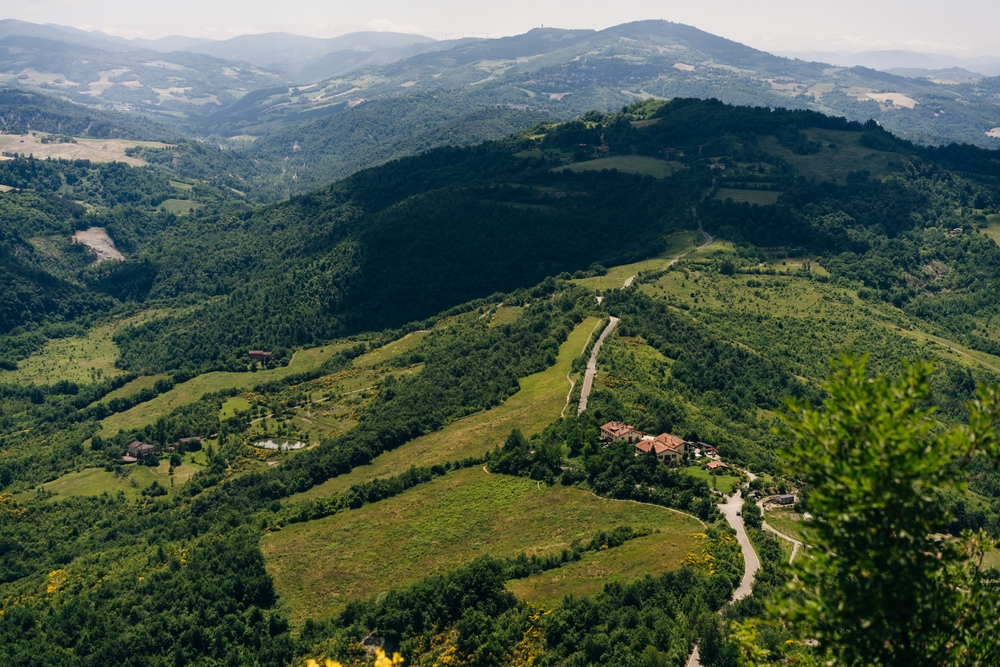
Italy Countryside Routes
Italian countryside walking is intimate and atmospheric. Paths pass through olive groves and vineyards and hill towns where life moves at its own pace.
For those of you who enjoy walking through living landscapes rather than dramatic backdrops, rural Italy offers warmth with depth and constant small pleasures.
Example trail: Via Francigena (Tuscan section)
Pilgrimage & Historic Trails
These routes carry meaning beyond scenery:
Camino de Santiago
The Camino works because it is human scaled. The distances are manageable, the villages are frequent, and fellow walkers also become part of the experience.
For those of you who enjoy reflection with simplicity and community, the Camino offers something that is rare and lasting.
Example trail: Camino Francés that runs from Saint Jean Pied de Port.
“Plan less, walk more.” Pick a route, set your pace, and let Europe unfold under your boots: grab your free Walking Holiday ebook today”
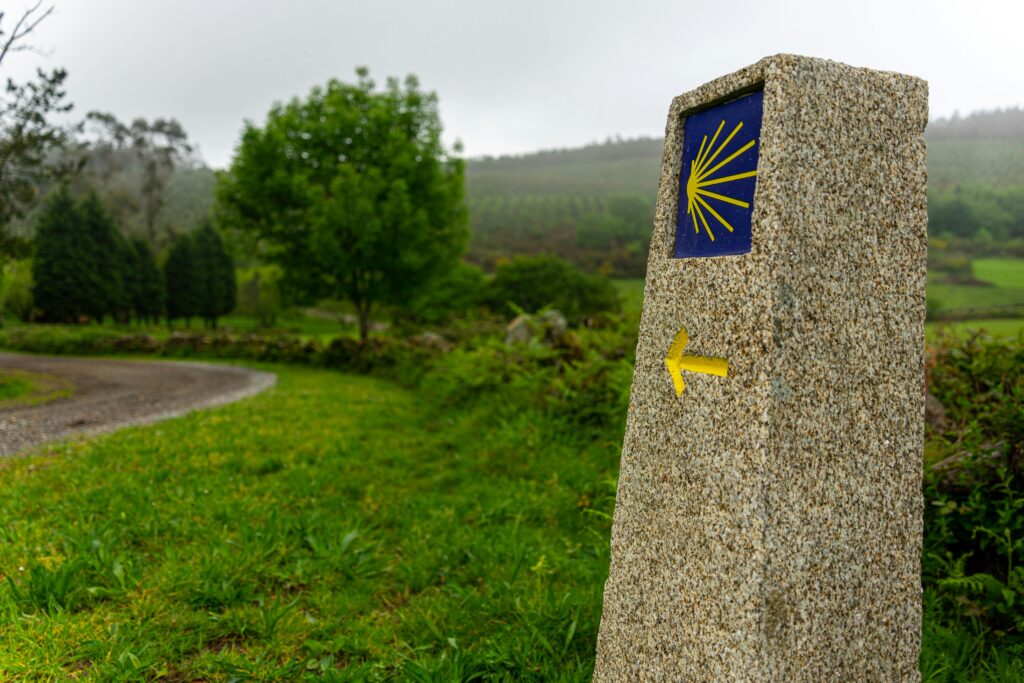
Via Francigena
The Via Francigena feels quieter and more contemplative than the Camino. It winds through countryside along with historic towns and spiritual landmarks.
For those of you who enjoy solitude without isolation, this route rewards patience with a bit of curiosity.
Example trail: The Tuscan section between San Gimignano and Siena.
St. Olav’s Way
This Norwegian pilgrimage route offers forests with farmland and wide open spaces that invite reflection.
For those of you who enjoy walking as a meditative practice, St. Olav’s Way feels sincere and grounding.
Example trail: The Gudbrandsdalen Valley section.
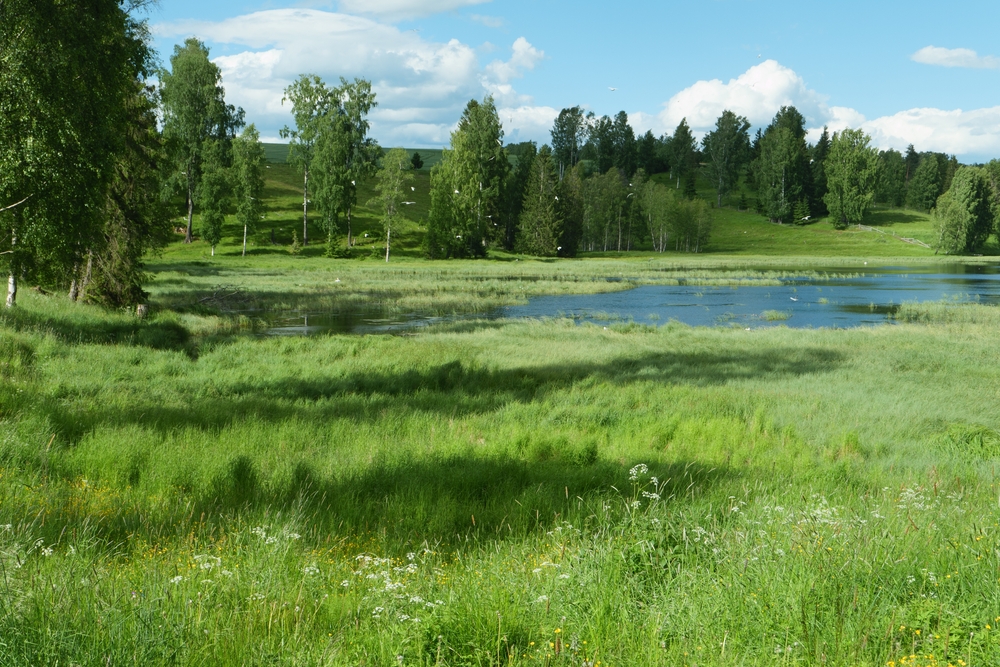
Transcaucasian Trail
Still evolving, the Transcaucasian Trail feels raw and exploratory. Infrastructure is limited, but the sense of discovery is powerful.
For those of you who enjoy meaningful challenge and cultural immersion, this route holds enormous promise.
Example trail: Mountain sections in Svaneti.
Remote & Off-the-Beaten-Track Destinations
These destinations reward walkers who value discovery over convenience. Planning matters more, and experiences feel earned too:
Albania
Albania offers wild mountains with strong traditions and genuine hospitality. The trails here pass through villages where walking remains part of daily life.
For those of you who enjoy authenticity and value, Albania feels refreshingly honest!
Example trail: The Albanian Coastal Trail
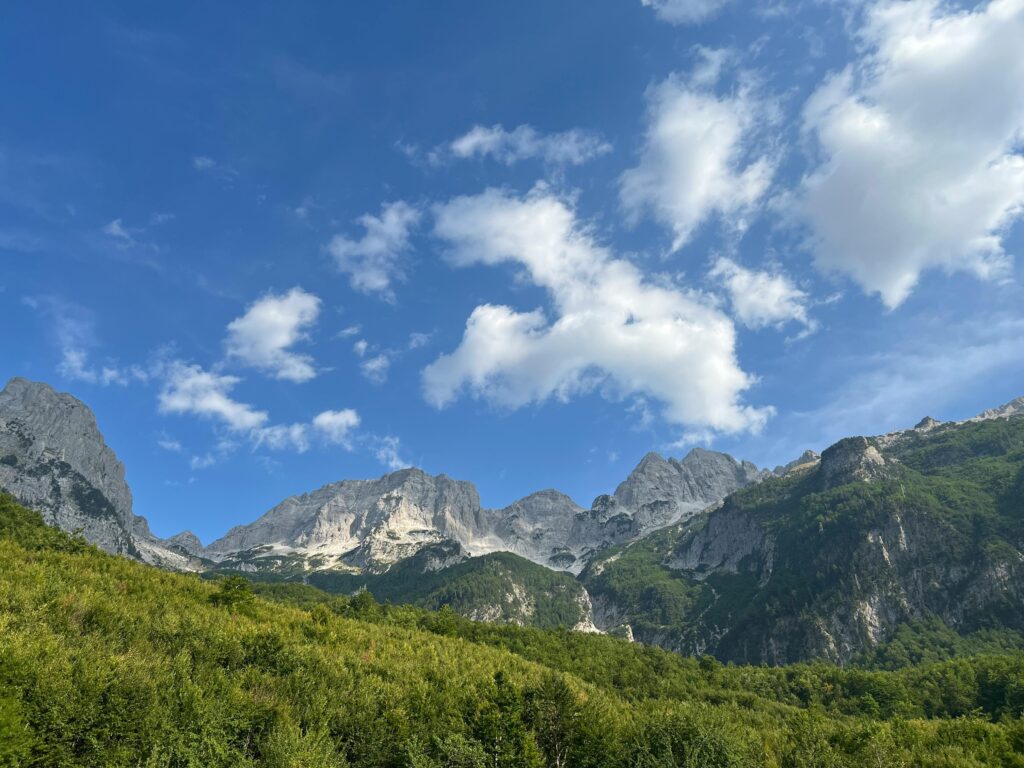
Montenegro
Montenegro packs dramatic landscapes into a compact area. The mountains rise quickly from the coast, which creats truly striking contrasts.
For those of you who enjoy compact adventures with big scenery, Montenegro delivers in every way.
Example trail: Durmitor National Park.
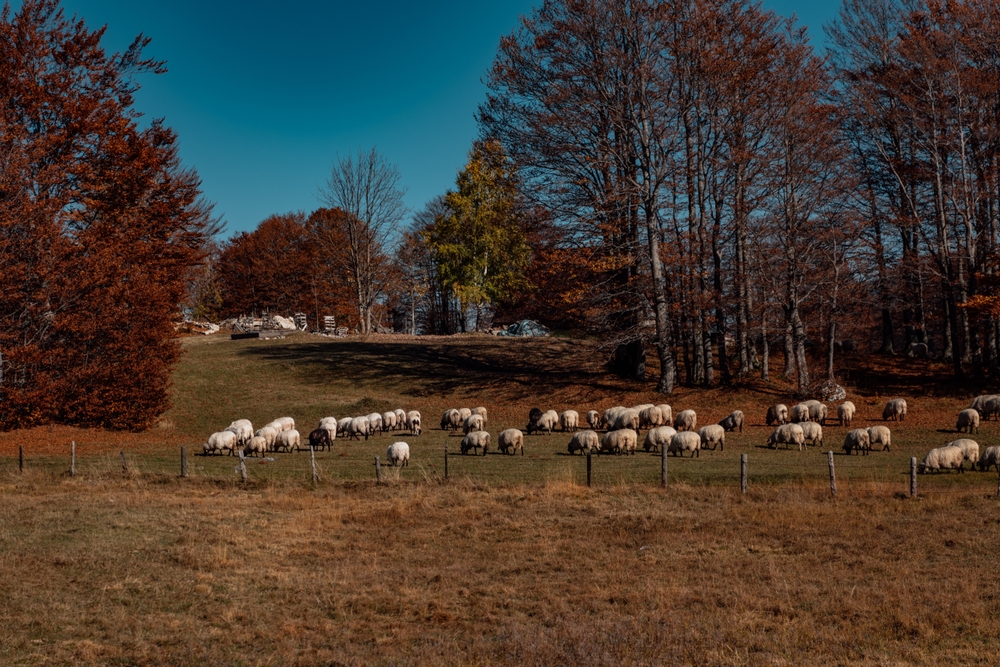
Georgia, Svaneti
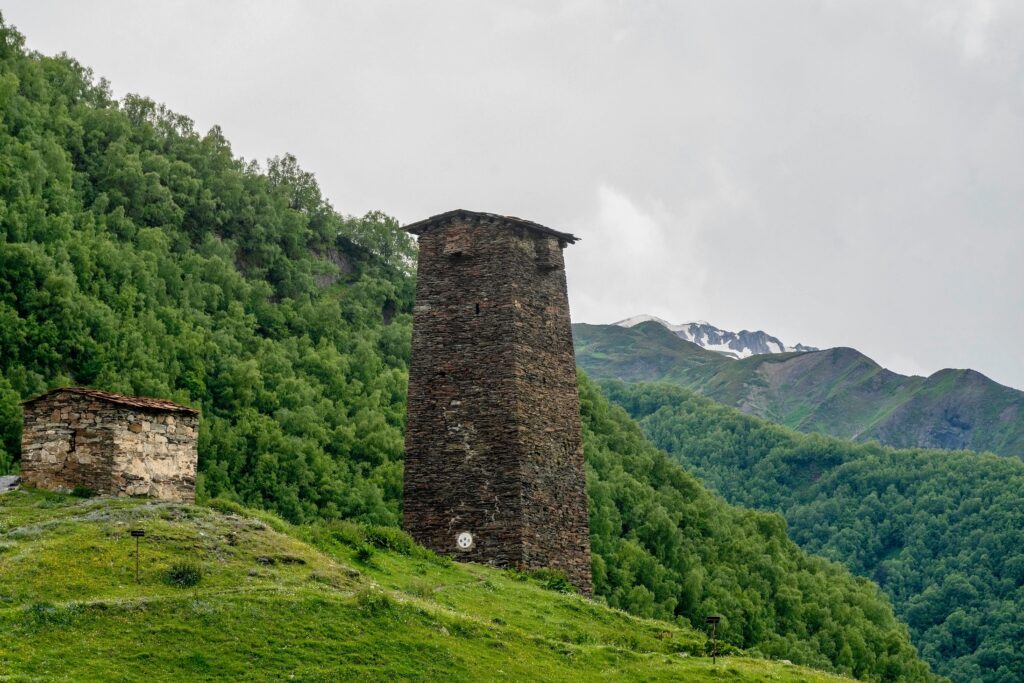
Svaneti feels timeless. Medieval stone towers stand against glacier capped peaks, which creates a powerful sense of place.
For those of you who enjoy challenge and immersion, Svaneti is going to leave you with a good lasting impression.
Example trail: Mestia to Ushguli.
Armenia
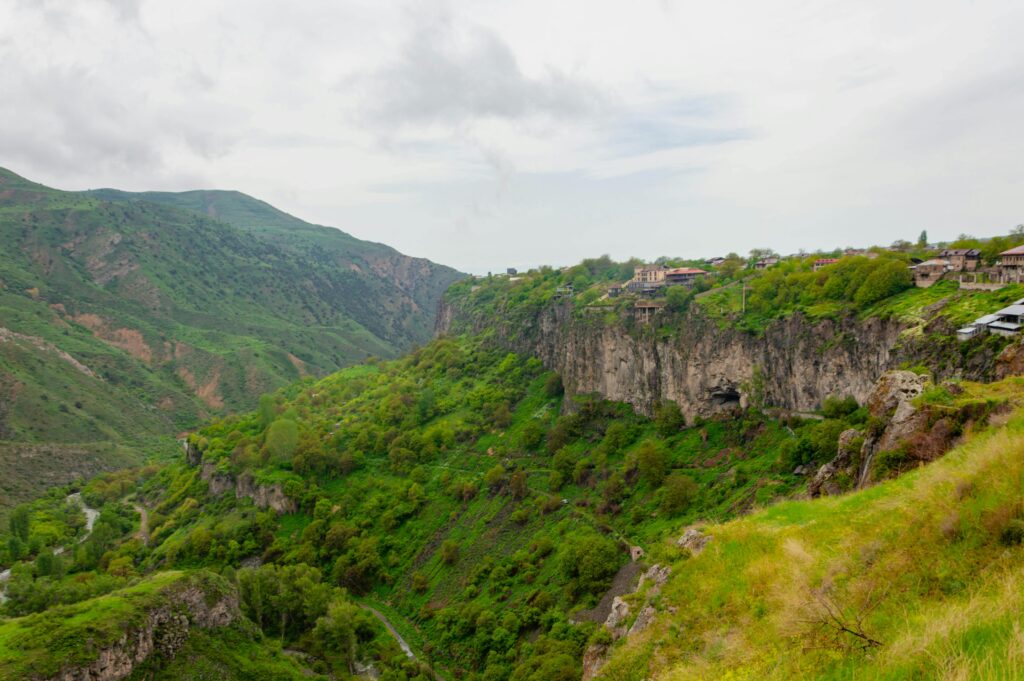
Armenia combines open landscapes with ancient monasteries and deep history.
For those of you who enjoy reflective walking through meaningful places, Armenia offers space and perspective.
Example trail: Dilijan National Park.
Iceland
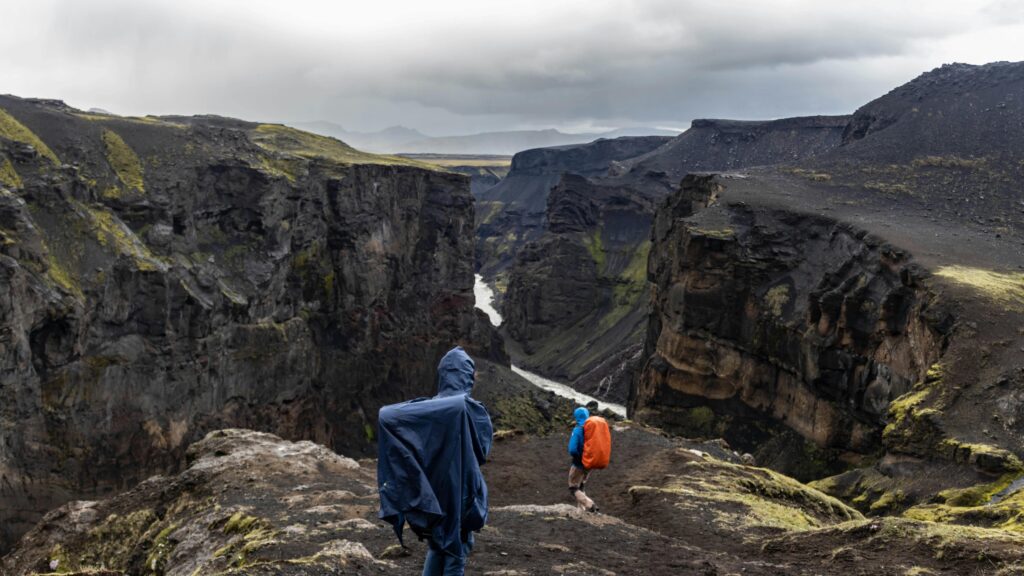
Iceland’s landscapes are raw and elemental. Weather shapes every decision, and scenery feels otherworldly.
For those of you who enjoy dramatic environments and self reliance, Iceland is unforgettable.
Example trail: Laugavegur Trail.
Bulgaria
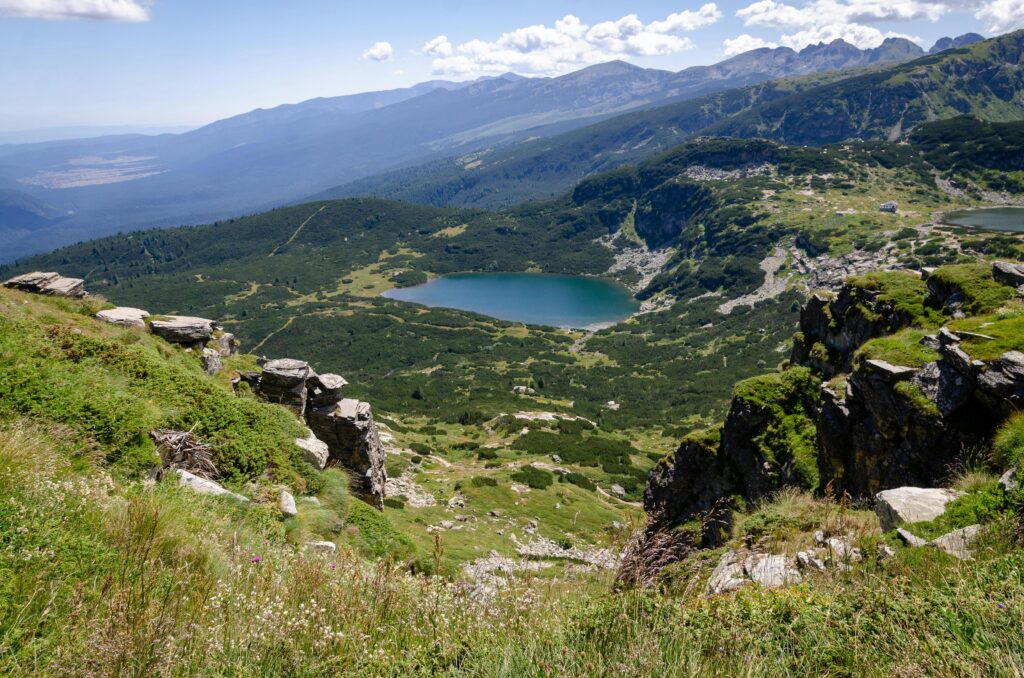
Bulgaria’s mountains are varied and affordable and lightly traveled.
For those of you who enjoy discovering places before they become crowded, Bulgaria is a smart choice.
Example trail: Seven Rila Lakes circuit.
How to Choose the Best Destination for Your Walking Holiday
Start by thinking about terrain. Mountains offer challenge and drama, while the coastlines offer rhythm and openness and the countryside routes offer connection and culture. Last but not least, the pilgrimage trails offer meaning.
Next, consider the season and climate. Southern Europe shines in spring and autumn, while alpine regions peak in summer. Islands extend walking seasons even further.
Then think about comfort versus adventure. Decide how much structure you want, how much uncertainty you enjoy, and how independent you feel comfortable being.
Finally, trust your instinct. The right destination should excite you before you even book a flight.
Where to Next?
Explore Europe by Destination
Famous Long-Distance Trails
European City Guides for Walkers
- Edinburgh: A City Guide for Hikers
- Lisbon: A City Guide for Hikers
- Innsbruck: A City Guide for Hikers
Final Thoughts on Walking Holidays in Europe
From high mountain passes to quiet coastal paths and ancient pilgrimage routes, there is no single best place to walk in Europe!
There is only the place that fits your pace with curiosity and a strong sense of adventure.
Choose it and start walking, and just like that, you can let the journey unfold one step at a time.


