

A how to guide on how to layer clothing properly for various levels of cold, wind rain and snow…
When it comes to hiking in cold weather, wearing the right clothing is essential not only for comfort but also for safety.
Exposure to cold can quickly become dangerous, making it crucial to wrap up in layers that keep you warm, dry, and insulated from the harsh environment.
Fortunately, advances in manmade materials and a better understanding of the science behind body heat regulation have made it easier than ever to dress appropriately for cold-weather hikes.
If you’re heading into colder, harsher climates, investing in high-quality gear and following layering principles are key factors of how to layer clothing for cold-weather hiking, and will help you to stay safe and warm throughout your journey.
The Heat Transfer Principle
Before choosing layers, it helps to understand why your body gets cold in the first place. Heat loss during cold-weather hiking follows a few predictable patterns, and understanding them makes the layering system far easier to apply in real conditions.
Each of these mechanisms affects how you feel warmth and how quickly you lose body heat, influencing the clothing choices you should make for cold-weather hiking.
- Conduction occurs when heat transfers from a warmer object to a cooler one through direct contact. In cold weather, your body loses heat to cold surfaces it touches, like the ground or cold air. Insulating materials help reduce conductive heat loss by creating a barrier between your body and cold surfaces.
- Convection happens when heat is carried away by moving air or water. Wind is a major cause of convective heat loss, which is why windy days feel colder than calm ones. Windproof clothing is essential to combat convection by trapping a layer of warm air close to your body.
- Radiation is the process by which the body loses heat as infrared energy to the colder surroundings. All objects, including humans, radiate heat, but in cold environments, the warmth radiates out and isn’t replaced by surrounding heat. Insulated layers help reduce this loss by reflecting body heat back toward you.
Understanding these heat transfer principles allows you to select layers that retain warmth and prevent heat loss through these mechanisms.
With the right materials and layering, you can regulate your body temperature and stay comfortable even in the coldest conditions.

The 3-Layer Rule for Hiking
While the three-layer system is simple in theory, choosing the right materials for each layer is what determines how effective it will be in practice.
The sections below break down what to look for in each layer and how they work together in cold, wet, or windy conditions.
- Base Layer: The base layer is worn closest to the skin and is responsible for moisture management. Its primary role is to wick sweat away from your skin, keeping you dry, which is essential for maintaining warmth. A damp base layer can lead to rapid heat loss, so moisture-wicking materials like merino wool or synthetic fabrics are ideal.
- Midlayer: The midlayer acts as the main insulator, trapping body heat and creating a layer of warmth around you. This layer typically consists of fleece or down materials, which have excellent insulating properties without adding excessive bulk. The midlayer should also be breathable to prevent moisture buildup.
- Outer Layer (Shell): The outer layer, or shell, protects you from wind, rain, and snow. It serves as a barrier against the elements while allowing moisture to escape. The outer layer should be waterproof and windproof to provide maximum protection without compromising breathability.
🗒️ Free Checklist: “Never forget the essentials — grab your free Ultimate Hiking Packing List.”
Use Baselayers
The base layer is the foundation of the layering system, and plays the most important role in moisture management.
Selecting the right materials is key to staying dry and comfortable. This layer directly touches your skin, so it should wick moisture away efficiently to prevent cold from sweat accumulation. Here are some of the best materials for base layers:
- Midweight: This is a versatile option that provides moderate warmth and moisture management. Midweight base layers are suitable for cool to moderately cold temperatures and are often made from merino wool or synthetic blends.
- Thermal Weight/Thermal Undergarments: For very cold conditions, thermal weight layers provide additional insulation and trap heat close to the skin. They are thicker than midweight layers and are ideal for extreme cold-weather hikes.
- Moisture-Wicking Materials: Fabrics such as merino wool and polyester are designed to draw moisture away from the skin, keeping you dry. Merino wool is naturally antimicrobial, while polyester offers quick-drying properties.
Some base layer clothing options include briefs, sports bras, underwear sets, heavyweight or lightweight base layer tops, base layer shorts, and pants/bottoms.
Each piece should fit snugly to ensure effective moisture wicking while allowing for full mobility.
“Every hiker starts somewhere — grab your free Hiking for Beginners guide.”
Use High-Tech Modern Mid Layers
The midlayer provides the bulk of your insulation and is critical for retaining body heat. High-tech midlayers are designed to be warm yet lightweight, and they should be chosen based on the expected coldness of the environment. Here are some of the best materials for midlayers:
- Regulator Technical Fleece: Fleece is a popular choice because it is lightweight, breathable, and provides excellent insulation even when damp. Technical fleece is designed to offer warmth while minimizing bulk.
- Down Insulation: Down is one of the warmest insulation materials, known for its ability to trap heat effectively. It is lightweight and compressible, making it ideal for cold, dry conditions. However, down loses its insulating properties when wet, so it’s best paired with a waterproof outer layer.
- Synthetic Insulation: Synthetic materials like PrimaLoft provide insulation similar to down but maintain warmth when wet, making them ideal for damp or variable conditions. Synthetic insulation is also easy to care for and dries quickly.
- Active Insulation: Active insulation fabrics like Polartec Alpha are designed to regulate body heat during high-intensity activities. They offer breathability and moderate insulation, making them suitable for hikers who generate a lot of body heat.
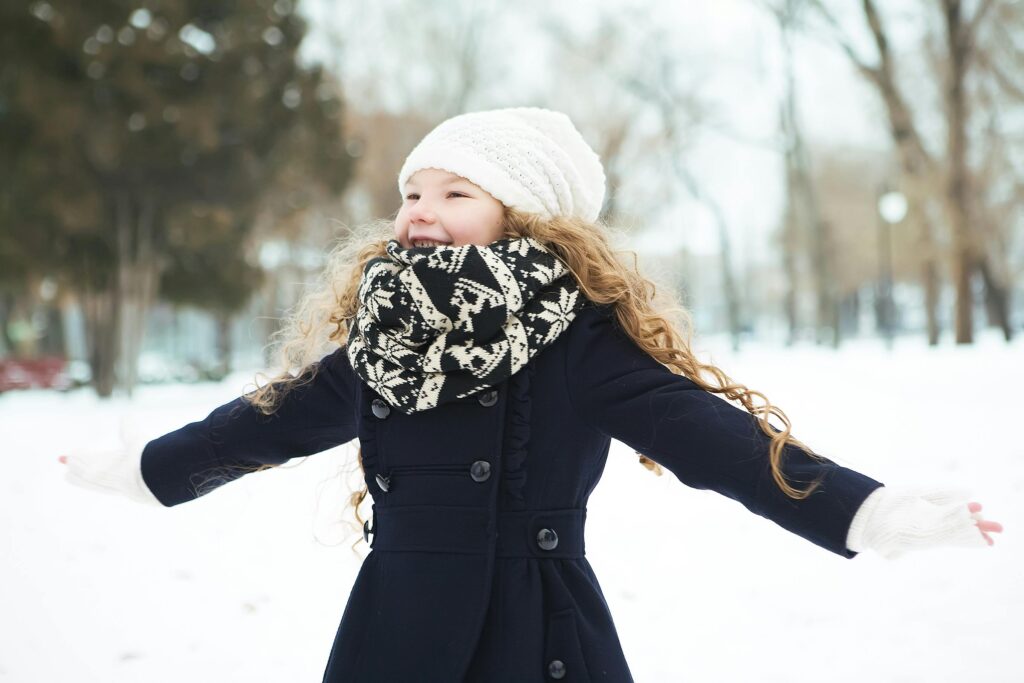
Popular midlayer clothing items include sweatshirts and vests, with or without zippers, allowing for easy temperature regulation. Choosing high-tech midlayers gives you warmth without added bulk and provides flexibility to adjust layers as needed.
Use Lightweight Shell Windproof/Waterproof Outer Layers
The outer layer is the first line of defense against the elements, so it should be both windproof and waterproof.
This layer protects against rain, snow, and wind, preventing these elements from penetrating to your inner layers. Here are some of the best materials for outer layers:
- Soft Shells: Soft shells offer moderate weather protection and are highly breathable, making them suitable for milder conditions where heavy rain or snow isn’t expected. They provide flexibility and are comfortable to wear for long periods.
- Wind Shells: Wind shells are lightweight, packable, and designed to protect against the wind. While they don’t provide full waterproofing, they work well in dry, windy conditions and are easy to carry as an emergency layer.
- Waterproof Shells: For maximum protection, waterproof shells use materials like Gore-Tex that block out rain and snow while allowing moisture from sweat to escape. These are ideal for wet and snowy conditions, and many come with additional features like adjustable hoods and zippered vents for improved airflow.
Outer layer options include jackets, overalls, bib overalls, and waterproof pants. Choose a shell that suits the specific conditions you’ll be facing, and look for one that’s durable enough to handle rugged trails.
“Avoid rookie mistakes. Our free ebook Hiking for Beginners shows you how.”
In Conclusion
Knowing how to layer clothing for cold-weather hiking is a crucial skill that can mean the difference between a comfortable hike and a dangerous situation. By understanding how heat transfers and following the 3-layer rule—base, mid, and outer layers—you can protect yourself from the cold while staying dry and comfortable.
Start with moisture-wicking base layers that keep sweat away from your skin, then add an insulating midlayer to trap body heat, and finish with a weatherproof outer layer to block wind, rain, and snow.
Each layer serves a distinct purpose, and the materials you choose for each layer are just as important as the layering technique itself. With advancements in fabric technology, hikers today have access to a wide range of high-performance clothing that can help maintain warmth in even the harshest climates.
By following these layering principles and investing in quality gear, you can confidently tackle cold-weather hikes and enjoy the beauty of the winter wilderness safely.
Where to Next?
- Ultimate Guides – your gateway to hiking across Europe
- Hikes & Trails – curated lists of the best hikes and local gems
- Walking Holidays – extended journeys for when a single day just isn’t enough
- General Blog – all the extras: gear reviews, planning tips, and personal stories


