
A bothy is a unique type of wilderness accommodation open to any and all that manage to find their way there. Not to be confused with a holiday home or glamping spot in the hills, bothies are usually old cottages with little to no mod cons; some are, quite literally, just walls and a roof.
Usually found in remote areas where you are only going to come along one if you’re hiking or riding, or for whatever reason away from the main roads and the rest of civilization.
What is a Bothy
Bothies are somewhat unique to the United Kingdom and Ireland, a little different to other mountain dwellings you will find on your hut-to-hut walks in mainland Europe.
Usually made out of stone and not more than 2 stories high, bothies offer the barest necessities for people looking for shelter from the wind and rain.
Once Upon a time, they were home to families, travelling workers and herdsmen who needed a place to get out of the elements while working on the Estate the Bothy was on. In our modern day, they are used for outdoor adventures and for enthusiasts, and you guessed it, hikers.
Many bothies effectively turned to ruins over the years due to neglect and modern living arrangements. However, thanks to organizations like the Mountain Bothy Association and others, the structures have been repaired, made safe and continue to be maintained by volunteers.
Please see their website here to learn more about the MBA or get involved in any volunteer work with bothies.
Most Bothies are on private land and are therefore up to the landowner if they allow people to stay at them. However, other groups, such as the Mountain Bothy Association, take care of restoring and maintaining the structures.
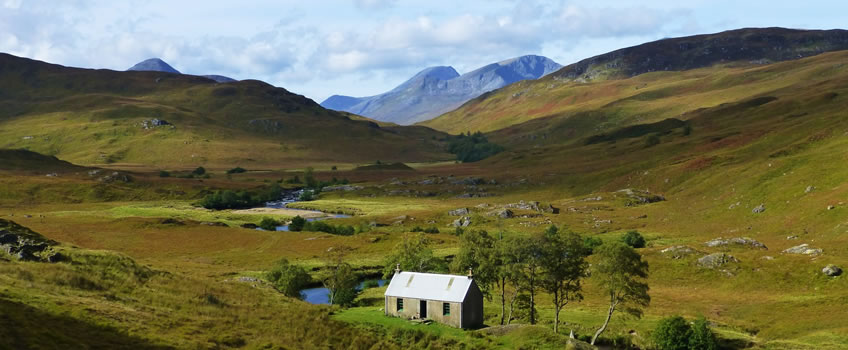
Image Credit: https://www.mountainbothies.org.uk/
What Services Can You Expect from a Bothy?
A good way to think of a Bothy is a big tent, so pack and prepare accordingly. Bothies are open for any and all, so no bookings allowed.
Even if there is a fireplace, don’t expect there to be firewood; in saying that, let’s go over some of the (very) basic – but still not guaranteed – things you can find in a Bothy on your next hike or outdoor getaway.
“Every hiker starts somewhere — grab your free Hiking for Beginners guide.”
What you can Generally expect
- Raised wooden platforms – to keep you off the ground and away from some of the chill
- Fireplace (often with firewood or coal – but again, no guarantees!)
- Table and Chairs
- Toilet or aSpade/Shovel
- A river, stream or other water source will be close by.
What you Should Not Expect
- Heaters
- Electricity
- Running Water
- Solitude (they’re open to all)
- Feather beds
- Concierge Service
Where did the name Bothy come from?
The source of the name isn’t certain. However, it is derived from either (or a mix of) Gaelic, Scottish, Irish, Norse and English, which helps to understand why most people think of the UK (usually Scotland) when talking about bothies!
Why Stay in a Bothy
Bothies still serve their original purpose, which is basic accommodation; in saying that, though, here are a few reasons to consider staying in a bothie.
- No need to bring or unpack your tent
- Shelter from the weather: Wind and rain can dampen your mood quickly when hiking and camping. Why not take the opportunity to get out of the elements for a night?
- An excellent option for a quick overnight escape if you live close to one.
- Socializing. While bothies can often be empty, they are also a great way to meet other travellers, share stories, and maybe even a nip of Scotch (BYO)
- Memorable moments – bothies are basic yet unique, and if you’re on a one-time trip and have the chance to stay in one, why wouldn’t you?
“Turn your dream trek into a plan — get your free Plan Your Own European Walking Holiday ebook ”
Where can you find a Bothy?
Most, if not all, bothies are found in Scotland, England, Wales, Northern Ireland and Ireland, with the Scottish highland areas having the majority.
The Bothy Code and Etiquette
Respect Other Users
Please leave the Bothy clean and tidy with dry kindling for the next visitors. Make other visitors welcome and be considerate to other users.
Respect the Bothy
Tell us about any accidental damage. Don’t leave graffiti or vandalize the Bothy. Please take out all rubbish which you can’t burn. Avoid burying rubbish; this pollutes the environment.
Please don’t leave perishable food as this attracts vermin. Guard against fire risk and ensure the fire is out before you leave. Make sure the doors and windows are properly closed when you leave.
Respect the Surroundings
If there is no toilet at the Bothy please bury human waste out of sight. Use the spade provided, keep well away from the water supply and never use the vicinity of the Bothy as a toilet.
Never cut live wood or damage estate property. Use fuel sparingly.
Respect Agreement with the Estate
Please observe any restrictions on use of the Bothy, for example during stag stalking or at lambing time. Please remember bothies are available for short stays only. The owner’s permission must be obtained if you intend an extended stay.
Respect the Restriction On Numbers
Because of overcrowding and lack of facilities, large groups (6 or more) should not use a bothy. Bothies are not available for commercial groups.
Remember you’re sharing this space with others, or at least someone will be coming to use it after you, so common sense and common courtesy cover most of the do’s and don’ts!

Check your Bothy ahead of time: The Doune Byre Bothy was closed due to fire damage when I passed it on the West Highland Way
Essential (and optional) Gear for staying in a Bothy
Bothies provide shelter — not comfort. A good way to think about a bothy is as a roofed alternative to a tent, so you should pack and prepare as if you’re camping, with the added benefit of walls and (sometimes) a fireplace.
Facilities vary wildly from one bothy to the next, and nothing is guaranteed. Even if a bothy looks well-equipped online, always assume you’ll be self-sufficient for warmth, food, water, and sleep.
Below is a practical breakdown of essential items and optional extras to consider for a bothy stay.
🗒️ Free Checklist: “Never forget the essentials — grab your free Ultimate Hiking Packing List.”
Sleeping System
Sleeping Bag
The UK and Ireland are not known for warm nights, even in summer. A good-quality 3-season sleeping bag is usually sufficient, covering temperatures roughly between 10–40°F / –12 to 5°C.
Sleeping Mat (Recommended)
While some bothies have raised wooden platforms, many have stone or concrete floors. A sleeping mat adds insulation, comfort, and protection from cold ground.
Shelter Backup
Tent (Highly Recommended)
Even if you plan to stay in a bothy, there’s no guarantee it will be empty when you arrive. Carrying a lightweight tent ensures you always have a backup option if the bothy is full or unusable.
Clothing and Warmth
Warm Layers
Layered clothing is essential for both hiking and overnight stays. Evenings in a bothy can be cold and damp, especially once you stop moving.
Spare Dry Clothes
A dry base layer or socks reserved for sleeping can make a huge difference to comfort and warmth.
Cooking Equipment and Food
Cooking System
Bring your preferred camping stove and cookware. Fuel should always be carried with you — never assume a bothy will have any available.
Food
Plan meals in advance. Pre-prepared food from home can be a good option for overnight stays, especially if you don’t mind a cold meal. Hot food, however, can be a major morale boost in bad weather.
Water and Hydration
Water Containers
Carry a water bottle, bladder, or reservoir of your choice. Many bothies are near water sources, but this should never be relied upon.
Water Treatment
Always filter or treat water collected near a bothy. Even clear mountain streams can carry contaminants.
Lighting and Power
Head Torch
A head torch is the most practical lighting option, leaving your hands free for cooking or moving around in low light.
Power Bank
Cold conditions drain batteries quickly. A 7,000mAh power bank is usually enough for 1–2 phone charges. Keep electronics insulated from cold surfaces where possible.
Bothies vary hugely in condition and contents.
Always pack as if you’ll arrive to an empty stone shelter with no firewood, furniture, or water — anything else should be treated as a bonus, not an expectation.
Electronics and Entertainment (Optional)
Phone / GPS Device
Useful for navigation and emergencies, but don’t rely on signal in remote areas.
eBook Reader or Book
A lightweight way to pass the evening. An e-reader is easier on the eyes than a phone and has excellent battery life.
Bothy FAQ
How long can you stay in a Bothy?
Bothies are intended for 1-2 night stays at a maximum. Anything over this time period will need to be organized with the landowner. Also, remember that you can’t book a bothy out in advance.
Can you bring a dog to a bothy?
Generally speaking, you can bring your dog to a bothy. It’s always a good idea to check first with the owner or organization that takes care of the building. If you take your dog, make sure they are (ideally) well trained – or at least keep a close eye on them. Don’t forget to clean up after them too.
Do I need to bring water to a bothy?
Many bothies are close to a freshwater source; however, it’s always a good idea to have your own water source wherever you are. And that goes twice for remote locations. Also, make sure to use some type of water filtration or treatment process for an extra layer of safety.
Further Resources
Learn more, get involved or see what the volunteers are up to by visiting the Mountain Bothy Association website.
Planning a hiking getaway?
See our blog sections for more articles and helpful content to help you on your way. Some posts that may be helpful if a Bothy stay is on your radar are;
- Top tips and advice on How to prepare for a hike the night before
- What to eat before hiking? How to choose the right fuel for your body
- Try out one of these Hiking Activities on your next Walking Trip
Conclusion
Staying in a Bothy is a great way to add a unique twist to a quick walking getaway or a multi-day trek. Offering basic shelter from the elements, a chance to socialize with others or to keep your tent in the bag for one night, these venerable stone structures are definitely worth a look, if not an overnight stay.


