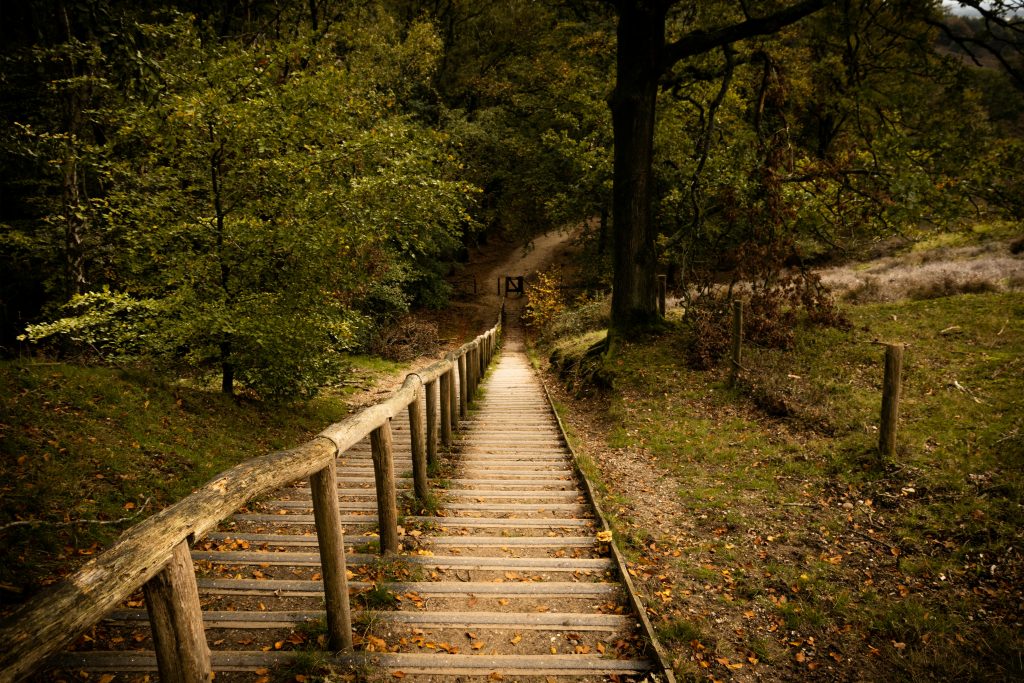
Poland is a hidden gem for hikers and outdoor enthusiasts who live in or visit Europe. From the rugged peaks of the Tatra Mountains to the serene beauty of the Bieszczady, this country offers an array of trails that cater to all levels of hikers. In this guide, we’ll dive into what six of these hikes are.
Why Hike in Poland
Poland’s hiking appeal lies in its diversity. In the south, the Tatras offer true alpine terrain with jagged peaks, glacial lakes, and high mountain passes. Further west and east, the Sudetes and Beskid ranges provide gentler climbs, forested ridges, and panoramic viewpoints without the crowds.
Many trails are supported by historic mountain huts (schroniska), making long days in the mountains more comfortable and social.
Whether you’re a beginner looking for scenic walks or an experienced hiker chasing summits, Poland’s trail network offers something rewarding at every level.
Companion Article: Ultimate Guide to Hiking in Poland
If you’re planning a hiking trip to Poland, it helps to understand the country’s regions, seasons, and trail conditions before choosing where to go.
Our Ultimate Guide to Hiking in Poland covers practical planning advice, regional highlights, and what to expect on the trail — the perfect companion to the hikes below.
The Best Hikes in Poland
These trails highlight the very best hiking experiences across Poland’s mountain regions.
1. Morskie Oko
Tucked away in the gorgeous Tatra Mountains, Morskie Oko (which translates to “Eye of the Sea”) is hands down one of Poland’s most famous hikes.
This trail takes you to a glacial lake surrounded by towering peaks and dense forest. The entire hike feels like it’s been pulled straight out of a fairy tale.
Trail Snapshot
• Difficulty: Moderate
• Distance: 17 km (10.6 mi) round trip
• Elevation Gain: ~400 m (1,312 ft)
• Start / End: Palenica Białczańska
• Highlights: Glacial lake, Tatra peaks, historic mountain hut
Difficulty/Recommended Fitness Level
The hike is pretty moderate, and it is accessible to most fitness levels. While there’s a bit of an incline along the way, it’s a paved path that’s fairly easy to follow, making it a good option for beginners and families. Those of you with a bit of stamina will find it a pleasant trek.
Distance
This hike is around 17 kilometers/10.6 miles round trip, so it’s a nice full-day adventure without being too intense.
Elevation Gain
The trail includes about 400 meters/1,312 feet of elevation gain. It’s a gradual climb with a few steeper sections, especially as you get closer to the lake.
Start and End Point
You’ll kick things off at Palenica Białczańska, a popular trailhead just outside Tatra National Park. From there, it’s a straightforward route up to the lake and back down the same way.
Get to the Trailhead
Accessible by bus or car from Zakopane.
Highlights & Landmarks
Morskie Oko lake, surrounding Tatra peaks, and one of Poland’s oldest mountain huts overlooking the water.

2. Śnieżka Peak
Śnieżka Peak, at 1,603 meters/5,259 feet, is the highest mountain in the Karkonosze range and the entire Sudetes range, making it one of the most popular hikes in Poland.
This trail will lead you through lush forests and sweeping mountain vistas, finally rewarding you with an unforgettable view from the summit, which often has a mystical fog hanging just above it.
For those of you looking for both a physical challenge and a historical landmark, Śnieżka doesn’t disappoint.
Trail Snapshot
• Difficulty: Moderate–Challenging
• Distance: 14 km (8.7 mi) round trip
• Elevation Gain: ~800 m (2,625 ft)
• Start / End: Karpacz
• Highlights: Sudetes summit, observatory, sweeping border views
Difficulty/Recommended Fitness Level
The hike to Śnieżka is moderate to challenging, and it is ideal for those with a reasonable level of fitness. It includes a good mix of gradual and steep sections, with the final stretch being a bit more demanding. That said, even beginners with a sense of adventure can tackle this trail with some determination!
Distance
The full round-trip journey covers about 14 kilometers/8.7 miles. It’s a half to full day hike, depending on your pace and the number of photo stops along the way.
Elevation Gain
With around 800 meters/2,625 feet of elevation gain, the climb to Śnieżka is gradual but continuous. It will give your legs a good workout as you make your way to the summit.
Start and End Point
Most people start the hike in Karpacz, a picturesque mountain town easily accessible by car and bus. The trailhead is well-marked and leads directly to Śnieżka, with various paths that loop back to Karpacz for your return journey.
Get to the Trailhead
Easily reached by car or public transport.
Highlights & Landmarks
Iconic weather observatory, historic chapel, and views into Czechia and Germany.

3. Szczeliniec Wielki Trail
The Szczeliniec Wielki Trail in Stołowe Mountains National Park offers a fascinating journey through some of Poland’s most unusual rock formations.
Szczeliniec Wielki, the highest peak in the area, is known for its stunning sandstone cliffs, deep crevices, and bizarre rock formations that give the landscape an otherworldly feel.
Trail Snapshot
• Difficulty: Moderate
• Distance: 5 km (3.1 mi) loop
• Elevation Gain: ~230 m (755 ft)
• Start / End: Karłów
• Highlights: Sandstone maze, rock formations, viewpoints
Difficulty/Recommended Fitness Level
This is a moderate hike, with some rocky sections and a steady ascent, especially as you approach the peak. While suitable for most hikers, a basic level of fitness will help with some of the steeper sections and rocky paths. Families and beginners can enjoy this trail, but do allow for a slower pace.
Distance
The round-trip distance is around 5 kilometers (3.1 miles), which makes it a shorter hike that can be completed in about two or three hours.
Elevation Gain
The hike has an elevation gain of approximately 230 meters/755 feet, which makes it a pleasant challenge that adds just enough cardio without feeling too strenuous.
“First time on the trail? Hiking for Beginners has your back.”
Start and End Point
The hike starts in the village of Karłów, where you’ll find trail markers and signs guiding you to the Szczeliniec Wielki Trail. Parking is available in Karłów, making it a convenient spot to set out from. The path is well-marked and leads up to the peak, where you can loop back to the starting point.
Get to the Trailhead
Parking available in Karłów; trail clearly marked.
Highlights & Landmarks
Unique rock corridors, named formations, and panoramic platforms.

4. Kasprowy Wierch
Kasprowy Wierch, located in the Tatra Mountains, is one of Poland’s most beloved peaks. It’s a popular destination for hikers of all experience levels, and with its alpine meadows and high-altitude trails, this hike is perfect for those of you wanting a true mountain experience without needing technical climbing skills. Plus, for an easier option, there’s even a cable car to the top!
Trail Snapshot
• Difficulty: Moderate–Challenging
• Distance: ~14 km (8.7 mi) round trip
• Elevation Gain: ~1,000 m (3,280 ft)
• Start / End: Kuźnice
• Highlights: Alpine ridges, Tatras panorama, cable car option
Difficulty/Recommended Fitness Level
The Kasprowy Wierch hike can range from moderate to challenging, depending on the route you choose. The trek requires good fitness, especially if you choose the hike-only option from the base at Kuźnice.
Expect some rocky sections and significant elevation gain, but the views are absolutely worth it. Alternatively, you can take the cable car one way or both ways if you prefer a lighter hike.
Distance
The hike from Kuźnice to the summit and back is approximately 14 kilometers (8.7 miles), though the exact distance will vary depending on your route. Allow at least five hours for the round trip.
Elevation Gain
There’s a significant elevation gain of about 1,000 meters (3,280 feet) from Kuźnice to the peak, which provides a rewarding workout along with a gradual climb through increasingly alpine terrain.
Start and End Point
The hike begins in Kuźnice, a popular starting point for several trails in the Tatras, accessible by bus from the nearby town of Zakopane. The path is well-marked, leading you through beautiful landscapes all the way to the summit of Kasprowy Wierch. You can return via the same route or choose the cable car down for a more relaxed descent.
Get to the Trailhead
Accessible by bus from Zakopane.
Highlights & Landmarks
High alpine scenery, meteorological station, optional cable car descent.

5. Babia Góra
Known as the “Queen of the Beskids,” Babia Góra is the highest peak in the Beskid Mountains, reaching 1,725 meters/5,659 feet. Located in Babia Góra National Park, this hike is a favorite among nature lovers.
Trail Snapshot
• Difficulty: Challenging
• Distance: 12 km (7.5 mi) loop
• Elevation Gain: ~1,000 m (3,280 ft)
• Start / End: Zawoja / Markowe Szczawiny
• Highlights: Beskid high point, exposed summit, folklore
Difficulty/Recommended Fitness Level
This trail is moderately challenging, with a steady incline that gets steeper as you approach the summit. Ideal for hikers with a solid fitness level, Babia Góra is manageable but demanding. Windy conditions near the summit can add to the challenge, so come prepared with appropriate clothing and a readiness for a good workout.
Distance
The round-trip distance from the starting point at Markowe Szczawiny is approximately 12 kilometers/7.5 miles. You can plan for a solid half-day to a full day on the trail, depending on your pace and how long you spend taking in the views.
Elevation Gain
Expect an elevation gain of about 1,000 meters/3,280 feet. The trail features a steady incline with some rockier and more technical sections closer to the peak.
Start and End Point
The hike begins in the village of Zawoja, Poland’s longest village, which is easily accessible by bus from Kraków. From Zawoja, you’ll head to the trailhead at Markowe Szczawiny, where well-marked trails lead up to Babia Góra. This looped route takes you up to the summit and back down, making it a convenient full-circle trek.
Get to the Trailhead
Accessible by car or bus from Kraków region.
Highlights & Landmarks
Wide summit views, strong winds, and legendary “Witch Mountain” lore.

6. Sarnia Skała
Sarnia Skała, or “Chamois Rock,” offers one of the best ways to experience the rugged beauty of the Tatra Mountains on a relatively accessible trail.
Known for its stunning views of the nearby Giewont peak and the Zakopane valley, this hike is a favorite for those looking for breathtaking scenery without a full day’s climb.
Trail Snapshot
• Difficulty: Moderate
• Distance: 6 km (3.7 mi) round trip
• Elevation Gain: ~600 m (1,970 ft)
• Start / End: Strążyska Valley
• Highlights: Giewont views, Zakopane panorama, wildlife
Difficulty/Recommended Fitness Level
This hike is moderate and is ideal for those with a good base level of fitness. The trail has a few steep sections, especially near the rocky summit, but remains accessible to hikers with basic hiking experience.
Distance
The hike to Sarnia Skała is around 6 kilometers/3.7 miles round trip, which means it should be an enjoyable half-day trek.
Elevation Gain
The trail gains about 600 meters/1,970 feet in elevation, which gives it just enough climb to feel challenging without being overwhelming.
Start and End Point
The hike begins at the Strążyska Valley trailhead, just outside Zakopane, which is accessible by car or local bus. From here, the trail is well-marked and leads through scenic forested paths and eventually leads to the rocky peak of Sarnia Skała.
Get to the Trailhead
Accessible by local transport from Zakopane.
Highlights & Landmarks
Excellent viewpoints and frequent chamois sightings.
What to Bring for Hiking in Poland
When you go hiking in Poland you’ll want to make sure you have each of the following:
- Footwear
- A sturdy pair of hiking boots or shoes is essential for Poland’s diverse trails, especially in mountainous areas like the Tatras or Bieszczady, where you’ll encounter rocky and uneven terrain. Opt for waterproof boots, as Poland’s weather can be unpredictable and trails can be muddy, especially in spring and fall.
- A sturdy pair of hiking boots or shoes is essential for Poland’s diverse trails, especially in mountainous areas like the Tatras or Bieszczady, where you’ll encounter rocky and uneven terrain. Opt for waterproof boots, as Poland’s weather can be unpredictable and trails can be muddy, especially in spring and fall.
- Clothing
- Layering is the best approach for hiking in Poland, because the weather can change quickly, particularly in higher elevations. Start out with a moisture-wicking base layer to keep sweat away from your skin, add an insulating layer like fleece for warmth, and finish with a waterproof, windproof outer layer to stay protected from rain and wind.
- Layering is the best approach for hiking in Poland, because the weather can change quickly, particularly in higher elevations. Start out with a moisture-wicking base layer to keep sweat away from your skin, add an insulating layer like fleece for warmth, and finish with a waterproof, windproof outer layer to stay protected from rain and wind.
- Backpack
- You’ll want to bring a sturdy and comfortable backpack for essentials like water, snacks, and extra layers. Even on shorter hikes, it’s a good idea to carry a small first-aid kit, sunscreen, and a hat. Packing insect repellent is also a good idea, especially if you’re hiking near bodies of water where ticks and mosquitoes can be prevalent.
- You’ll want to bring a sturdy and comfortable backpack for essentials like water, snacks, and extra layers. Even on shorter hikes, it’s a good idea to carry a small first-aid kit, sunscreen, and a hat. Packing insect repellent is also a good idea, especially if you’re hiking near bodies of water where ticks and mosquitoes can be prevalent.
- Other Essentials
- Sunglasses and sunscreen are important, especially during summer hikes, as the sun can be intense in open areas or at high altitudes. A reusable water bottle or hydration pack will help you stay hydrated, especially on longer or more strenuous trails.
🗒️ Free Checklist: “Never forget the essentials — grab your free Ultimate Hiking Packing List.”
Walking Holidays in Poland
Poland is well suited to walking holidays that balance scenery with comfort. The Beskid ranges offer long ridge walks and village-to-village routes, while the Tatras support hut-based itineraries for more adventurous walkers.
Affordable accommodation, excellent public transport, and well-marked trails make Poland an excellent option for multi-day walking trips without logistical stress. It’s a particularly good choice for hikers looking to explore Eastern Europe at a relaxed pace.
“Plan less, walk more.” Pick a route, set your pace, and let Europe unfold under your boots: grab your free Walking Holiday ebook today”
Conclusion
Any one of these hikes will be an excellent opportunity to explore nature in Poland. Thai country truly is one of the best hiking destinations in Eastern Europe, and when you visit, you’ll find out why!
Where to Next?
If Poland’s mix of mountains, forests, and historic landscapes has sparked your interest, there are plenty of natural next steps — from close neighbours with shared terrain to classic hikes further across Europe.
Nearby Countries & City Inspiration
Poland sits at the crossroads of Central and Eastern Europe, making it easy to branch out without changing your hiking style too dramatically.
- Warsaw – A City Guide for Walkers: Riverside paths, large urban parks, and green escapes that balance culture with easy walking.
- Slovakia – High Tatras hiking with sharper peaks and more alpine terrain just south of Poland.
- Czech Republic – Forested trails, sandstone formations, and relaxed walking regions ideal for multi-day routes.
- Germany – Well-marked long-distance paths through national parks, river valleys, and mountain regions like Bavaria and Saxony.
Wider Hiking Inspiration
For something a little different — longer routes, wilder landscapes, or a shift in atmosphere — these make excellent follow-on adventures.
- West Highland Way – A classic long-distance hike that pairs wild scenery with strong trail infrastructure.
- Peaks of the Balkans – A cultural and mountain-rich trek if you’re ready to go further east and off the beaten path.
- Romania – The Carpathians continue here, offering remote hiking and traditional mountain villages.
- Austria – Ideal for hikers looking to transition from Poland’s mountains into classic Alpine hut-to-hut routes.