

Learning the correct hiking etiquette when walking trails in other countries isn’t just the right thing to do, it can also help you enjoy the experience even more!
Hiking in Europe offers an opportunity to explore some of the most stunning landscapes in the world, from the rugged Alps to the rolling hills of the Scottish Highlands.
However, as with any outdoor activity, there are certain customs and etiquette to observe, especially when hiking in a region as culturally diverse as Europe.
Understanding and respecting these unspoken rules will not only enhance your experience but also ensure that you are warmly welcomed by locals and fellow hikers.
This article delves into the essential tips on hiking etiquette in Europe, highlighting the differences from other parts of the world and providing practical advice to help you blend in seamlessly on the trails.
Why Hiking Etiquette in Europe is Different From Other Parts of the World
Hiking etiquette in Europe and the United Kingdom is distinct from that in other regions like America or Australia, primarily due to cultural differences.
In Europe, there is a strong emphasis on politeness, respect for others, and an understanding of the shared use of outdoor spaces.
European hikers generally value tranquility, a sense of community, and the preservation of nature. This contrasts with other parts of the world where hiking might be seen as a more individualistic pursuit.
“First time on the trail? Hiking for Beginners has your back.”
In Europe, hikers often encounter well-maintained trails, historical landmarks, and privately owned lands. The cultural expectation is that all visitors will respect these elements and the people they meet along the way.
Politeness is deeply ingrained in European culture, so you can expect people to be friendly, greet you with a smile, and offer help if needed. This cultural norm extends to the hiking trails, where mutual respect and courtesy are paramount.
Examples of Etiquette Unique to Europe and the United Kingdom
Here are some examples of hiking etiquette that are particularly unique to Europe and the UK:
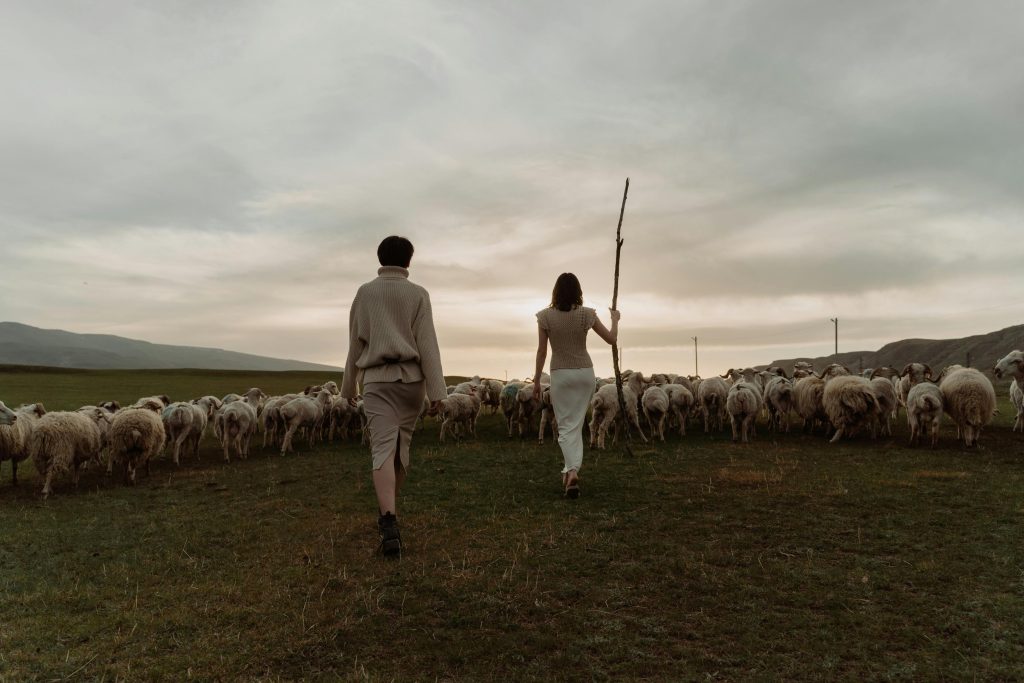
- Shepherds and Their Flocks: In many rural areas, especially in the Alps and other mountainous regions, you might come across shepherds and their flocks. It’s customary to give them the right of way and to avoid disturbing the animals.
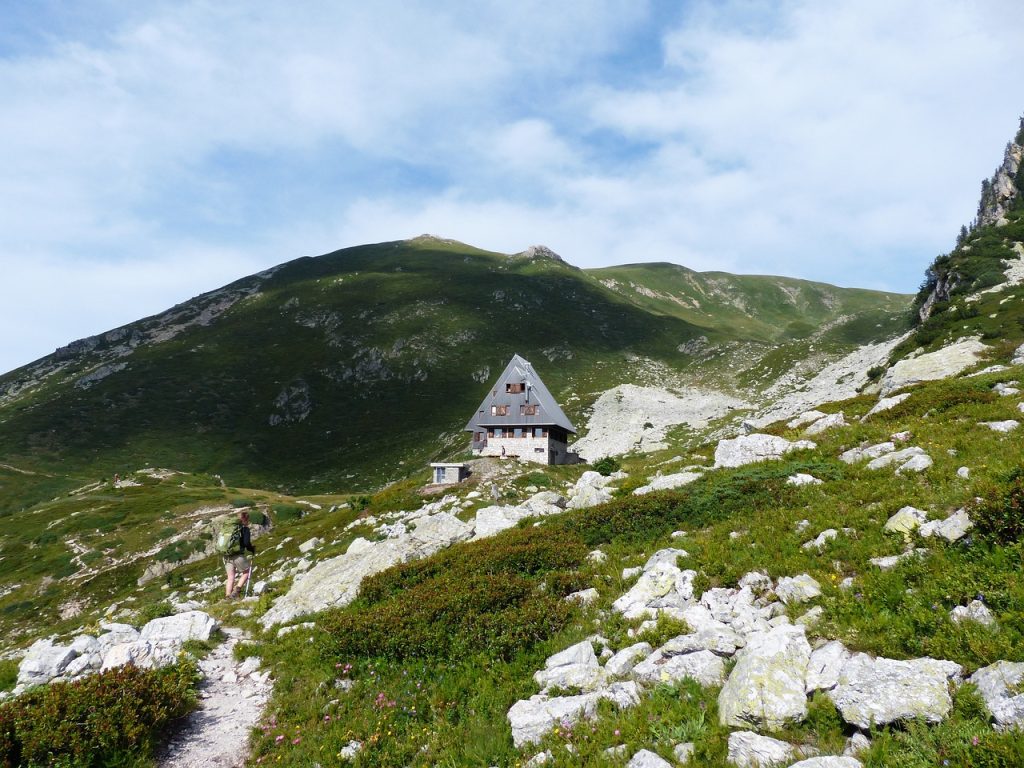
- Use of Mountain Huts (Rifugios): In the Alps and other European mountain ranges, it is common for hikers to stay overnight in mountain huts, known as rifugios. When using these communal spaces, it’s important to be considerate, keep noise to a minimum, and clean up after yourself.
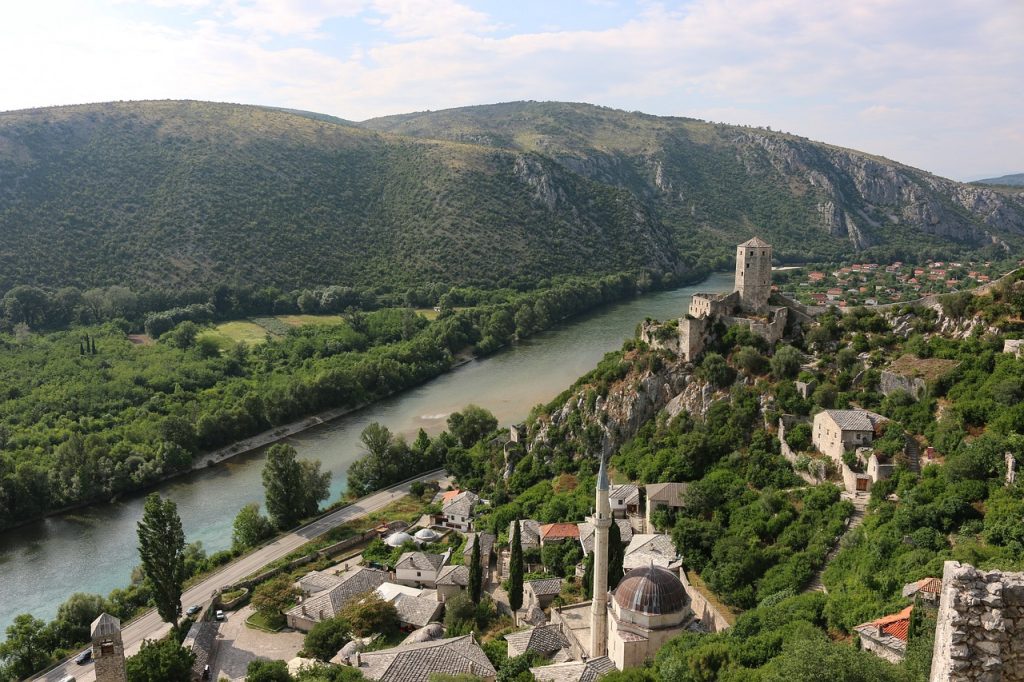
- Respect for Historical Sites: Many trails in Europe pass by or through historical sites. It is important to respect these areas, stay on marked paths, and avoid disturbing the surroundings.
Useful Etiquette Advice and Tips To Follow When Hiking in Europe
Observing proper hiking etiquette in Europe is not only about following the rules but also about understanding the cultural context behind them.
Below are some of the most important tips and advice to help you navigate the trails with respect and ease.
Greetings
In Europe, hikers are typically very polite and make a point to greet others they meet on the trail. Acknowledging fellow hikers is a common practice whether it’s a simple “hello,” a nod, or a wave.
In some countries, like France or Italy, it’s customary to greet others with a friendly “Bonjour” or “Ciao.” It’s considered good manners to reciprocate these greetings in kind, which helps foster a friendly atmosphere on the trails.
Right of Way
One of the fundamental rules of hiking etiquette in Europe is the right of way, which generally favors those going uphill. This rule allows uphill hikers to maintain their rhythm and conserve energy.
The only exceptions to this rule occur when encountering shepherds with their herds or in emergency situations where it’s necessary to yield the path to those in need.
“Quiet trails, tidy huts, and well-kept paths exist because everyone plays their part — visitors included.”
Breaks
When taking a break or stopping to admire the view, it’s important to move off the trail to avoid blocking the path for others. This simple act of consideration ensures that the trail remains accessible for everyone.
Additionally, try to choose a spot that does not obstruct a scenic view or a particularly narrow section of the trail.
Shelter Etiquette
Mountain huts, lean-tos, and other shelters are common on European trails, especially in mountainous regions. These communal spaces require a high level of consideration for others.
If you’re sharing a hut with other hikers, keep noise to a minimum, avoid using bright lights at night, and always clean up after yourself. Anything that disturbs your fellow hikers, such as loud conversations or cooking smells, will be seen as rude.
Additionally, many huts have specific rules regarding the use of facilities like kitchens and sleeping areas, so be sure to familiarize yourself with these and adhere to them.
🗒️ Free Checklist: “Never forget the essentials — grab your free Ultimate Hiking Packing List.”
Noise
One of the joys of hiking in Europe is the opportunity to enjoy the tranquility of nature. As such, it’s important to keep noise levels down to avoid disturbing others on the trail.
Even in remote locations, sound can carry over long distances, and excessive noise can disrupt the experience for others or disturb wildlife. Whether you’re chatting with companions, listening to music, or simply enjoying the outdoors, be mindful of the noise you create.
Respect for Wildlife
While hiking in Europe, you may encounter a variety of wildlife, from deer in the forests to marmots in the mountains. It’s essential to respect these animals by keeping a safe distance and avoiding any actions that might disturb them.
Feeding wildlife is generally discouraged, as it can disrupt their natural behaviors and lead to dependency on human-provided food.

Leave No Trace
The principle of “Leave No Trace” is universally respected in Europe. This means packing out all your trash, including food scraps, and avoiding damage to the environment.
Stay on marked trails to prevent erosion and protect fragile ecosystems. If you need to relieve yourself in nature, do so away from water sources and bury waste to minimize impact.
Use of Trekking Poles
If you use trekking poles, be mindful of their placement on narrow trails, especially when passing others. In Europe, it’s common courtesy to retract your poles when passing hikers to avoid accidental poking or tripping.
Respect for Private Property
Many trails in Europe pass through privately owned lands. It’s important to respect these properties by staying on designated paths, closing gates behind you, and not disturbing livestock or crops.
In some areas, you may even encounter signs indicating restricted access during certain times of the year, such as during hunting season or lambing.

Group Hiking Etiquette
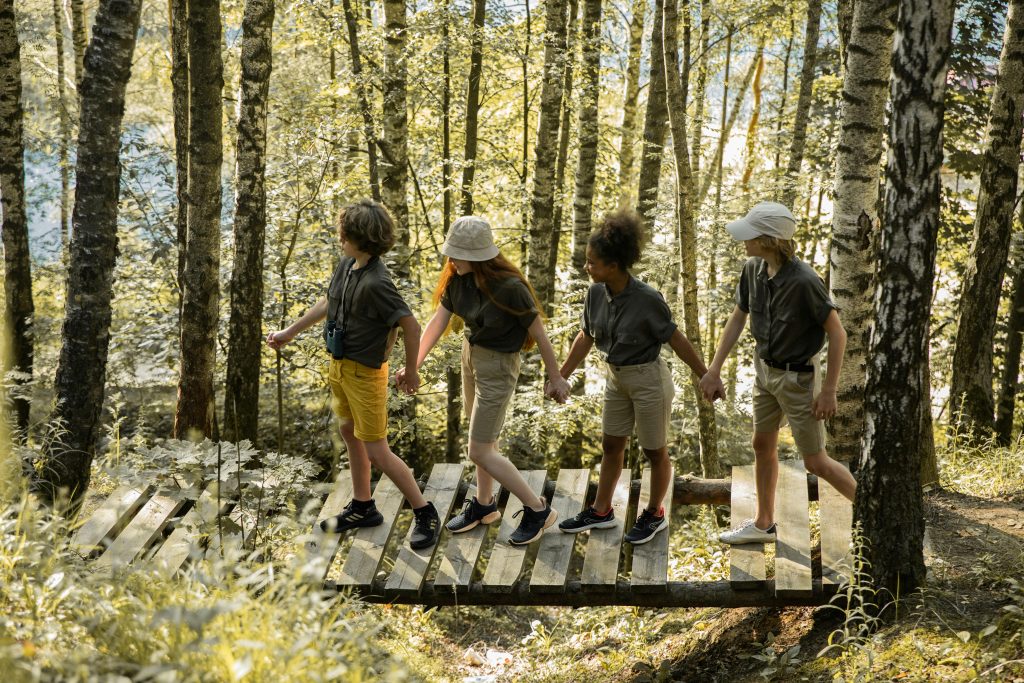
If you’re hiking in a group, be considerate of others by keeping the group together and not spreading out across the entire width of the trail.
Allow space for others to pass and avoid blocking the path. If your group is taking a break, move off the trail to avoid obstructing other hikers.
In Conclusion
Hiking etiquette in Europe is deeply rooted in the region’s cultural values of politeness, respect, and community. By observing these guidelines, you can ensure a positive experience for yourself and those you encounter on the trails.
Whether it’s greeting fellow hikers, respecting the right of way, or maintaining quiet on the trail, these simple acts of courtesy contribute to a harmonious outdoor experience.
As you explore Europe’s diverse landscapes, remember that your behavior not only reflects on you but also influences the experiences of others.
Embrace the local customs, and you’ll find that the trails in Europe are not just paths through nature, but avenues for building connections and fostering mutual respect.


