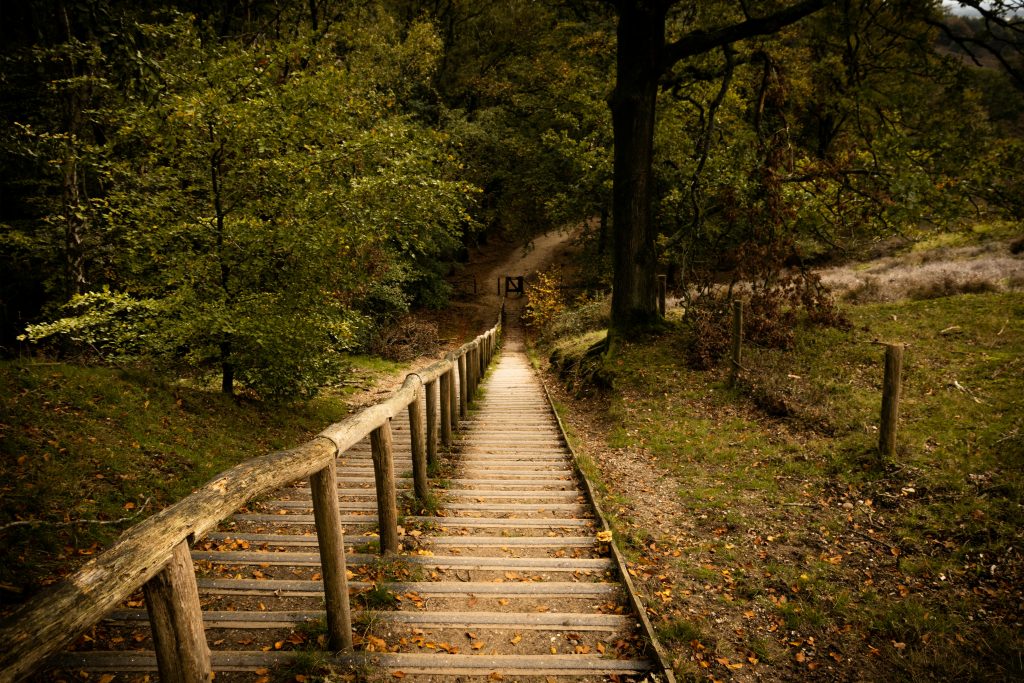
Austria is a paradise for hikers. That’s because every trail seems to lead to a postcard-worthy view. Whether you’re wandering through alpine meadows, scaling rugged peaks, or strolling through vineyards, there’s something for everyone in this outdoor European wonderland.
With its diverse landscapes, rich cultural heritage, and well-maintained paths, Austria truly has some of the best hiking experiences in Europe.
In this guide, we’re going to take you through six of the best hikes Austria has to offer. Whether you’re a seasoned trekker looking for a serious challenge or just want a leisurely day hike with stunning scenery in the backdrop, there’s a trail in Austria for you.
Why Hike in Austria?
Hiking in Austria offers a rare balance of variety, accessibility, and culture. Despite its relatively compact size, the country packs in everything from high Alpine ridgelines and glacier views to vineyard walks, forested hills, and riverside paths that feel worlds away from the peaks.
What truly sets Austria apart is how seamlessly hiking fits into everyday life. Trails are exceptionally well maintained and clearly marked, mountain huts are welcoming and deeply rooted in local tradition, and public transport makes even point-to-point hikes refreshingly easy. You can spend one day tackling a demanding section of the Adlerweg and the next enjoying a relaxed walk through the Vienna Woods—often with a plate of Kaiserschmarrn waiting at the end.
Whether you’re looking for classic long-distance routes, scenic day hikes, or culturally rich walks through historic landscapes, Austria delivers consistently rewarding experiences for hikers of all levels.
Companion Article: Ultimate Guide to Hiking in Austria
Planning a hiking trip to Austria goes beyond choosing a few great trails. From understanding regional terrain and seasonal conditions to navigating mountain huts and public transport, a little preparation goes a long way in the Alps.
Best Hikes in Austria
Austria’s trails showcase the full range of Alpine hiking—from legendary hut-to-hut routes to peaceful lakeside walks and urban escapes just outside major cities. Below are some of the best hikes to experience the country’s landscapes, culture, and mountain heritage.
The Eagle Walk (AKA Adlerweg)
The Eagle Walk offers some of the best hiking in all of Europe, with dramatic alpine scenery, lush meadows, and crystal-clear lakes all along its route.
You will get to encounter historic mountain huts and charming Tyrolean villages, where you can experience traditional Austrian culture and cuisine. One of the most interesting cultural points is the Kaisergebirge range, which is home to the legendary “Wilder Kaiser,” or “Wild Emperor,” which is steeped in local folklore.

Trail Snapshot
Difficulty: Challenging
Distance: 413 km / 256 mi (full route)
Elevation Gain: ~20,000 m / 65,600 ft (total)
Start / End: St. Johann in Tirol → St. Anton am Arlberg
Highlights: Alpine ridges, mountain huts, Tyrolean folklore
Difficulty/Recommended Fitness Level
The Eagle Walk, or Adlerweg, is a challenging long-distance hike that is a good pick for experienced hikers with a high level of fitness. The trail naturally demands stamina and technical skills, especially in some of its more rugged sections.
Distance
The full trail spans approximately 256 miles/413 km, but it can be broken down into manageable segments if you would prefer a shorter hike. In fact, many hikers choose to complete specific sections rather than the entire trail.
Elevation Gain
The total elevation gain across the entire trail is roughly 20,000 meters/65,600 feet, and it varies significantly depending on which sections you choose to hike. You’ll need to research this in advance.
Start and End Point
The Eagle Walk starts in St. Johann in Tirol and ends in St. Anton am Arlberg. In the process, it traverses through the heart of Tyrol. It’s designed as a hut-to-hut hike, allowing hikers to rest and enjoy the local hospitality each night. You can also start or end at various points along the route, depending on your preferences and time.
Get to the Trailhead
St. Johann in Tirol is easily reached by train from Innsbruck or Salzburg. Many stages also begin or end near cable cars or mountain villages, giving you flexibility if you’re hiking only part of the route.
Highlights & Landmarks
Expect limestone peaks in the Kaisergebirge, traditional mountain huts, and sweeping alpine views steeped in Tyrolean folklore.
The Five Lakes Walk (Wanderung)
As the name suggests, the highlight of this hike is the series of five stunning alpine lakes you’ll encounter along the route. These lakes are fed by glaciers.

Trail Snapshot
Difficulty: Moderate
Distance: 10 km / 6.2 mi
Elevation Gain: ~1,000 m / 3,280 ft
Start / End: Pizol cable car (loop)
Highlights: Glacier-fed lakes, alpine panoramas
Difficulty/Recommended Fitness Level
The Five Lakes Walk is a moderate hike that is suitable for hikers with a decent fitness level. It’s perfect for those who want a manageable yet rewarding hike, which makes it one of the best day hikes in Austria.
Distance
The trail covers approximately 6.2 miles/10 km. It’s an ideal day hike for those of you who are looking to enjoy stunning alpine scenery but without committing to a full day of strenuous walking.
Elevation Gain
The hike has an elevation gain of about 1,000 meters/3,280 feet. While there are some steep sections, the trail is generally well-marked and accessible for most hikers.
Start and End Point
The hike begins and ends at the top of the Pizol cable car station, located in the Austrian region of Vorarlberg. This is a loop trail, so you’ll return to your starting point, which makes logistics easy. You can reach the cable car station from the nearby town of Wangs, where you can also find accommodation if you need to stay the night.
Get to the Trailhead
Reach the Pizol cable car from the town of Wangs. Accommodation is available nearby if you want to stay overnight.
Highlights & Landmarks
Five glacier-fed lakes offer constantly changing colors and reflections, with open views across the surrounding alpine peaks.
The Lechweg Trail
The Lechweg Trail is one of the best hikes in Europe for anyone who desires to experience the serene beauty of the Lech River, which is one of the last wild rivers in the Alps. The trail follows the river as it winds through deep gorges, past waterfalls, and through lush alpine meadows.

Trail Snapshot
Difficulty: Moderate
Distance: 125 km / 77 mi
Elevation Gain: ~1,800 m / 5,900 ft
Start / End: Lech am Arlberg → Füssen (Germany)
Highlights: Wild river, gorges, suspension bridge
Difficulty/Recommended Fitness Level
The Lechweg Trail is a moderate long-distance hike, and is a decent option for hikers with a moderate fitness level who don’t want intense elevation changes of more alpine routes.
Distance
The full trail spans approximately 77 miles/125 km. It’s a good choice for a hiking trail for those looking to immerse themselves in Austria’s natural beauty over several days.
Elevation Gain
The Lechweg Trail is relatively gentle, with an overall elevation gain of around 1,800 meters/5,900 feet spread over the entire length of the trail. This makes it more accessible to hikers who prefer a long-distance trek with less intense climbs.
Start and End Point
The Lechweg Trail begins in the village of Lech am Arlberg and ends at the Lech Falls in Füssen, Germany just across the border. The trail is often done as a hut-to-hut hike, but there are also opportunities to stay in hotels and guesthouses in the villages on the route.
Get to the Trailhead
Lech am Arlberg is accessible by bus from nearby train stations, and villages along the route provide regular access points.
Highlights & Landmarks
One standout feature is the Lech Suspension Bridge, offering dramatic views over the river gorge.

The Vienna Woods (Wienerwald)
The Vienna Woods are rich in both natural beauty and cultural history. As you hike, you’ll take note of the dense beech and oak forests that are interspersed with meadows and vineyards.
Trail Snapshot
Difficulty: Easy to Moderate
Distance: ~10 km / 6 mi
Elevation Gain: ~300 m / 985 ft
Start / End: Hütteldorf U-Bahn loop
Highlights: Forests, vineyards, Rhine views
Difficulty/Recommended Fitness Level
The Vienna Woods offer a range of hikes from easy to moderate. This area is particularly well-suited for beginners and those looking for leisurely day hikes.
Distance
The Vienna Woods cover an extensive area with multiple trails, but one of the most popular routes is the Stadtwanderweg 2, which is approximately 6 miles/10 km long.
Elevation Gain
The elevation gain on the Stadtwanderweg 2 is moderate at around 300 meters/985 feet. The trail includes some gentle climbs, but nothing too strenuous.
Start and End Point
The Stadtwanderweg 2 is a loop trail that starts and ends at the Hütteldorf U-Bahn station in Vienna. This makes it easily accessible for those staying in the city, and you can enjoy the convenience of public transportation to and from the trailhead.
Get to the Trailhead
Simply take Vienna’s U-Bahn to Hütteldorf—this is one of Austria’s most accessible hikes.
Highlights & Landmarks
Hermannskogel, Vienna’s highest point, and the historic Habsburgwarte observation tower.
The Dachstein Skywalk and Glacier Hike
The Dachstein Skywalk and Glacier Hike is one of the most visually spectacular hikes in Austria. The Skywalk itself, which is often referred to as the “Balcony of the Alps” due to its stunning location 2,700 meters/8,858 feet above sea level, has a glass floor that allows you to look straight down into the abyss below.

Trail Snapshot
Difficulty: Moderate
Distance: 8 km / 5 mi (round trip)
Elevation Gain: ~400 m / 1,310 ft
Start / End: Dachstein cable car station
Highlights: Skywalk, glacier terrain, UNESCO landscape
Difficulty/Recommended Fitness Level
The Dachstein Skywalk and Glacier Hike is a moderately difficult trek and is best suited for hikers who have a good fitness level who are comfortable with higher altitudes and potentially icy conditions.
Distance
The hike is relatively short, covering about 5 miles/8 km round-trip, but the challenging terrain and the elevation make it feel more demanding than the distance might suggest.
Elevation Gain
The elevation gain is approximately 400 meters/1,310 feet, starting from the Dachstein cable car station and ascending towards the glacier. Although the hike involves a steady climb, it’s manageable for those who possess moderate experience.
Start and End Point
The hike begins at the Dachstein cable car station, which you can reach from the town of Ramsau am Dachstein. After a thrilling cable car ride up to the Dachstein Glacier, the hike takes you to the famous Dachstein Skywalk, a breathtaking viewpoint suspended over the mountains. The trail then continues across the glacier, offering a loop that brings you back to the starting point.
Get to the Trailhead
Take the Dachstein cable car from Ramsau am Dachstein up to the glacier station.
Highlights & Landmarks
The glass-floored Skywalk offers dramatic views, set within the Hallstatt-Dachstein UNESCO cultural landscape.
The Alpe-Adria Trail
The Alpe-Adria Trail is one of the best treks in Europe and offers a unique blend of diverse landscapes, from the towering peaks of the Alps to the lush valleys and serene lakes. In the Austrian portion, the trail passes through some of the country’s most beautiful and varied terrain, including the Hohe Tauern National Park, which is home to the Grobglockner (Austria’s highest mountain).

Trail Snapshot
Difficulty: Moderate
Distance: 365 km / 227 mi (Austria)
Elevation Gain: Varies by stage
Start / End: Großglockner region → Villach
Highlights: Glaciers, national parks, alpine-to-southern transition
Difficulty/Recommended Fitness Level
The Alpe-Adria Trail is a long-distance hike that ranges from moderate to challenging. Some sections are suitable for beginners.
Distance
The entire trail stretches over an impressive 466 miles/750 km from the Alps to the Adriatic Sea, but the Austrian portion covers about 227 miles/365 km. The trail is divided into 43 stages, so you can choose shorter sections if you’d like.
Elevation Gain
The elevation gain varies significantly across the trail, with some sections featuring gentle rolling hills and others presenting more substantial climbs, particularly in the Alpine regions. The elevation gain can range from a few hundred meters to over 1,000 meters/3,280 feet in some of the more mountainous stages.
Start and End Point
The Austrian portion of the Alpe-Adria Trail begins in the Großglockner region, near the Pasterze Glacier, Austria’s largest glacier, and ends in the town of Villach. From there, the trail continues through Slovenia and into Italy, ultimately reaching the Adriatic Sea. The trail is typically done in stages, with each segment starting and ending at accessible points with accommodations.
Get to the Trailhead
Each stage starts and finishes in towns with accommodation and public transport connections.
Highlights & Landmarks
Expect glacier views, national park landscapes, and a gradual transition from high alpine terrain into southern valleys.
A Note On Appropriate Gear and Clothing
Before you set off on one of the best hikes in Austria, it’s very important for you to be well-prepared with the right gear and clothing. Whether you’ll be attempting to tackle one of the best day hikes in Europe or embarking on one of the best long-distance walks in the country, the right preparation can make all the difference.

Here are the primary things you’ll want to remember to bring:
- Footwear
- Start with a good pair of hiking boots. Austria’s trails vary from easy paths to challenging alpine routes, so sturdy, well-fitted boots will be your best friends. Look for something with good ankle support and a strong grip, especially if you plan to tackle more rugged terrain or one of the best hikes with vineyards, where the ground can still be uneven.
- Clothing
- The weather in the mountains can be unpredictable in Austria, which is why it’s a good idea to layer your clothing.Go with a moisture-wicking base layer, an insulating mid-layer (like fleece), and then an waterproof and windproof outer layer. Temperatures can drop quickly, especially at higher elevations.
- Backpack
- A comfortable daypack is also a good idea regardless of whether you’re doing a short hike or one of the best overnight hikes in Austria. It should have enough space for your essentials, including water, snacks, a first aid kit, and an extra layer or two. If you’re going on a longer trek, consider a larger backpack with a supportive frame.
- Other Essentials
- Last but not least, don’t forget the small but important items, such as a map or GPS device, a hat and sunglasses for sun protection, sunscreen, and a reusable water bottle or hydration system. Trekking poles can also be a great help, especially on steep or uneven trails.
Walking Holidays in Austria
Remember that Austria’s hiking trails can range from gentle strolls to world-famous hikes that test even the most seasoned trekkers. Being properly equipped ensures that you can fully enjoy the breathtaking views and unique experiences that the best places to hike in this beautiful country have to offer. Check out our reviews page here if you are interested in getting more familiar with different bits of hiking gear.
Austria is exceptionally well suited to walking holidays. Hut-to-hut routes like the Adlerweg make multi-day hiking approachable, while trails such as the Lechweg and Alpe-Adria offer varied terrain without constant extreme ascents. Efficient transport, comfortable accommodation, and strong food culture make it easy to balance challenge with relaxation.
If multi-day walking sounds like your style, browse our Walking Holidays in Austria for full itineraries, accommodation tips, and route maps.
“From Alps to coastlines, our free Walking Holiday guide helps you plan smarter.”
Where to Next?
Here are other hiking destinations you might enjoy after Austria:
- Best Hikes in Switzerland
- Ultimate Guide to Hiking in Italy
- Walking Holidays in France
- Best Hikes in Germany
Wider European inspiration:
- Ultimate Guide to Hiking in Portugal
- Best Hikes in Croatia
- Via Dinarica (White Trail)
- Hiking the West Highland Way
Conclusion
Each of these six trails will display Austria’s inherent natural beauty and ensure that you get to embark on an unforgettable adventure regardless of whether you’re a beginner or an experienced trekker. As you explore these trails, you’ll also quickly see why Austria is considered one of the best places for hiking in Europe.