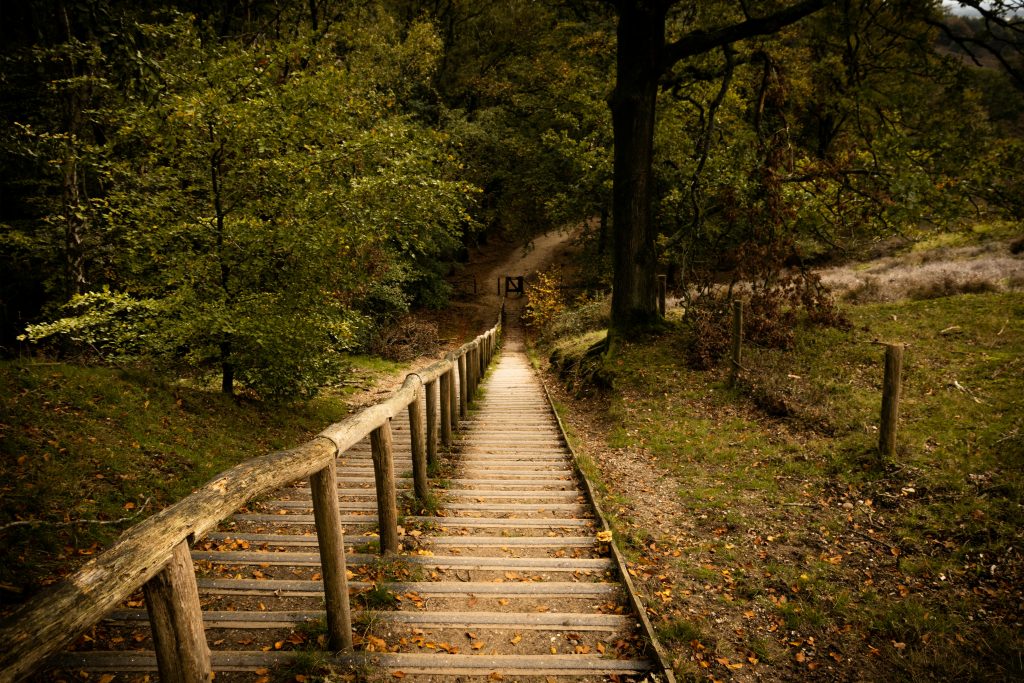
In this article, you’ll get to explore Sweden’s best hiking trails and embark on unforgettable adventures through breathtaking national parks, scenic landscapes, and iconic natural landmarks.
Why Hike in Sweden
Sweden stands out for its untouched wilderness and sense of freedom. Thanks to “Allemansrätten” (the right to roam), you can explore vast landscapes with minimal restrictions, making it one of the most accessible countries for outdoor adventures.
The diversity of landscapes is another highlight. You can hike through Arctic environments in the north, explore dramatic coastlines along the High Coast, or wander through deep forests and national parks in central Sweden.
For those seeking solitude, nature, and truly scenic trails, Sweden is one of Europe’s best hiking destinations.
Companion Article: Ultimate Guide to Hiking in Sweden
Planning a full hiking trip? Check out our complete guide to hiking in Sweden, where we cover regions, trail types, weather tips, and walking holidays to help you plan your adventure with confidence.
The Best Hikes in Sweden
If you’re dreaming of stunning landscapes, fresh mountain air, and trails that take your breath away, Sweden is calling your name.
Picture yourself trekking along the legendary Kungsleden, soaking in the wild beauty of Sarek National Park, or uncovering the hidden gems of Skuleskogen. Each of these top hiking trails (among many others) brings its own unique vibe and unforgettable views.
So, lace up your boots, pack your backpack, and get ready to explore. In this guide, we’ll dive into the six very best hikes that you will get to experience in Sweden:
Kungsleden (The King’s Trail)
Kungsleden, which translates to “The King’s Trail,” is undoubtedly Sweden’s most legendary hiking route. Stretching over 440 kilometers (273 miles) from Abisko in the north to Hemavan in the south, this trail offers an unparalleled trekking experience through some of Scandinavia’s most stunning and diverse landscapes. It’s arguably more famous than hiking trails in other Scandinavian countries, including Norway, Finland, and Denmark.
Trail Snapshot
Difficulty: Moderate–Challenging
Distance: 440 km one way
Elevation Gain: ~1,500 m
Start / End: Abisko → Hemavan
Highlights: tundra landscapes, mountain huts, Sami culture
Difficulty / Recommended Fitness Level
This trail is best suited for hikers with good fitness and long-distance trekking experience. Conditions can vary from easy paths to rugged terrain depending on the section.
Distance
The full trail spans approximately 440 kilometers, typically completed over 3 to 4 weeks. Many hikers choose shorter sections for a more manageable experience.
Elevation Gain
Elevation gain is moderate overall, spread across the entire route. Climbs are gradual but sustained over long distances.
Start and End Point
The trail begins in Abisko and ends in Hemavan. Both locations are well-known gateways to Swedish Lapland.
Get to the Trailhead
Abisko is accessible by train or flight via Kiruna. It’s one of the most convenient starting points in northern Sweden.
Highlights & Landmarks
Expect vast tundras, alpine valleys, and iconic landscapes like Lapporten. Encounters with Sami culture add depth to the journey.

Sarek National Park Adventure
Sarek National Park is often hailed as one of Sweden’s most untouched and wild hiking destinations. Nestled in the heart of Swedish Lapland, this trail offers adventurers like you the chance to explore vast mountain ranges, deep valleys, and pristine rivers. The Sarek National Park Adventure is perfect for those of you who are seeking a true wilderness experience.
Trail Snapshot
Difficulty: Challenging
Distance: 20 km round trip
Elevation Gain: ~500 m
Start / End: Kvikkjokk
Highlights: untouched wilderness, rivers, remote valleys
Difficulty / Recommended Fitness Level
This hike is best suited for experienced hikers comfortable with remote conditions. Navigation skills are often required due to limited trail markings.
Distance
The route spans approximately 20 kilometers round trip. It’s typically completed in a full day.
Elevation Gain
Elevation gain is around 500 meters. The terrain is rugged and requires steady effort.
Start and End Point
Begins and ends in Kvikkjokk, a small settlement in Swedish Lapland. It serves as a base for wilderness exploration.
Get to the Trailhead
Accessible by road and limited public transport. Planning ahead is essential.
Highlights & Landmarks
Expect dramatic valleys, rivers, and raw wilderness. Wildlife sightings are common in this remote region.
Kebnekaise Summit Trek
Kebnekaise, which is Sweden’s highest peak, offers one of the most rewarding hiking experiences in the country. Located in the stunning Abisko National Park, the Kebnekaise Summit Trek is perfect for those of you who are seeking a challenging adventure with the satisfaction of standing atop Sweden’s highest point.
Trail Snapshot
Difficulty: Challenging
Distance: 18 km round trip
Elevation Gain: ~800 m
Start / End: Kebnekaise Mountain Lodge
Highlights: Sweden’s highest peak, glacier views, alpine terrain
Difficulty / Recommended Fitness Level
Best suited for experienced hikers with strong fitness levels. The final ascent can be demanding, especially near glacier sections.
Distance
The trek covers approximately 18 kilometers round trip. It’s typically completed in 8 to 10 hours.
Elevation Gain
Elevation gain is around 800 meters. The climb is steady and physically demanding.
Start and End Point
Begins at Kebnekaise Mountain Lodge and returns the same way. The lodge is a popular base for summit attempts.
Get to the Trailhead
Accessible via Nikkaluokta by road, followed by a short hike or transfer. It’s a well-known route for hikers.
Highlights & Landmarks
Summit views stretch across the Scandinavian mountains. Glacial landscapes add a dramatic alpine feel.

“Plan less, walk more.” Pick a route, set your pace, and let Europe unfold under your boots: grab your free Walking Holiday ebook today”
Skuleberget Peak Hike
Skuleberget Peak, which is located within Skuleskogen National Park, is one of Sweden’s most beloved hiking destinations. This trail takes you to the top of Skuleberget, which is a prominent mountain that offers stunning panoramic views of the High Coast’s rugged coastline.
Trail Snapshot
Difficulty: Moderate
Distance: 6 km round trip
Elevation Gain: ~300 m
Start / End: Skuleberget Visitor Center
Highlights: High Coast views, cliffs, forest trails
Difficulty / Recommended Fitness Level
Suitable for hikers with moderate fitness levels. Some steep sections require steady pacing.
Distance
The hike spans approximately 6 kilometers round trip. It’s ideal for a half-day adventure.
Elevation Gain
Elevation gain is around 300 meters. The climb is short but noticeable.
Start and End Point
Begins at the Skuleberget Visitor Center. Trails are clearly marked.
Get to the Trailhead
Accessible by car along Sweden’s High Coast. Parking is available nearby.
Highlights & Landmarks
Panoramic coastal views are the highlight. The High Coast’s geology is UNESCO-listed.
Njupeskär Waterfall Hike
Njupeskär, which is Sweden’s tallest waterfall, is a stunning centerpiece of Fulufjället National Park. This picturesque trail takes you through ancient forests and alongside serene streams, and it all culminates in the awe-inspiring sight of Njupeskär cascading down nearly 93 meters (305 feet).
Trail Snapshot
Difficulty: Easy–Moderate
Distance: 10 km round trip
Elevation Gain: ~200 m
Start / End: Fulufjället Visitor Center
Highlights: Sweden’s tallest waterfall, forests, streams
Difficulty / Recommended Fitness Level
Suitable for most hikers with basic fitness. The terrain is gentle with some moderate inclines.
Distance
The trail spans approximately 10 kilometers round trip. It’s a relaxed day hike.
Elevation Gain
Elevation gain is around 200 meters. The climb is gradual and manageable.
Start and End Point
Begins at Fulufjället Visitor Center. The route loops back.
Get to the Trailhead
Accessible by road within Fulufjället National Park. Facilities are available.
Highlights & Landmarks
Njupeskär waterfall is the main attraction. The surrounding forest adds to the experience.
Padjelanta National Park Trek
Padjelanta National Park is a hidden gem in northern Sweden, and it offers some of the most pristine and remote hiking experiences in the country. Located within the Laponia World Heritage Site, this trail takes you through expansive tundras and serene lakes.
Trail Snapshot
Difficulty: Moderate–Challenging
Distance: 30 km round trip
Elevation Gain: ~400 m
Start / End: Kvikkjokk
Highlights: tundra, lakes, remote landscapes
Difficulty / Recommended Fitness Level
Best suited for hikers with moderate to strong fitness. Multi-day trekking experience is recommended.
Distance
The trek covers approximately 30 kilometers round trip. It’s often done over 2 to 3 days.
Elevation Gain
Elevation gain is around 400 meters. The terrain is relatively gentle but long.
Start and End Point
Begins near Kvikkjokk and loops back. It’s part of the Laponia region.
Get to the Trailhead
Accessible via northern Sweden transport routes. Planning logistics is key.
Highlights & Landmarks
Expect wide-open tundra and serene lakes. The region is rich in Sami heritage.
What to Bring for Hiking in Sweden
Preparation is essential when hiking in Sweden due to its changing weather and varied terrain.
Wear waterproof hiking boots, layer your clothing, and always pack enough food and water. Weather conditions can shift quickly, especially in mountainous regions, so a waterproof jacket is essential.
Navigation tools, insect repellent, and sun protection will also help ensure a safe and enjoyable hike.
🗒️ Free Checklist: “Pack light, pack right — download The Ultimate Hiking Packing List.”
Walking Holidays in Sweden
Sweden is one of the best destinations in Europe for walking holidays, especially for those seeking nature, solitude, and long-distance trekking experiences. The country’s extensive trail network and natural freedom laws make it ideal for self-guided adventures.
You can hike sections of Kungsleden for a classic Scandinavian experience, explore coastal trails along the High Coast, or venture into remote national parks like Sarek and Padjelanta for a more rugged journey.
Walking holidays in Sweden are about more than just hiking. They offer a chance to disconnect, embrace nature, and experience one of Europe’s most pristine environments.
Looking for a seamless experience? Explore guided and self-guided walking holidays in Sweden.
“Plan less, walk more.” Pick a route, set your pace, and let Europe unfold under your boots: grab your free Walking Holiday ebook today”
Conclusion
And there you have it! There’s no question that Sweden offers some of the best hiking in Europe, and the mountain routes in particular are comparable to the Alps hikes like you can experience in Austria, Switzerland, or northern Italy.
All you have to do is pick a hike and get your gear prepared, and you’ll be ready to explore Sweden!
Where to Next?
- Best Hikes in Switzerland
- Best Hikes in Austria
- Best Hikes in Scotland
- Walking Holidays in Italy