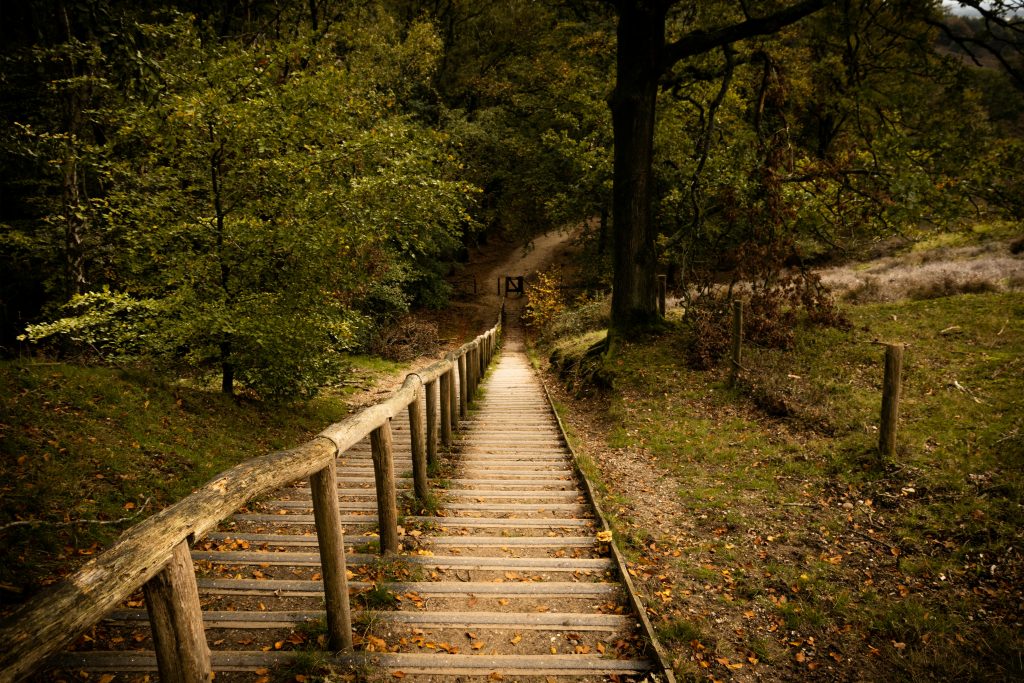
One of the most overlooked hiking destinations in the entire world, Northern Ireland is home to some of the most stunning and diverse hiking trails.
It offers everything from rugged coastal paths to challenging mountain climbs. Whether you’re looking for an easy walk with breathtaking views or a more strenuous adventure through wild landscapes, you’re likely to find a hike here that you like.
Why Hike in Northern Ireland?
Northern Ireland offers a rare balance of wild landscapes and easy access. Trails are rarely far from towns, public transport, or accommodation, yet many hikes feel remote and untouched. Coastal routes trace dramatic cliffs above the Atlantic, while inland paths cross granite mountains, forested glens, and rolling moorland.
What sets Northern Ireland apart is variety. You can climb the country’s highest peak in the Mourne Mountains one day, then stroll beneath waterfalls in the Glens of Antrim or hike along basalt cliffs the next. Add in deep-rooted folklore, ancient forts, and ever-changing weather that transforms the scenery hour by hour, and you’ll quickly understand why this region rewards hikers who explore it on foot.
Companion Article: Ultimate Guide to Hiking in Northern Ireland
Planning a hiking trip here is straightforward, but understanding weather patterns, trail access, and regional highlights makes a big difference.
Our Ultimate Guide to Hiking in Northern Ireland covers the best seasons to hike, regional trail options, safety tips, and what to expect from the terrain — a perfect companion to this list of standout trails.
The Best Hikes in Northern Ireland
From iconic mountain summits to coastal paths and forest walks, these hikes capture Northern Ireland’s diversity and character.
Slieve Donard, Mourne Mountains
Slieve Donard is the highest peak in Northern Ireland. It is a must-do for any serious hiker. Located in the Mourne Mountains, this trail offers a challenging but rewarding experience. You will get treated to stunning views from the summit stretching across the Mournes, Newcastle, and the Irish Sea.
Trail Snapshot
Difficulty: Challenging
Distance: 9 km (5.5 miles) round trip
Elevation Gain: ~850 m (2,789 ft)
Start / End: Newcastle (Donard Park)
Highlights: Mourne Wall, summit views, Irish Sea panorama
Difficulty/Recommended Fitness Level
This hike is honestly rather difficult and is typically recommended for hikers with a good fitness level due to its steep inclines and rocky terrain. You’ll want to be physically fit before attempting this hike.
Distance
The trail is approximately 5.5 miles/9 km round-trip.
Elevation Gain
You’ll gain around 850 meters/2,789 feet as you climb to the summit of Slieve Donard.
Start and End Point
This hike starts from Donard Park in the town of Newcastle. The trial takes you through forested paths before opening up to the rugged mountain landscape. The end point is the summit of Slieve Donard, and you’ll return the same way.
Difficulty / Recommended Fitness Level
Best for fit hikers comfortable with sustained climbs and rocky terrain.
Highlights & Landmarks
Sections of the historic Mourne Wall guide you toward the summit, where views can stretch to Scotland and the Isle of Man in clear conditions.
🗒️ Free Checklist: “Never forget the essentials — grab your free Ultimate Hiking Packing List.”
Giant’s Causeway Coast Walk
The Giant’s Causeway is one of Northern Ireland’s most famous natural wonders. This hike along the Causeway Coast combines rugged cliffs, sweeping ocean views, and the iconic basalt columns that make the Giant’s Causeway so unique and world famous.
Trail Snapshot
Difficulty: Moderate
Distance: 14.5 km (9 miles) one way
Elevation Gain: ~300 m (984 ft)
Start / End: Ballintoy → Giant’s Causeway
Highlights: Basalt columns, coastal cliffs, sea views
Difficulty/Recommended Fitness Level
This hike is moderate and suitable for most fitness levels. There are some uneven sections and a few steep climbs, but overall, it’s a pleasant walk with stunning coastal views.
Distance
The trail is approximately 9 miles/14.5 km one way from Ballintoy to the Giant’s Causeway.
Elevation Gain
There is a modest elevation gain of about 300 meters/984 feet throughout the hike, with some ups and downs along the coastal path.
Start and End Point
The hike starts in the charming village of Ballintoy and ends at the Giant’s Causeway. This is where you can explore the famous basalt columns before heading back or catching transportation from the visitor center.
Difficulty / Recommended Fitness Level
Suitable for most hikers with reasonable fitness.
Highlights & Landmarks
The UNESCO-listed Giant’s Causeway, sea stacks, hidden coves, and dramatic Atlantic cliffs steeped in folklore.
Cave Hill, Belfast
Cave Hill is a popular hike just outside Belfast. It offers hikers fantastic views over the city and beyond. Known for its distinctive “Napoleon’s Nose” formation, the hill is a local favorite for those wanting a quick escape into nature without traveling far from the urban hustle. The hike offers a mix of forest trails and open views.

Trail Snapshot
Difficulty: Moderate
Distance: 7 km (4.5 miles) round trip
Elevation Gain: ~370 m (1,214 ft)
Start / End: Belfast Castle
Highlights: City views, McArt’s Fort, “Napoleon’s Nose”
Difficulty/Recommended Fitness Level
This hike is moderate and is suitable for most fitness levels. It has a few steep sections but is manageable for beginners who are up for a bit of a challenge.
Distance
The trail is approximately 4.5 miles/7 km round trip.
Elevation Gain
The hike includes an elevation gain of about 370 meters/1,214 feet, which leads you to the summit of Cave Hill.
Start and End Point
The hike starts and ends at Belfast Castle, making it an ideal combination of natural beauty and local history. The castle itself is a picturesque spot worth exploring before or after your hike.
Difficulty / Recommended Fitness Level
Accessible for most hikers, including confident beginners.
Highlights & Landmarks
Iron Age fort ruins, panoramic views over Belfast Lough, and rock formations said to inspire Gulliver’s Travels.
Glenariff Forest Park, Glens of Antrim
Known as the “Queen of the Glens,” Glenariff Forest Park in the Glens of Antrim offers one of the most scenic and peaceful hikes in Northern Ireland. You’ll be treated to lush woodlands, cascading waterfalls, and tranquil rivers.
This is literally the perfect hike in Northern Ireland for those of you who are looking to immerse yourselves in nature but without tackling more strenuous terrain.
Trail Snapshot
Difficulty: Easy–Moderate
Distance: 4.8 km (3 miles)
Elevation Gain: ~120 m (394 ft)
Start / End: Glenariff Forest Park Visitor Centre
Highlights: Waterfalls, forest paths, river scenery
Difficulty/Recommended Fitness Level
This hike is easy to moderate overall. It’s perfect for hikers of all fitness levels, including families and beginners.
Distance
The Waterfall Walk in Glenariff is approximately 3 miles/4.8 km long, which makes it a relatively short but nonetheless beautiful hike.
Elevation Gain
There is a gentle elevation gain of about 120 meters/394 feet along the trail. It’s an accessible hike for most hikers.
Start and End Point
The hike begins and ends at the Glenariff Forest Park visitor center, where you can grab a map and find more information about the park’s trails.
Difficulty / Recommended Fitness Level
Ideal for beginners, families, and relaxed walkers.
Highlights & Landmarks
Multiple waterfalls, shaded woodland trails, and picnic-friendly scenery.
Divis and Black Mountain
Just a short drive from Belfast, the Divis and Black Mountain hike offers stunning panoramic views over the city and beyond. This hike provides a peaceful escape from the urban bustle and will allow you to enjoy the natural beauty of the Belfast Hills, with the chance to see as far as the Mourne Mountains, Belfast Lough, and even Scotland on a clear day.
Trail Snapshot
Difficulty: Easy–Moderate
Distance: 6.5 km (4 miles) round trip
Elevation Gain: ~320 m (1,050 ft)
Start / End: Divis car park
Highlights: Belfast views, open moorland, historic landmarks
Difficulty/Recommended Fitness Level
This hike is easy to moderate, making it suitable for most fitness levels.
Distance
The trail is approximately 4 miles/6.5 km round trip, and overall it offers a nice balance between a manageable distance and rewarding views.
Elevation Gain
The elevation gain is around 320 meters/1,050 feet, with gentle inclines that lead to the summit of Divis Mountain.
Start and End Point

The hike starts at the Divis and Black Mountain car park. Here, you’ll find well-marked trails leading through the hills and back.
Difficulty / Recommended Fitness Level
Suitable for most fitness levels.
Highlights & Landmarks
Views across Belfast, Belfast Lough, and distant mountain ranges, plus remnants of military history.
The Cuilcagh Boardwalk Trail (Stairway to Heaven)
The Cuilcagh Boardwalk Trail is better known as the “Stairway to Heaven.” It’s aisly one of Northern Ireland’s most iconic hikes. Located in Cuilcagh Mountain Park, the trail will lead you through a unique bogland landscape and up a steep wooden boardwalk to stunning views at the summit of Cuilcagh Mountain.
Trail Snapshot
Difficulty: Moderate
Distance: 12 km (7.5 miles) round trip
Elevation Gain: ~550 m (1,804 ft)
Start / End: Cuilcagh Mountain Park
Highlights: Boardwalk ascent, peatland scenery, summit views
Difficulty/Recommended Fitness Level
All in all, this hike is moderate, with most of the trail being fairly easy, but the final section (specifically where you will need to climb the steep boardwalk) requires a good level of fitness and stamina, so be prepared.
Distance
This is a round trip hike that is approximately 7.5 miles/12 km.
Elevation Gain
The elevation gain is around 550 meters/1,804 feet, with most of the gain coming from the boardwalk section towards the ends.
Start and End Point
The trail begins and ends at the Cuilcagh Mountain Park car park. From here, you’ll walk across the flat bogland before reaching the wooden boardwalk that takes you to the summit.
Difficulty / Recommended Fitness Level
Moderate overall, with a demanding final climb.
Highlights & Landmarks
The dramatic “Stairway to Heaven” boardwalk protects fragile peatland while delivering unforgettable views.
What to Bring for Hiking in Northern Ireland
Northern Ireland’s weather can change quickly, so preparation matters.
- Footwear: Waterproof hiking boots with good grip
- Clothing: Layered system with windproof and waterproof outer shell
- Backpack: Daypack for food, water, and spare layers
- Other Essentials: Map and compass, snacks, first-aid kit, sun protection
“Avoid rookie mistakes. Our free ebook Hiking for Beginners shows you how.”
Walking Holidays in Northern Ireland
Northern Ireland works well for short walking holidays, combining base-town stays with day hikes. Regions like the Mournes, the Causeway Coast, and the Glens of Antrim allow you to link coastal paths, forest walks, and mountain trails without changing accommodation frequently.
Compact distances, scenic driving routes, and welcoming villages make it easy to build a flexible, low-stress walking itinerary — perfect for hikers who want variety without long transfers.
“From Alps to coastlines, our free Walking Holiday guide helps you plan smarter.”
Conclusion
Overall Northern Ireland offers a richer and more diverse range of hiking experiences than you may have initially anticipated, from challenging mountain climbs to scenic coastal walks. Whether you’re scaling the heights of Slieve Donard or nicely strolling along the iconic Giant’s Causeway, each trail provides a unique opportunity to connect with the breathtaking landscapes and history of this sometimes overlooked and yet beautiful country.
Where to Next?
- Best Hikes in Scotland
- Best Hikes in Wales
- Best Hikes in England
- Ultimate Guide To Hiking in Northern Ireland
- Best Hikes in France