Austria is one of the best countries in Europe for multi-day trekking. From rugged glacier routes and dramatic ridgelines to gentler hut-to-hut circuits through alpine meadows, the country offers an enormous variety of trekking experiences for walkers of nearly every skill level.
What makes Austria especially appealing is how accessible long-distance hiking feels here. Trails are well-marked, mountain huts are widespread, and even challenging alpine routes are supported by excellent infrastructure.
Whether you’re planning your first hut-to-hut adventure or searching for a demanding high-alpine traverse, Austria delivers some of the most rewarding trekking in the Alps.
This guide covers some of the best multi-day treks in Austria, including iconic long-distance routes, quieter hidden gems, and scenic alpine circuits that deserve a place on any European hiking bucket list.
- Why Austria Is One of Europe’s Best Trekking Destinations
- Compare Austria’s Best Multi-Day Treks
- How Difficult Is Trekking in Austria?
- When to Go: Best Trekking Season in Austria
- How to Plan a Multi-Day Trek in Austria
- Top 10 Multi-Day Hikes in Austria
- Trekking FAQ: Multi-Day Hikes in Austria
- Austria Is Built for Walkers
- Where to Next?
Why Austria Is One of Europe’s Best Trekking Destinations
Austria feels like it was purpose-built for multi-day hiking. The trails are exceptionally well-maintained, the mountain huts are deeply woven into alpine culture, and the scenery shifts constantly between jagged peaks, glacier valleys, forests, alpine lakes, and postcard-perfect villages.
One of the biggest advantages of trekking in Austria is accessibility. Unlike some remote mountain regions elsewhere in Europe, Austria combines serious alpine terrain with reliable infrastructure.
Cable cars, mountain railways, buses, and efficient regional trains make it surprisingly easy to access trailheads and customize routes.
The hut system is another major reason hikers return year after year. Many of Austria’s mountain huts offer warm meals, showers, dormitories, and even private rooms, allowing trekkers to travel lighter while still experiencing remote alpine landscapes.
Austria also caters to a wide range of hikers. Some routes, like the Arlberg Trail or gentler sections of the Adlerweg, are approachable for reasonably fit beginners.
Others, such as the Berliner Höhenweg or sections of the Gesäuse region, demand strong fitness, confidence in exposed terrain, and previous alpine experience.
Regardless of whether you’re chasing dramatic ridge walks, glacier views, cultural walking holidays, or long-distance mountain adventures, Austria offers some of the most rewarding trekking routes anywhere in Europe.
Compare Austria’s Best Multi-Day Treks
If you’re unsure where to begin, this quick comparison gives a rough idea of the difficulty, duration, and overall style of each trek.
| Trek | Difficulty | Duration | Best For |
|---|---|---|---|
| Adlerweg (Eagle Walk) | Moderate–Challenging | 15–24 days | Classic Austrian thru-hike |
| Stubai High Trail | Challenging | 5–7 days | Glacier scenery and alpine huts |
| Rätikon Höhenweg | Moderate | 4–6 days | Quieter alpine trekking |
| Berliner Höhenweg | Hard | 7–9 days | Experienced mountain hikers |
| Schladminger Tauern High Trail | Moderate–Hard | 5–7 days | Lakes and ridgeline scenery |
| Seckauer Zinken Circuit | Moderate | 2–4 days | Weekend trekking trips |
| Arlberg Trail | Easy–Moderate | 3–5 days | Comfort-focused trekking |
| Gesäuse Hüttenrunde | Hard | 3–5 days | Rugged mountain terrain |
| Via Alpina (Austria Section) | Moderate | Flexible | Cultural long-distance trekking |
| Lungauer Höhenrunde | Moderate | 4–6 days | Peaceful alpine landscapes |
How Difficult Is Trekking in Austria?
Trekking in Austria ranges from beginner-friendly hut walks to demanding high-alpine routes with steep ascents, exposed ridgelines, and long hiking days.
The good news is that Austria’s excellent trail infrastructure makes the mountains far more approachable than many first-time trekkers expect.
For newer hikers, routes like the Arlberg Trail or shorter sections of the Adlerweg provide a manageable introduction to hut-to-hut hiking.
Trails are generally well-marked, huts are frequent, and navigation is relatively straightforward during the main trekking season.
That said, Austria’s mountains should still be respected. Many multi-day treks involve significant daily elevation gain, often between 800 and 1,500 meters per day. Even moderate routes can become physically demanding over multiple consecutive hiking days.
More advanced treks, including the Berliner Höhenweg and parts of the Stubai High Trail, feature exposed sections, narrow mountain paths, loose rock, and occasional cable-assisted terrain.
These routes are best suited to experienced hikers who are comfortable in alpine environments.
Weather is another factor. Conditions can change quickly in the Alps, and even summer mornings can turn into cold, wet afternoons.
Carrying waterproof layers, warm clothing, and navigation tools is essential.
If you have reasonable fitness, proper preparation, and realistic expectations, Austria is one of the best places in Europe to begin multi-day alpine trekking.
When to Go: Best Trekking Season in Austria
Timing is everything in the Alps, and for hut-to-hut hiking in Austria, the magic window is late June to mid-September.
By late June, most of the high mountain snow has finally let go of its grip, the trails are clear, and the alpine huts swing open their shutters for the season.
This is when Austria’s landscapes truly come alive, like where the meadows explode with wildflowers and the waterfalls roar with snowmelt.
July and August are prime time: warm, vibrant, and full of energy. You’ll get long daylight hours and the liveliest mountain hut scenes, but also the most hikers. If you don’t mind some friendly foot traffic, it’s a great time to go.
But if solitude and crisp mountain air are more your speed, early September is the sweet spot. The crowds thin, the temperatures mellow, and the mountains start dressing for autumn
“Every hiker starts somewhere — grab your free Hiking for Beginners guide.”
How to Plan a Multi-Day Trek in Austria
Planning a multi-day hike in Austria is part logistics, part excitement, and part “how many dumplings can I eat after a 1,000-meter climb?”
First things first, you should book your huts early, because especially in peak season (July and August), the more popular huts can fill up weeks in advance.
Most can be booked online or directly through the Austrian Alpine Club (ÖAV), and some even include a hearty breakfast and dinner deal.
Austria makes trail navigation refreshingly simple.
The routes are well-marked with color-coded signs and red-white-red painted trail markers, which are often slapped on rocks, trees, or posts just when you need reassurance.
Still, it’s smart to bring a topo map and a GPS app (like Komoot or Alpenvereinaktiv), and especially for the foggy days or less-traveled routes.
Be ready for mountain mood swings. The Austrian weather can change in a heartbeat, and what starts as a sunny day can turn chilly and damp by afternoon.
And let’s not sugarcoat it, these trails go up. And then up some more.
You don’t need to be a marathon runner, but basic fitness and some training on hills or stairs will make your journey far more enjoyable. Elevation gain is real!
Top 10 Multi-Day Hikes in Austria
Whether you’re looking for a challenging alpine traverse, a scenic hut-to-hut adventure, or a quieter multi-day route away from Austria’s busiest trails, these treks showcase some of the very best long-distance hiking the country has to offer.
1. Adlerweg (Eagle Walk), Tyrol
Austria’s most iconic long-distance trail, the Adlerweg, is as legendary as it sounds.
Named for its eagle-shaped route across the region of Tyrol, this trail spans roughly 300 kilometers (186 miles) and it also offers a true alpine experience.
From rugged ridgelines to gentle valleys, it blends serious mountain terrain with traditional Austrian charm.
The trail is broken into manageable stages too, and the hut system is well-equipped for multi-day hikers.
Trail Snapshot
Distance: ~300 km
Duration: 15–24 days
Difficulty: Moderate to Challenging
Best For: Classic hut-to-hut trekking in Austria
Highlights: Tyrol, alpine huts, ridgelines, valleys
Best Season: July–September
Best for: Hikers wanting the full Austrian alpine trekking experience.
Logistics: The route is broken into multiple stages with excellent public transport access throughout Tyrol, making it easy to section hike if you don’t want to complete the entire trail.
2. Stubai High Trail (Stubaier Höhenweg)
For those of you who are drawn to high-alpine landscapes and glacier views, the Stubai High Trail is a classic.
This circular route keeps hikers mostly above the tree line, and it also provides sweeping views nearly every step of the way.
With seven huts spaced out over the course of the trek, each day ends with a warm meal and a hearty welcome.
The route is challenging, with steep climbs and occasional exposed sections, but for seasoned hikers, it’s honestly one of the most rewarding multi-day treks Austria has to offer.
Trail Snapshot
Distance: ~80 km
Duration: 5–7 days
Difficulty: Challenging
Best For: High-alpine scenery and glacier views
Highlights: Glaciers, exposed traverses, mountain huts
Best Season: July–September
Best for: Experienced hikers wanting a true high-alpine hut-to-hut adventure.
Logistics: Most hikers begin near Neustift im Stubaital, which is easily reached from Innsbruck via bus connections.
3. Rätikon Höhenweg
Neatly tucked along the borders of Austria, Liechtenstein, and Switzerland, the Rätikon Höhenweg is ideal for those of you who are looking for a quieter and somewhat less-traveled path.
This scenic route weaves through dramatic limestone peaks and peaceful alpine pastures.
The terrain is moderate, the huts are welcoming, and the pace is perfect for soaking in the scenery without rushing.
Trail Snapshot
Distance: ~65 km
Duration: 4–6 days
Difficulty: Moderate
Best For: Quieter trekking routes
Highlights: Limestone peaks, alpine meadows, border regions
Best Season: July–September
Best for: Walkers seeking a less-crowded alternative to Austria’s more famous alpine treks.
Logistics: The route crosses areas near Austria, Switzerland, and Liechtenstein, with several entry and exit points available along the trail.
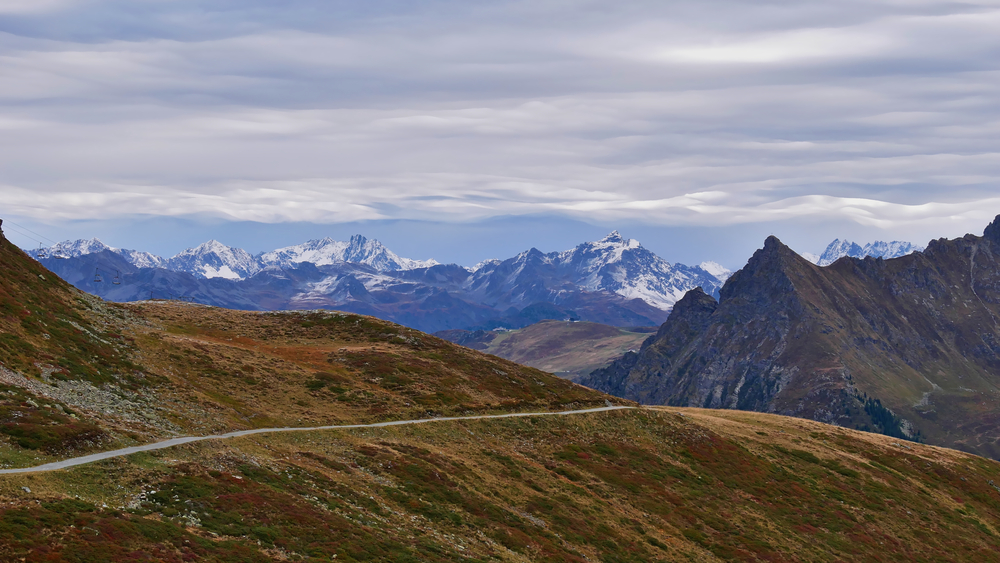
4. Zillertal Alps Berlin High Trail (Berliner Höhenweg)
The Berliner Höhenweg is rugged, it’s remote, and it’s also incredibly scenic.
Set in the Zillertal Alps, this trail is known for its challenging ascents, some challenging technical sections, and jaw-dropping glacier vistas.
It’s one of the tougher multi-day treks in Austria, with long stretches between huts and terrain that demands good fitness and solid footing. But for those of you who are up to the task, it offers a wild and unforgettable alpine experience.
Trail Snapshot
Distance: ~70 km
Duration: 7–9 days
Difficulty: Hard
Best For: Serious alpine trekking
Highlights: Glacier views, rugged terrain, exposed trails
Best Season: Mid July–September
Best for: Experienced mountain hikers comfortable with steep and exposed terrain.
Logistics: The trek typically starts and finishes near Mayrhofen in the Zillertal Valley, with reliable transport links from Innsbruck.
🗒️ Free Checklist: “Pack light, pack right — download The Ultimate Hiking Packing List.”
5. Schladminger Tauern High Trail
This trail is a hidden gem in the eastern Alps. The Schladminger Tauern High Trail features crystal-clear alpine lakes with long ridgelines and fewer hikers than some of the more famous routes.
It’s a bit of a challenge, and especially with several steep sections, but the rewards are worth it. Huts along the trail offer traditional fare and a quiet place to rest.
Trail Snapshot
Distance: ~70 km
Duration: 5–7 days
Difficulty: Moderate to Hard
Best For: Alpine lakes and quieter mountain scenery
Highlights: Ridgelines, lakes, remote huts
Best Season: July–September
Best for: Hikers wanting scenic alpine landscapes without the crowds of Tyrol.
Logistics: Schladming acts as the main gateway town and has strong rail connections within Austria.
6. Seckauer Zinken Circuit
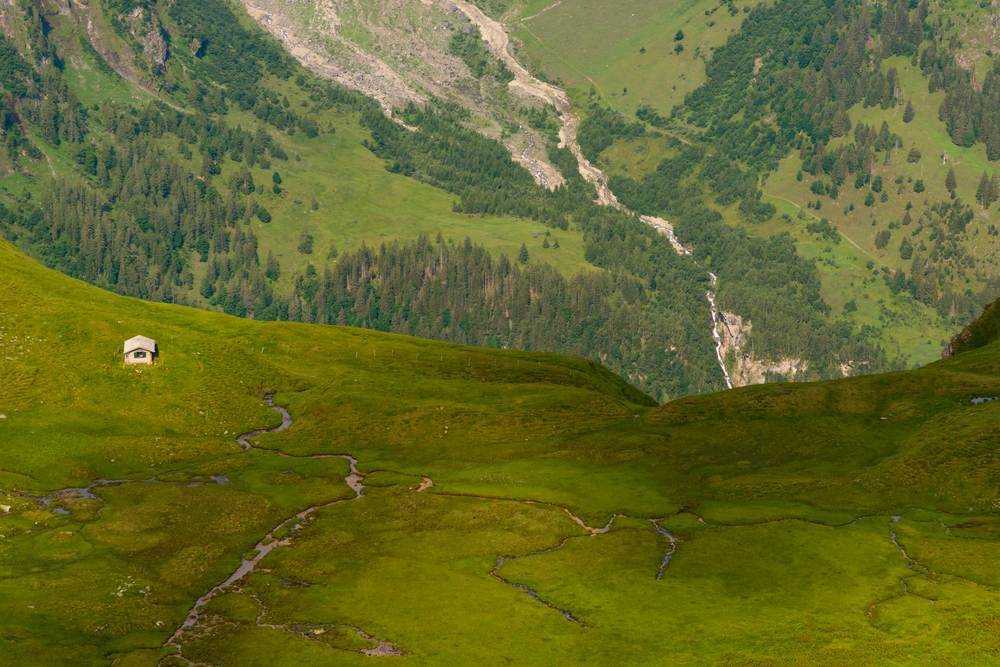
In the quieter region of Styria, the Seckauer Zinken Circuit offers a short but scenic trek ideal for weekend adventurers.
The forest trails give way to panoramic ridgelines, and the overall distance makes it manageable for hikers of moderate ability. The huts are simple but friendly.
Trail Snapshot
Distance: ~35–50 km
Duration: 2–4 days
Difficulty: Moderate
Best For: Weekend trekking trips
Highlights: Forests, panoramic ridges, Styria
Best Season: June–September
Best for: Walkers wanting a shorter multi-day trek with manageable distances.
Logistics: This route is best suited to self-organised hikers with a car, as public transport access is more limited than Austria’s larger trekking regions.
7. Arlberg Trail
The Arlberg Trail combines beautiful mountain scenery with a touch of luxury.
Connecting Lech, St. Anton, and Stuben, this modern trek takes full advantage of cable cars, charming villages, and well-maintained trails.
It’s relatively short and ideal for hikers who enjoy good food with comfortable beds and breathtaking views, without pushing any serious physical limits.
Trail Snapshot
Distance: ~50 km
Duration: 3–5 days
Difficulty: Easy to Moderate
Best For: Comfortable trekking experiences
Highlights: Villages, cable cars, mountain hotels
Best Season: June–September
Best for: Beginners or walkers wanting a softer introduction to hut-to-hut hiking.
Logistics: Excellent transport links connect St. Anton, Lech, and Zürs, making this one of Austria’s easiest treks to organise independently.
8. Gesäuse Hüttenrunde
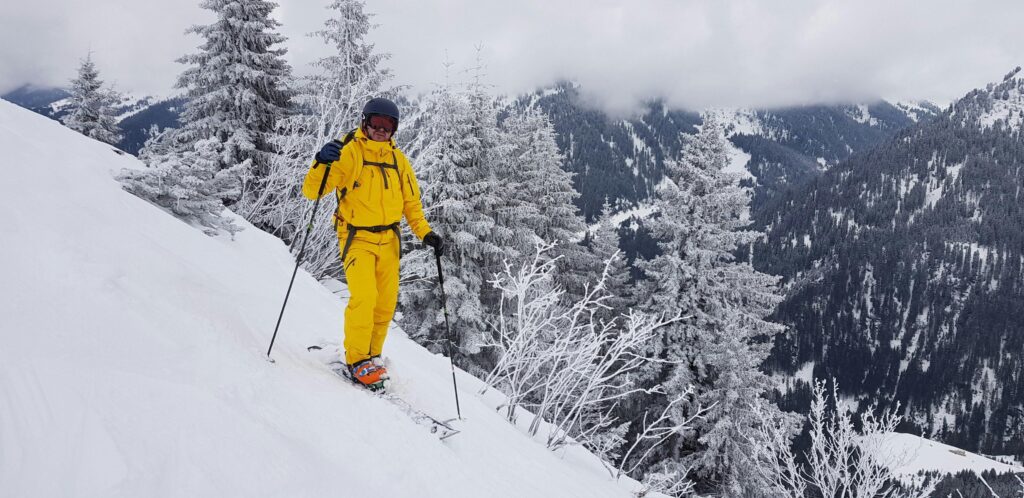
Located in Gesäuse National Park, the Hüttenrunde is a rugged loop through one of Austria’s most dramatic mountain landscapes.
The trail features steep limestone peaks with dense forest paths and fewer amenities than more developed routes, which makes it ideal for experienced hikers who are seeking a more adventurous trekking experience.
Trail Snapshot
Distance: ~45 km
Duration: 3–5 days
Difficulty: Hard
Best For: Rugged alpine terrain
Highlights: Limestone peaks, steep trails, remote scenery
Best Season: July–September
Best for: Experienced hikers wanting a more rugged and adventurous Austrian trek.
Logistics: Trailheads are accessible from Admont and surrounding villages, though planning transport in advance is recommended.
“Turn your dream trek into a plan — get your free Plan Your Own European Walking Holiday ebook ”
9. Via Alpina (Red Trail: Austrian Section)
The Austrian section of the Via Alpina Red Trail is part of a trans-European network that passes through remote villages and scenic mountain passes.
Trekkers can choose from multiple segments. It’s a slower-paced cultural hiking experience that offers the chance to connect with small communities while still enjoying spectacular alpine scenery.
Trail Snapshot
Distance: Flexible
Duration: Flexible
Difficulty: Moderate
Best For: Long-distance cultural trekking
Highlights: Villages, alpine passes, local culture
Best Season: June–September
Best for: Trekkers wanting a slower-paced journey through multiple alpine regions and communities.
Logistics: Because the route stretches across multiple countries, hikers can choose shorter Austrian sections rather than committing to the full Via Alpina.
10. Lungau Alpine Circuit (Lungauer Höhenrunde)
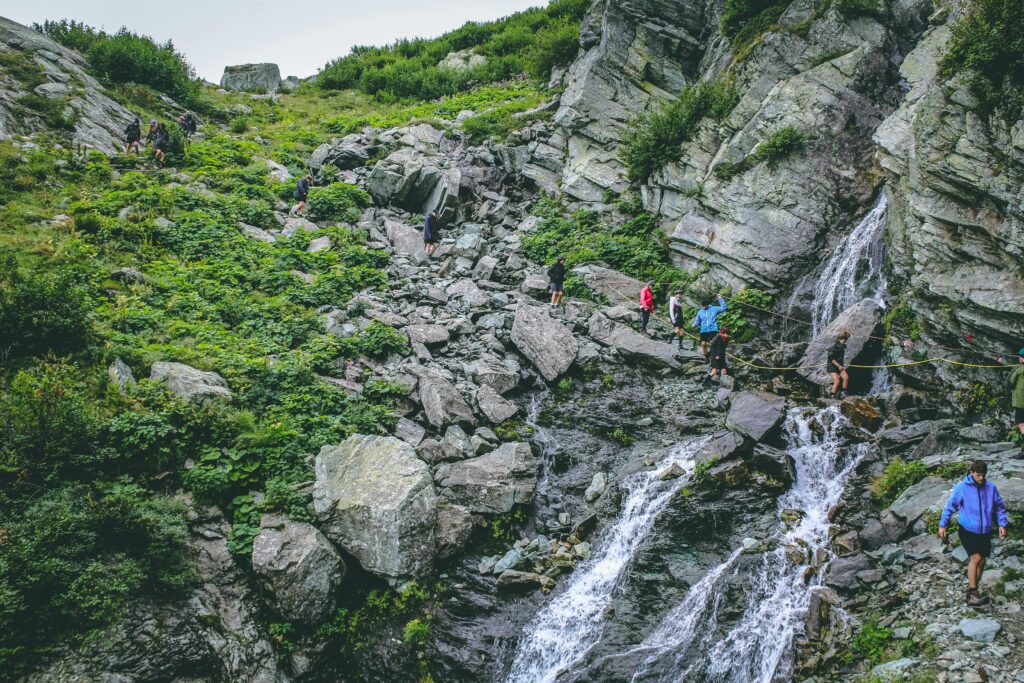
Looping through the sunny southern Alps, the Lungauer Höhenrunde is a mellow but beautiful circuit.
The route passes through open alpine pastures and quiet trails with expansive views.
It’s a solid moderate-level trek that is less strenuous than some of the high-alpine routes, but it’s still got enough elevation and distance to feel like a real adventure.
Trail Snapshot
Distance: ~90 km
Duration: 4–6 days
Difficulty: Moderate
Best For: Relaxed alpine trekking
Highlights: Open meadows, quieter trails, panoramic views
Best Season: July–September
Best for: Hikers looking for a scenic but less demanding multi-day alpine circuit.
Logistics: The Lungau region is quieter than western Austria, so hut bookings and trail traffic are generally less intense during peak season.
Trekking FAQ: Multi-Day Hikes in Austria
What is the Longest Hike in Austria?
That crown belongs to the Adlerweg, which stretches across nearly the entire region of Tyrol at around 300 kilometers.
It’s the heavyweight champion of long-distance walks in Austria, and it offers everything from high-altitude drama to serene forest trails.
Do I need to book huts in advance?
Yes, and we can’t stress this enough, especially in July and August, when the huts are buzzing.
Some fill up weeks ahead, so booking in advance is a smart move unless you enjoy last-minute detours or sleeping under the stars (and not in the romantic way).
Can beginners do hut-to-hut hiking in Austria?
Absolutely. Austria is surprisingly beginner-friendly, thanks largely to its well-marked trails and excellent infrastructure.
If you’re just getting started, try easier routes like the Arlberg Trail or a gentler section of the Adlerweg. Start small, pace yourself, and don’t be afraid to take that cable car shortcut.
What’s the food like in the mountain huts?
In a word: delicious. You can fully expect steaming bowls of goulash, fluffy dumplings, soups that taste like someone’s grandma made them, and plenty of fresh-baked strudel.
Most huts offer hearty set meals, and many now cater to vegetarian and allergy-friendly diets, too. Come hungry!
Do I need a guide?
Not necessarily. Most trails in Austria are well-marked and easy to follow.
But if you’re new to alpine terrain, uncomfortable navigating in the mountains, or just want to relax and enjoy the ride, a guided trek can take the pressure off.
Is it safe to hike solo?
Generally, yes, and especially on popular trails. Austria is considered very safe for solo hikers.
Just use common sense: share your itinerary, check the weather daily, and carry a map or GPS app in case fog rolls in or trail signs play hide-and-seek.
How much does a typical walking holiday cost in Austria?
Budget around €40–80 per day, which covers your hut stay, meals, and basic transport.
Add a little more if you’re planning to mix in some hotel nights, upgrade to private hut rooms, or go with a guided tour.
It’s not the cheapest country, but you get serious value for those alpine views and warm dumplings.
What gear should I bring for a multi-day trek?
You should start with a comfortable backpack, layered clothing (including a waterproof jacket), and sturdy trail runners or hiking boots.
You’ll also want a sleep liner for the huts, headlamp, sunscreen, first aid kit, water filter or tablets, and a few trail snacks for those midday energy crashes.
Oh, and don’t forget a power bank, because mountain sunrises deserve to be captured.
Austria Is Built for Walkers
If ever there was a country made for trail-loving souls, it’s Austria. Regardless of whether you’re chasing glaciers or just want to enjoy good soup with a view, this country’s trails are ready when you are!
Where to Next?
If Austria has sparked your appetite for multi-day trekking, Europe is full of unforgettable long-distance trails and hut-to-hut adventures waiting to be explored.
More Hiking Inspiration in Austria
- Ultimate Guide to Hiking in Austria – an overview of Austria’s best hiking regions, mountain towns, and trail networks
- Best Hikes in Austria – discover shorter day hikes and iconic alpine routes across the country
- Walking Holiday in Austria – scenic walking routes, cultural experiences, and slower-paced alpine adventures
Iconic Hut-to-Hut and Long-Distance Treks in Europe
- Alta Via 1, Italy – one of the Dolomites’ most famous hut-to-hut treks
- Tour du Mont Blanc – a world-class alpine circuit through France, Italy, and Switzerland
- Alpe-Adria Trail – a long-distance route connecting Austria, Slovenia, and Italy
- Kungsleden Trail, Sweden – remote Arctic landscapes and Scandinavian wilderness trekking
- The West Highland Way – Scotland’s classic long-distance walk through rugged Highland scenery