

A comprehensive beginner’s guide covering all the basics and necessities those new to hiking need to know…
Hiking is a fantastic way to enjoy nature, improve physical health, and experience new landscapes, whether that’s short local walks or your first walking holiday. While it’s not an overly intense activity, beginners should approach hiking with a sense of caution and curiosity.
Starting small, progressing at a steady pace, and learning essential hiking principles are key to a safe and enjoyable experience. Hiking isn’t just about putting on boots and walking on a trail; it involves careful preparation, an understanding of safety basics, and respect for nature. In this guide, we’ll go through essential tips, gear, and resources for anyone new to hiking to help you feel confident and prepared for your first trek.
- A comprehensive beginner's guide covering all the basics and necessities those new to hiking need to know…
- Hiking for Beginners Essential Tips
- Hiking for Beginners Picking Gear
- Hiking for Beginners 10 Important Essentials
- Hiking for Beginners Money-Saving Hacks
- Hiking for Beginners Free Resources
- In Conclusion
- Where to Next?
Hiking for Beginners Essential Tips
Leave No Trace
One of the most important principles for hikers is to leave no trace, meaning you should take all trash back with you and avoid disturbing the natural environment. Even if you find something that looks unused or decaying, it’s essential to leave it be, preserving the environment for wildlife and future hikers.
Pick a Suitable Hiking Route for Beginners
Selecting a beginner-friendly route is crucial for making your hike safe and enjoyable. Look for trails that are well-marked, have a manageable elevation, and don’t involve too many hours of hiking. This approach allows you to build stamina without getting overwhelmed, which is especially helpful if you’re unfamiliar with outdoor conditions.
Learn to Navigate and Know Your Map
Learning to navigate using a map, compass, or GPS device ensures you stay on course and gives you the confidence to enjoy the hike without fearing getting lost. Before you head out, take some time to study the map, understand the trail’s twists and turns, and familiarize yourself with nearby landmarks. This is particularly important if you plan to explore unfamiliar regions or popular hiking destinations across Europe, such as those featured in our Ultimate Guides to hiking across Europe.

Don’t Panic If Lost
Getting lost is every hiker’s concern, but it’s important to stay calm. Take a deep breath, check your map, and try to retrace your steps. If you’re still unsure, use your phone to call for help if there’s signal. If you’re unable to reach anyone, leave signs or markers along your path, such as spelling “HELP” with rocks or creating smoke using damp leaves or branches.
Set Off at the Right Time
Starting your hike at an appropriate time, usually early in the day, ensures you have enough daylight to complete your trek and reduces the risk of getting caught in the dark. Check the season and weather forecast to choose a time when temperatures and conditions are favorable for hiking. If you expect hot conditions, it’s worth reading about hiking safely in hot weather before heading out.
“First time on the trail? Hiking for Beginners has your back.”
Two-Minute Prep Session
Preparation only takes a few minutes, but it can make a big difference. Spend a few moments to double-check your packed items, review the weather, and call the park to check for trail conditions or permit requirements. These steps are quick but essential to a safe hike. A simple checklist can prevent forgotten essentials — here’s what to pack for a short beginner hike.
Notify Someone of Your Planned Route and Contingency Plans
Always let someone know where you’ll be hiking and when you expect to return. In case of an emergency or unexpected delay, having someone who knows your location and plans is essential, as they can alert authorities if they don’t hear from you within a reasonable time frame.
Take It Slow and Steady
Remember that hiking isn’t a race, and rushing increases the risk of injury. Pacing yourself helps reduce common overuse injuries such as knee pain caused by hiking.
Moving at a steady pace helps you stay balanced and lets you enjoy the scenery. Safety should always come first, so take your time and soak in the surroundings.

Keep Your Eyes on the Ground and Your Footing
Whether on flat or uneven terrain, be mindful of where you step. Trail surfaces can change quickly, with loose rocks or roots posing trip hazards. Additionally, wildlife like snakes or small animals can cross your path, so be cautious with each step.
Prepare Physically
Physical preparation can improve your hiking experience. Look into basic hiking exercises like squats, lunges, and stair climbs, as these will help build the leg and core strength needed for hiking’s challenges. Simple training plans focused on improving hiking stamina can make beginner hikes feel far more manageable.
Hiking for Beginners Picking Gear
Choosing beginner-friendly gear within your budget is a good idea. Here are some essential items to consider:
- Hiking Clothes: Choose lightweight, moisture-wicking layers to help regulate your body temperature and keep you comfortable.
- Hiking Boots: A pair of sturdy, comfortable boots with good ankle support and grip is a must. They prevent slips and protect your feet on rough terrain.
- Hiking Bags: A durable backpack with ample storage for water, snacks, and safety gear is essential. Look for one with adjustable straps for comfort.
- Hiking Equipment: A few basics like a map, compass, or GPS device, and a first aid kit can help keep you safe and prepared.
“Plan less, walk more.” Pick a route, set your pace, and let Europe unfold under your boots: grab your free Walking Holiday ebook today”
Hiking for Beginners 10 Important Essentials
Packing essentials ensures you’re ready for anything, from weather changes to unexpected detours. Here’s a list of essentials to carry:
- Headlamp: In case you’re delayed and need to hike in low light, a headlamp provides hands-free illumination.
- Sun Protection: Sunscreen, hats, and sunglasses protect you from UV rays and help prevent sunburn.
- First Aid Kit: Carry a compact kit with basics like bandages, antiseptic wipes, and pain relievers.
- Multi-Tool: A multi-tool comes in handy for unexpected situations, like repairing gear or opening a food package.
- Fire Source: Bring matches or a lighter in case of emergency. It’s unlikely you’ll need them on a day hike, but they’re good to have.
- Navigation Tools: Carry a map, compass, and GPS device, and know how to use them. Technology can fail, so having a backup is wise.
- Shelter: Emergency shelters or space blankets provide shelter if you’re unexpectedly stuck on the trail overnight.
- Extra Food: Pack snacks like trail mix, jerky, and energy bars for easy, high-calorie fuel.
- Extra Water: Staying hydrated is crucial. Bring more water than you think you’ll need, and consider a hydration bladder for convenience. Here’s how much water to take on a hike.
- Extra Clothes: Weather can change unexpectedly, so pack an extra layer, rain jacket, or pair of socks to stay comfortable.
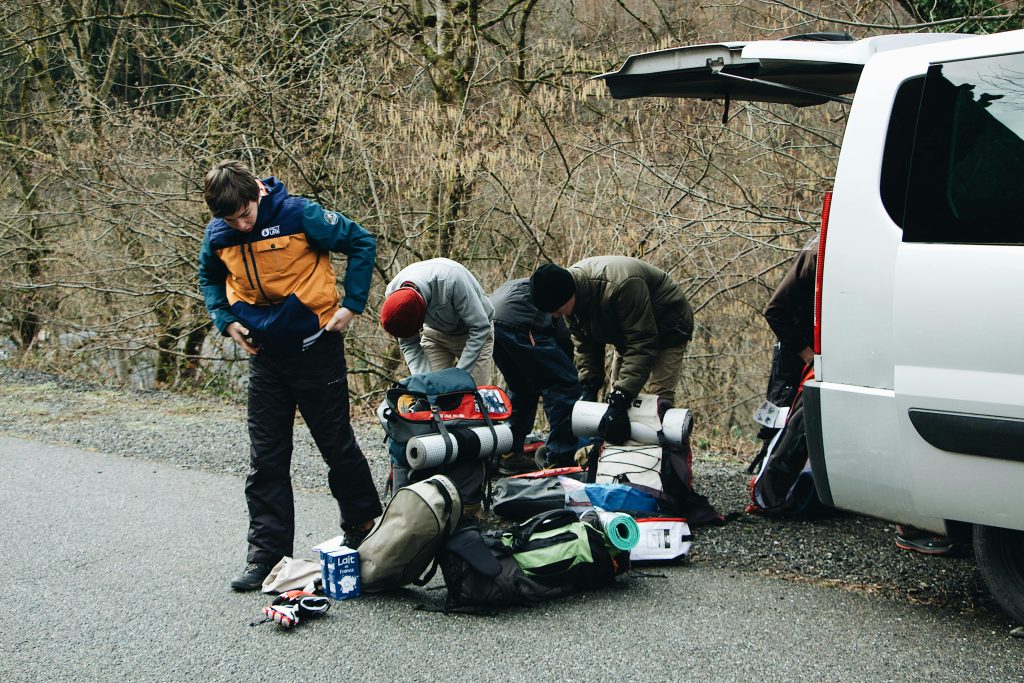
Hiking for Beginners Money-Saving Hacks
When it comes to hiking for beginners, it may not be immediately clear where to pick up affordable, professional equipment without forking out a fortune. Thankfully, hiking doesn’t need to break the bank. Here are some money-saving tips to help avoid paying over the odds for your hiking clothes, hiking boots, hiking bags, and hiking equipment in general:
- Download the Free GasBuddy App: Find affordable gas on the go, especially helpful if you’re driving long distances to reach trails.
- Invest in the America the Beautiful Pass: For U.S. national parks, this $80 annual pass covers entry fees and can pay for itself if you visit three or more parks.
- Buy Used Gear: Thrift stores, REI Re/Supply, and Patagonia Worn Wear are great for finding quality used hiking gear.
- Watch for Sales: Major stores like REI offer seasonal sales, and patience can pay off with discounts on quality gear.
- Protect Your Feet: Investing in quality hiking boots and merino wool socks is worth it, as they offer durability, comfort, and better blister prevention.
- Pack Your Lunch: Bring food along in a small cooler rather than buying meals on the go.
- Use a Reusable Water Bottle: A one-time purchase saves money and reduces waste in the long run.
- Try Camping: If you need to travel for a hike, consider camping over hotel stays to save money. Sites like Hipcamp and recreation.gov can help you find affordable spots.
🗒️ Free Checklist: “Never forget the essentials — grab your free Ultimate Hiking Packing List.”
Hiking for Beginners Free Resources
There are excellent free resources available to help you prepare and plan your hikes:
- AllTrails: Provides trail maps, reviews, and difficulty ratings.
- USDA Forest Service: For details on public lands, trails, and seasonal closures.
- Hiking Project: A crowd-sourced platform offering trail guides and maps.
- Leave No Trace Center: Educational resources on responsible outdoor practices.
- National Park Service App: Offers park information, maps, and updates for each U.S. national park.
- Reddit: Subreddits like r/hiking and r/camping offer user-generated advice and trail recommendations.
- YouTube: Channels like “Darwin on the Trail” and “REI” offer valuable hiking tutorials, gear reviews, and beginner tips.
“Plan less, walk more.” Pick a route, set your pace, and let Europe unfold under your boots: grab your free Walking Holiday ebook today”
Where to Next?
- Ultimate Guides – your gateway to hiking across Europe
- Hikes & Trails – curated lists of the best hikes and local gems
- Walking Holidays – extended journeys for when a single day just isn’t enough
- General Blog – all the extras: gear reviews, planning tips, and personal stories
In Conclusion
Hiking is an accessible, enjoyable way to connect with nature, improve your fitness, and explore the outdoors. As a beginner, taking time to understand the basics—like choosing the right gear, planning for safety, and respecting the environment—will make your experience more enjoyable and safer. By following these beginner tips, you’ll be well-prepared to take on your first hike confidently. Remember, hiking is about pacing yourself, embracing the journey, and savoring each step. With the right knowledge and preparation, you’ll be ready to create memorable adventures on the trail.


